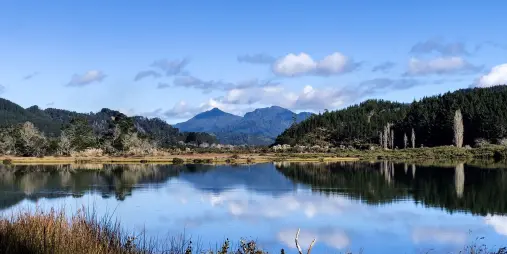

Planning a Classic New Zealand Wine Trail Self-Drive
The Classic New Zealand Wine Trail is one of the easiest self-drive routes for travellers who want a mix of cellar doors, regional food, coastal scenery and a few well-placed town stays. Over 5 to 8 days, this itinerary links Hawke’s Bay, Wairarapa, Wellington and Marlborough, giving you a straightforward way to plan a New Zealand wine road trip without rushing the journey
Quick Facts: Planning Your Trip
- Best trip length: 5 days covers the core route, while 7 to 8 days gives you more time for cellar doors, meals and scenic detours.
- Regions included: Hawke’s Bay, Wairarapa, Wellington and Marlborough.
- Best way to do it: Self-drive is the easiest option, especially if you want flexibility between vineyards, towns and ferry connections.
What is the Classic New Zealand Wine Trail?
The Classic New Zealand Wine Trail is a signposted self-drive route linking Hawke’s Bay, Wairarapa, Wellington and Marlborough across both islands. It combines vineyard visits, regional food, coastal scenery and a Cook Strait crossing in one well-paced journey. The trail connects three of New Zealand’s leading wine regions, together responsible for more than 80% of the country’s wine production.

Want help turning this route into a real itinerary?
Our team can help you plan a self-drive holiday that fits your travel dates, preferred pace and must-see wine regions.
Days 1 and 2: Hawke’s Bay Wine Region Highlights
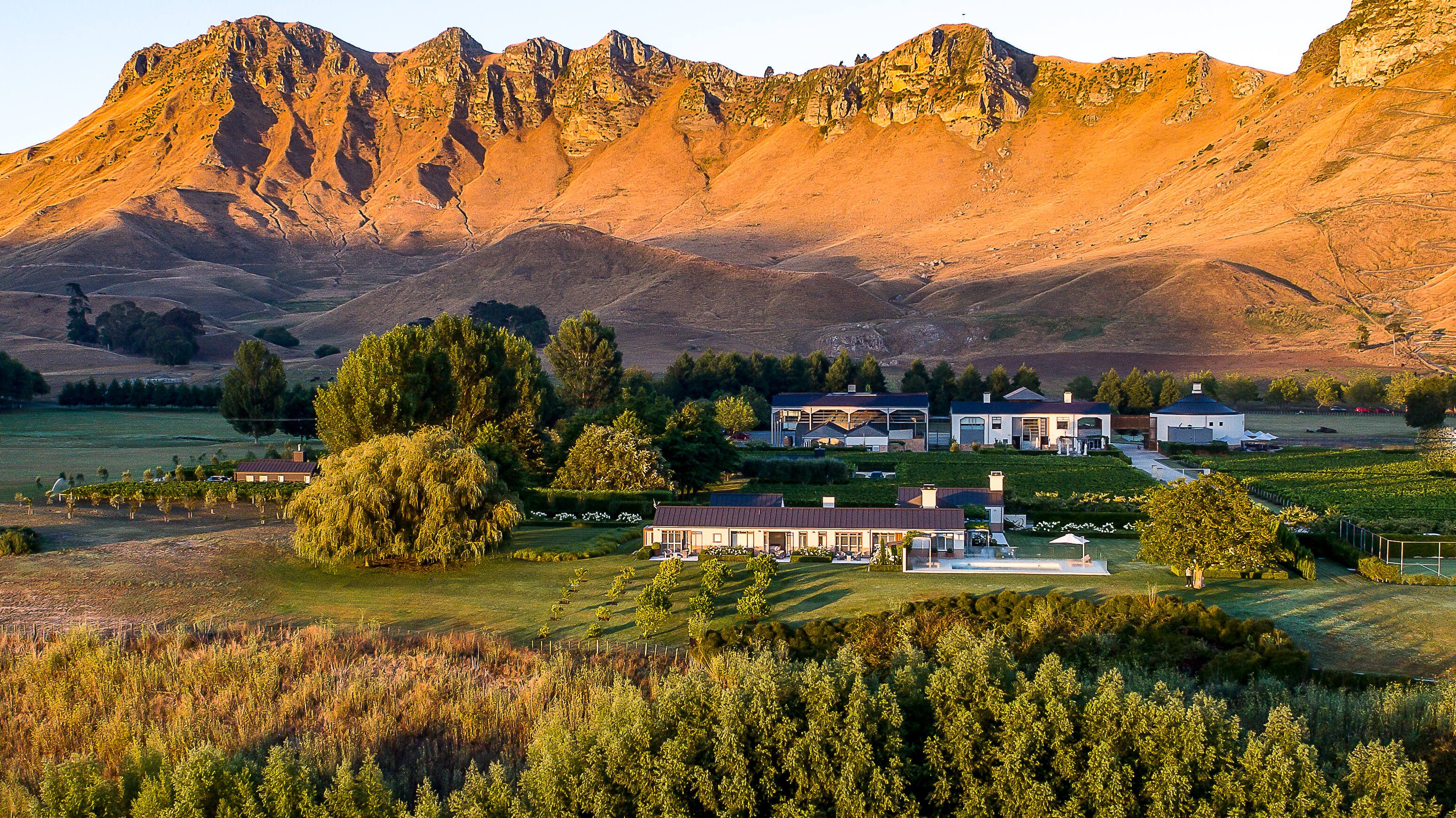
Start in Hawke’s Bay, one of New Zealand’s oldest wine regions, known for Merlot, Syrah and Chardonnay, with easy access to cellar doors, cycling trails and Napier’s Art Deco architecture.
Top things to do:
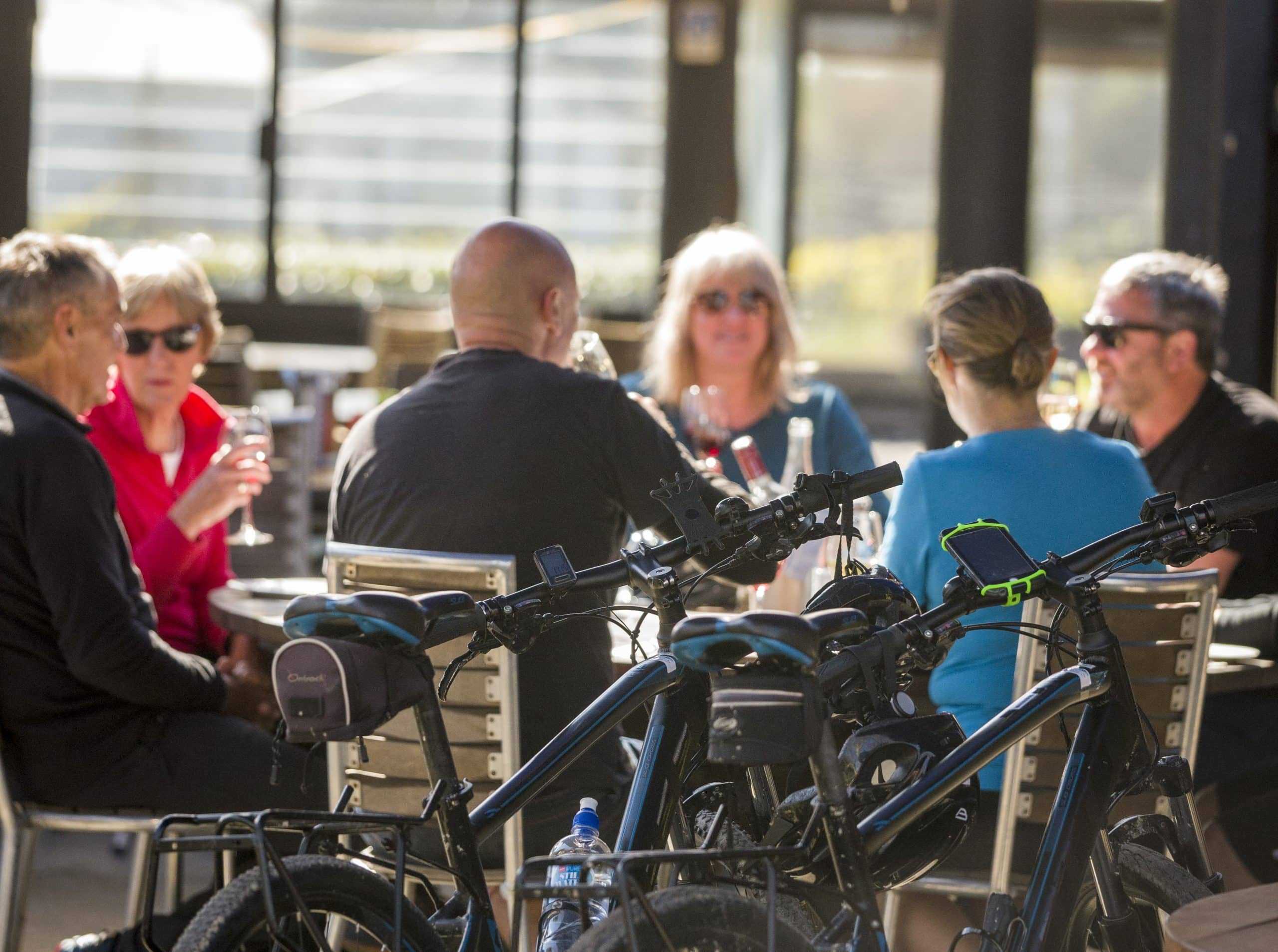
- Cycle between vineyards on the Hawke’s Bay Trails
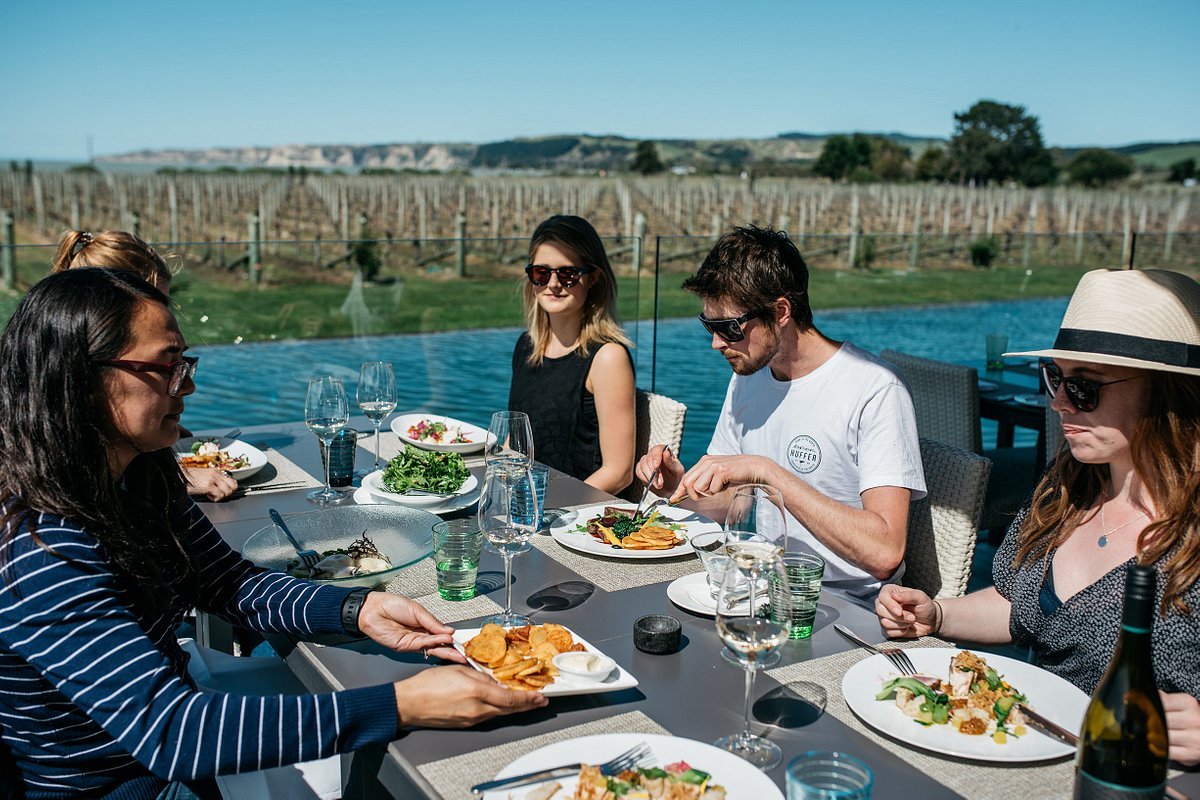
- Visit cellar doors in the Gimblett Gravels wine district
- Explore Napier’s Art Deco heritage


Day 3: Hawke’s Bay to Wairarapa
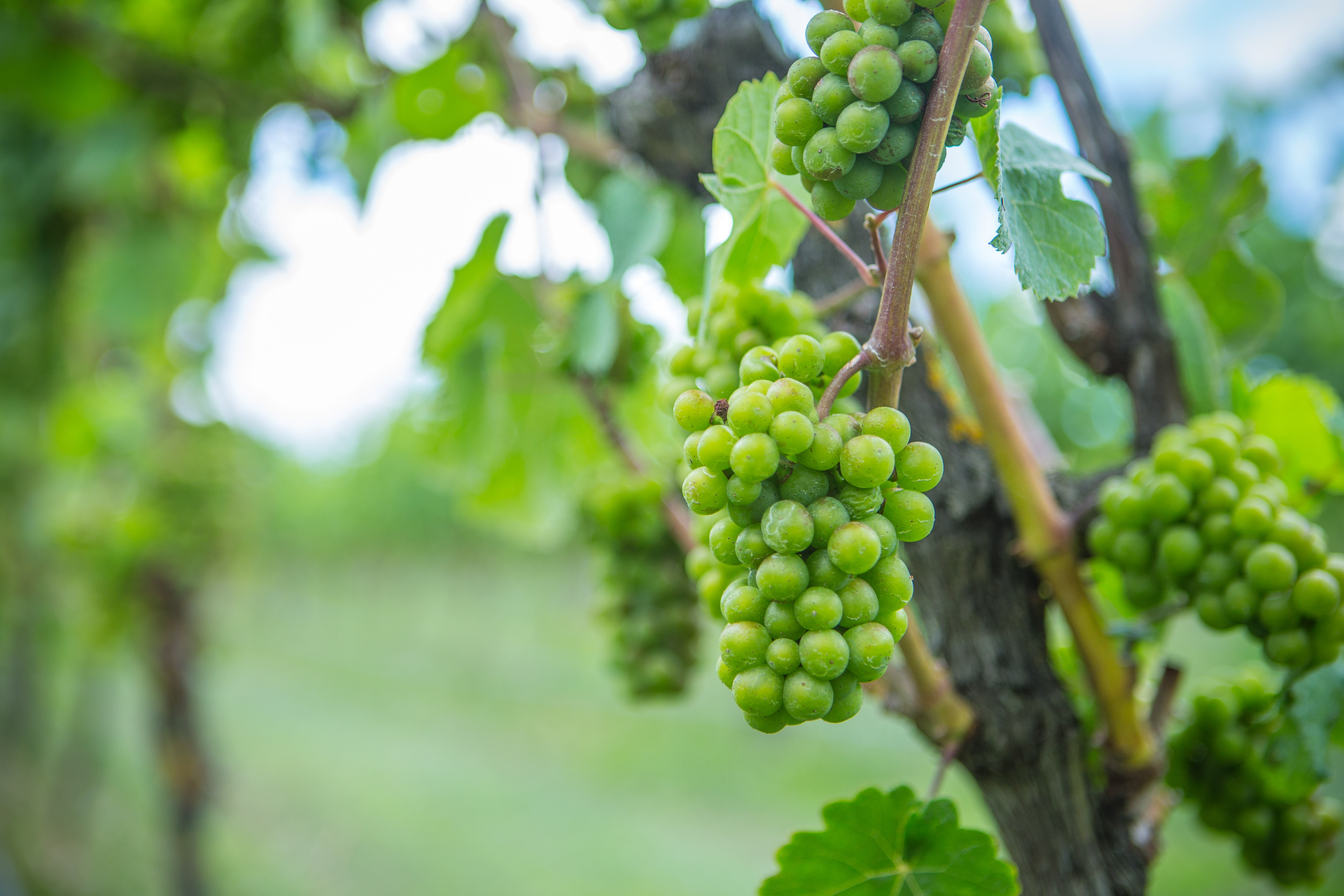
This part of the route shifts the pace. The landscapes open out, the towns get smaller, and the wine experience becomes more boutique and low-key. It is a good day to slow down, enjoy the drive, and avoid cramming too much in before Martinborough and Wellington.
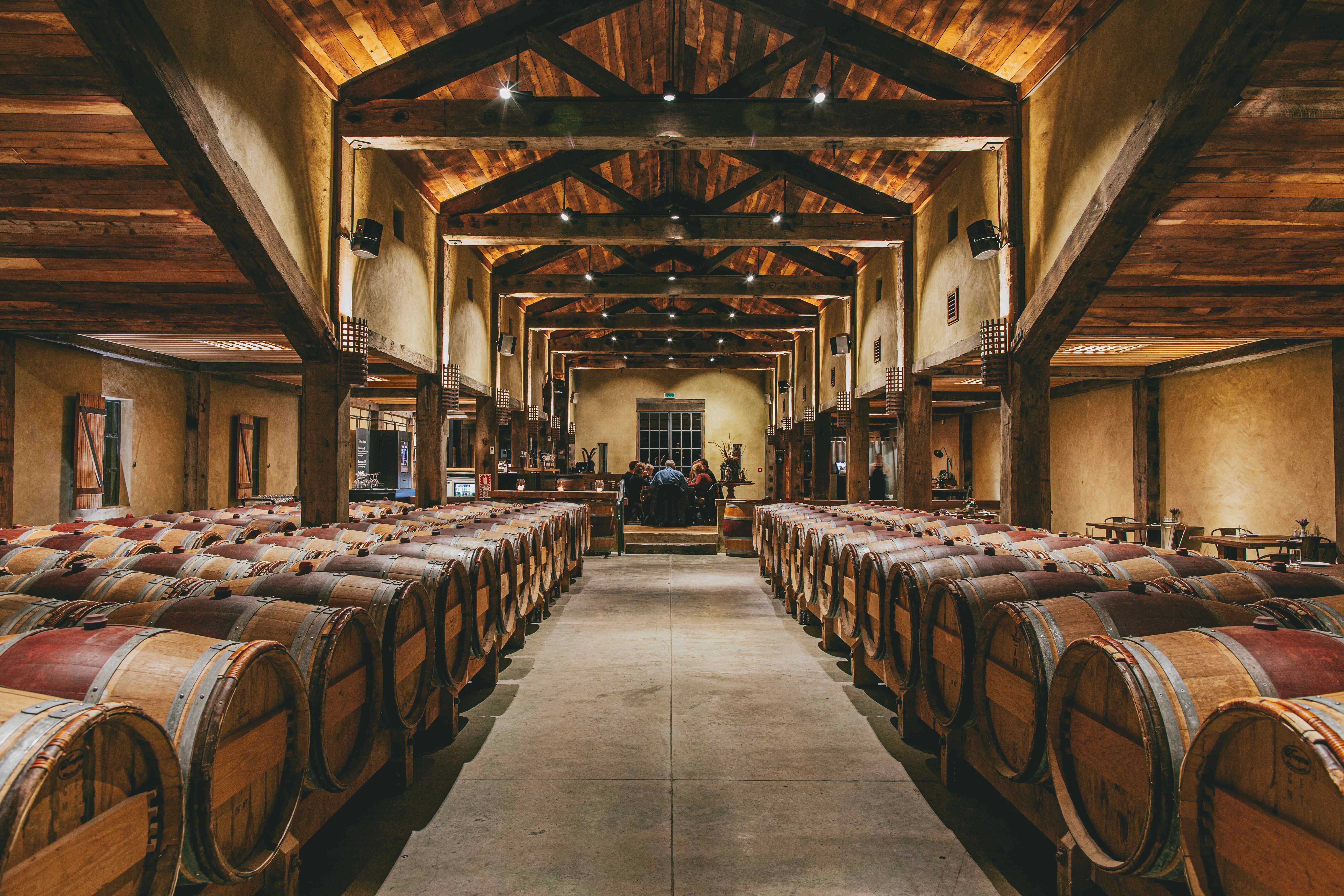
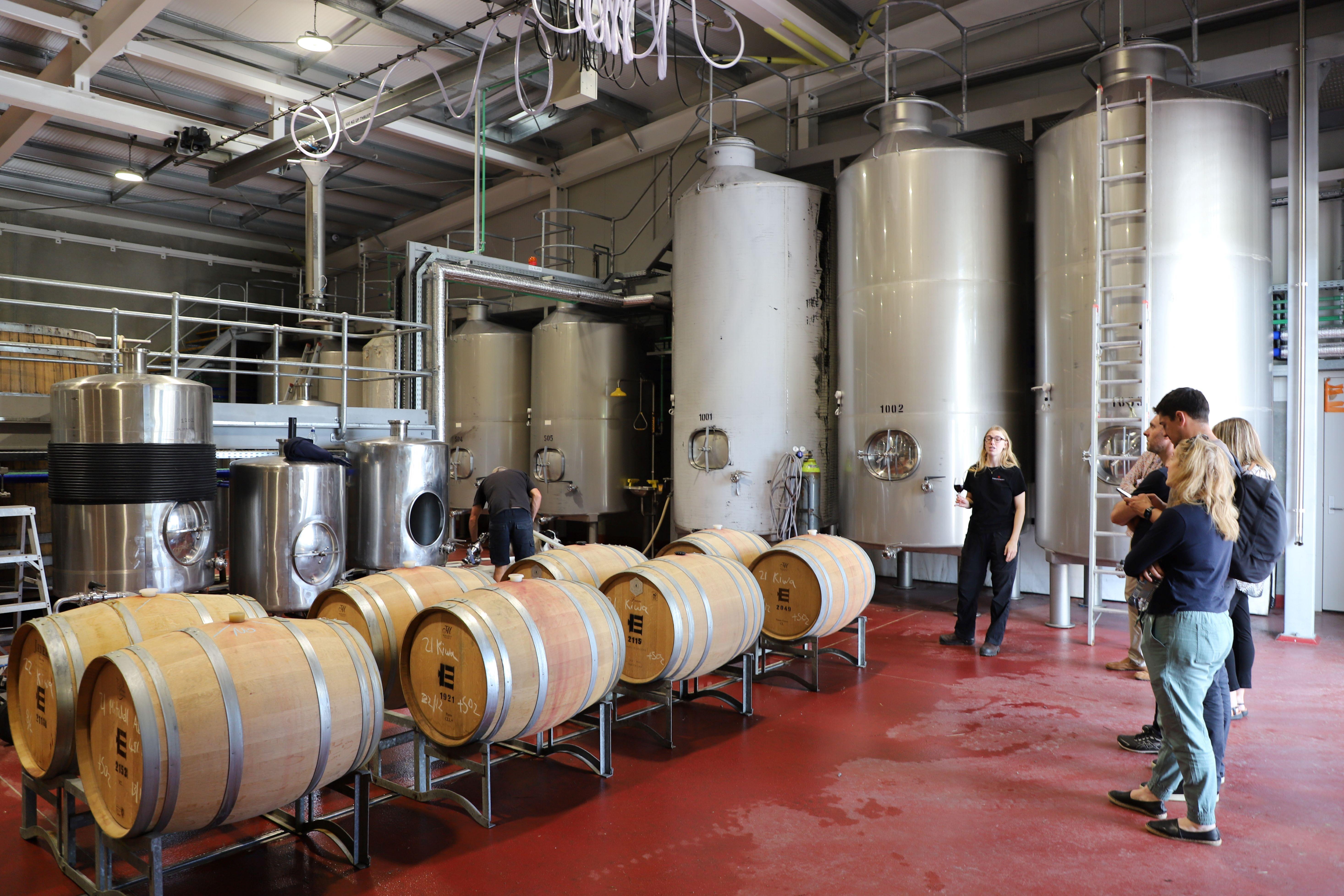
Day 4: Martinborough Wine Tasting and Cellar Doors
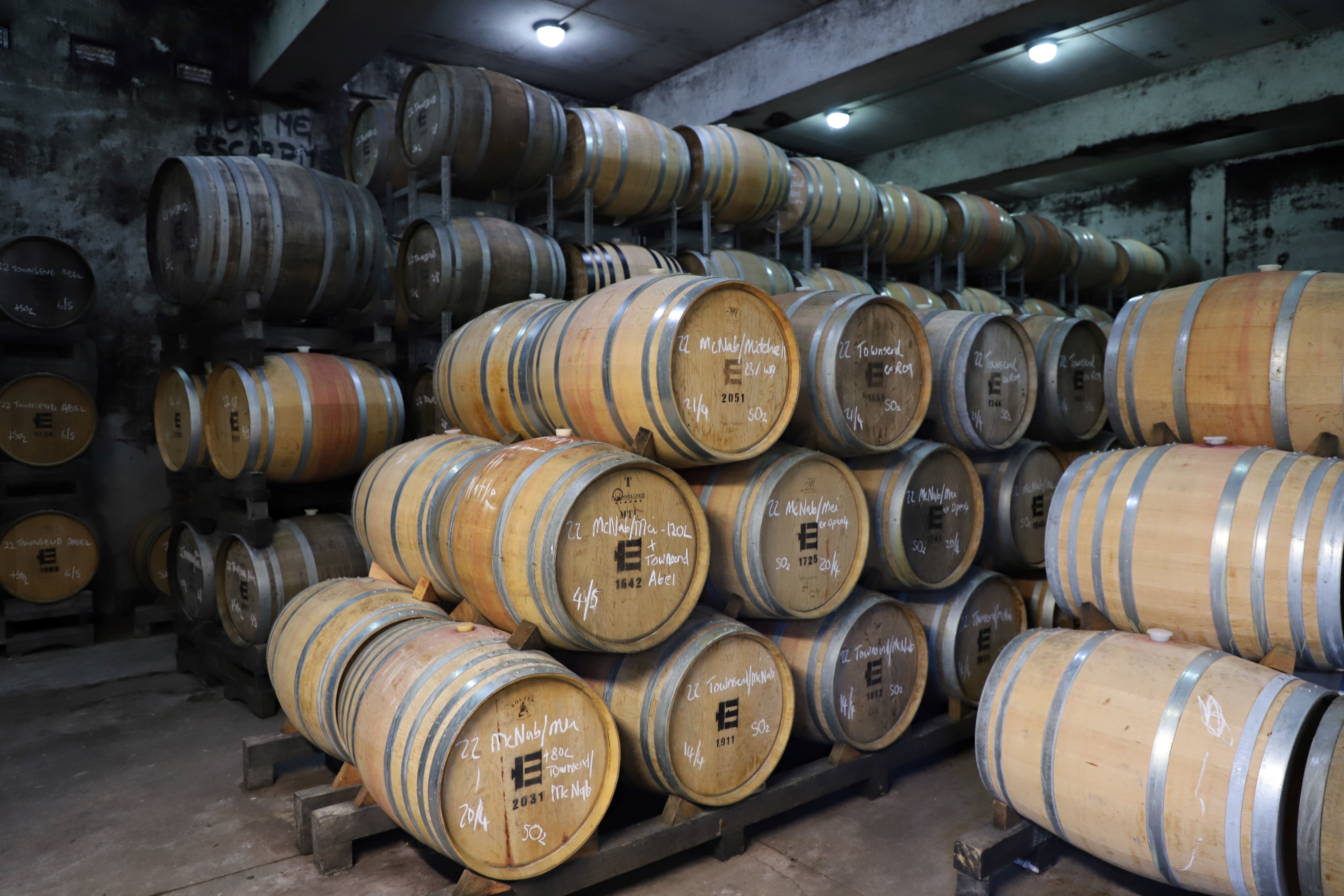
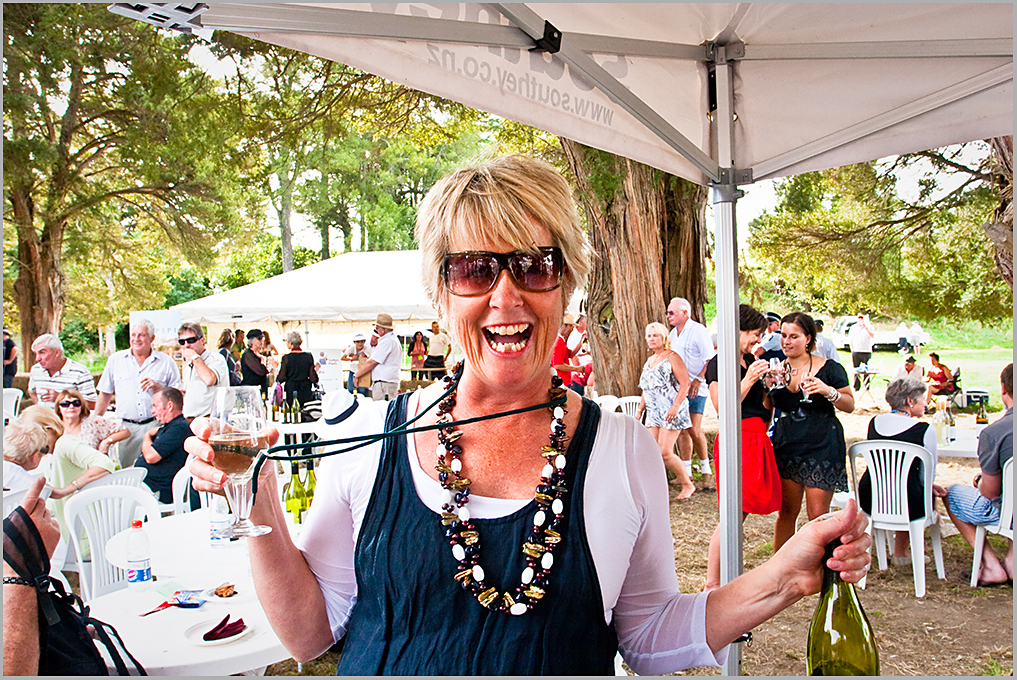
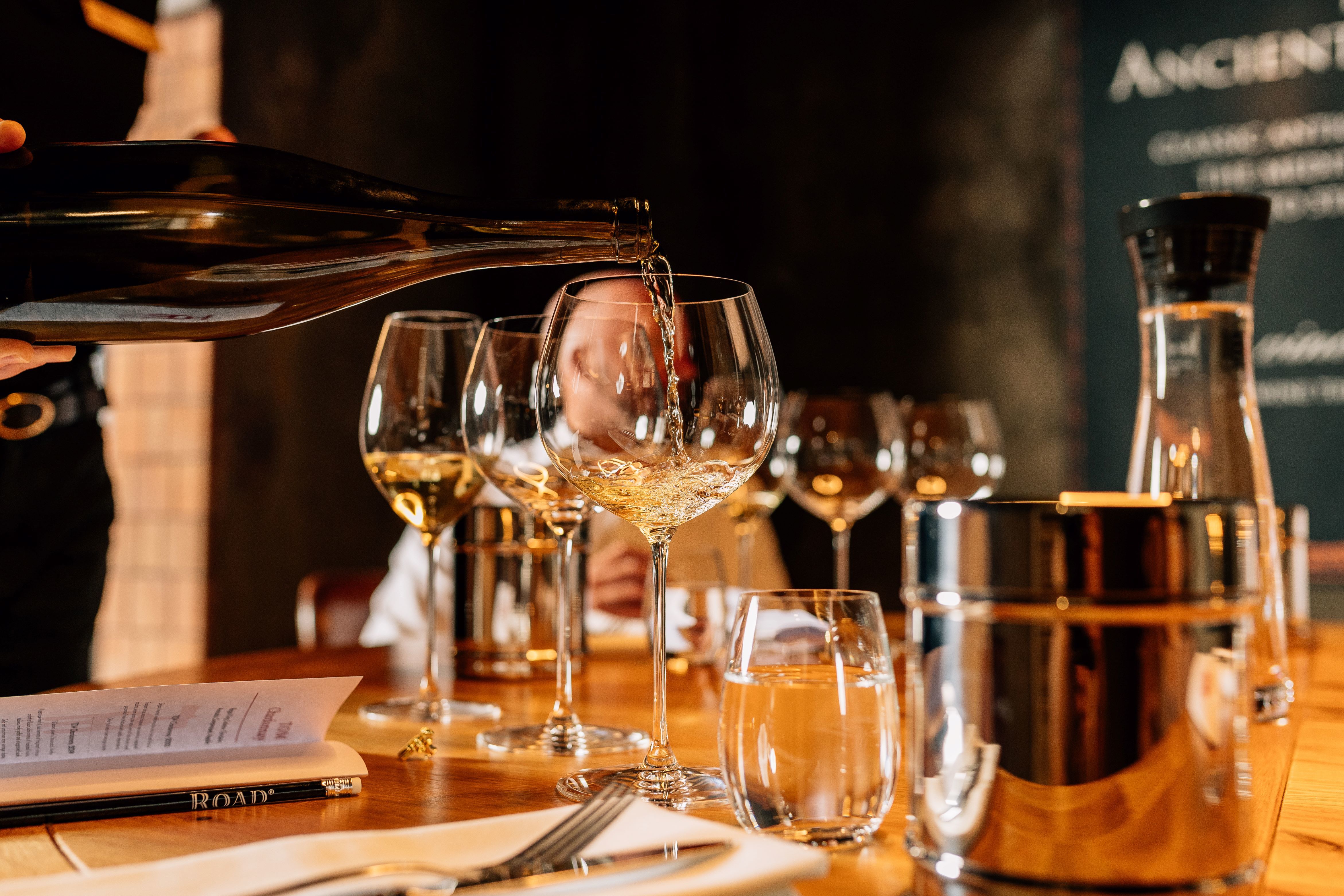
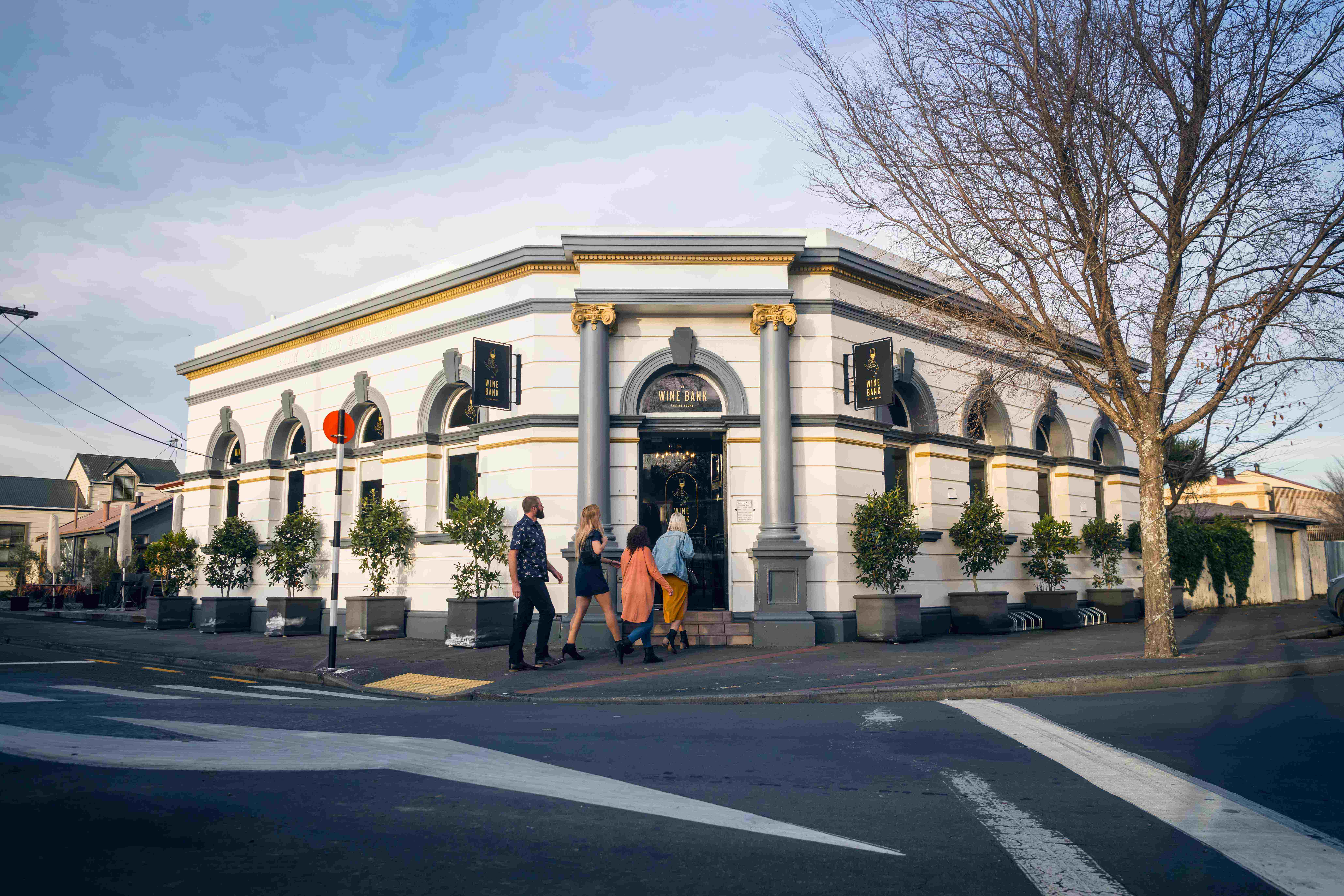
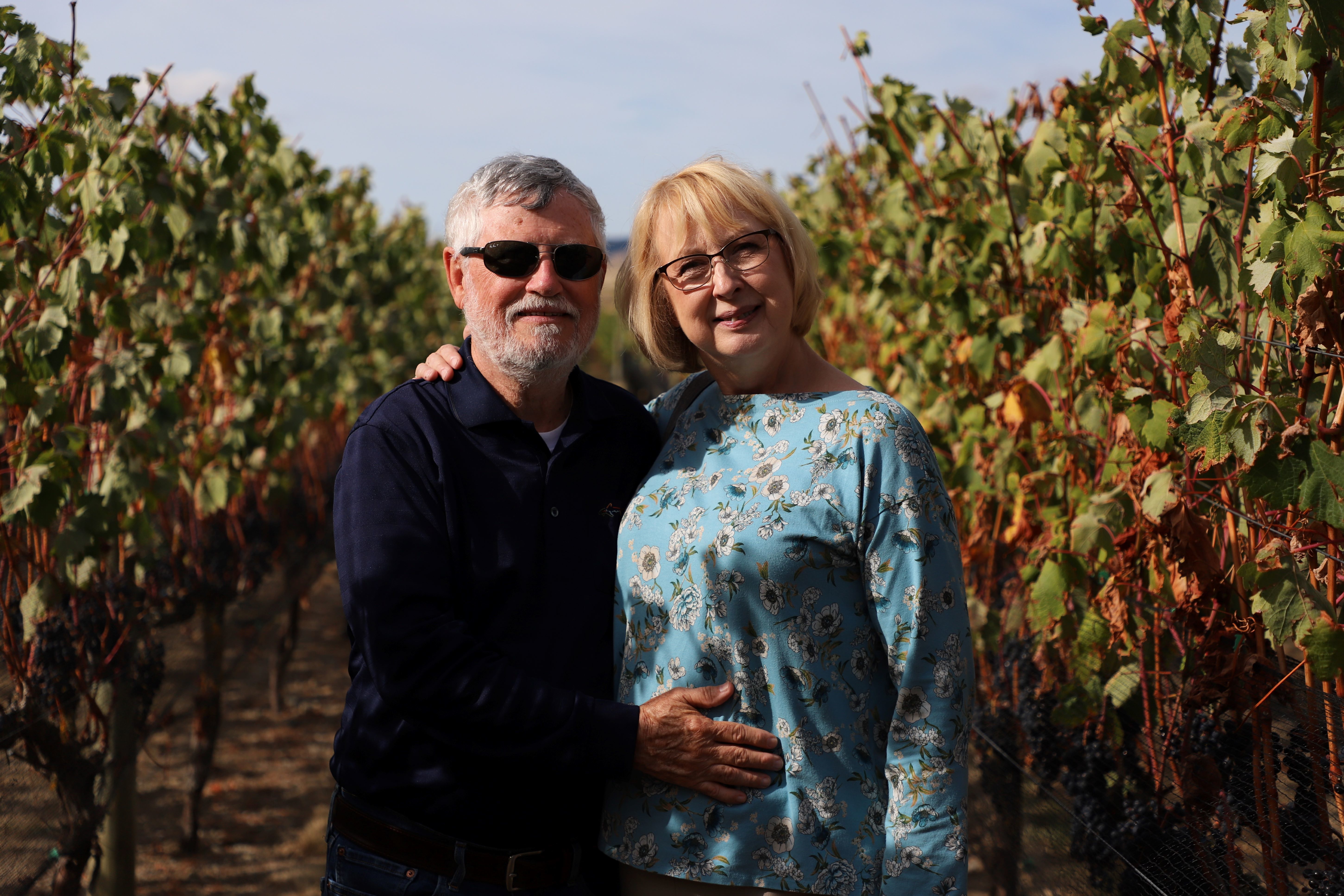
Martinborough is the heart of Wairarapa wine country. The region is compact, easy to navigate and best known for Pinot Noir, along with Sauvignon Blanc, aromatics and Syrah.
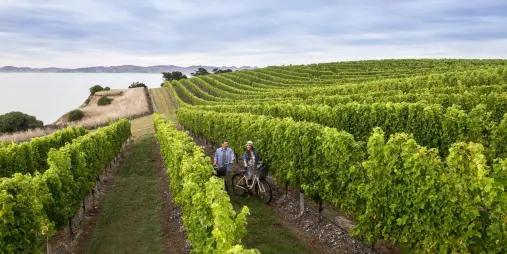
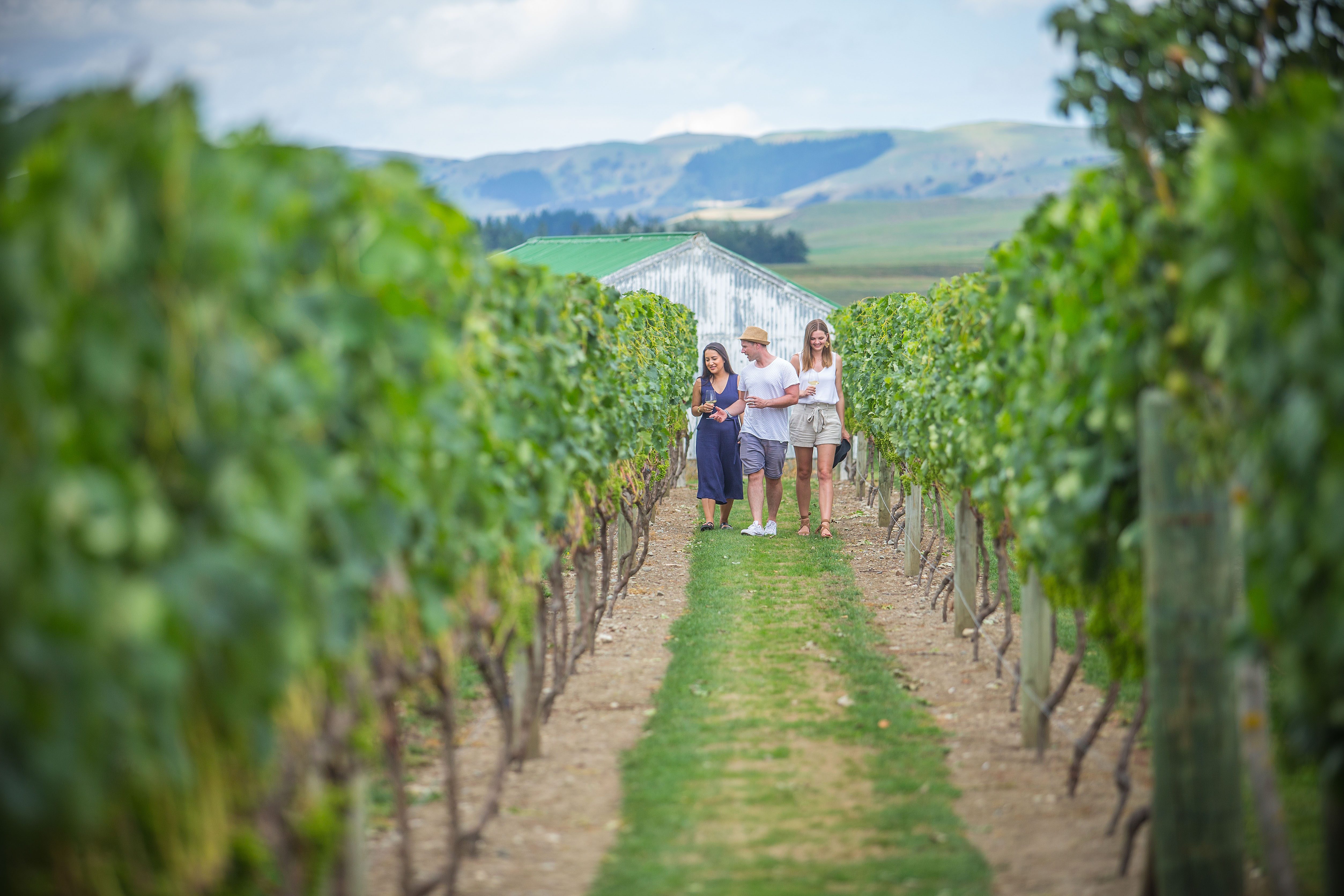
The village layout makes it easy to walk or cycle between boutique vineyards, and guided tours are widely available if you would rather not drive.
Days 5 to 8: Marlborough and the Final Stretch

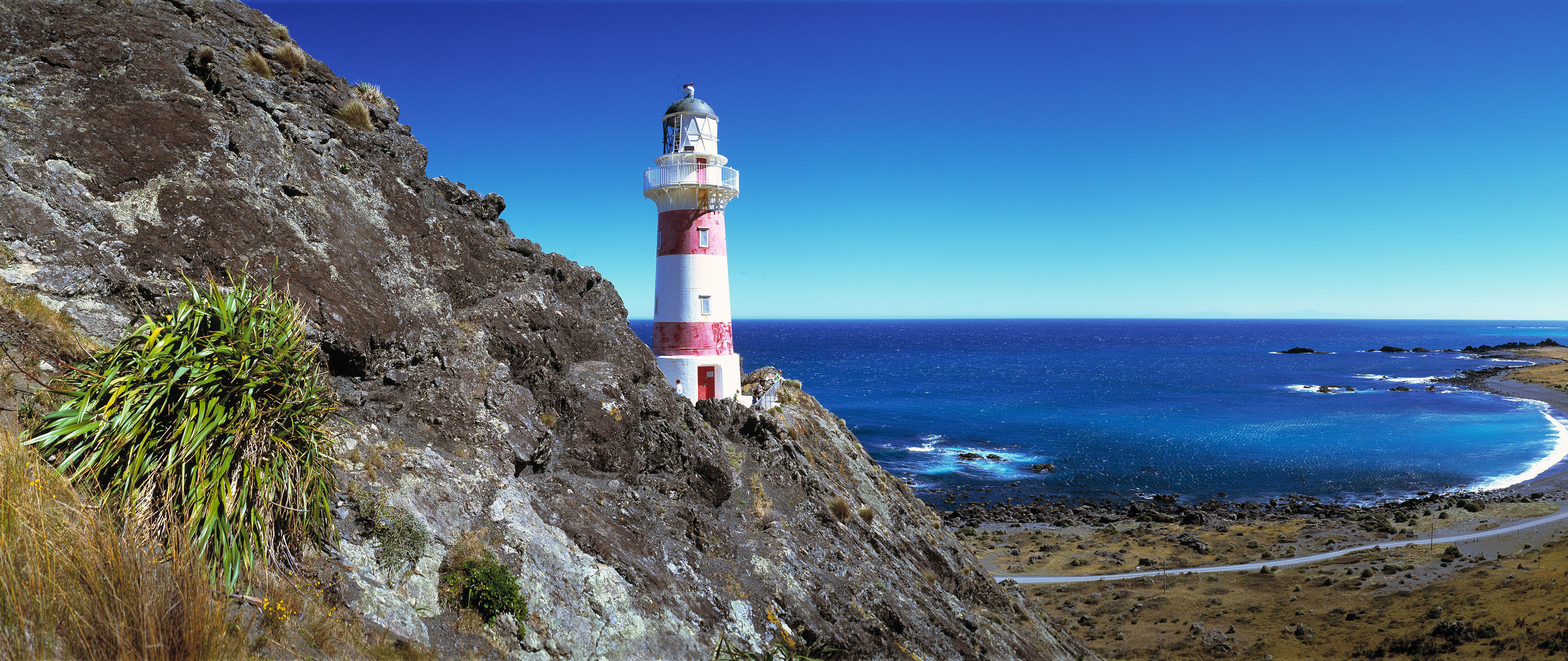
Wellington adds a city break to the route, with excellent dining, wine bars and an easy jumping-off point before crossing Cook Strait to the South Island.
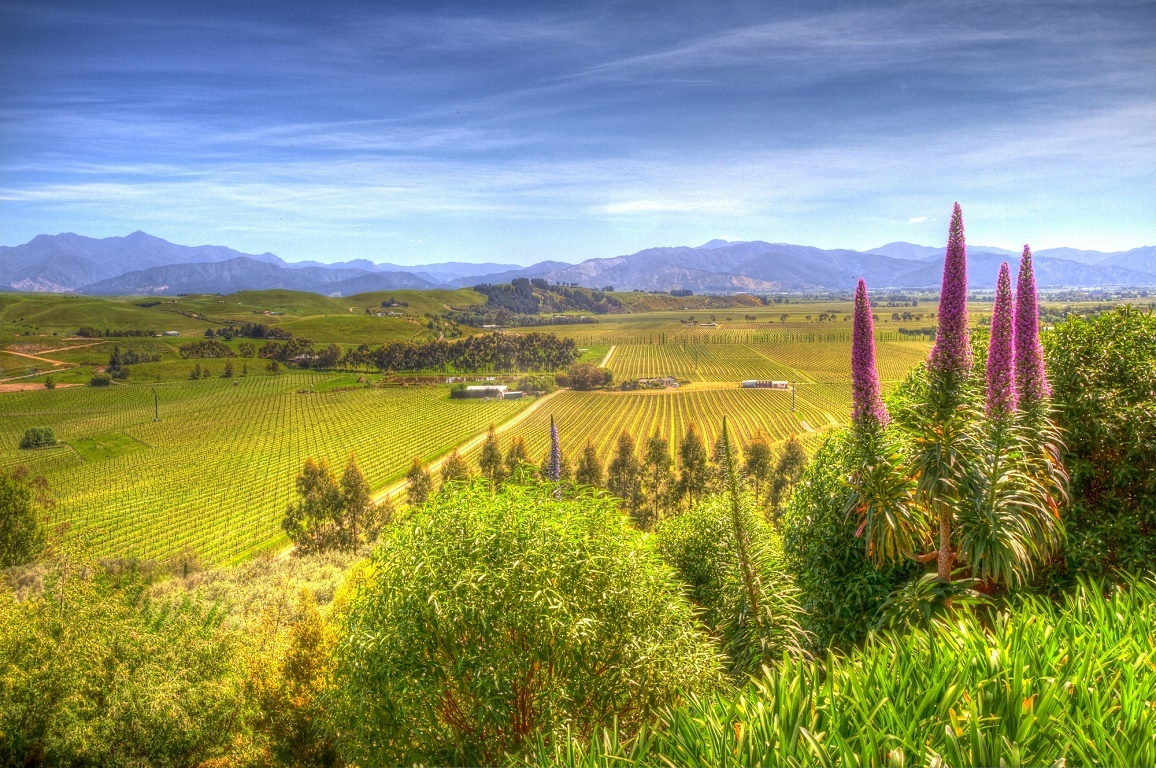
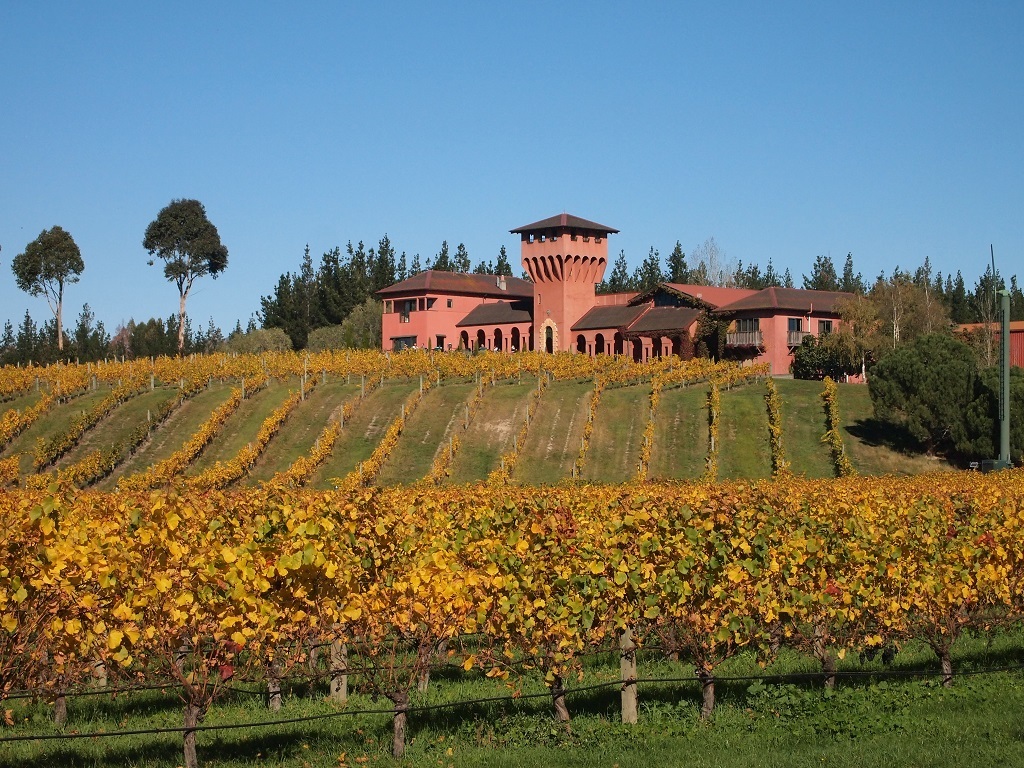
Marlborough is New Zealand’s best-known wine region, with a cellar door scene centred around Blenheim and the Wairau Valley. It is an easy and rewarding final stop on the trail.
It is a fitting final stop, especially if Marlborough Sauvignon Blanc is one of the reasons you wanted to do the trail in the first place.


Classic New Zealand Wine Trail Travel Tips
Book your rental car early if you are travelling in summer or over busy holiday periods, especially if you want flexibility with pick-up points and ferry connections.
Keep these tips in mind for a smooth trip:
- Pace yourself: Two to three cellar doors in a day is usually enough.
- Book ahead: Reserve tastings in advance during peak periods.
- Allow for ferry timing: Leave extra time on your Wellington to Picton crossing day.
- Take your time: Choose 7 to 8 days if you want a more relaxed pace and room for detours.
Having your own vehicle makes it easier to move between wine regions, fit in scenic detours, and maintain a relaxed pace.
A good wine trail works even better with the right pacing.
Go New Zealand can help you plan a self-drive holiday that fits your dates, interests and preferred style of travel.