
Ready to Plan Your New Zealand Road Trip?
Kick off your South Island journey with a Christchurch self-drive holiday. Choose a set itinerary or shape a route that fits your style — car hire and quality stays included.
You only need a small amount of cash for your arrival, such as for a taxi or coffee.
The best strategy:
Note on "Swedish Rounding":
Kick off your South Island journey with a Christchurch self-drive holiday. Choose a set itinerary or shape a route that fits your style — car hire and quality stays included.
Using a debit card for your rental bond can affect how much spending money you have available during your trip.
The Key Differences:
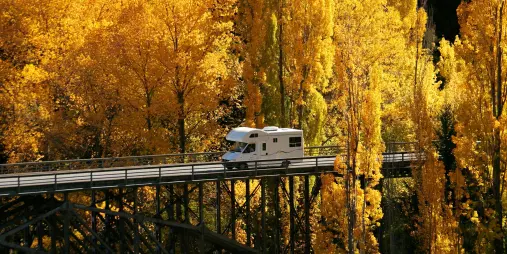
Our self-drive packages offer a range of rental car options to suit different preferences and group sizes. Common options include economy cars, sedans, SUVs, campervans, and 4WD vehicles. Choose a car that best fits your needs in terms of size, comfort, and terrain suitability.
Important: Most retail banks in Aotearoa New Zealand no longer exchange foreign currency. Please do not rely on bank branches for this service.
Where you can exchange money:
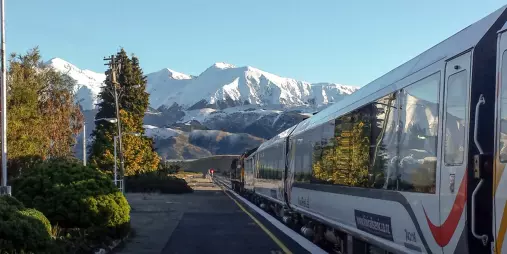
Absolutely, Train Journeys in New Zealand present travel packages that seamlessly integrate train journeys with diverse activities and accommodations. These all-encompassing packages frequently encompass stays in various destinations, guided tours, and activities that harmonize with the train experience. This approach facilitates exploration of different facets of New Zealand while benefiting from thoughtfully designed travel plans. To delve into these offerings, check our website or connect with our Reservations team for detailed information and bookings.
Answer: Traveller’s cheques are no longer accepted in Aotearoa New Zealand.
Banks, currency exchange counters and retailers do not cash or exchange them, so they are not a valid option for spending money.
What you should bring instead:
Traveling during the shoulder and low seasons (April to May and September to October) offers fewer crowds, lower costs, and pleasant weather, making it an excellent alternative to the busy summer months.
To travel to New Zealand, you must have a valid passport that meets New Zealand's entry requirements. Australian and New Zealand passport holders generally only need a passport valid for the period of their stay, while most other travellers should have a passport valid for at least three months beyond their intended departure date. Always check the latest requirements before you travel.
Passport validity requirements depend on your nationality and immigration status.
Australian and New Zealand passport holders, along with New Zealand residents and eligible Australian permanent residents travelling under current travel arrangements, generally need a passport that is valid on the date they enter and leave New Zealand.
Most other international visitors, including tourists, students and temporary workers, should have a passport that is valid for at least three months beyond their intended departure date from New Zealand. However, travellers from countries with diplomatic or consular representation in New Zealand that can issue or renew passports may, in some cases, only need a passport that is valid for one month beyond their intended departure date.
Find out here whether Aussies need a passport to enter New Zealand and ensure yours is valid and in good condition before travelling.
Your passport should be in good physical condition and free from significant damage. A passport that is torn, water damaged, excessively worn, altered or missing pages may not be accepted for international travel.
If your passport is damaged or close to expiring, contact your passport issuing authority before making travel arrangements.
Passport and visa requirements are separate, so make sure you meet both before departing for New Zealand.
Passport and entry requirements can change, so it is always best to confirm the latest information with the IATA Travel Centre before travelling.
Sign up to our newsletter for special deals & exciting news.