
Spring and summer are the busiest time to travel around New Zealand, and they're also the seasons where planning ahead matters most. If you're thinking about a self-drive holiday for anywhere between September and February, mid-winter is a sensible time to begin. Not because you're travelling yet, but because the parts of a road trip that are hardest to change later, vehicles, ferry crossings and accommodation in smaller towns, are the parts that fill first.
This guide covers how far ahead to plan, why New Zealand takes longer to drive than the map suggests, and the handful of decisions worth settling early.
Quick answer: For a spring or summer self-drive holiday, roughly September to February, start planning three to six months ahead. July is a good time to begin securing the pieces that fill first: your route, your vehicle, the Cook Strait ferry crossing and accommodation in smaller towns.
How far ahead should you plan a New Zealand trip?
For a spring or summer self-drive holiday, three to six months is a comfortable window. That puts the start of planning somewhere between July and September for most travellers.
Planning this far out isn't about booking everything at once. It's about giving yourself room to make the decisions that shape the rest of the trip while you still have a full range of options: the direction of your route, the type of vehicle, and the nights that have to be fixed because a ferry or a popular town is involved. Leave those to the last month or two and the itinerary tends to form around what's left, rather than what you wanted.
Find Your Match
Answer seven quick questions about how you like to travel, and we’ll match you with a self-drive itinerary that suits your dates, pace, and preferred islands. It takes about a minute.
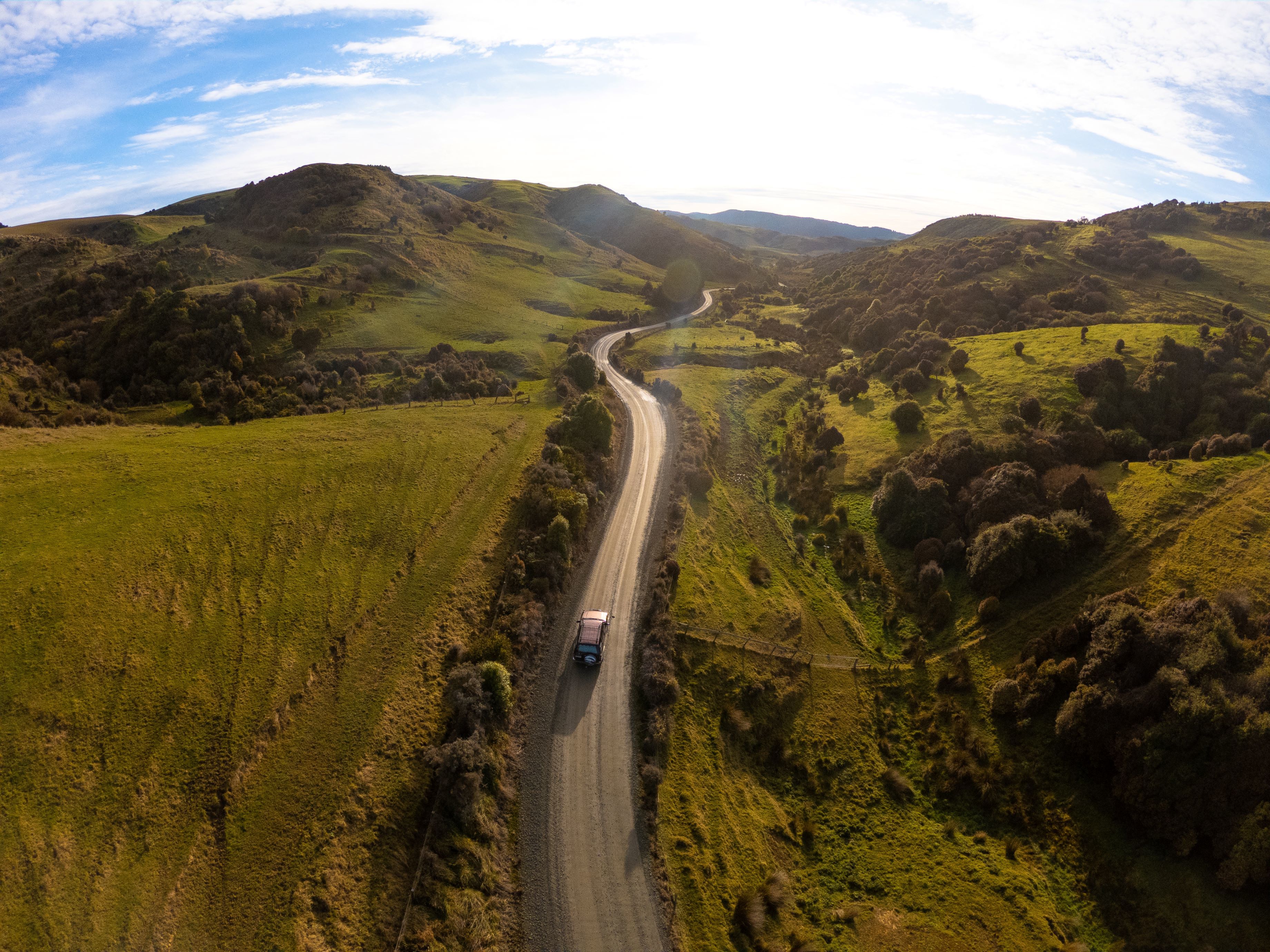
New Zealand is bigger than the map suggests
Most first-time visitors underestimate driving times. The country looks compact, but the roads are rarely straight, and the distances add up quickly.
How far is it, really?
Driving times before you add a single stop.
| Route | Distance | Driving time |
|---|---|---|
| Auckland Wellington North Island | ~650 km | 8–9 hrs |
| Christchurch Queenstown South Island | ~480 km | 6–7 hrs |
| Cape Reinga Bluff The length of the country | ~2,000 km | ~30 hrs |
Calculators show driving time only. Add around 20% for photo stops, fuel and lunch, then decide how many hours a day you want behind the wheel.
Online distance calculators give you the driving time only. They don't include photo stops, lunch, fuel, or the reality that the scenic roads are the ones you'll want to slow down for. A useful rule is to add around 20 per cent to any quoted driving time, then decide how many hours a day you actually want to spend behind the wheel.
Starting early gives you time to build a route that matches the pace you want, with rest days and the occasional second night in places worth more than a quick look, rather than a schedule that has you reaching for the next town every afternoon.
Choosing a vehicle that fits the trip
The right vehicle depends on more than how many people are travelling. Luggage, fuel efficiency, comfort over long drives and the kind of roads on your route all matter.
A compact petrol car suits a shorter loop on main highways. A hybrid makes sense if your route covers a lot of distance and you want to keep fuel costs down. An SUV is worth considering for alpine roads or the cooler conditions early in spring. A motorhome changes the trip entirely, since your accommodation travels with you, though it also needs more planning around parking and ferry length bands.
Electric vehicles work well on the main tourism routes, where charging is well established and stops tend to line up with the towns you'd break in anyway. On longer or more remote drives they need more planning, since charging points are farther apart and can be busier over the peak. If your route sticks to the popular highways, an EV is comfortable; if it heads well off them, a hybrid gives you more flexibility.
Popular vehicle types, especially hybrids, SUVs and motorhomes, are the first to go as spring and summer approach. Planning earlier means choosing the vehicle that fits your route, rather than taking whichever category is still available closer to departure.
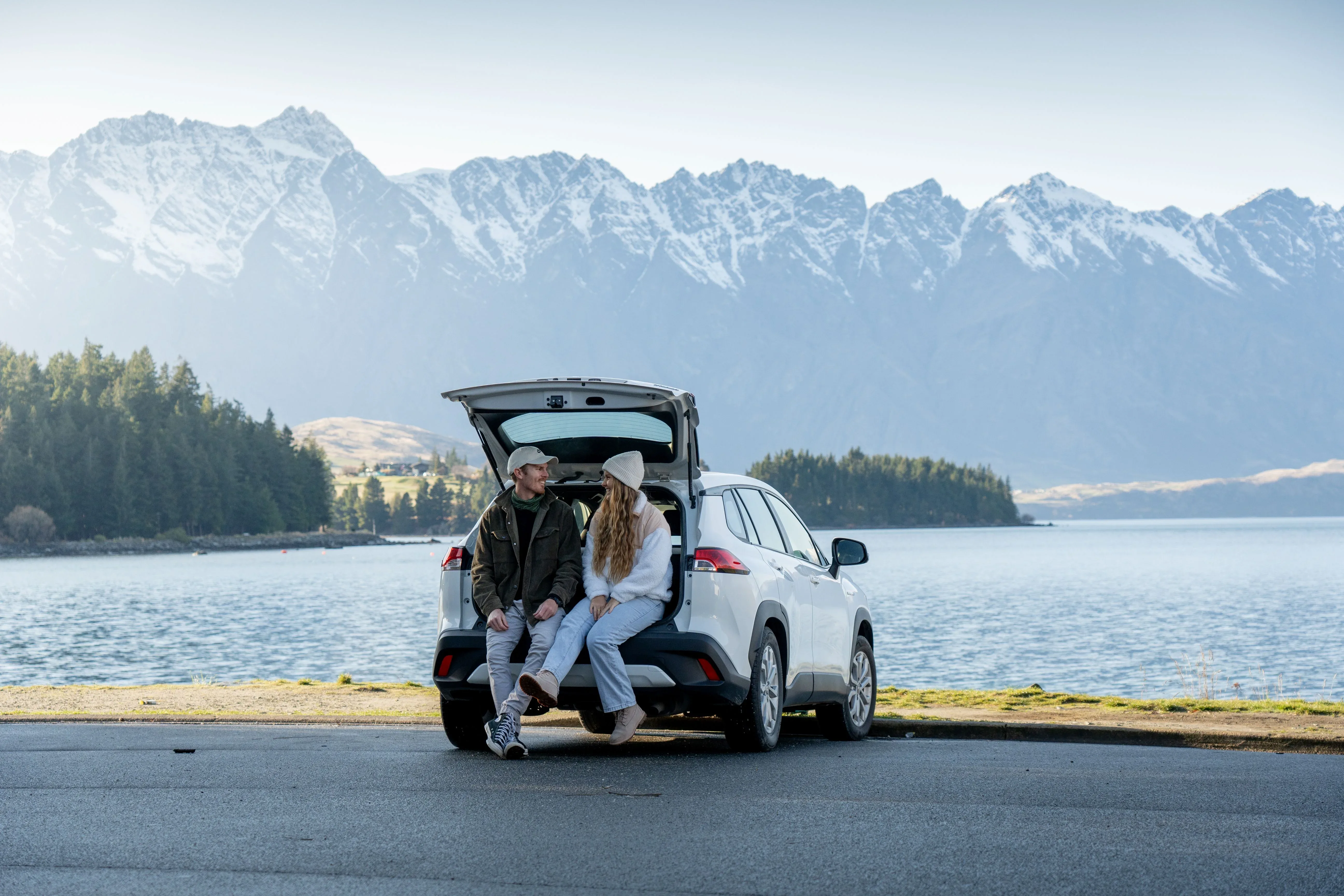
The Cook Strait ferry is a fixed point, not a bridge
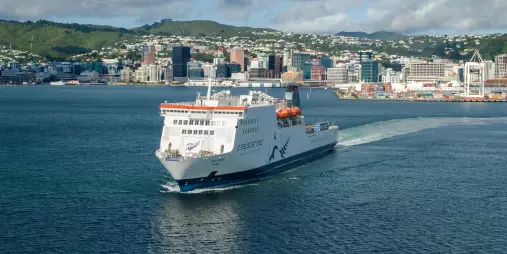
If your trip crosses between the North and South Islands, the Cook Strait ferry deserves early attention. The crossing between Wellington and Picton is around 92 km and takes about three and a half hours, winding through the Marlborough Sounds at the southern end.
Two operators run the route, with several sailings a day. That sounds like plenty of flexibility, but vehicle spaces are limited, and they're the first thing to fill for summer travel. In recent summers, over the December to February peak, sailings with room for a car or campervan have booked out four to eight weeks ahead, and the busiest Friday and Sunday departures have gone earlier still.
The practical takeaway is to treat your crossing like a fixed accommodation night, rather than a bridge you cross whenever you arrive. Your sailing time affects where you stay the night before, how far you drive afterwards, and which direction makes sense for the wider route. That's why the ferry is worth coordinating alongside your accommodation and vehicle, not added at the end.

Where you stay shapes the whole trip
Accommodation isn't only about finding somewhere to sleep. In parts of New Zealand where towns are small or spread out, where you stay sets the rhythm of each day and how far you drive to reach the experiences you came for.
Some of the most popular stops have the least room to absorb a late booking. Aoraki / Mount Cook and Franz Josef have limited accommodation, and most travellers visiting Milford Sound actually stay in Te Anau, since there's almost nowhere to stay at the sound itself. Wānaka and Queenstown fill fast over the peak for the same reason. Leave these late and you can end up staying farther from where you want to be, or reshaping the order of your route to fit what's free. Starting in July gives you more room to compare locations and room types before what remains available starts making those choices for you.

You don’t need a finished itinerary to get started
A rough travel month, the places you most want to see and your preferred pace are enough for us to begin shaping your trip.
Our travel specialists can use those details to recommend a realistic route, the right vehicle and the nights worth securing early, while you still have a wider choice of options.