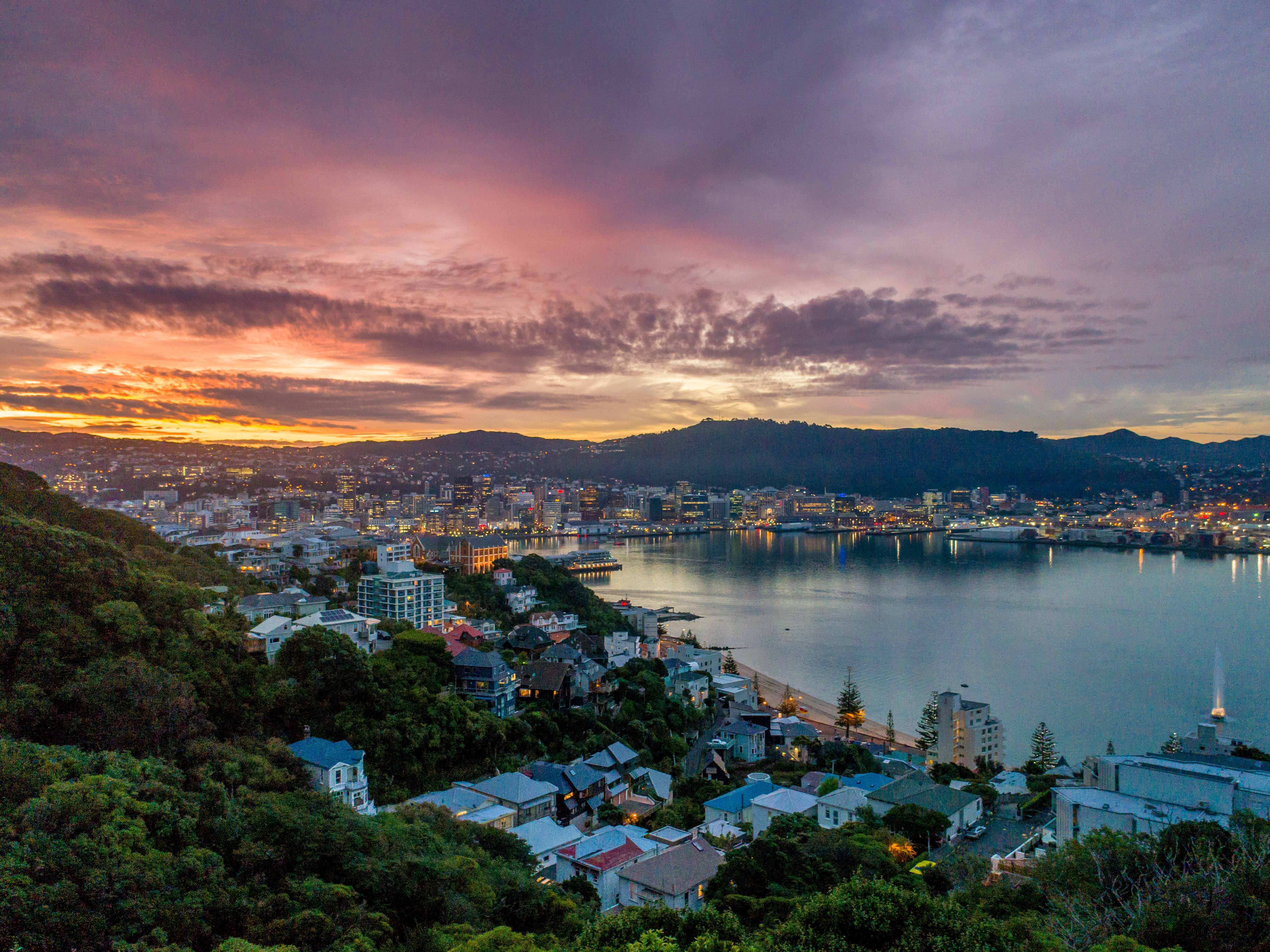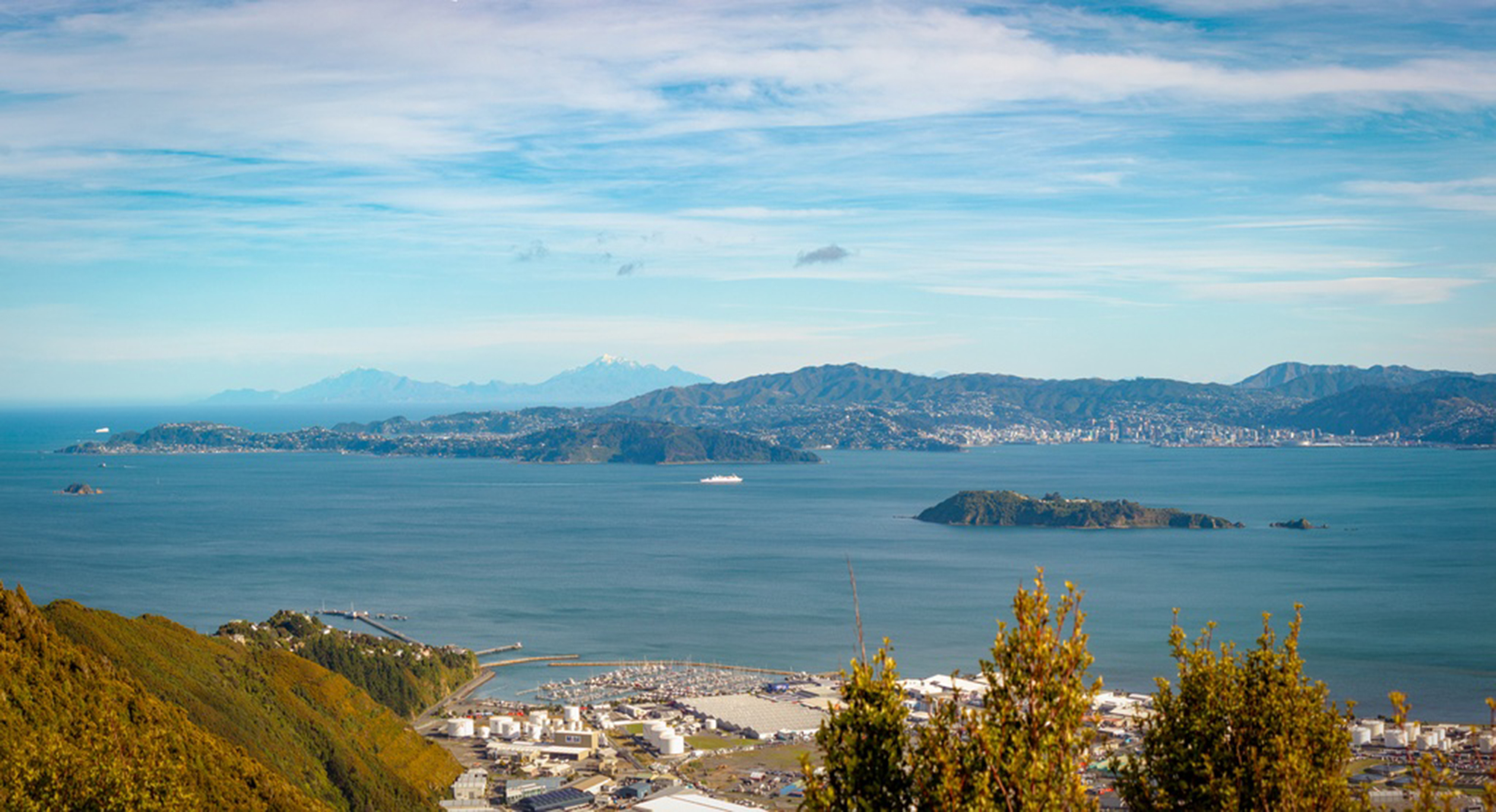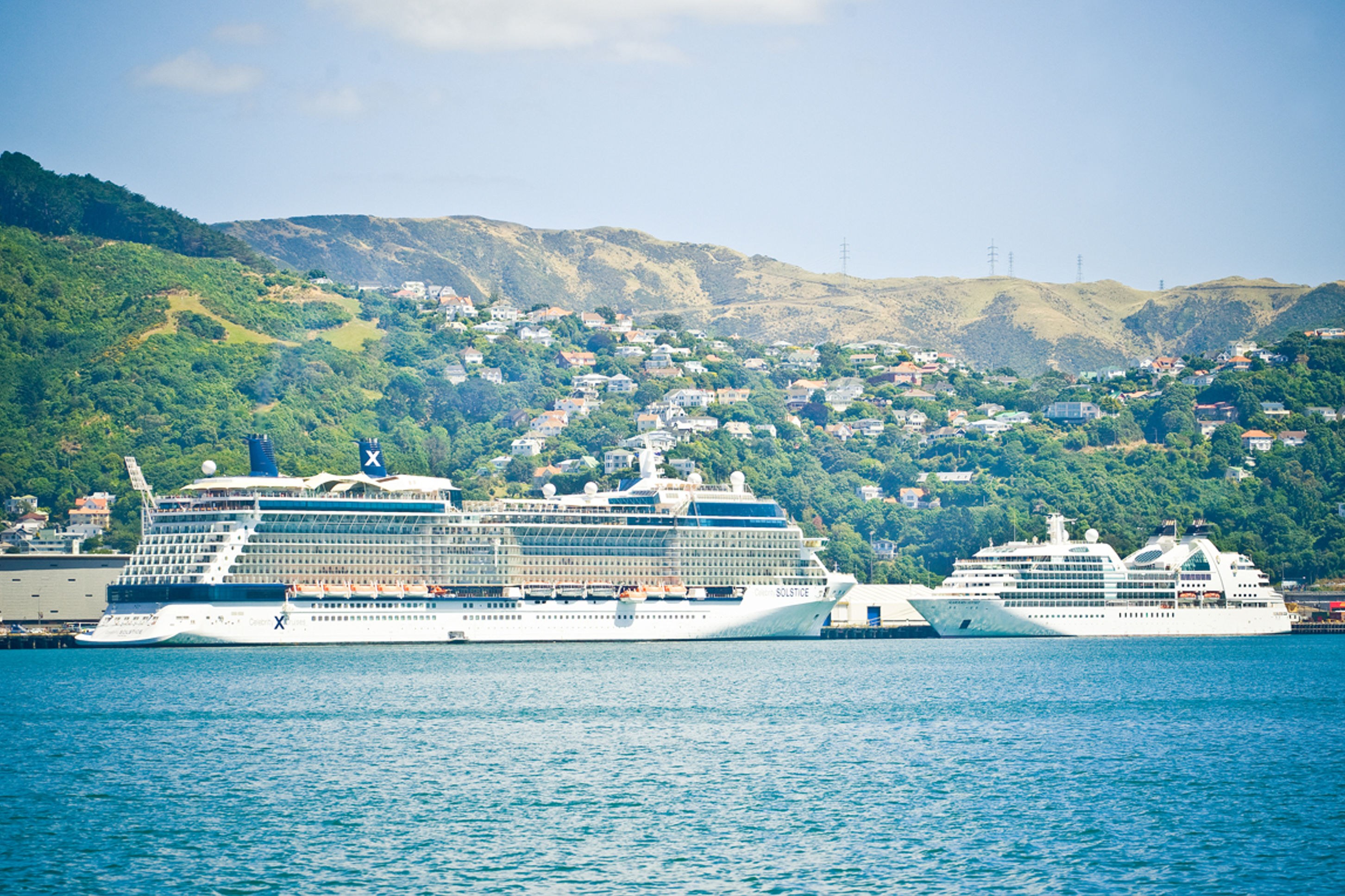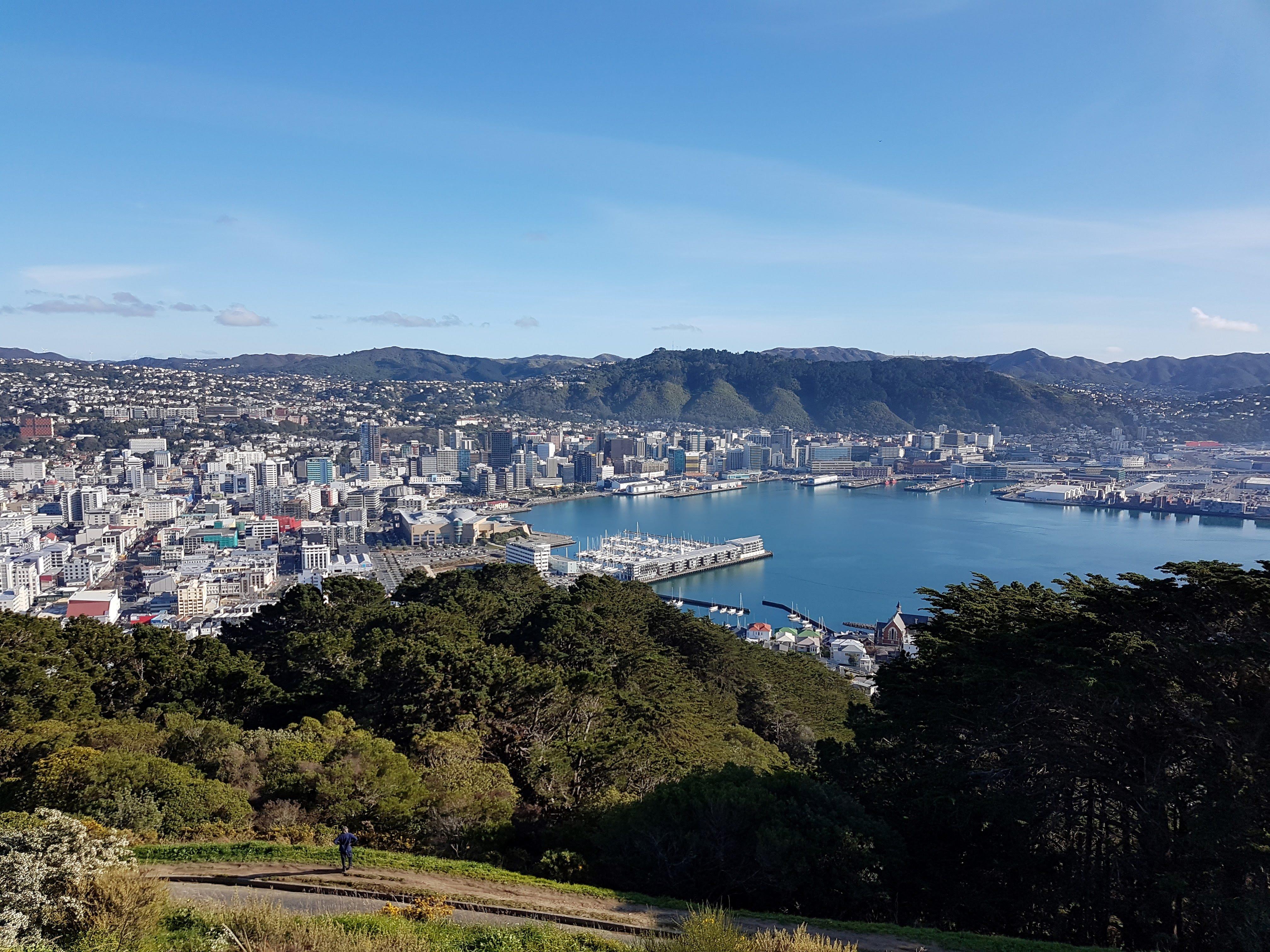


Wellington is New Zealand’s capital city, known for Te Papa Tongarewa, the Wellington Cable Car, Zealandia, Wētā Workshop, its waterfront and vibrant food and coffee scene. Allow two to three days to explore the city, or longer if adding day trips. Wellington can be visited year-round and is reached by air, road or rail, with Cook Strait ferries connecting the city with Picton and the South Island.
Best Things to Do in Wellington
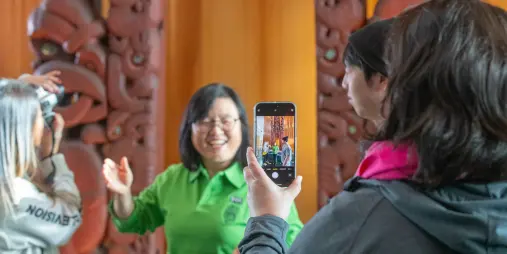
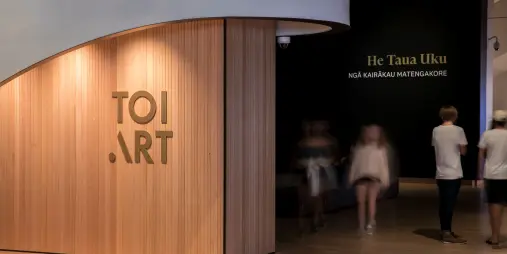
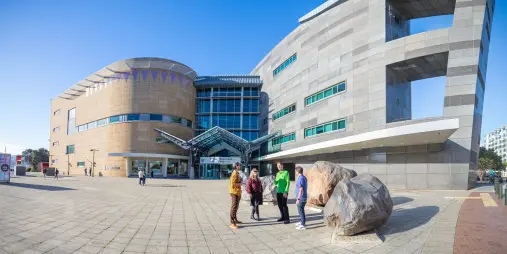
Wellington packs culture, nature, food and some of New Zealand’s best-known attractions into a compact harbour city. Start at Te Papa Tongarewa, the Museum of New Zealand, on the waterfront, where interactive exhibitions explore the country’s Māori culture, natural environment, history and art. The museum is one of Wellington’s major attractions and can easily occupy several hours.
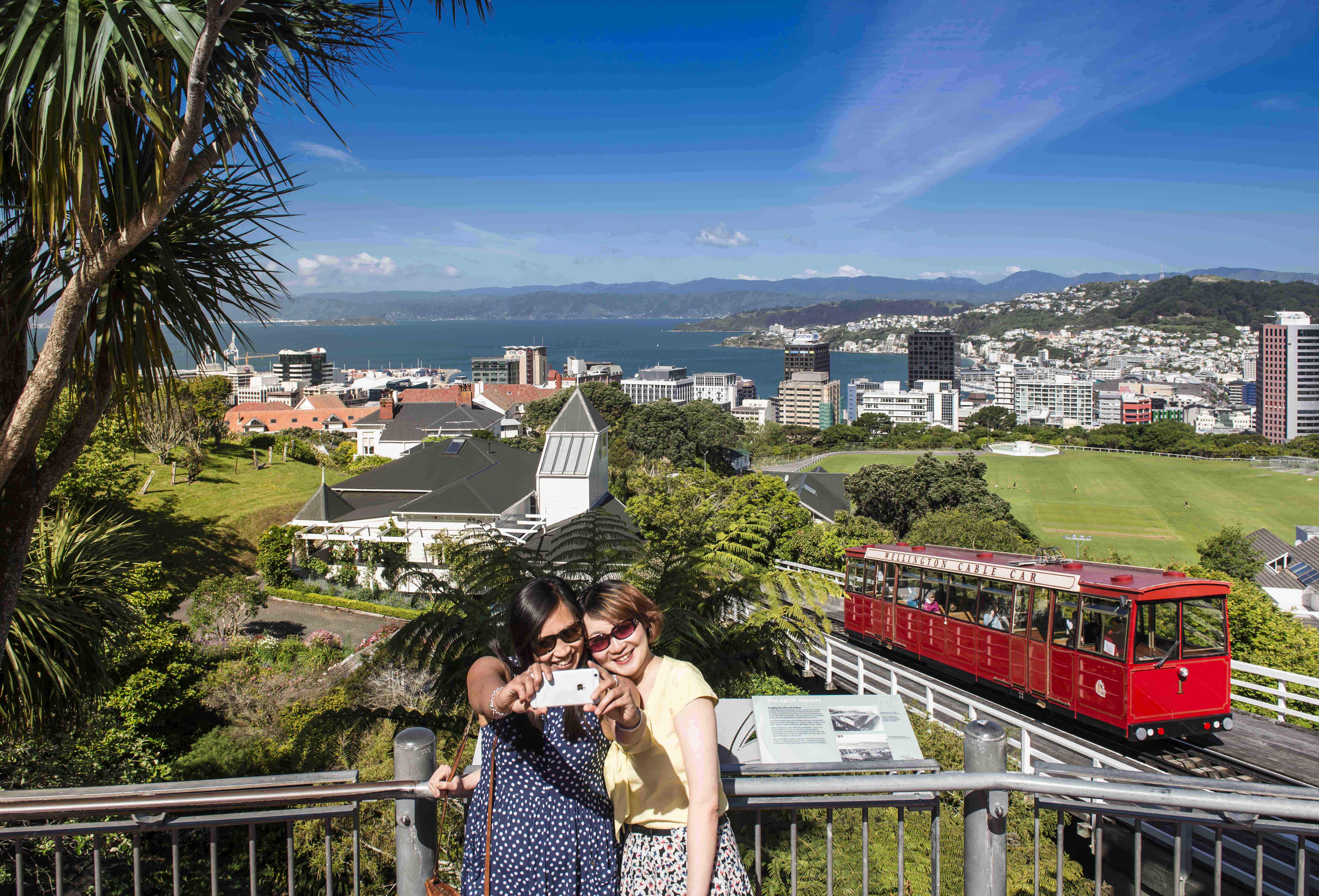
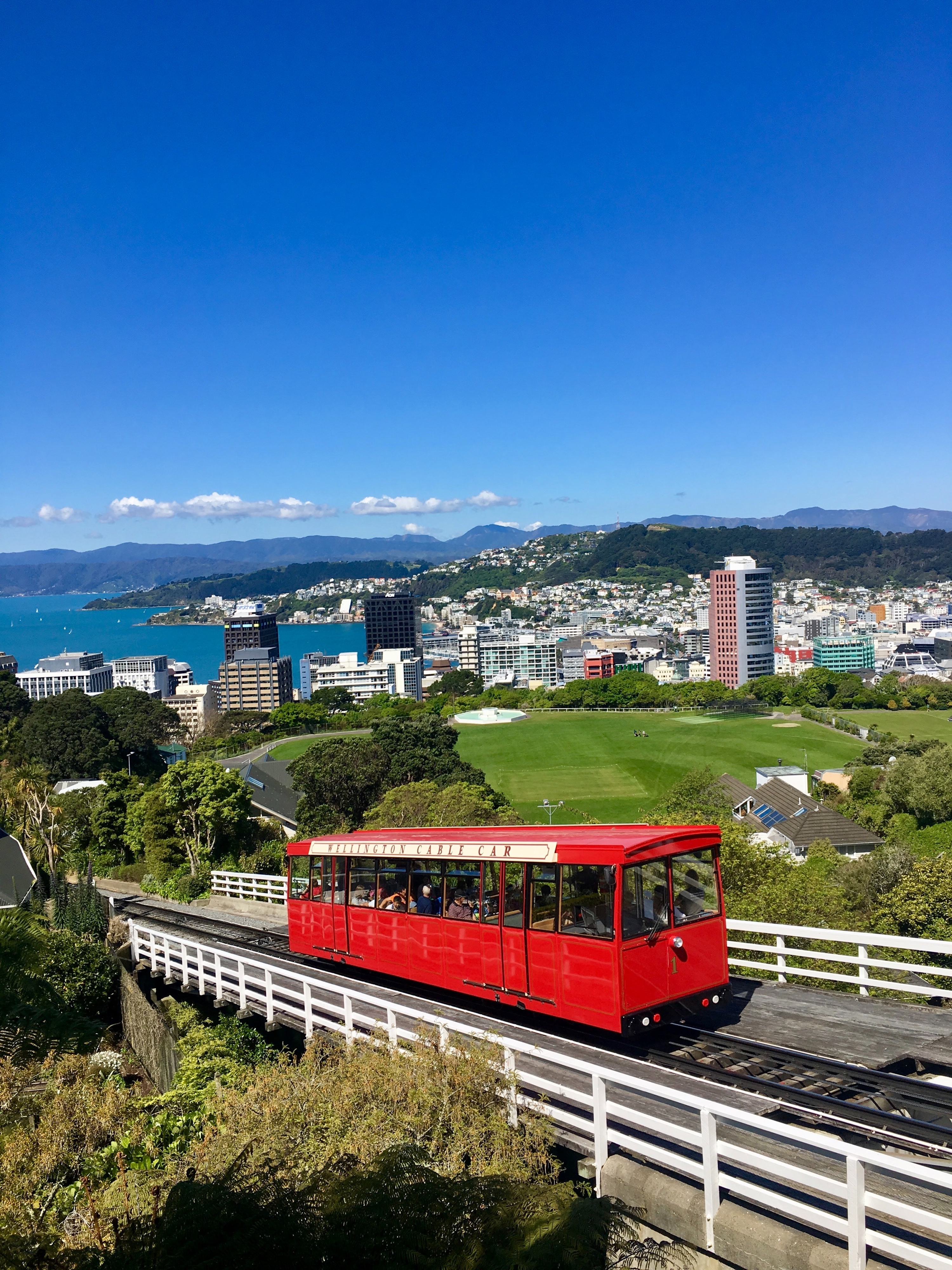
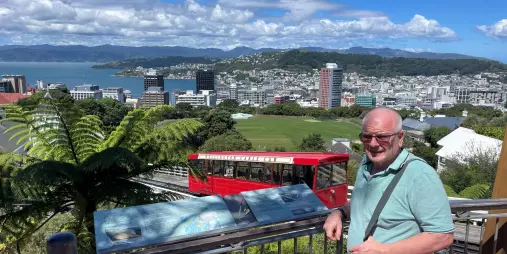
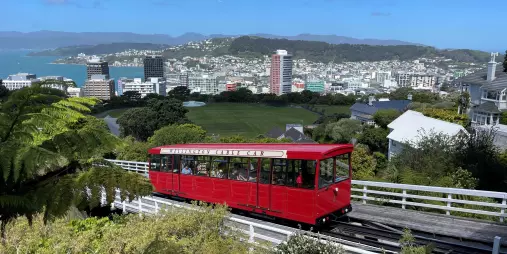
Another Wellington icon is the Wellington Cable Car, which travels from Lambton Quay up to Kelburn. At the top, visitors can take in views across the city and harbour before exploring the Wellington Botanic Garden or continuing towards Zealandia.
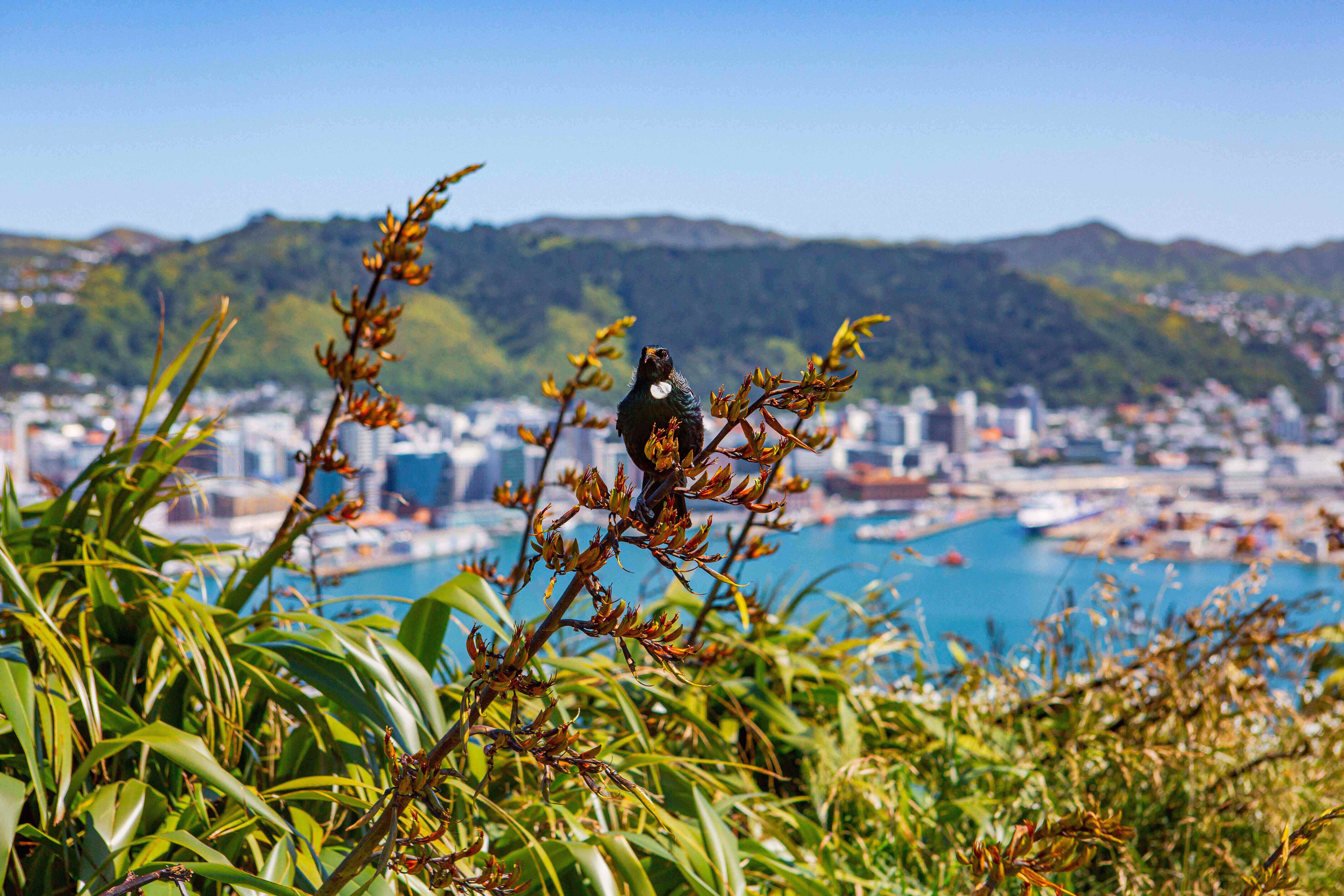
For native wildlife, Zealandia Te Māra a Tāne provides the opportunity to experience regenerating native forest and encounter some of New Zealand’s native birds and wildlife close to the city centre. Guided daytime and evening tours offer different ways to explore the sanctuary.
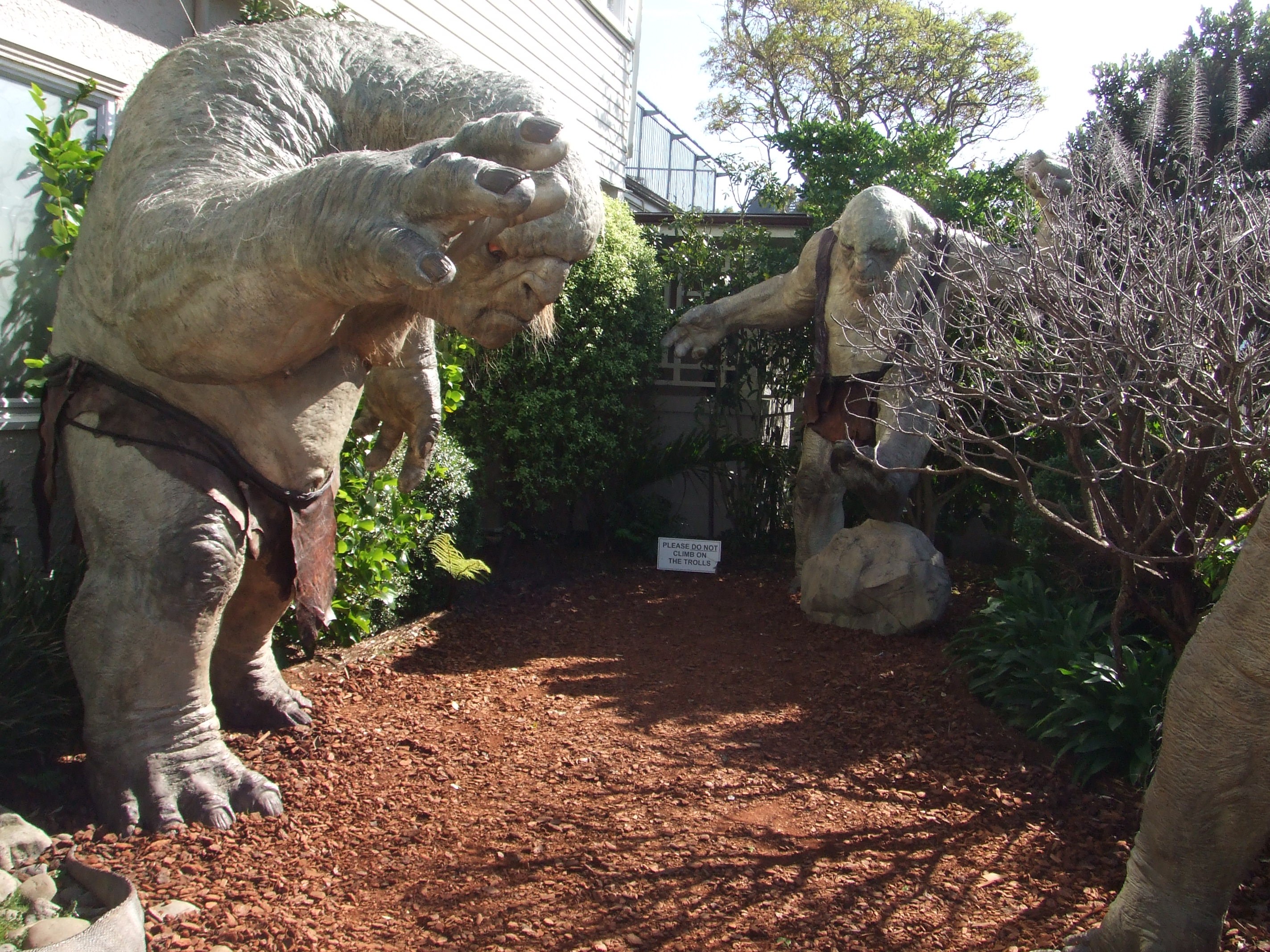
Film fans can head to Wētā Workshop in Miramar to discover the creative work behind films including The Lord of the Rings and The Hobbit. Guided experiences provide a closer look at props, costumes, creatures and practical effects.
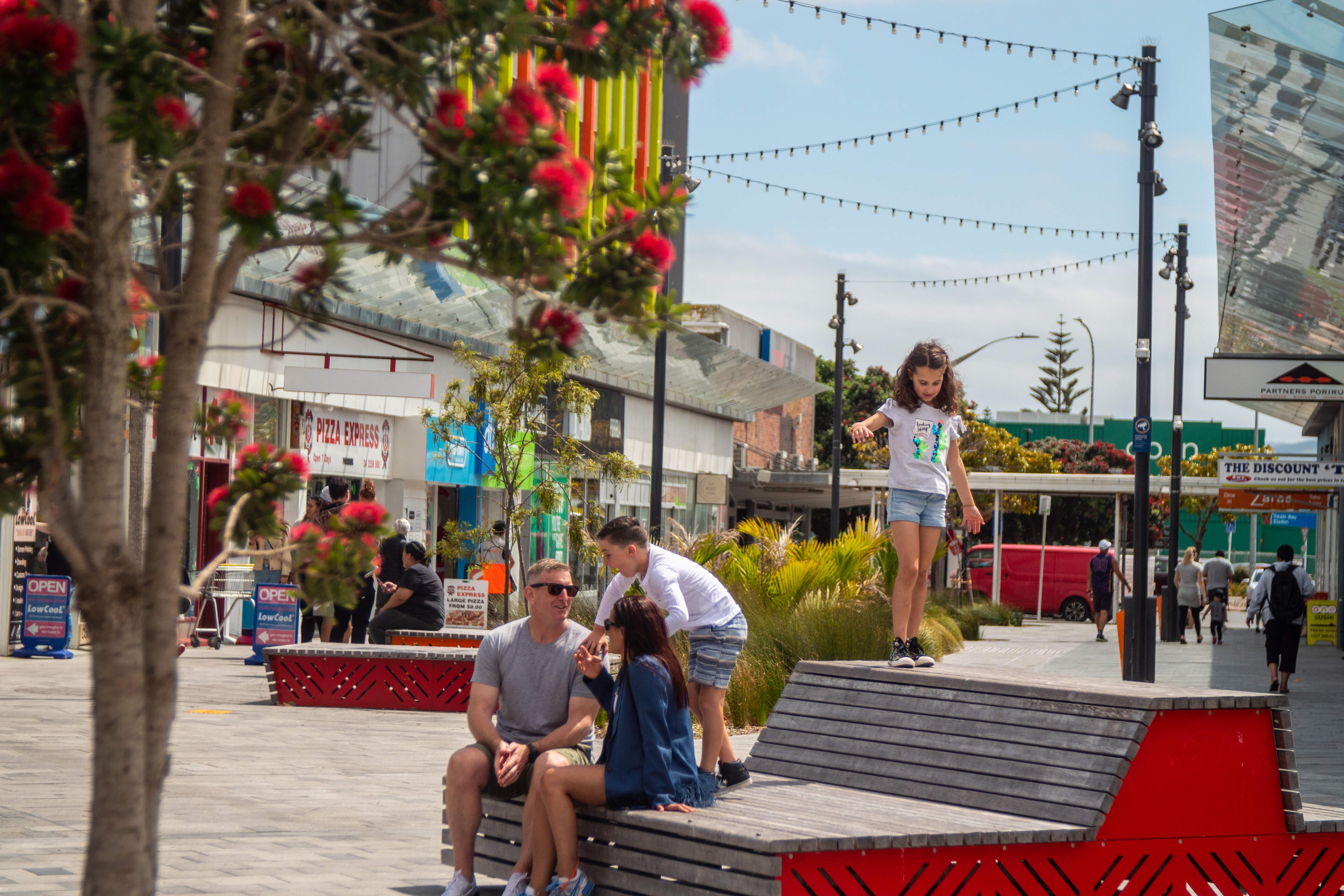
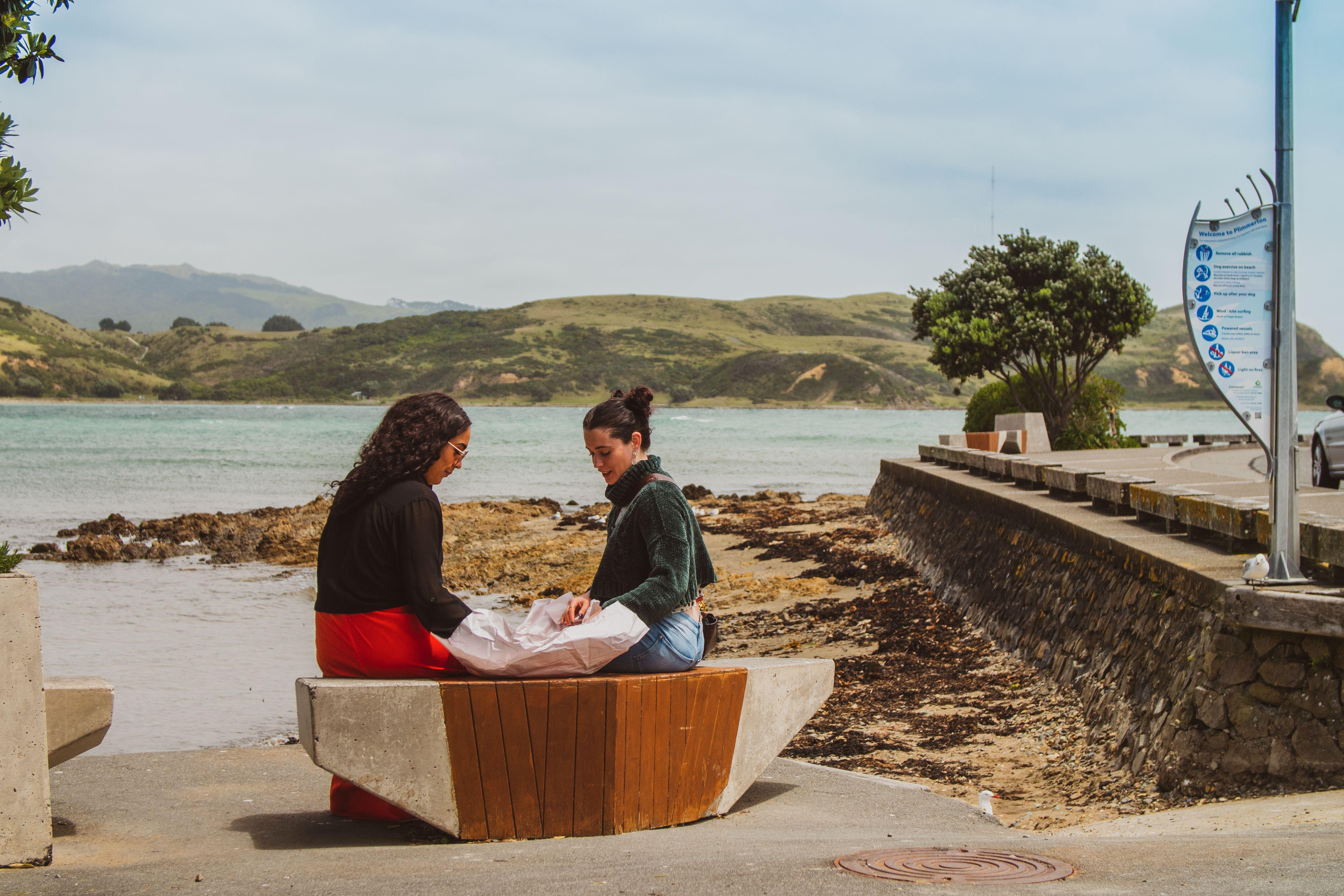
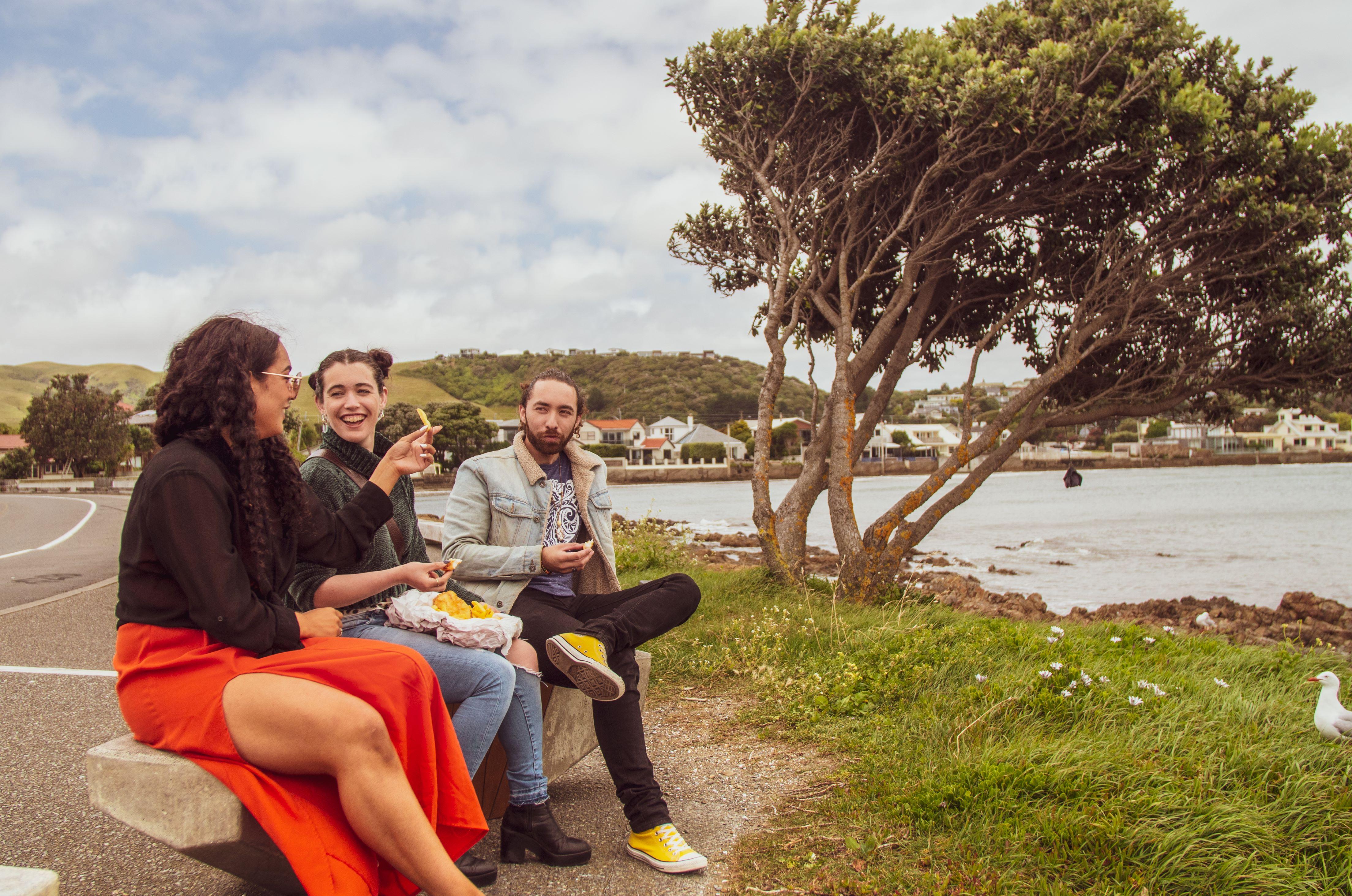
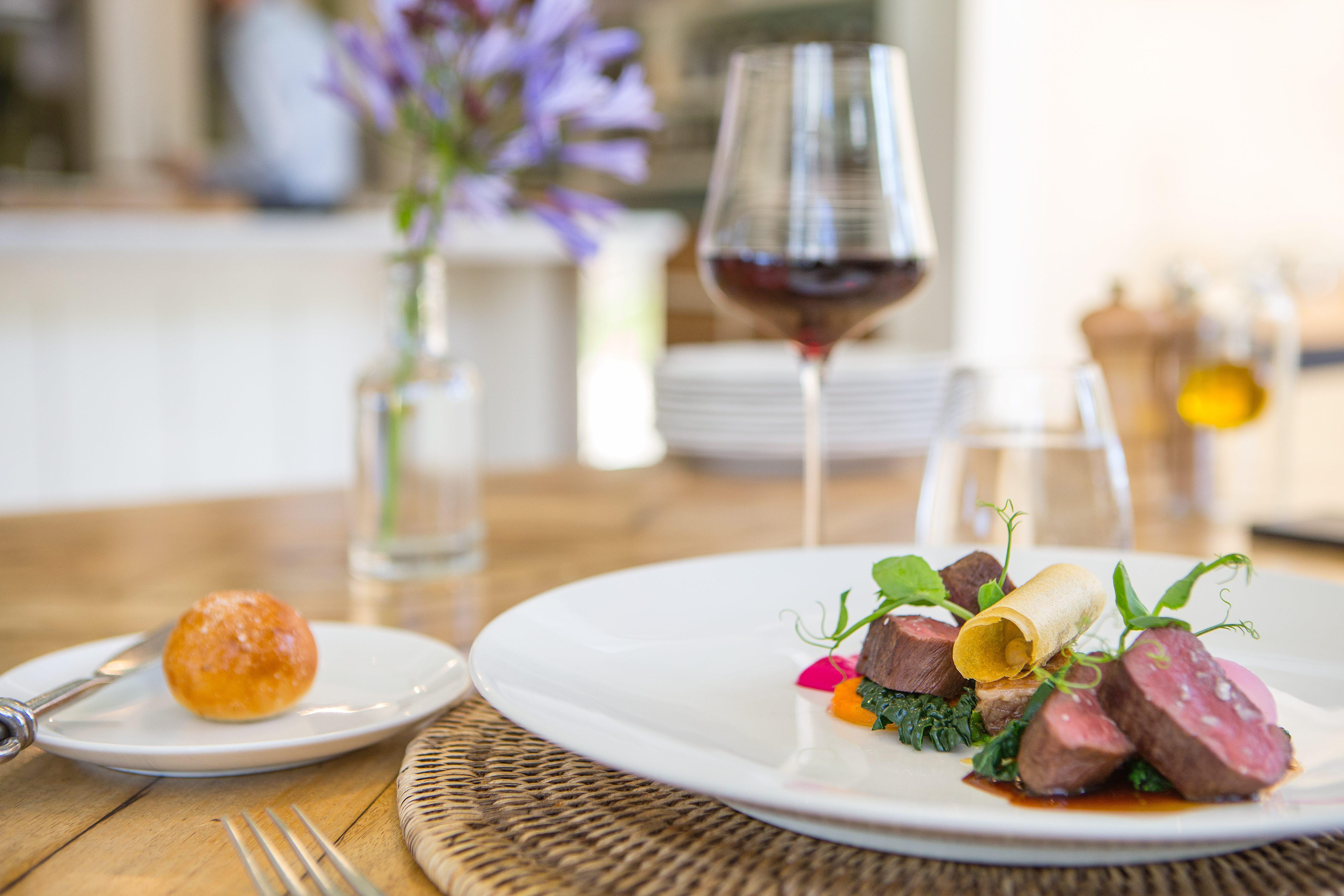
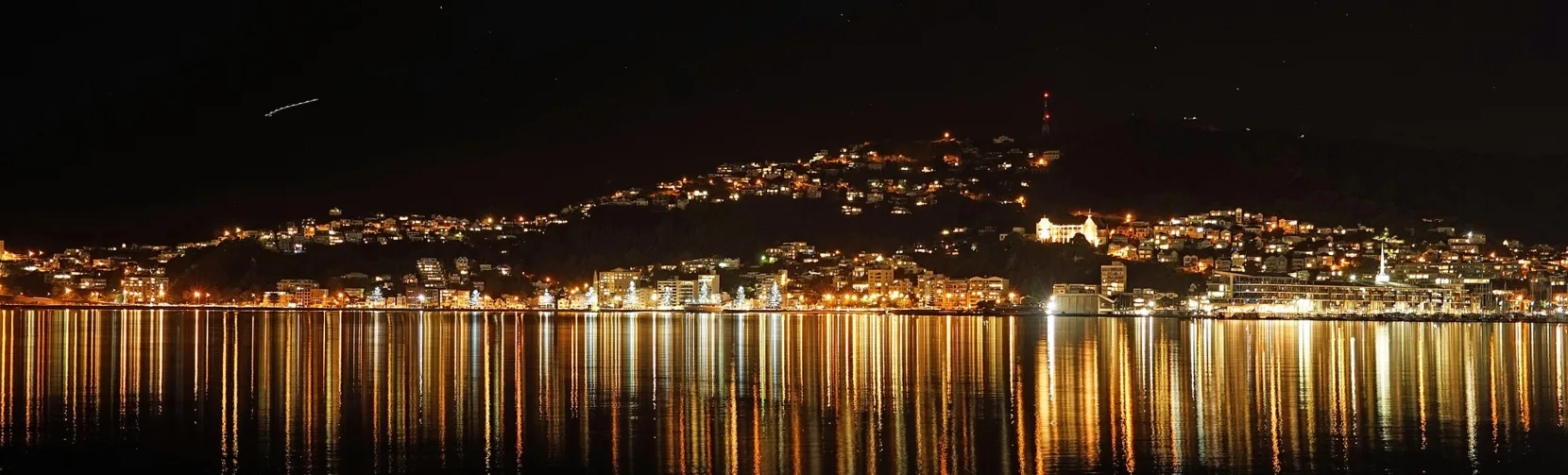
Wellington’s compact centre is also well suited to exploring on foot. Walk along the waterfront, visit Cuba Street for cafés, restaurants and independent shops, or head to Mount Victoria for panoramic views over the city and harbour. Wellington’s food scene is another reason to spend time in the city, with everything from coffee and craft beer to restaurants showcasing New Zealand produce.
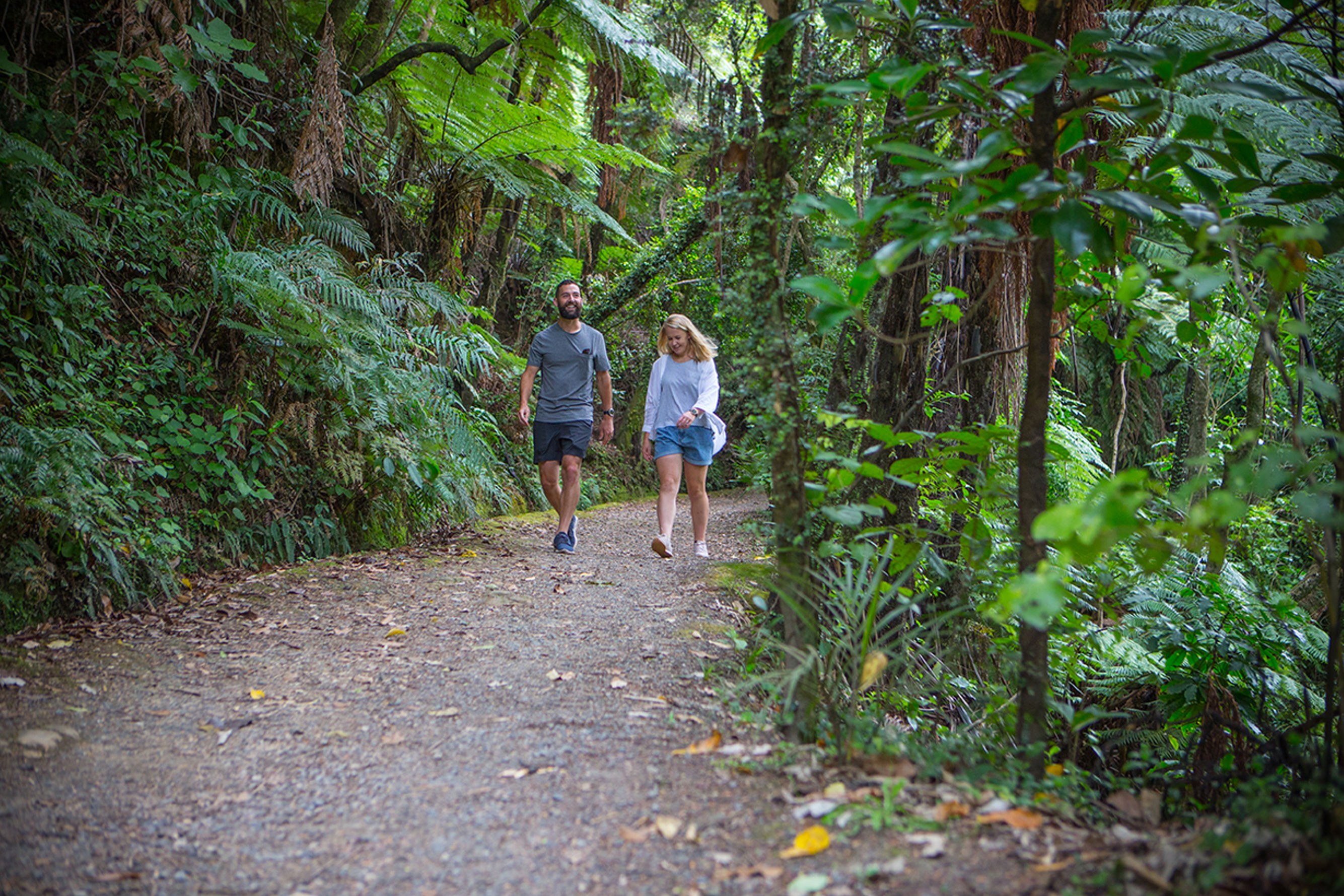
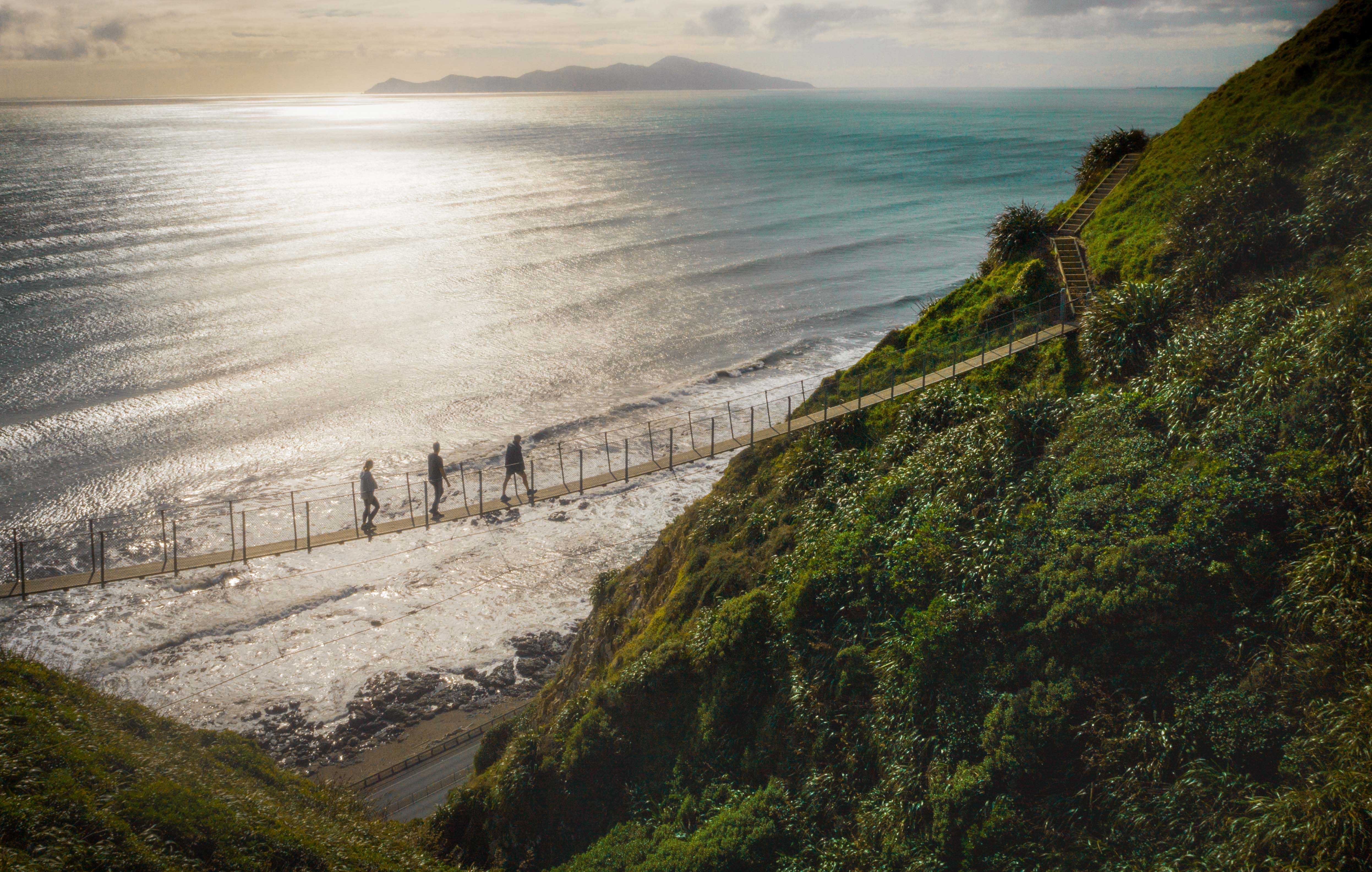
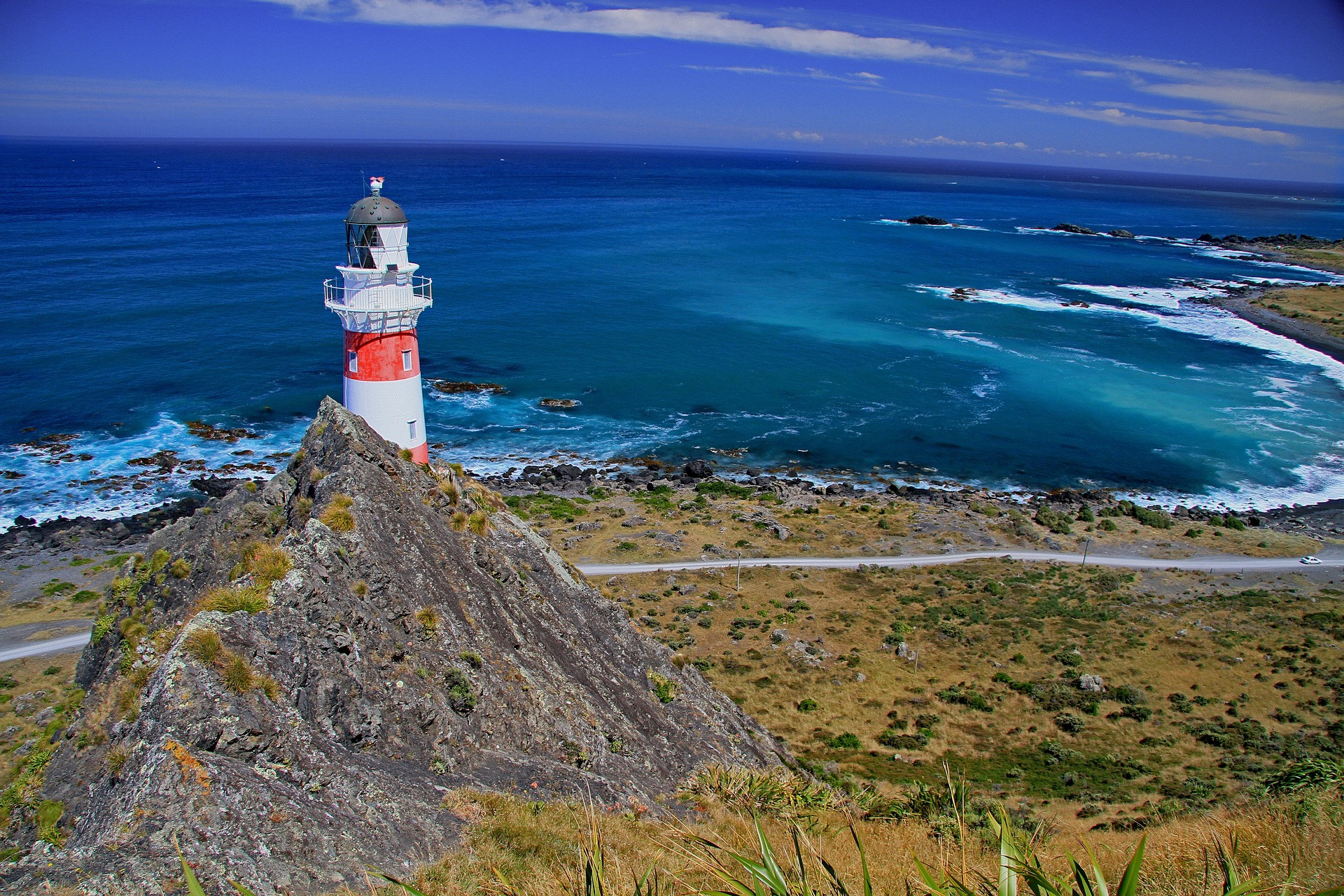
Beyond the central city, beaches, coastal walks and nearby reserves make it easy to combine urban sightseeing with time outdoors.
Top Things to Do in Wellington
- Visit Te Papa Tongarewa
- Ride the Wellington Cable Car
- Explore Zealandia Te Māra a Tāne
- Tour Wētā Workshop
- Walk Wellington's waterfront
- Explore Cuba Street and the city's food and coffee scene
- Take in the views from Mount Victoria
- Visit the Wellington Botanic Garden
- Discover Parliament and the Beehive
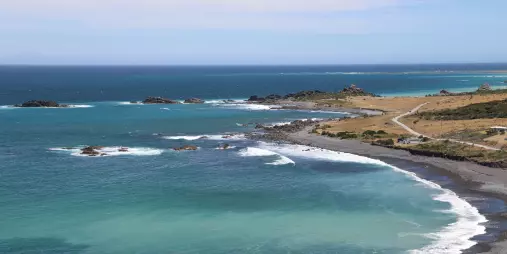
- Explore the harbour and nearby coastline
Best Time to Visit Wellington
Wellington is a year-round city destination, with museums, galleries, food, film and cultural attractions providing plenty to do regardless of the weather. Summer brings longer days for waterfront and outdoor activities, autumn often offers settled conditions, winter suits indoor attractions and events, while spring brings longer days and gardens into bloom.
| Season | What to Expect | Good things to do |
|---|---|---|
| Summer (Dec-Feb) | 13–21°C, mild to warm with longer, sunnier days | Beaches, waterfront and coastal walks, harbour activities, outdoor dining and day trips to nearby wine country |
| Autumn (Mar-May) | 10–18°C, mild to cool with often calmer days | Walking, cycling, gardens, wineries, waterfront exploring and regional day trips |
| Winter (Jun-Aug) | 6–12°C, cool with more rain and occasional strong winds | Museums, galleries, food and coffee, wineries and coastal walks on clear days |
| Spring (Sep-Nov) | 8–16°C, cool to mild with changeable conditions | Gardens, walking, cycling, wildlife, coastal exploring and warmer days at the beach |
Best Day Trips from Wellington
Wellington makes a convenient base for exploring the lower North Island, with wine country, native wildlife, beaches, cycling trails and rural landscapes all within reach of the city.
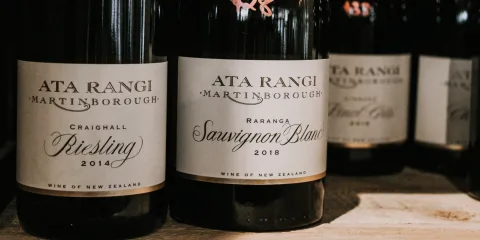
For wine and food, Martinborough and the Wairarapa are among the most popular day-trip options. Martinborough is known for its compact wine village and surrounding vineyards, with cellar-door tastings, vineyard dining and local produce making it easy to spend a full day in the region. Guided wine tours are a convenient option for visitors who prefer not to drive.
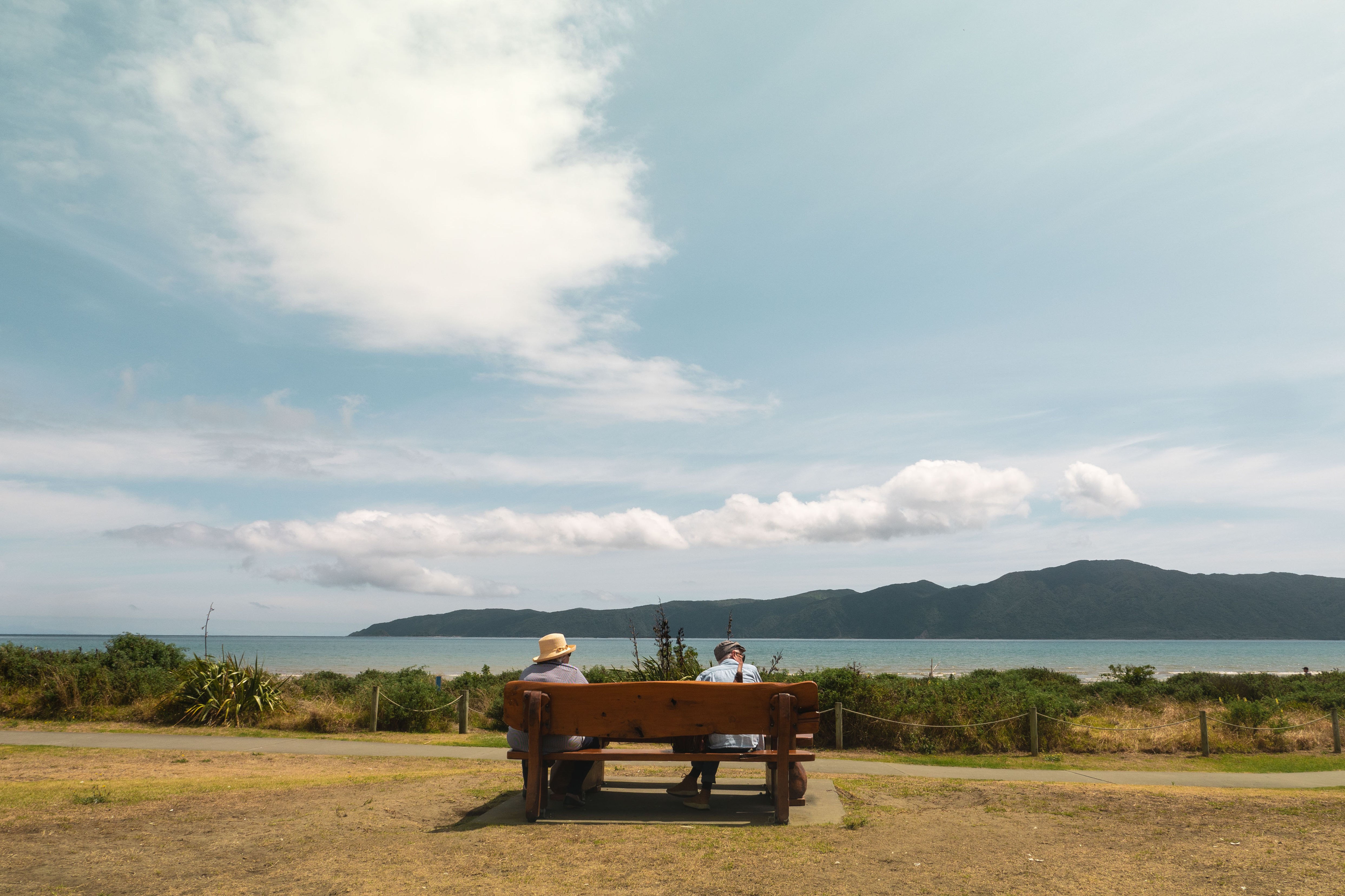
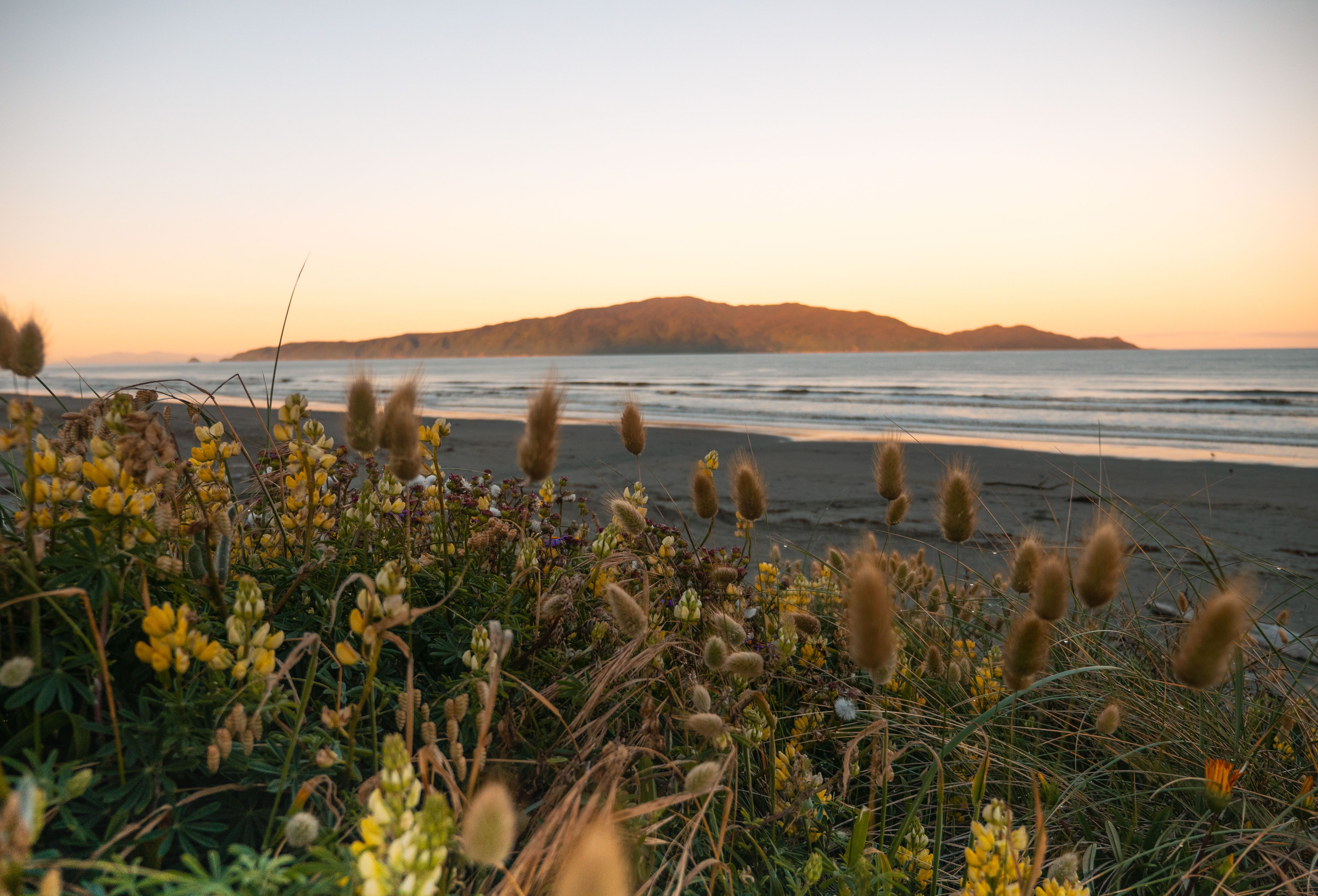
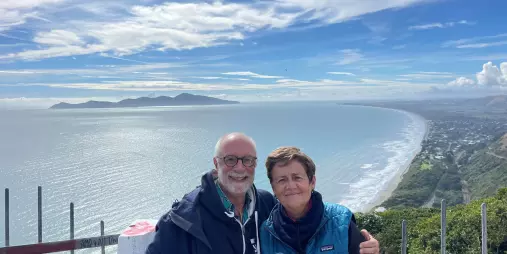
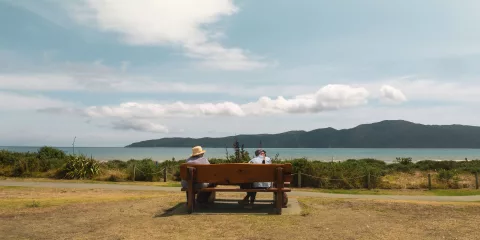
Nature lovers can travel north towards the Kāpiti Coast, where beaches, coastal towns and views towards Kāpiti Island provide a contrast to central Wellington. Kāpiti Island itself is a protected nature reserve and an excellent option for travellers interested in native birds, conservation and walking.
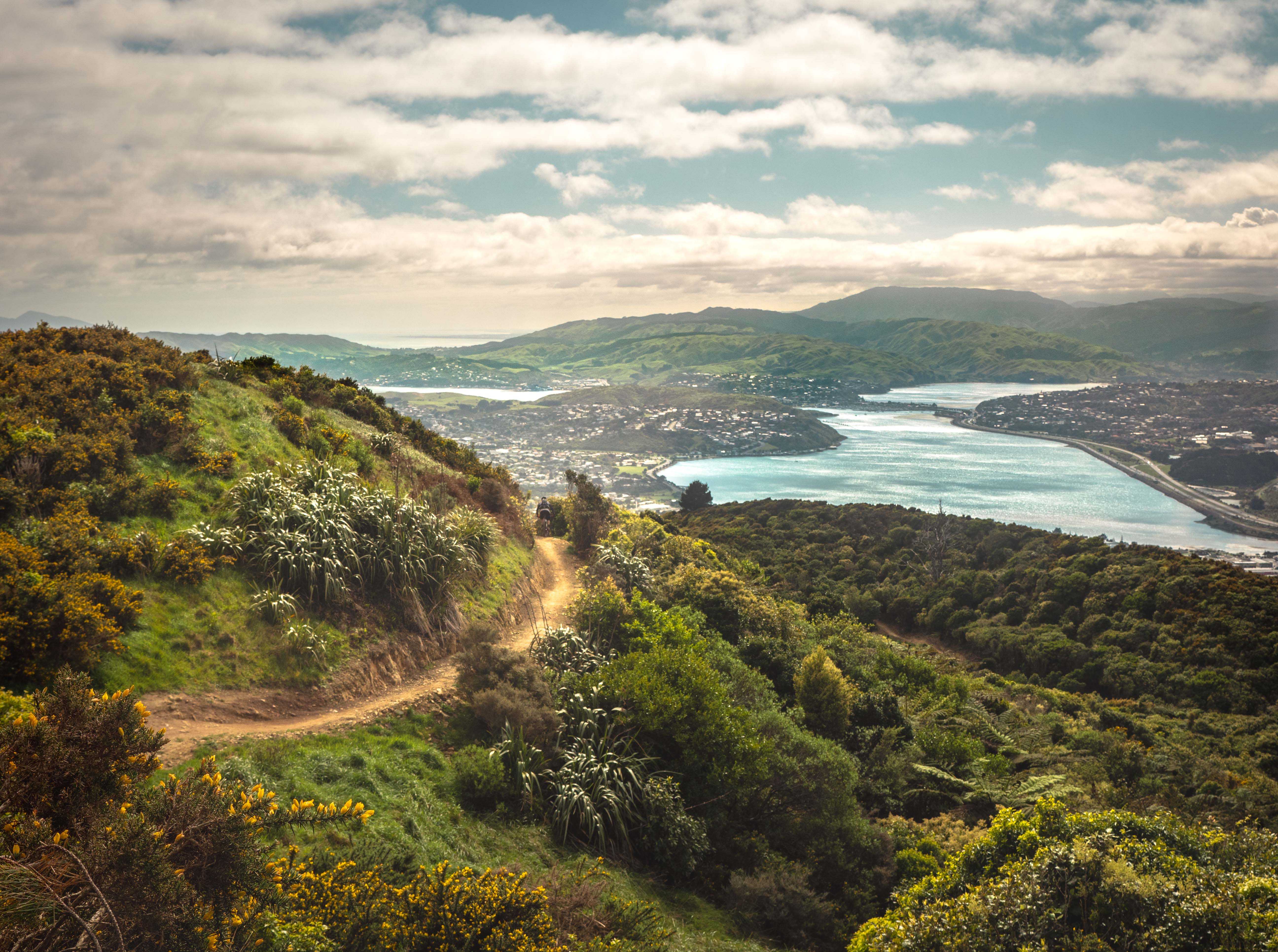
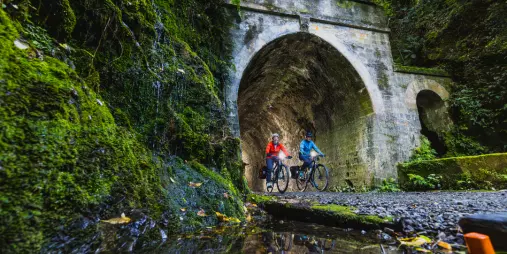
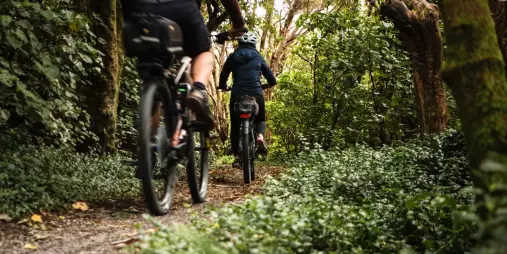
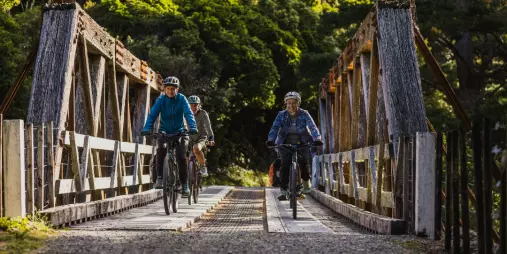
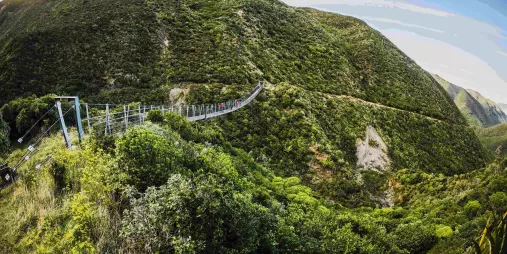
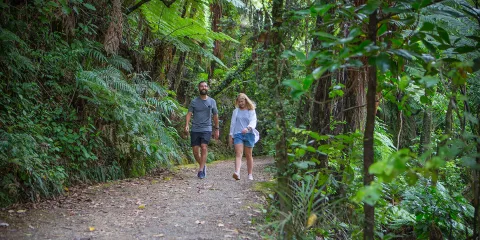
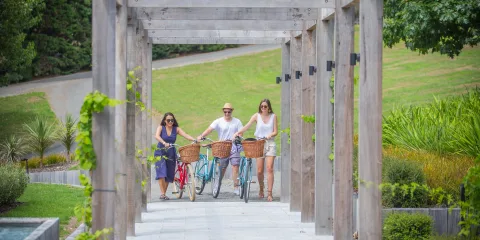
For something more active, sections of the Remutaka Cycle Trail can be explored as a day trip from Wellington. The historic Remutaka Rail Trail follows a former railway route through native bush, tunnels and mountain landscapes and is suitable for visitors wanting to add cycling to their Wellington stay.
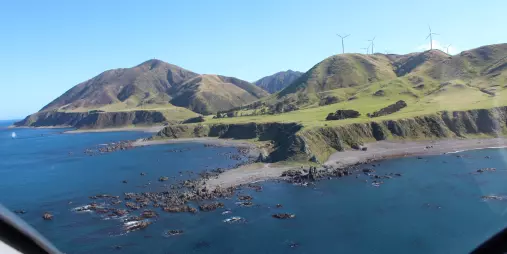
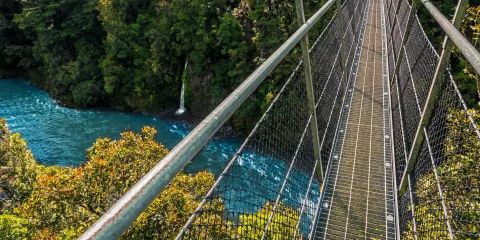
The Hutt Valley provides another easy escape from the city, with walking and cycling trails, river landscapes and regional parks. Travellers with more time can also explore further into the Wairarapa for small towns, rural scenery and the dramatic coastline around Palliser Bay.
Planning Your Visit to Wellington
Two to three days is a good amount of time for a first visit to Wellington. This allows time for Te Papa, the Cable Car, Zealandia, Wētā Workshop, the waterfront and central city without having to fit everything into one day. Add another day if you want to visit Martinborough, Kāpiti Island or explore further into the Wellington Region.
Wellington Airport is close to the central city, while road and rail connections link the capital with destinations throughout the lower North Island. Many central attractions can be reached on foot, with buses and trains providing connections to outer suburbs and the wider region.
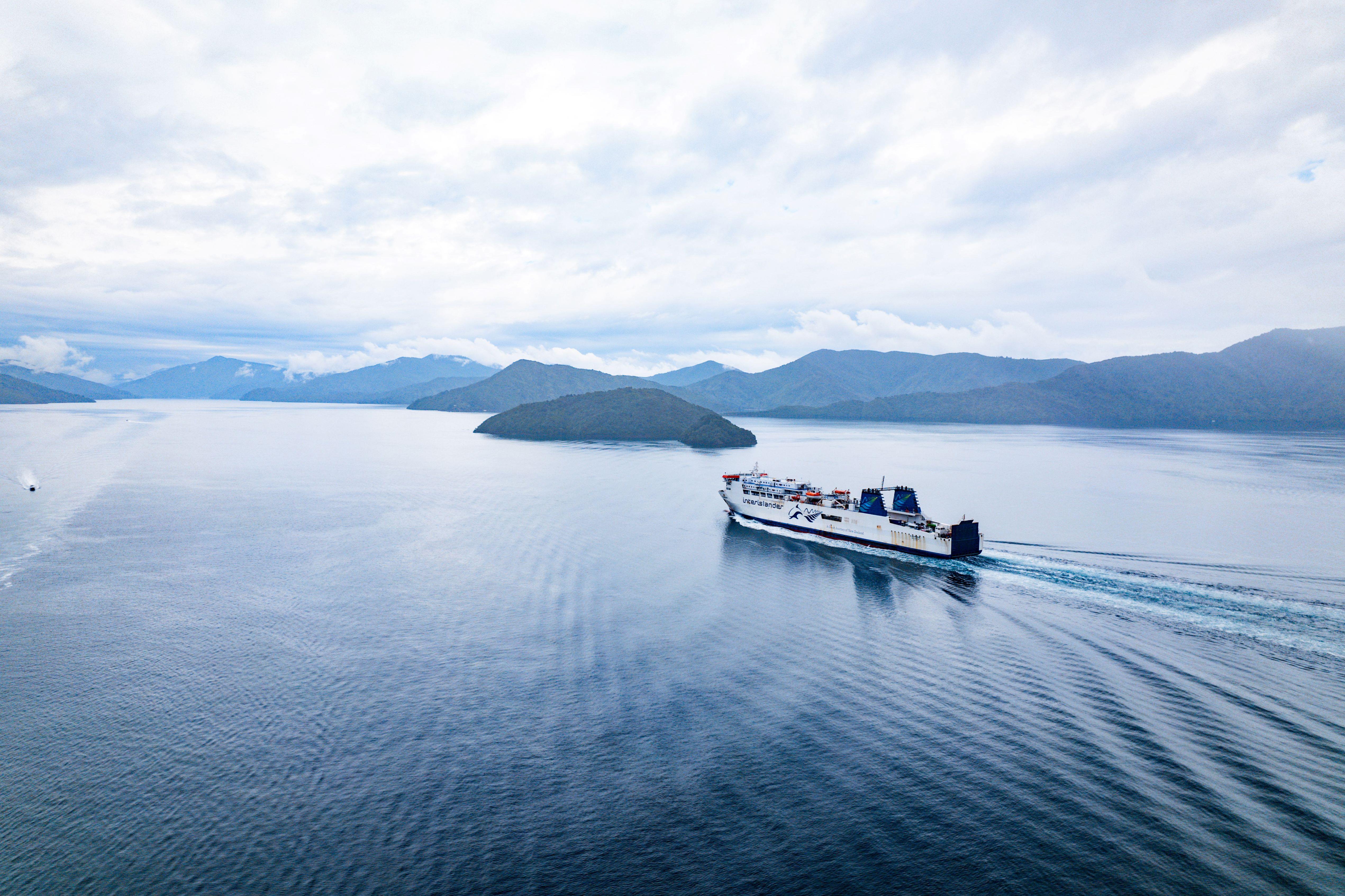
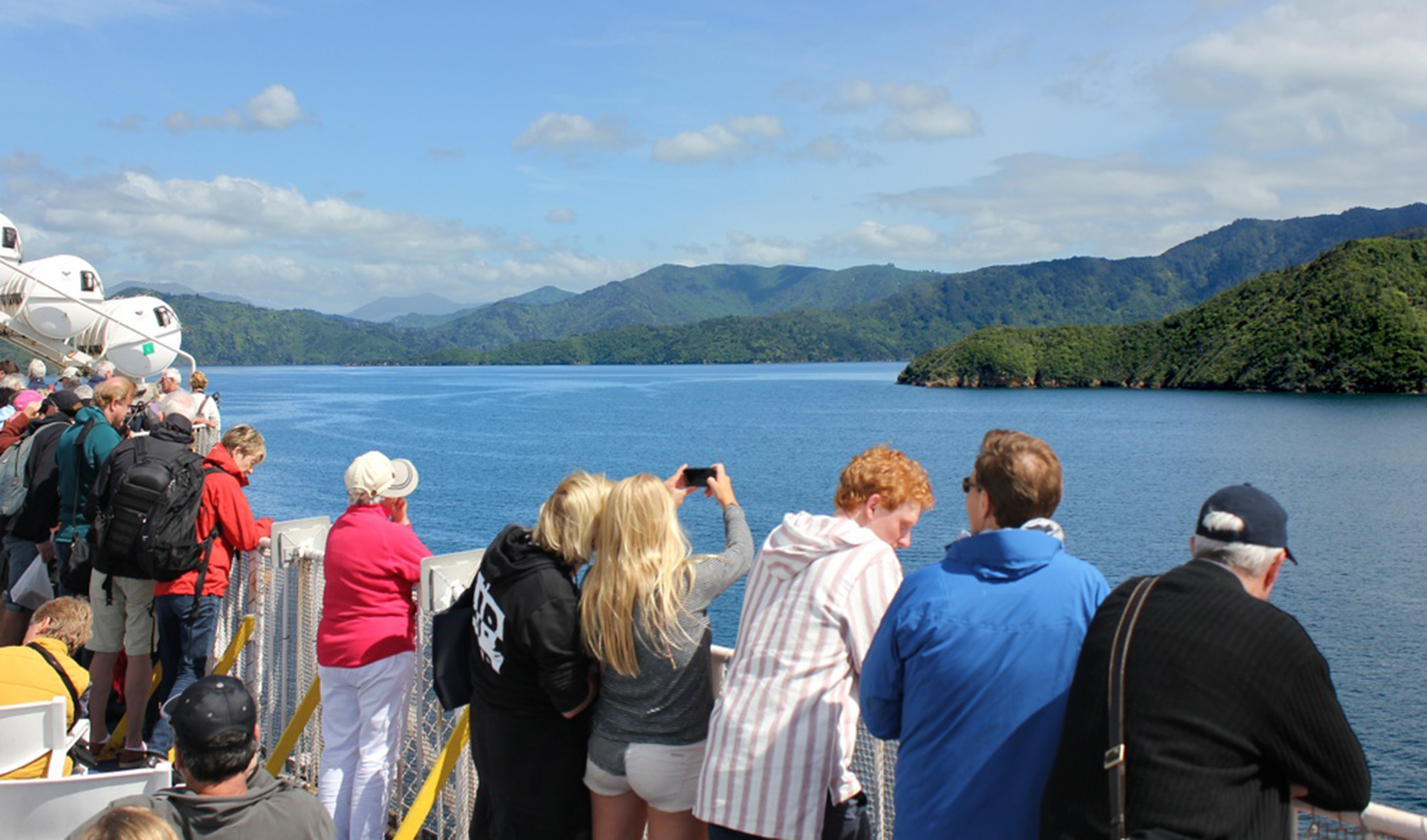
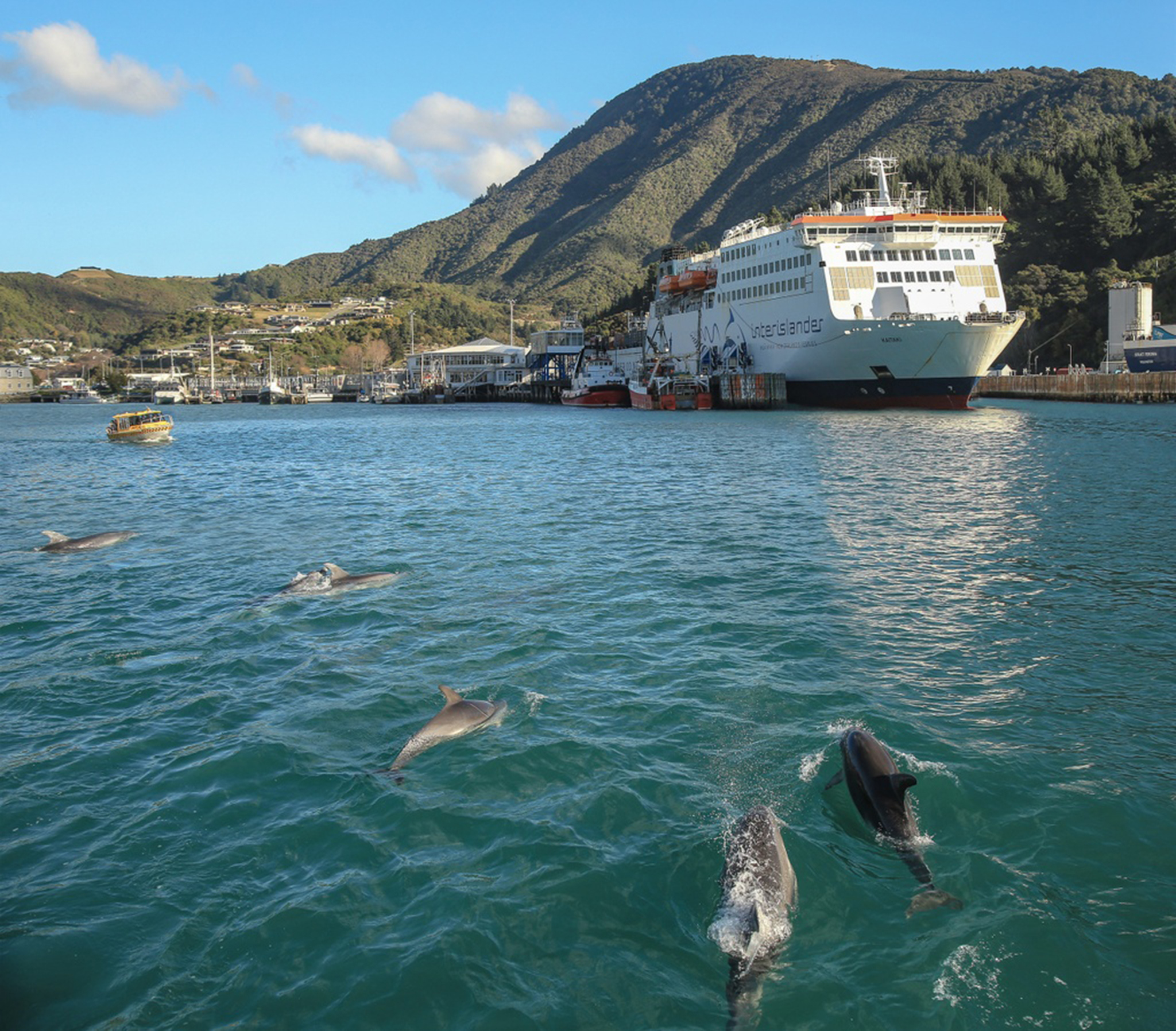
Wellington is also the main North Island departure point for Cook Strait ferry services to Picton, making the city a natural stop for those combining the North and South Islands. From Picton, you can continue into Marlborough and Nelson Tasman or head south towards Kaikōura and Christchurch.
Wellington also sits at the heart of the Classic New Zealand Wine Trail, a touring route connecting three of the country’s major wine regions: Hawke’s Bay, Wairarapa and Marlborough. The route travels from Hawke’s Bay through Martinborough and Wellington before crossing Cook Strait towards Marlborough, combining wine regions and vineyard dining with Wellington’s restaurants, cafés and cultural attractions.
For those travelling north, Wellington also connects naturally with Tongariro National Park, Taupō and Rotorua. Self-drive, coach and rail itineraries provide different ways to incorporate the capital into a longer North Island holiday.