

Christchurch is the South Island’s largest city, known for the Christchurch Botanic Gardens, Ōtākaro Avon River and Christchurch Gondola. Allow two to three days to explore the city and nearby Canterbury attractions. Spring and summer are ideal for gardens and outdoor sightseeing, although Christchurch is a year-round destination. Arrive via Christchurch International Airport or nearby Lyttelton cruise port, then explore by self-drive, coach tour or scenic rail journey.
Best Things to Do in Christchurch
Christchurch blends natural beauty with an evolving urban centre, offering gardens, riverfront sightseeing, heritage attractions, contemporary art and easy access to panoramic viewpoints. Many of the city’s best-known sights are concentrated around the CBD, making Christchurch easy to explore on foot, by tram or by bike.
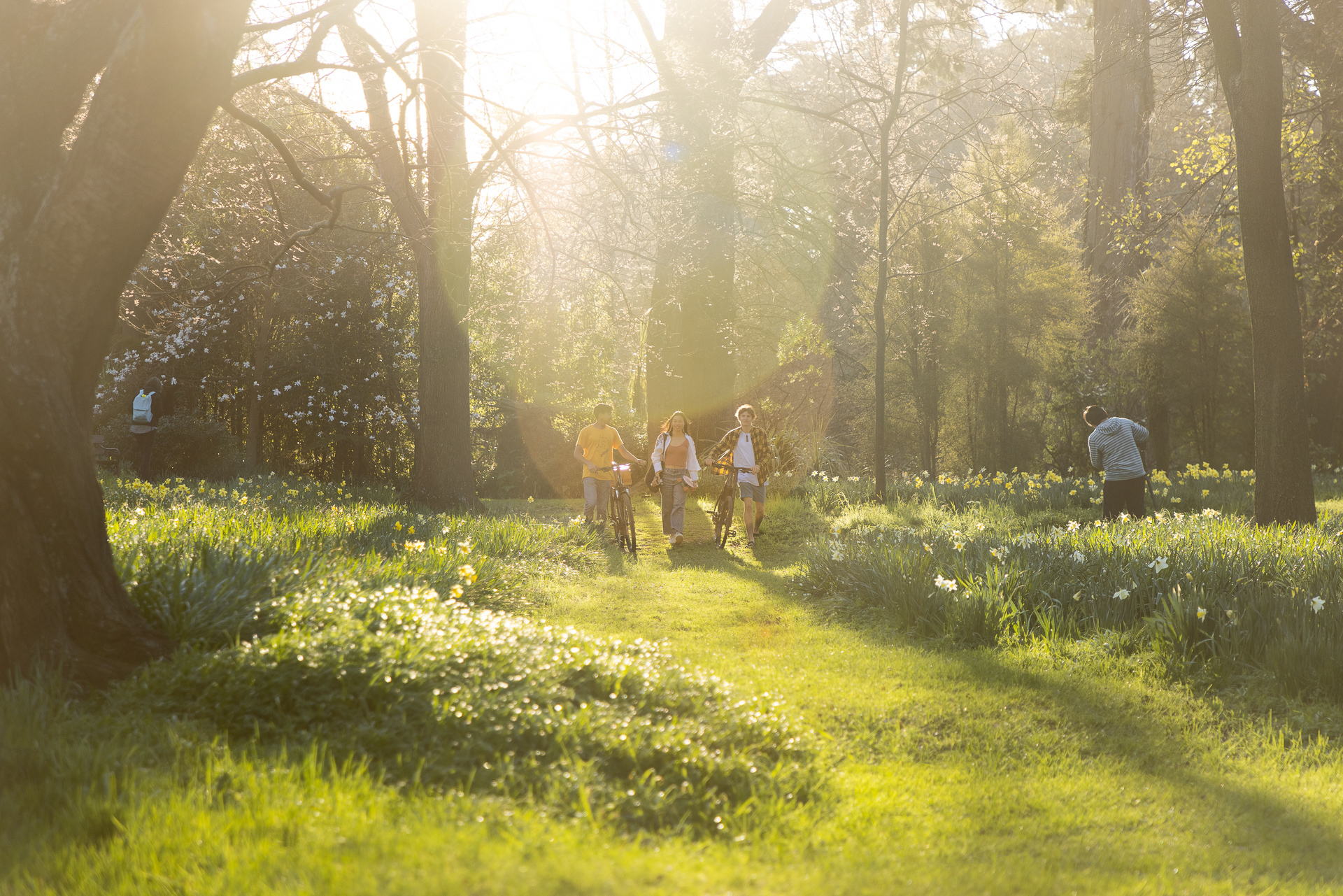
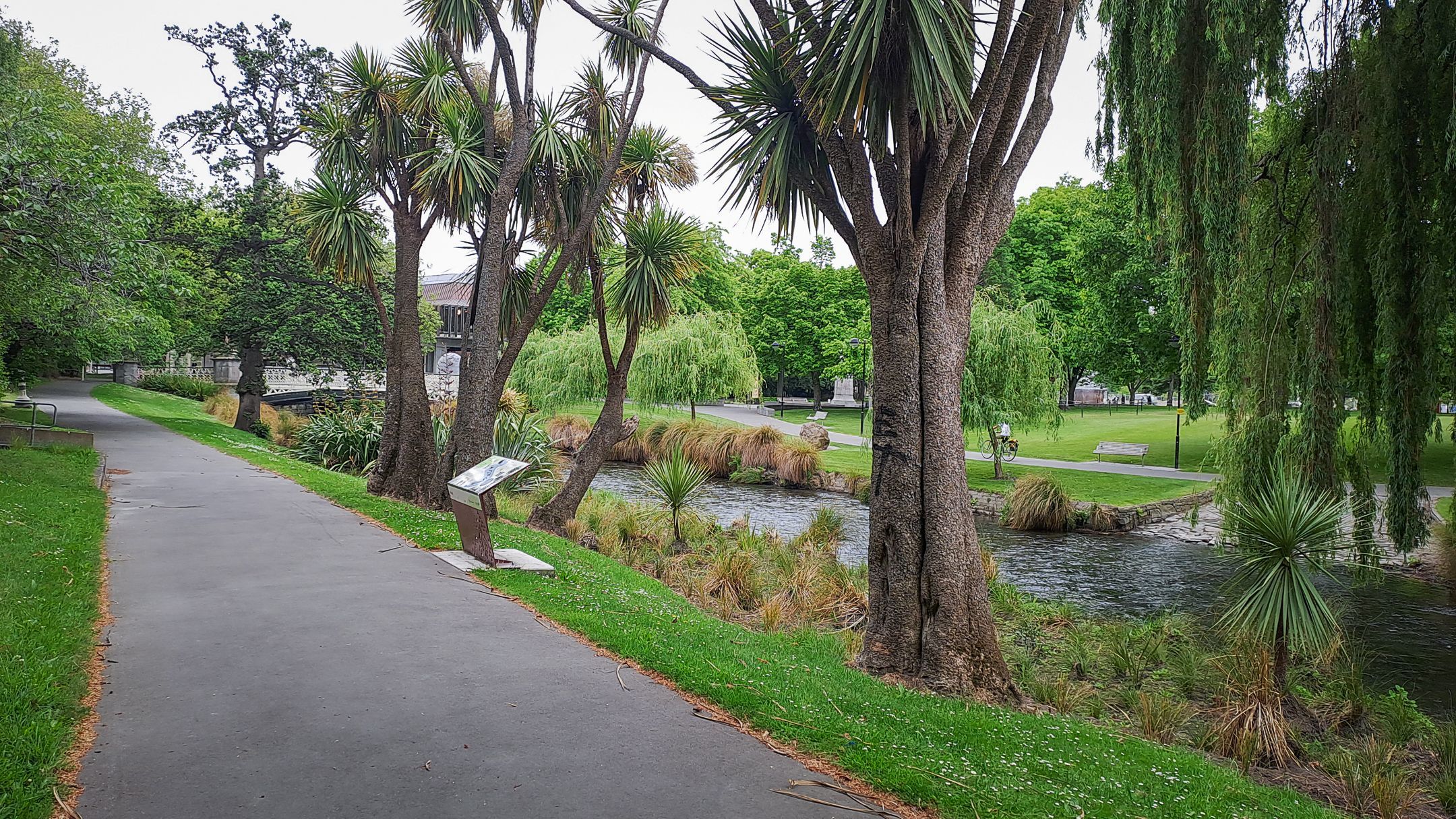
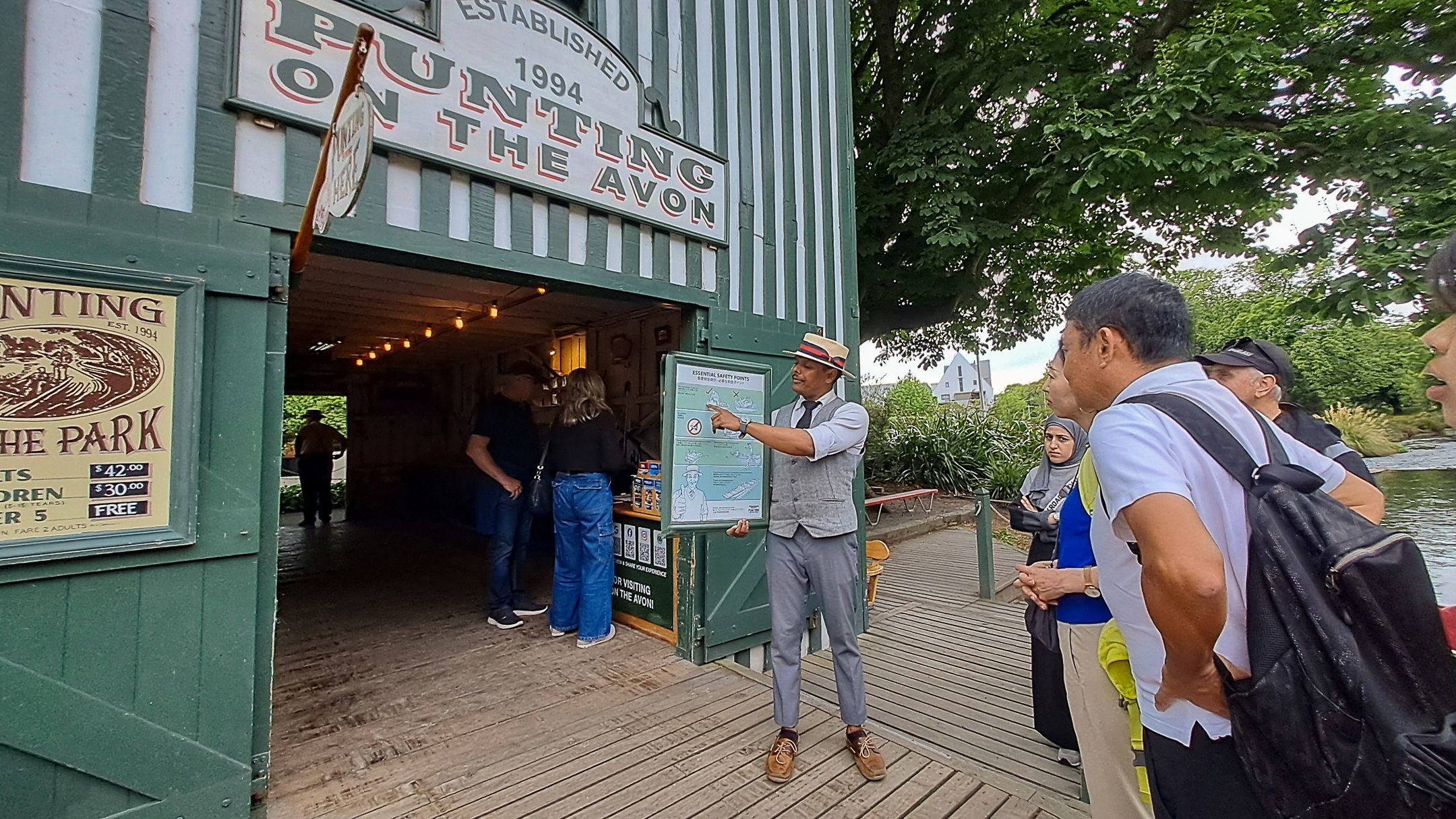
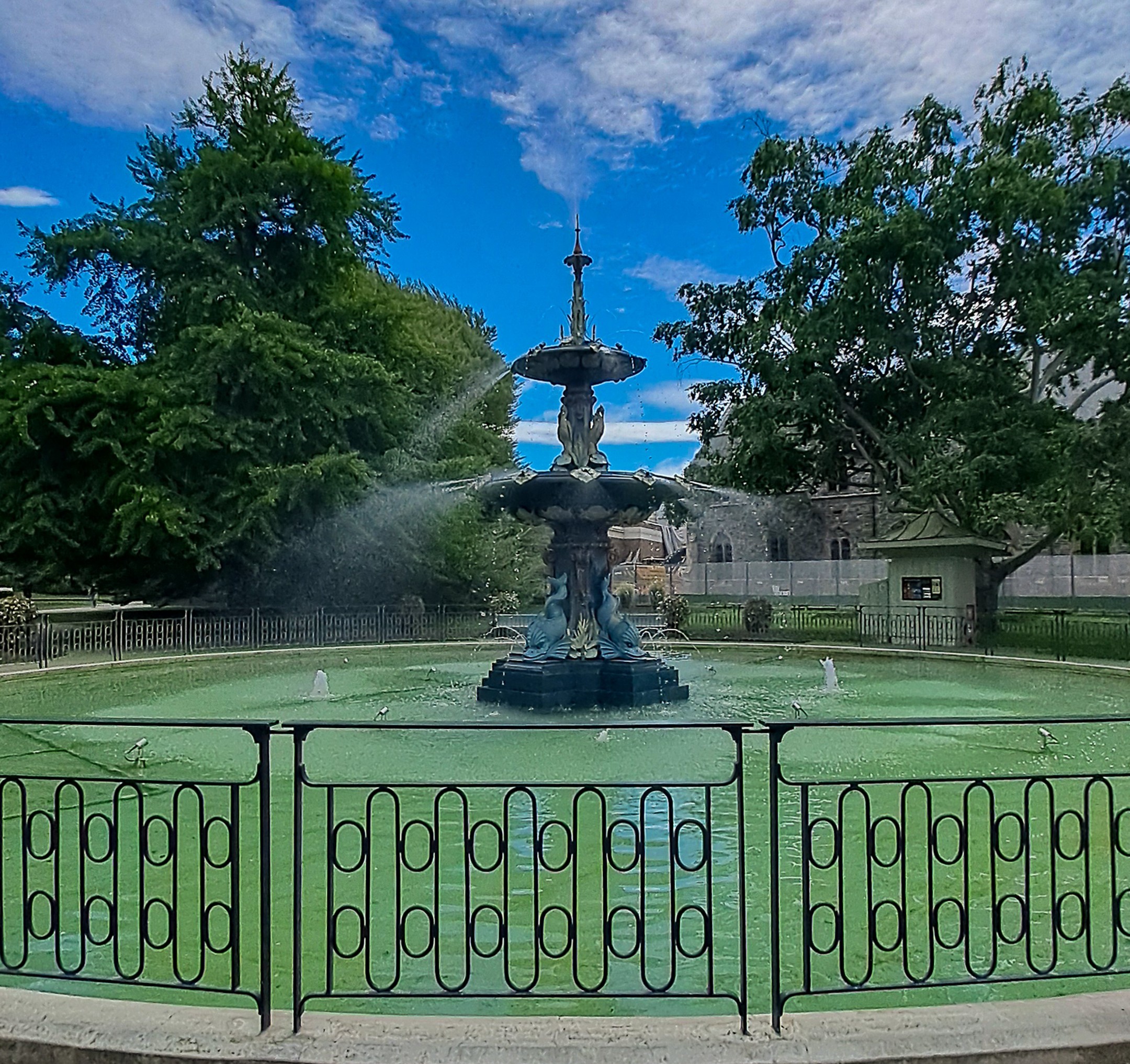
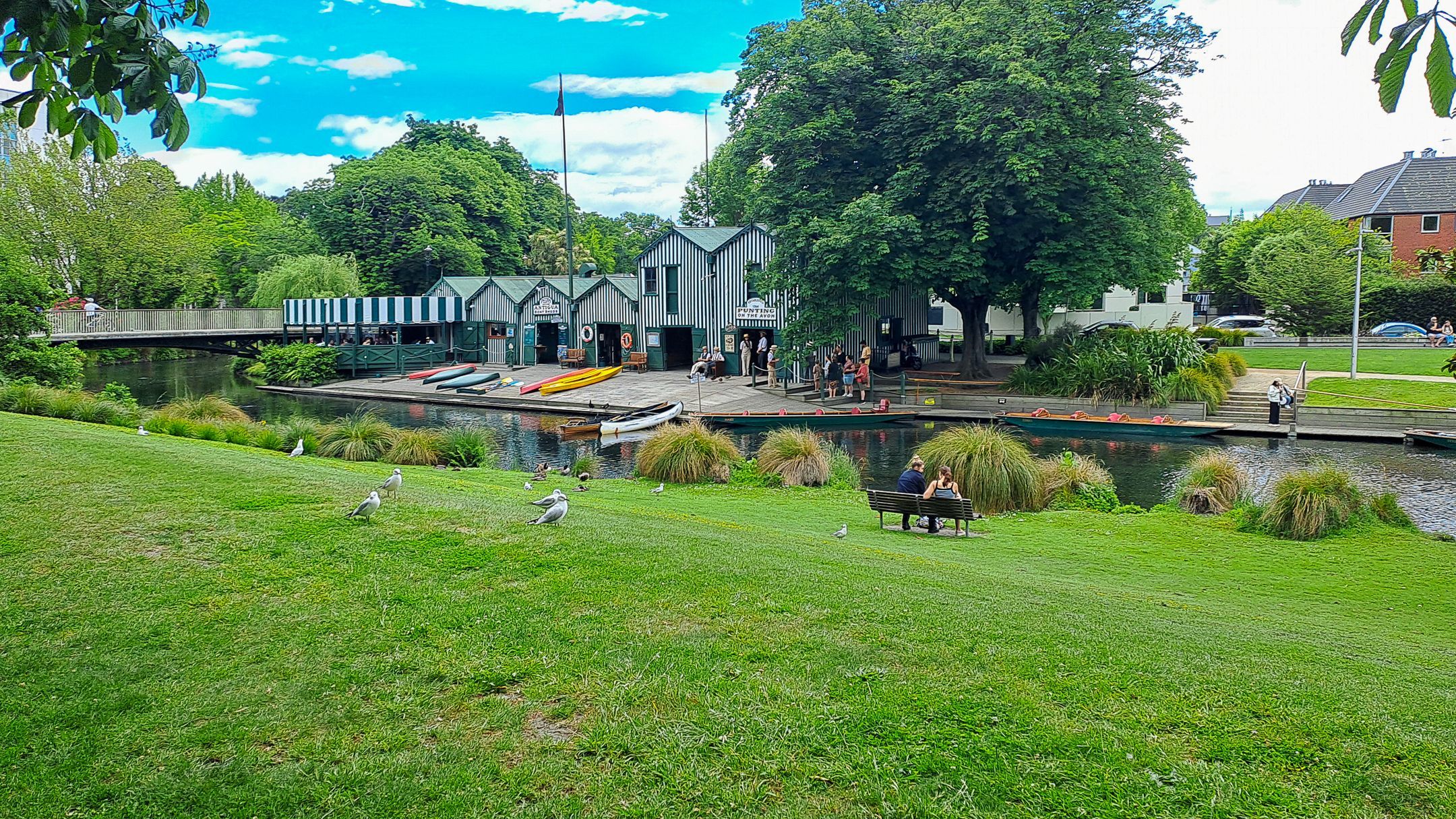
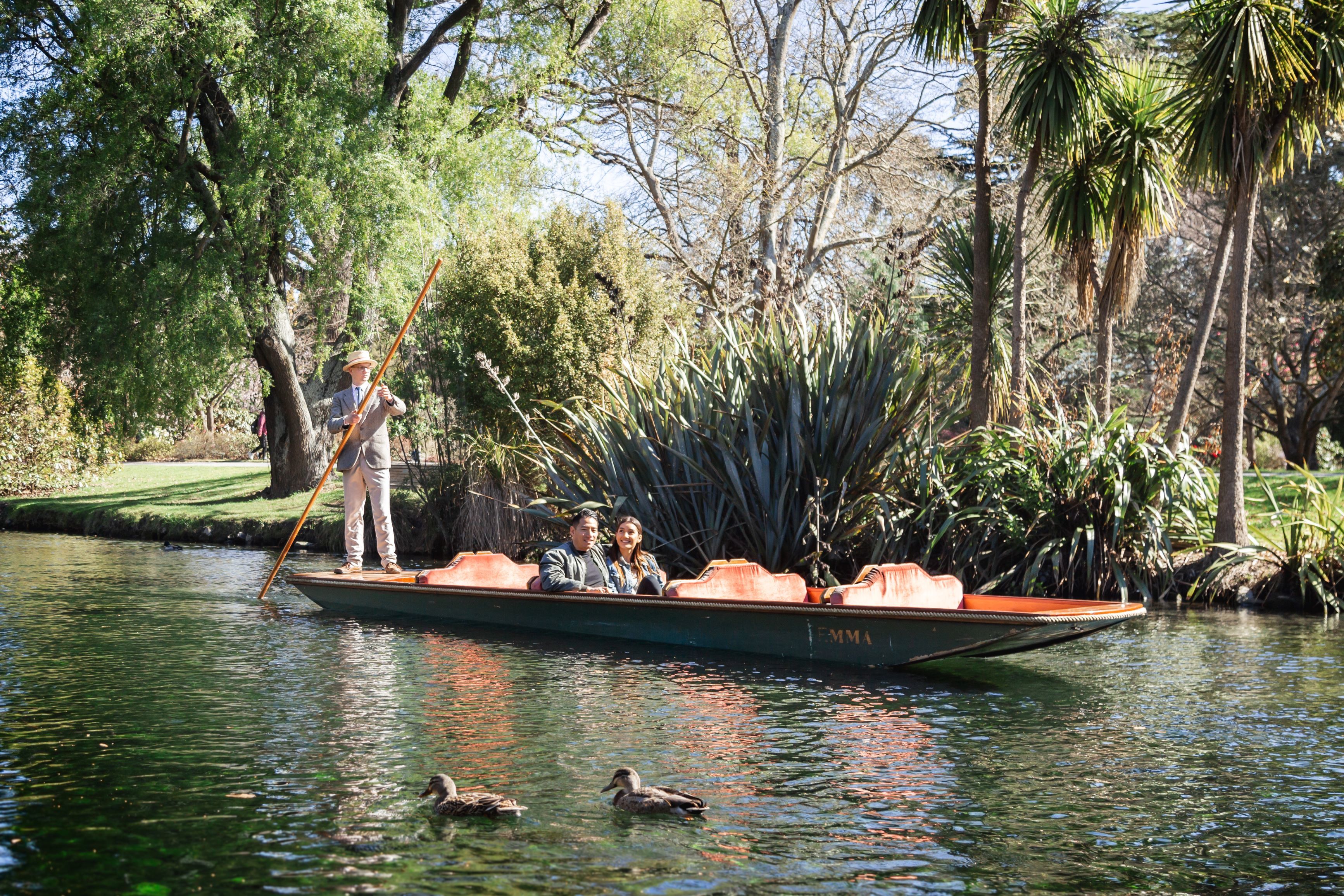
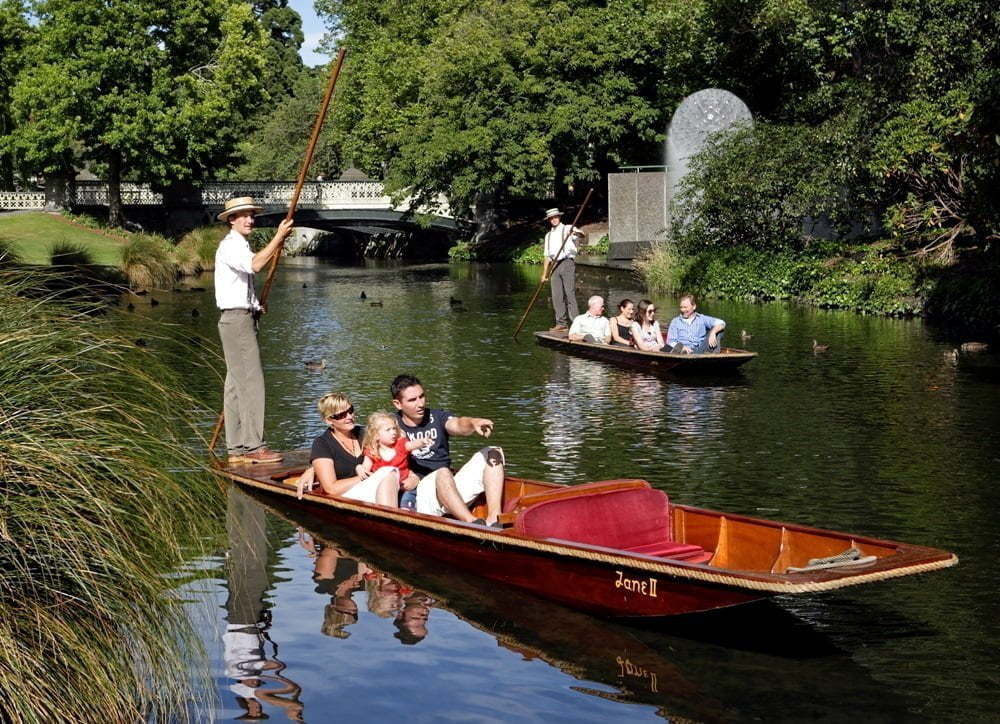
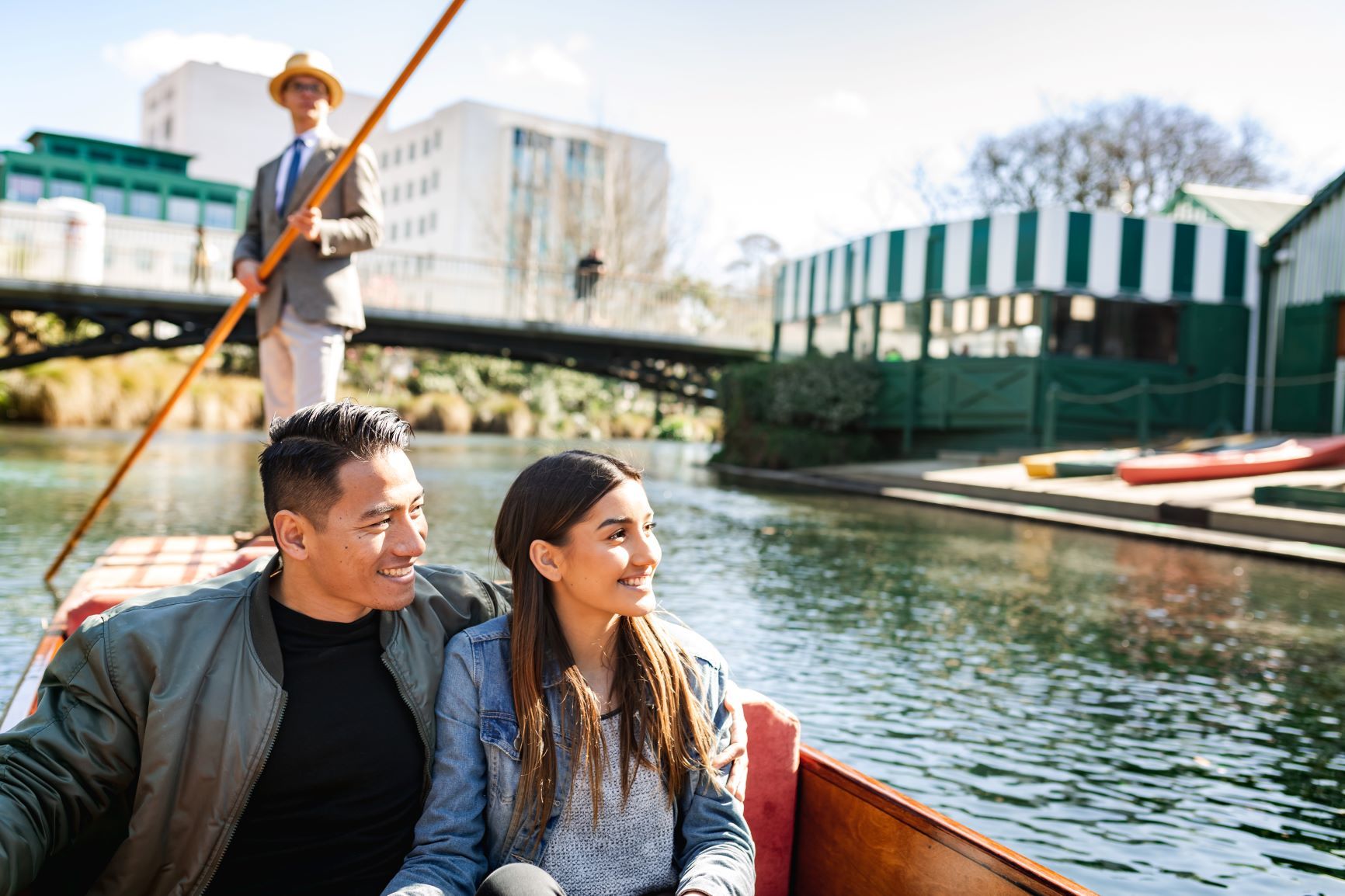
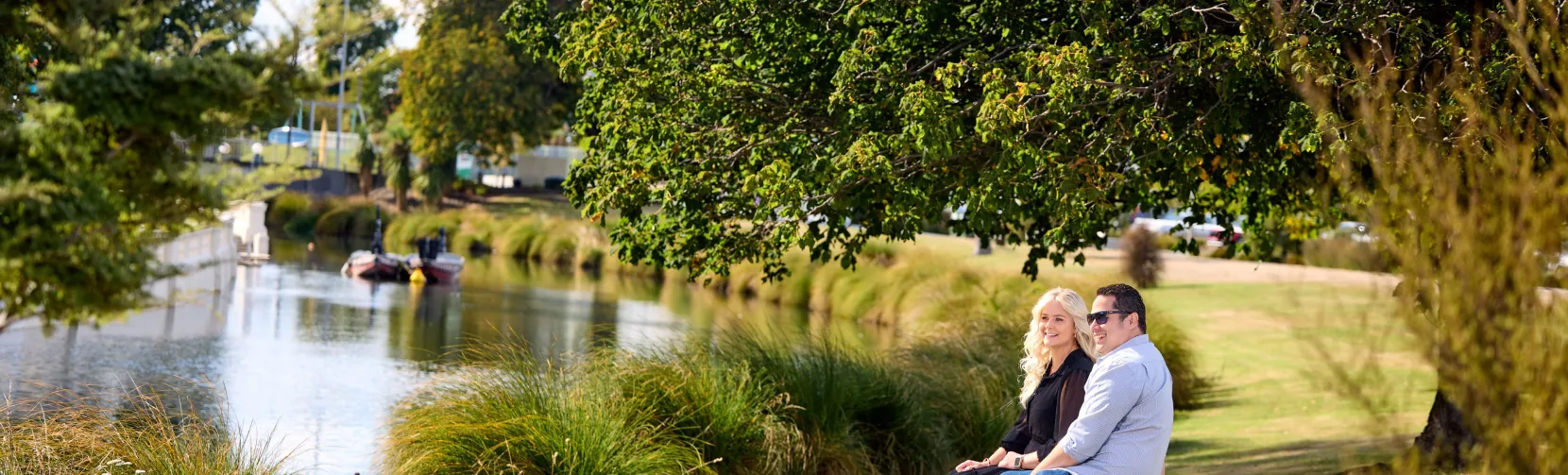
Known as the Garden City, Christchurch is home to the Christchurch Botanic Gardens and the Ōtākaro Avon River. Whether you’re wandering through themed gardens or drifting along the water in a classic punt, the experience offers an easy introduction to the city.
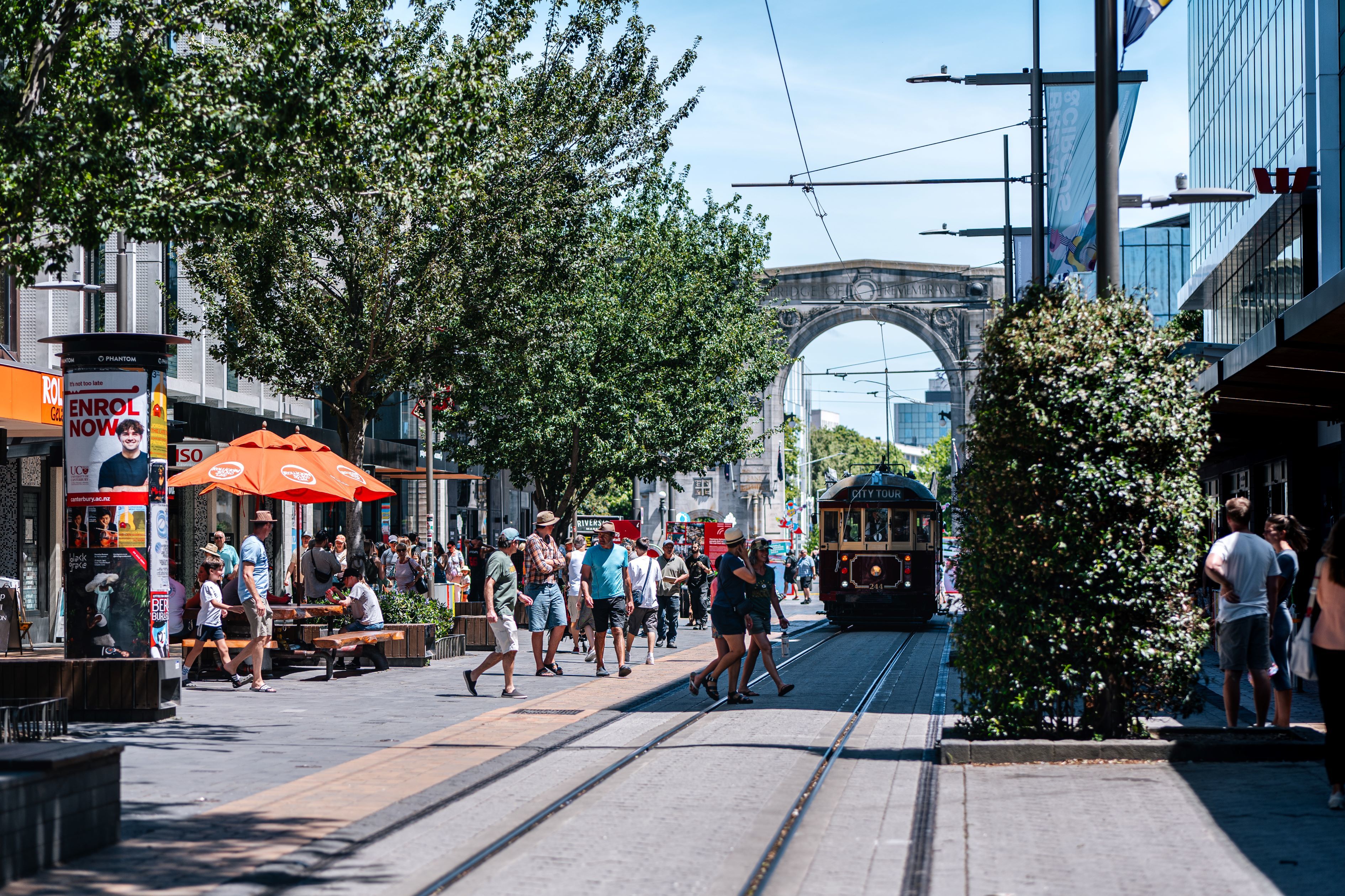
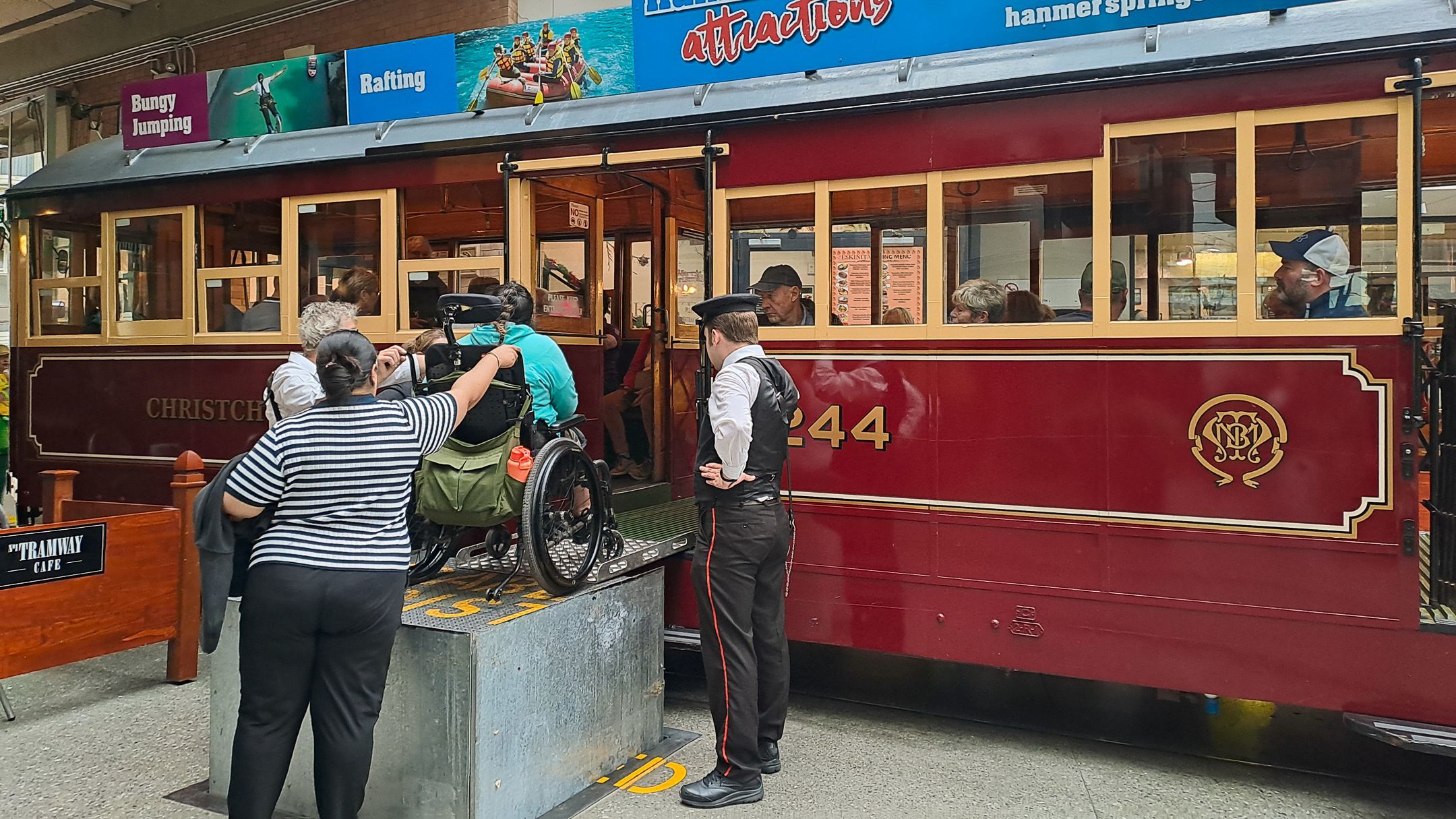
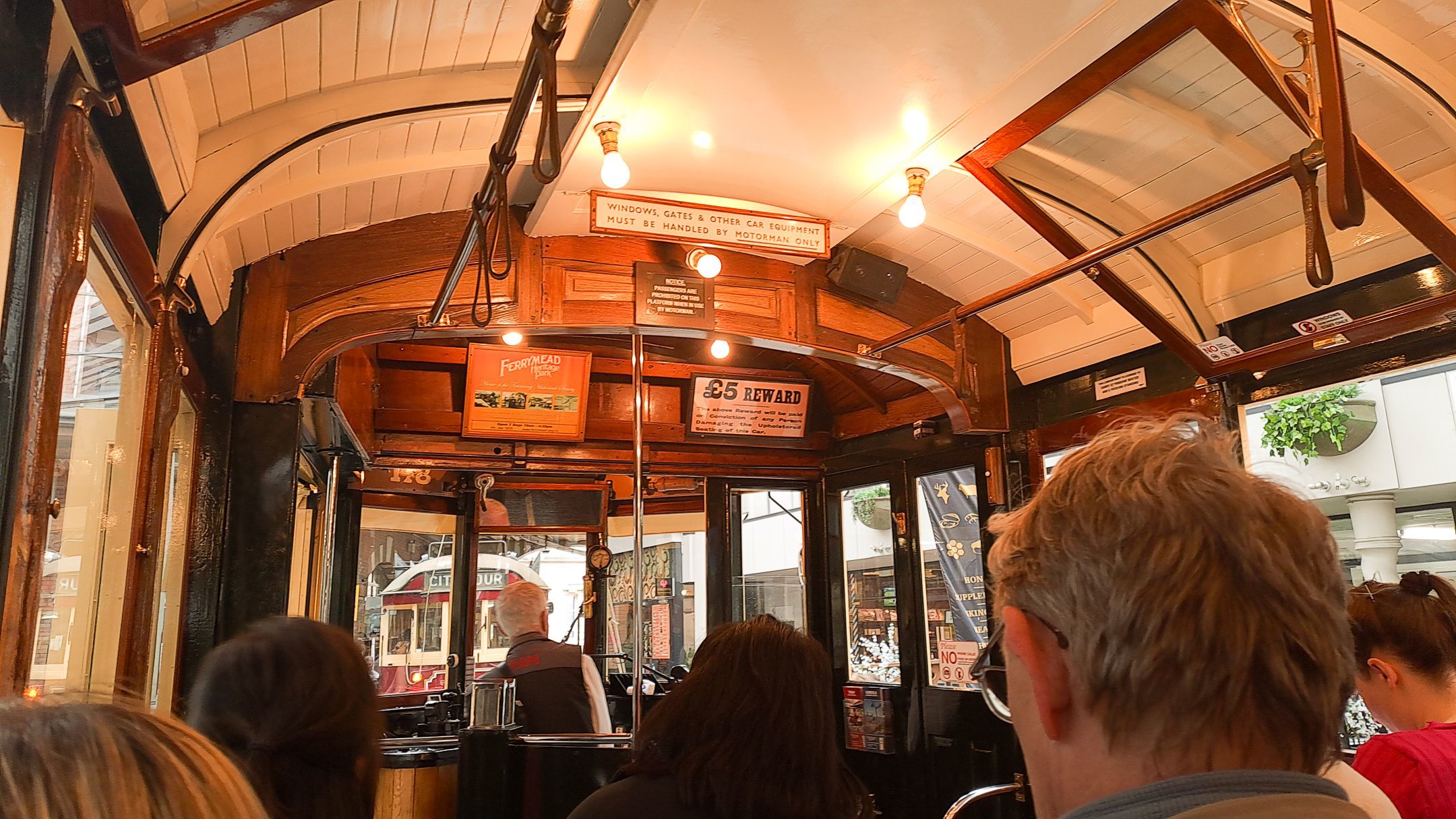
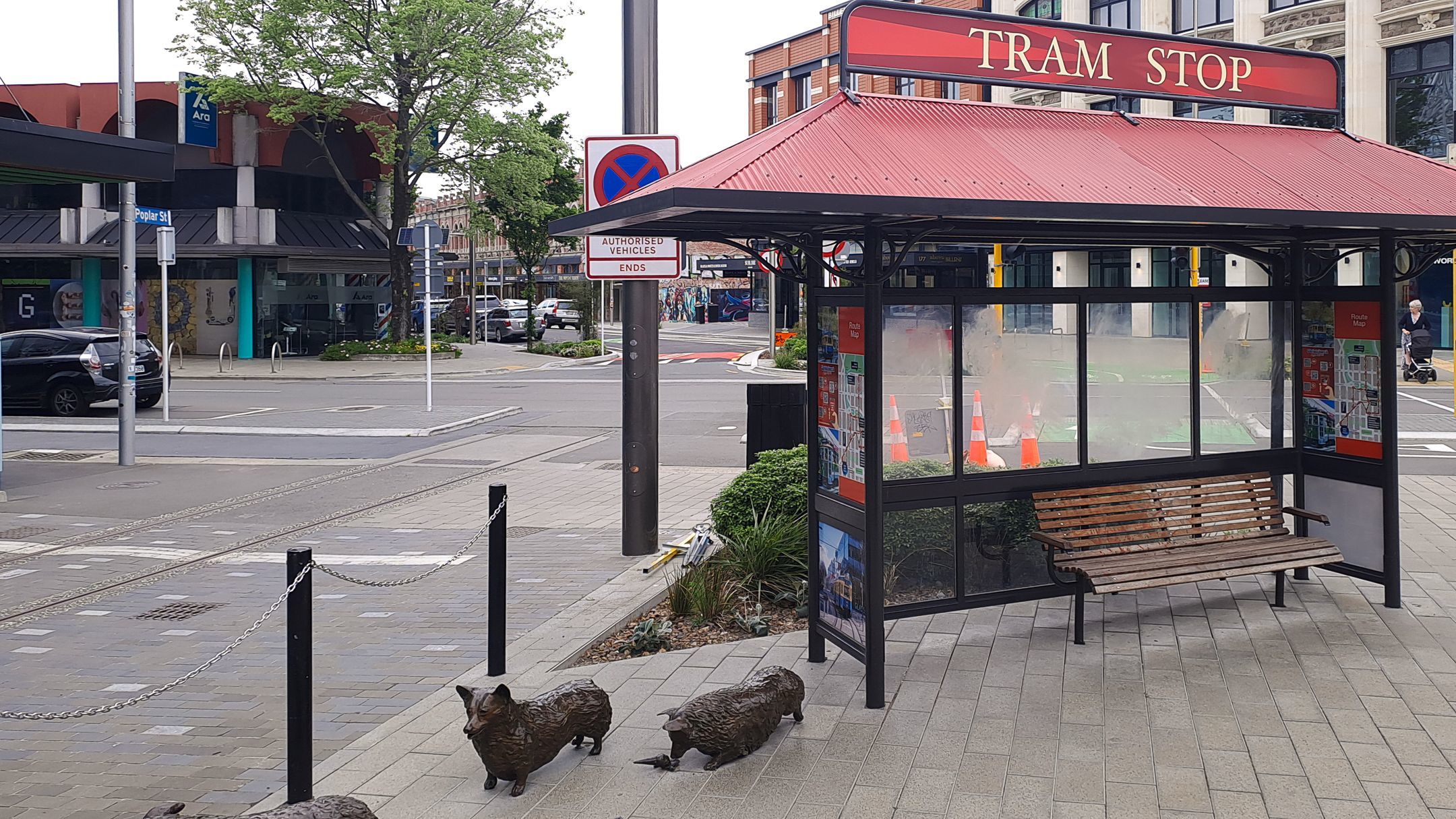
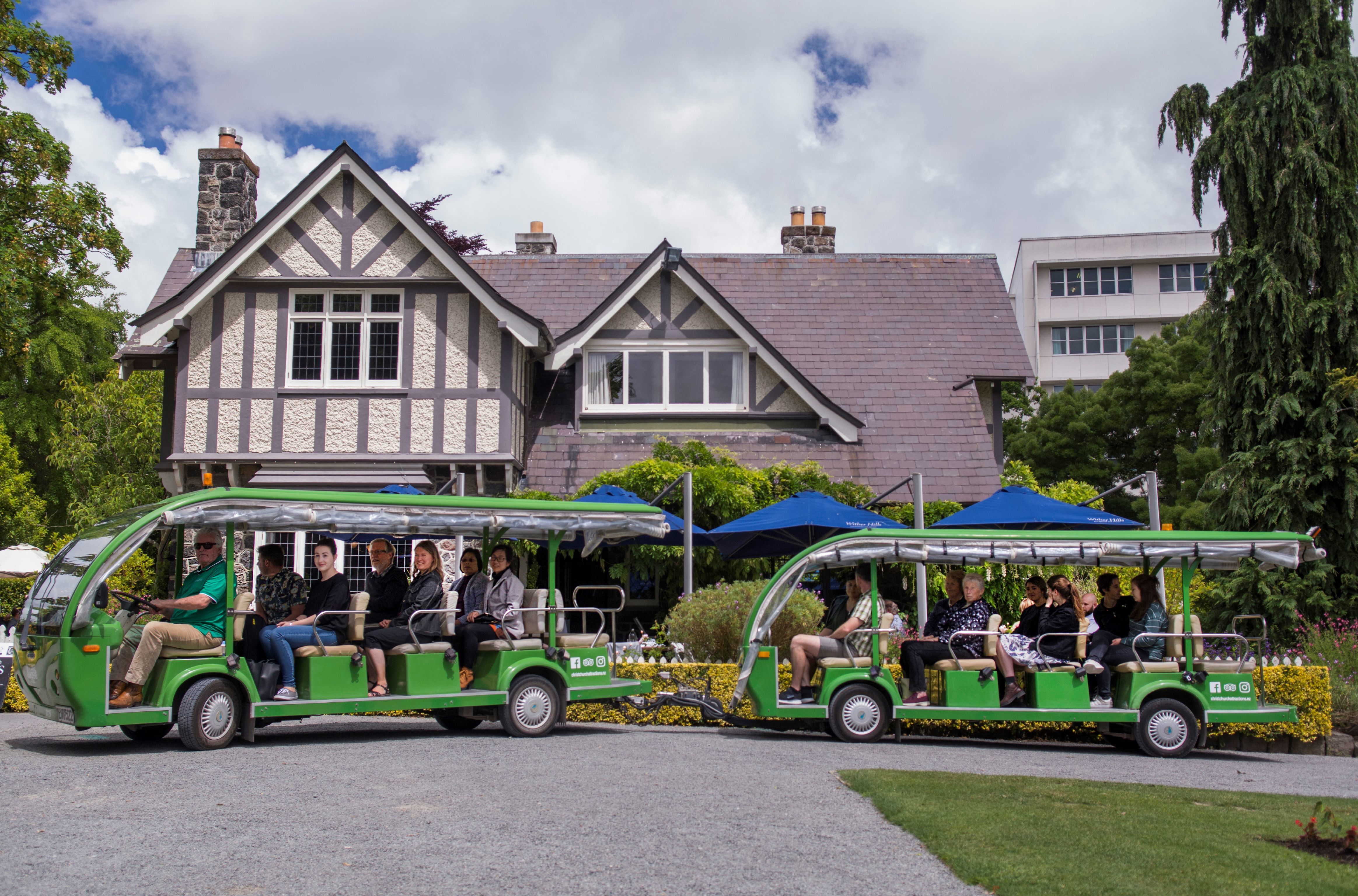
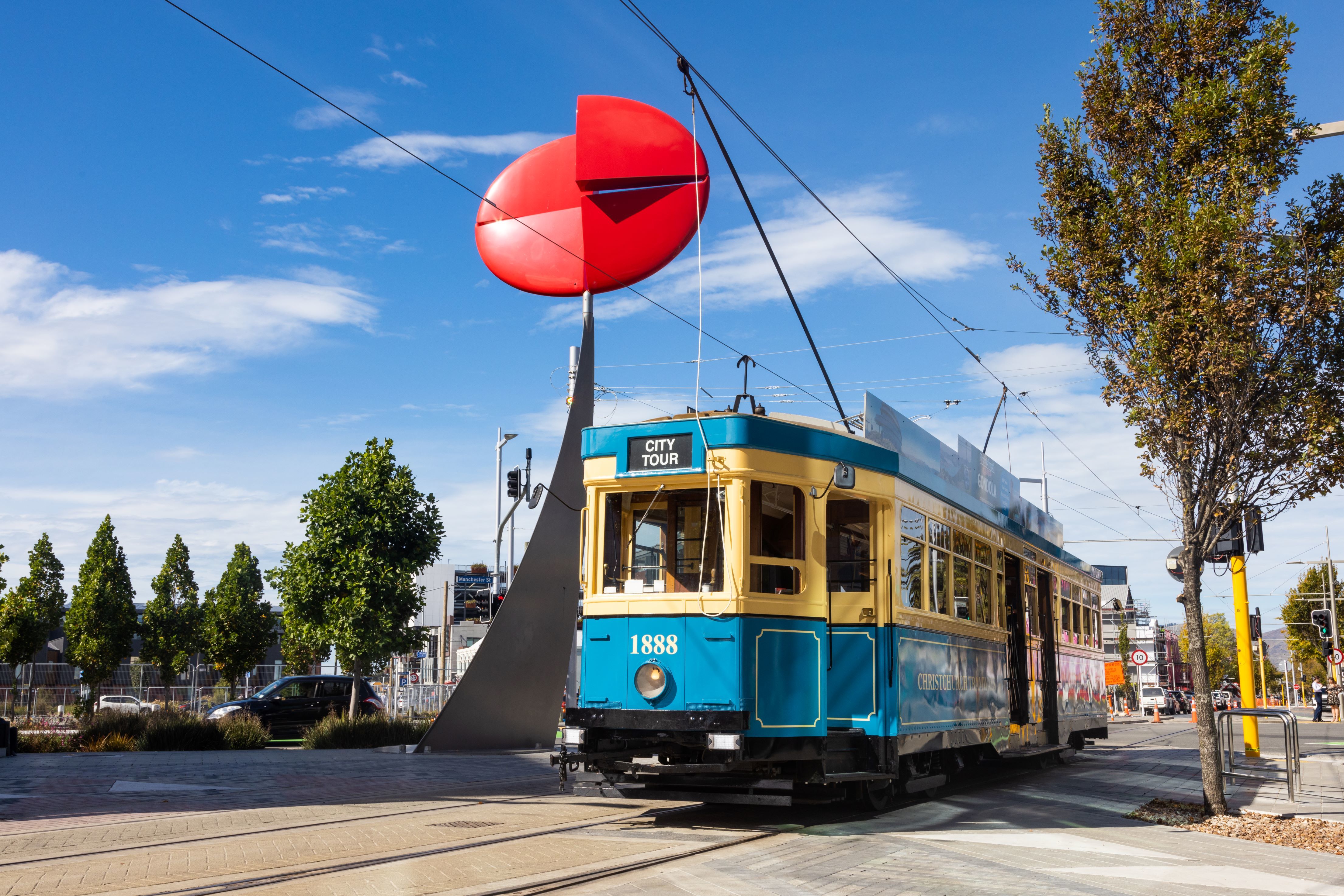
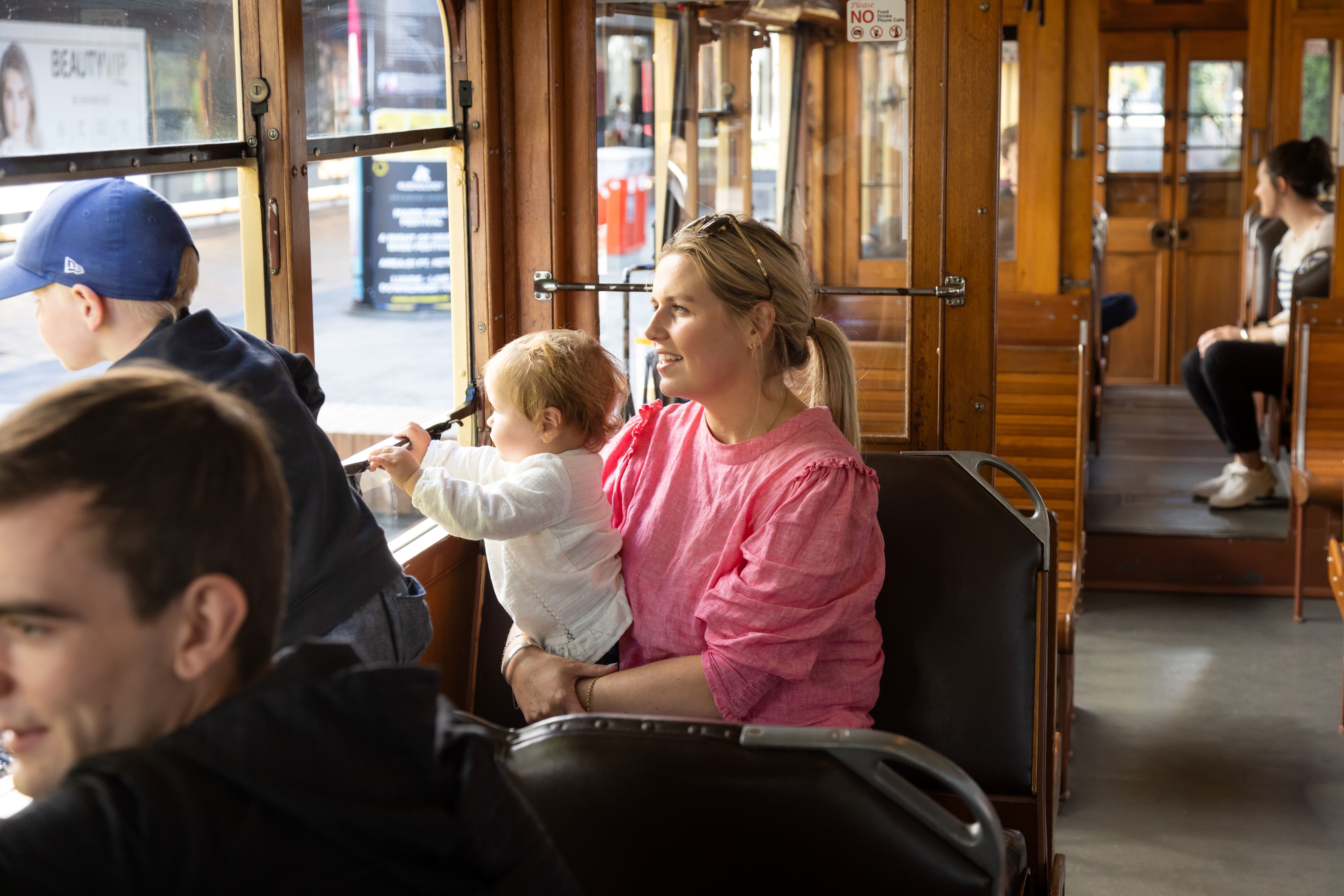
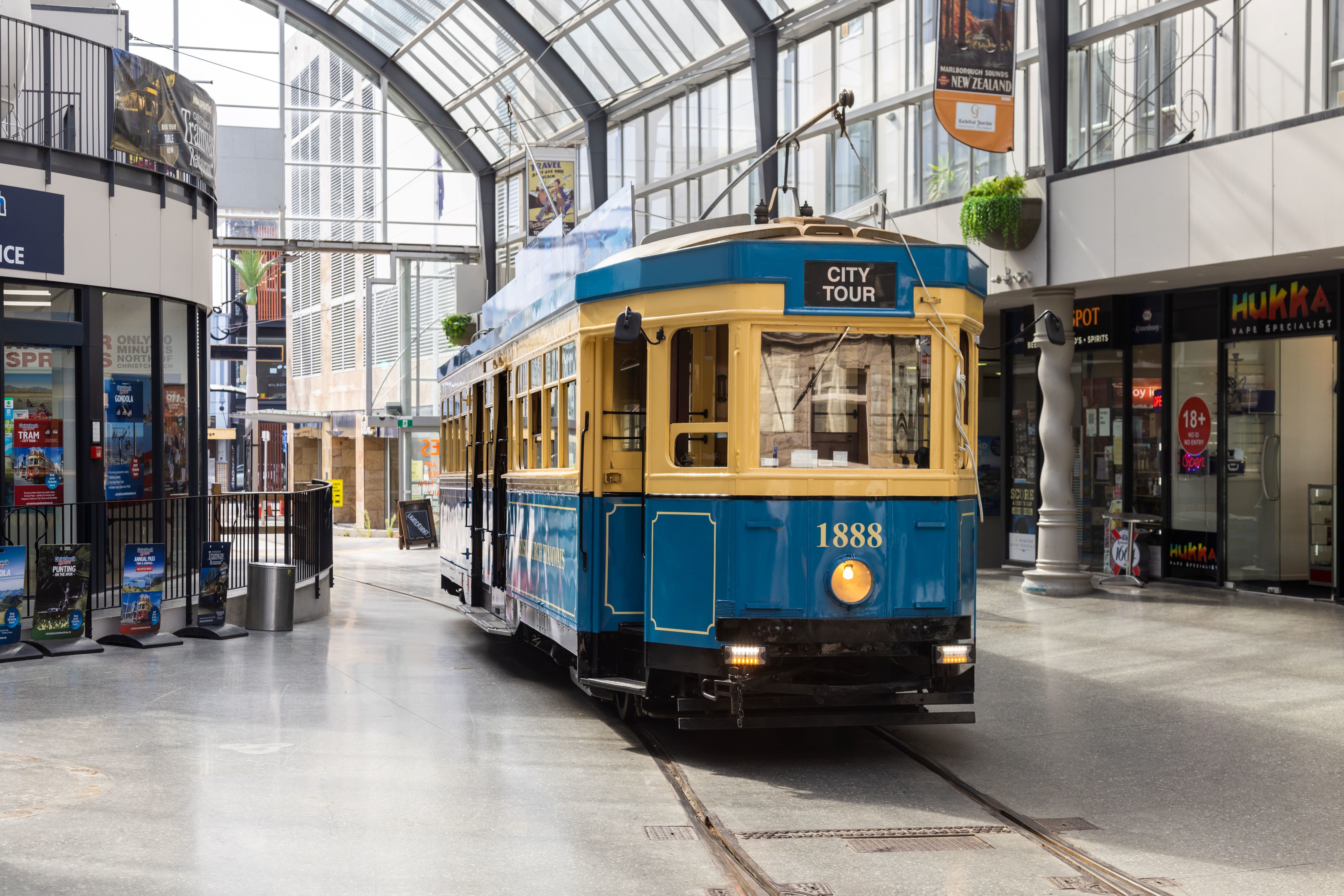
Hop aboard the iconic Christchurch Tram for a city tour, explore the compact CBD, or take the Christchurch Gondola for panoramic views across Banks Peninsula and the Southern Alps.
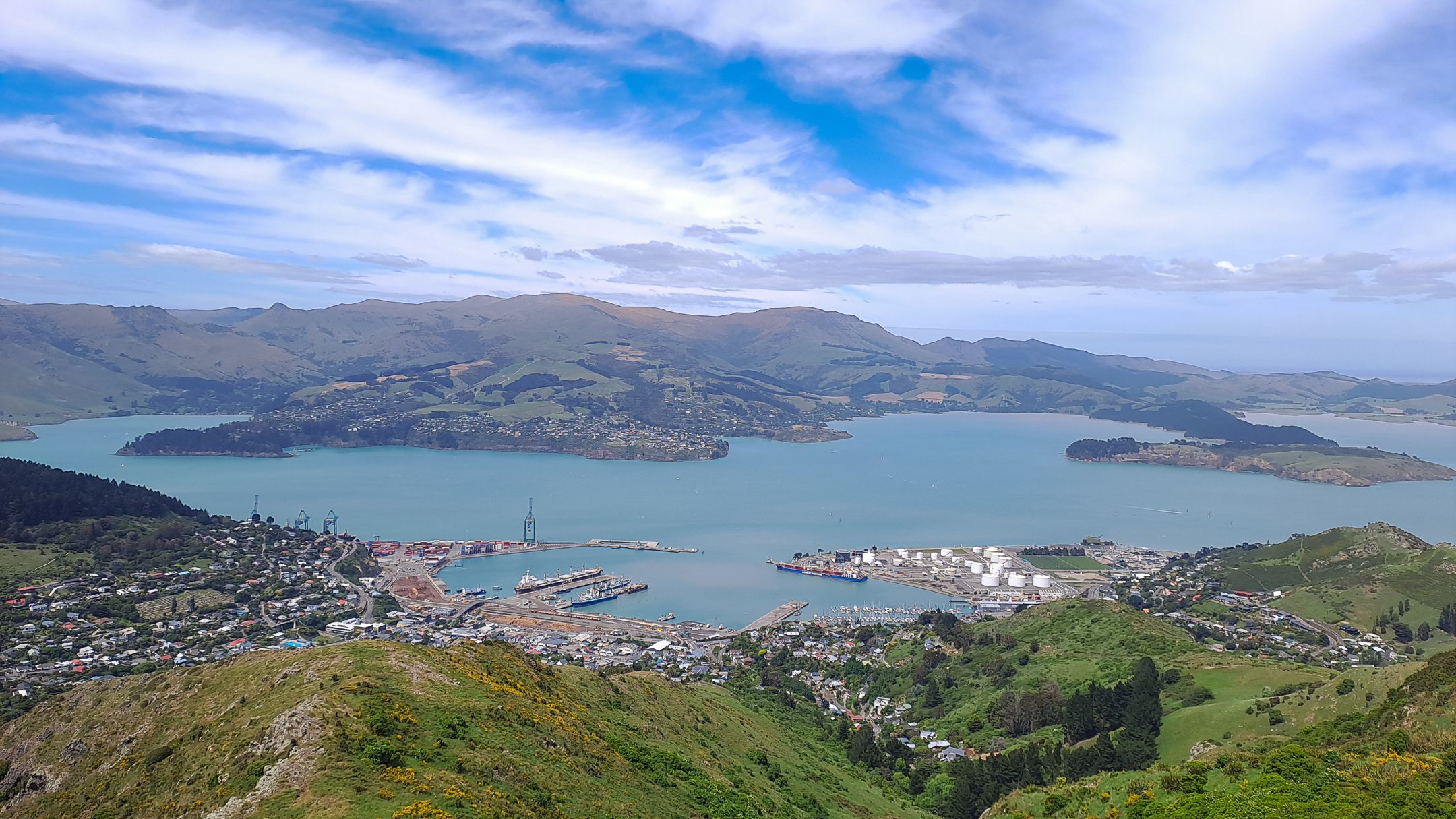
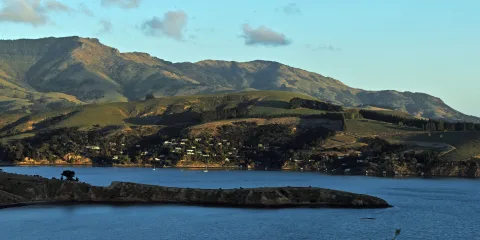
Beyond the central city, head through the Port Hills to Lyttelton, Christchurch’s historic harbour town and cruise port. Explore its cafés, shops and harbour setting, or continue around Banks Peninsula for coastal scenery and small-town experiences.
Two days gives most visitors enough time to see the main city attractions, while a third day allows time for a nearby day trip or a slower exploration of Christchurch and its surrounds.

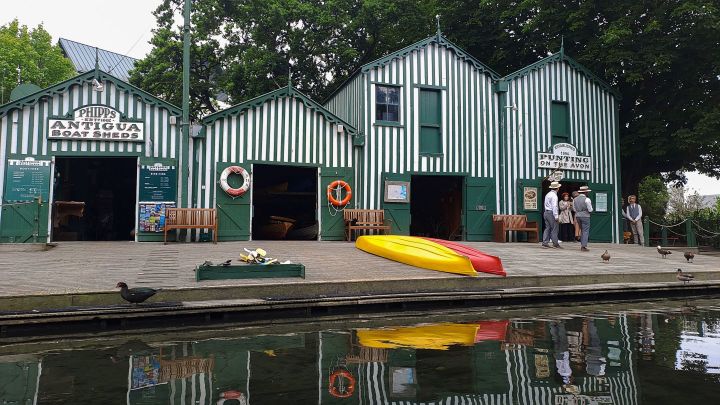
Top things to do include:
- Punt on the Ōtākaro Avon River
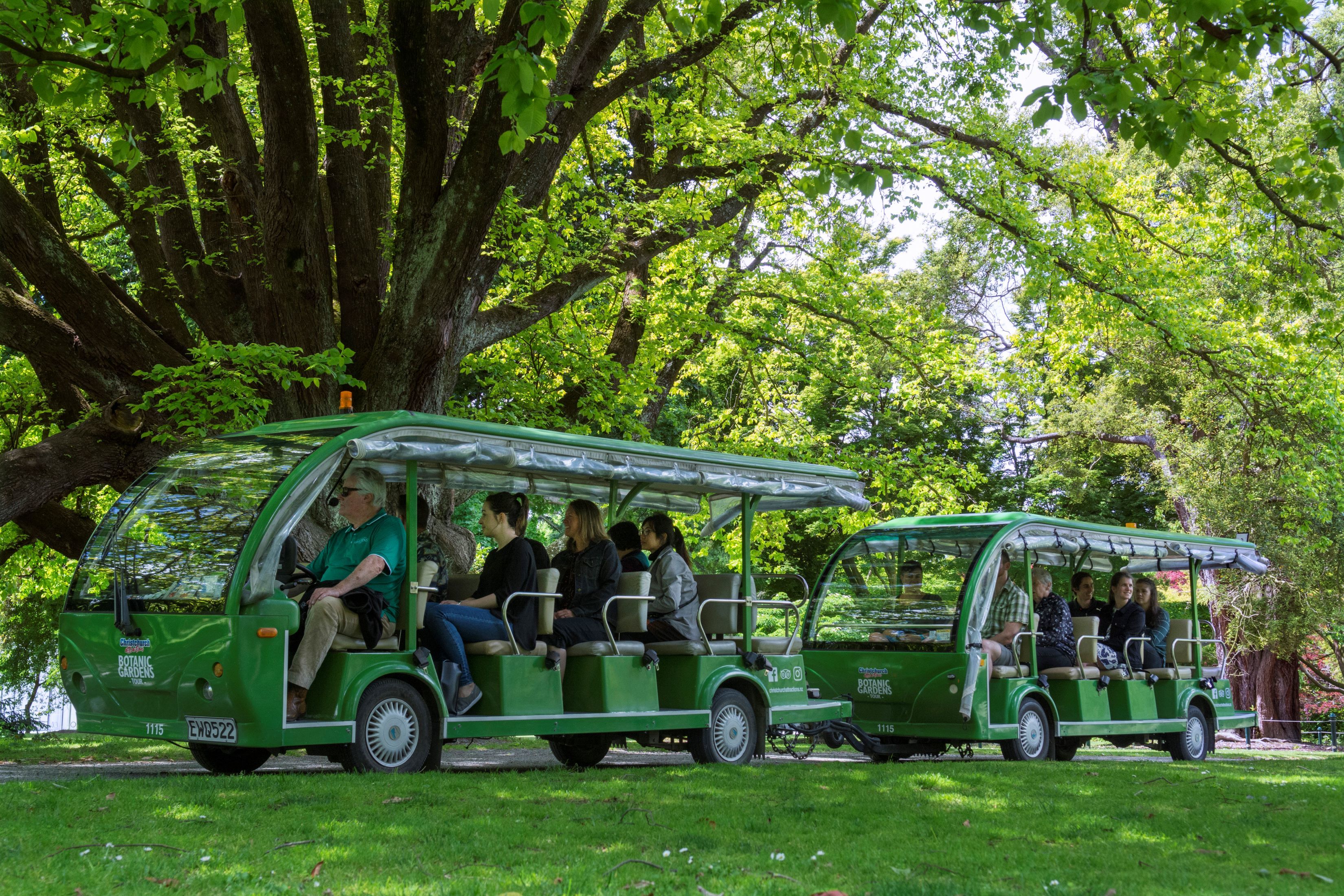
- Wander through Christchurch Botanic Gardens
- Ride the historic Christchurch Tram
- Visit the Transitional Cardboard Cathedral
- Take in panoramic views from the Christchurch Gondola
- Explore New Regent Street
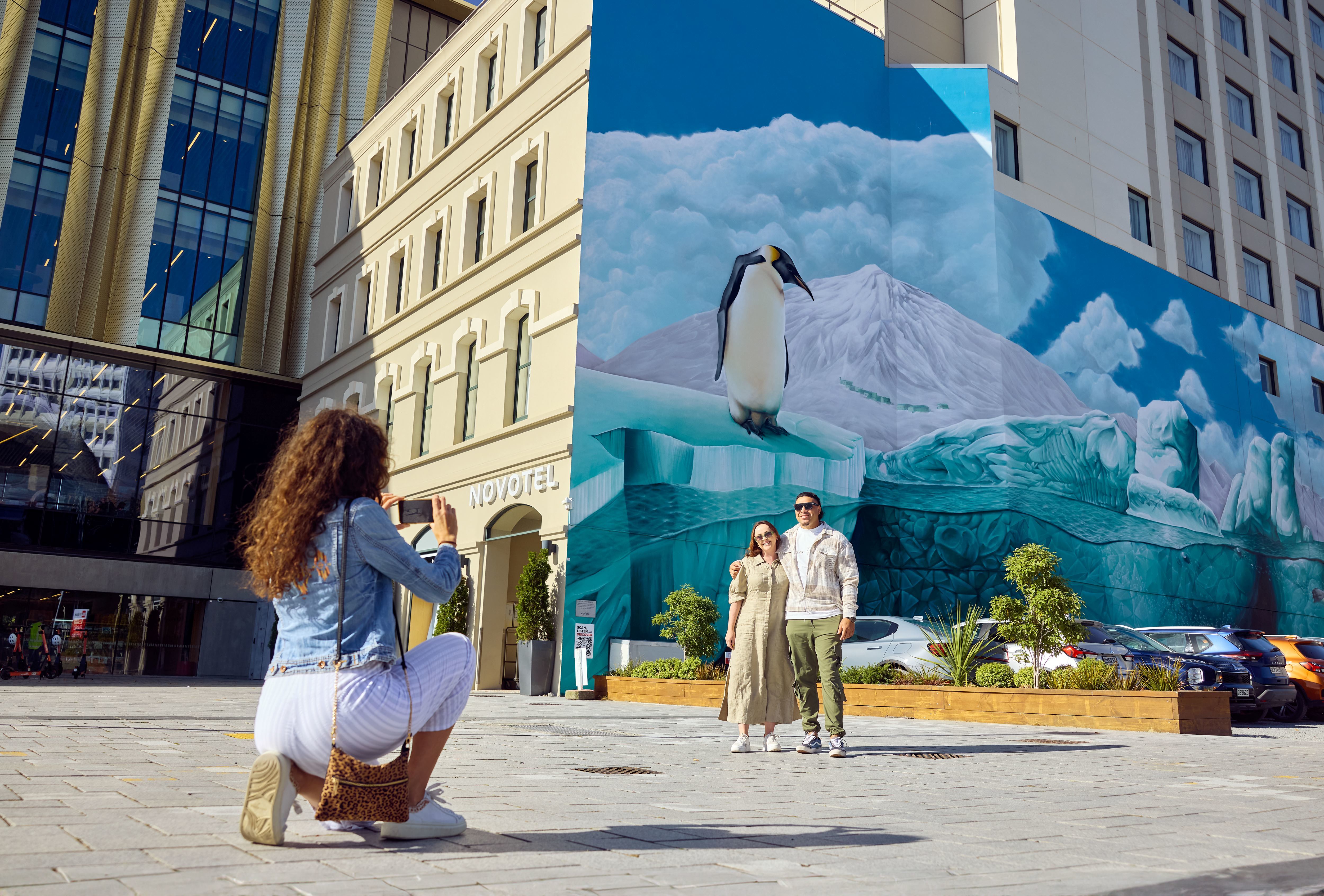
- Discover Christchurch Art Gallery and the city’s street art
- Visit the Arts Centre
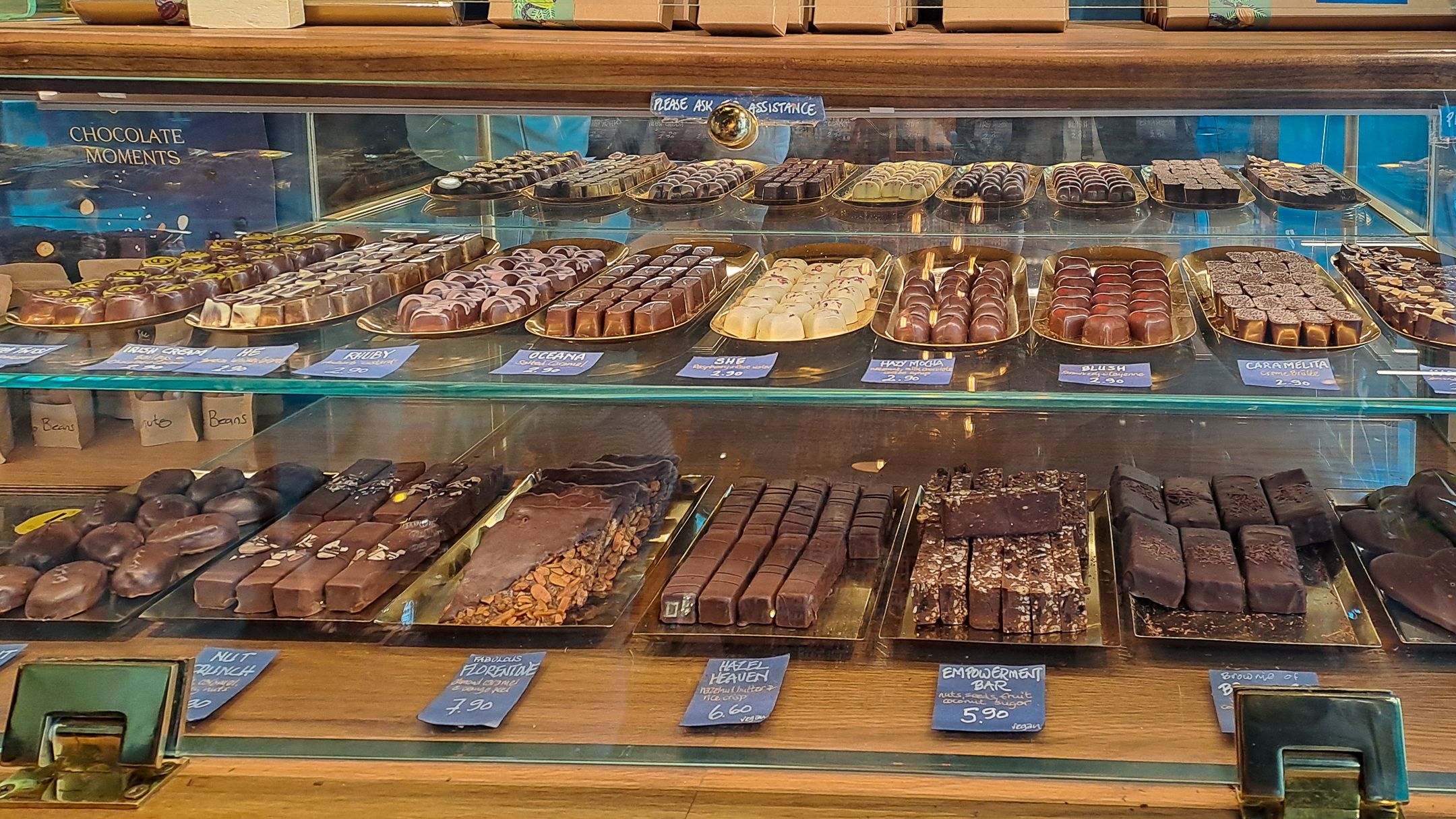
- Enjoy local food, wine, cafés and markets
- Visit Lyttelton and explore the harbour
Art, Architecture and the Heart of Christchurch
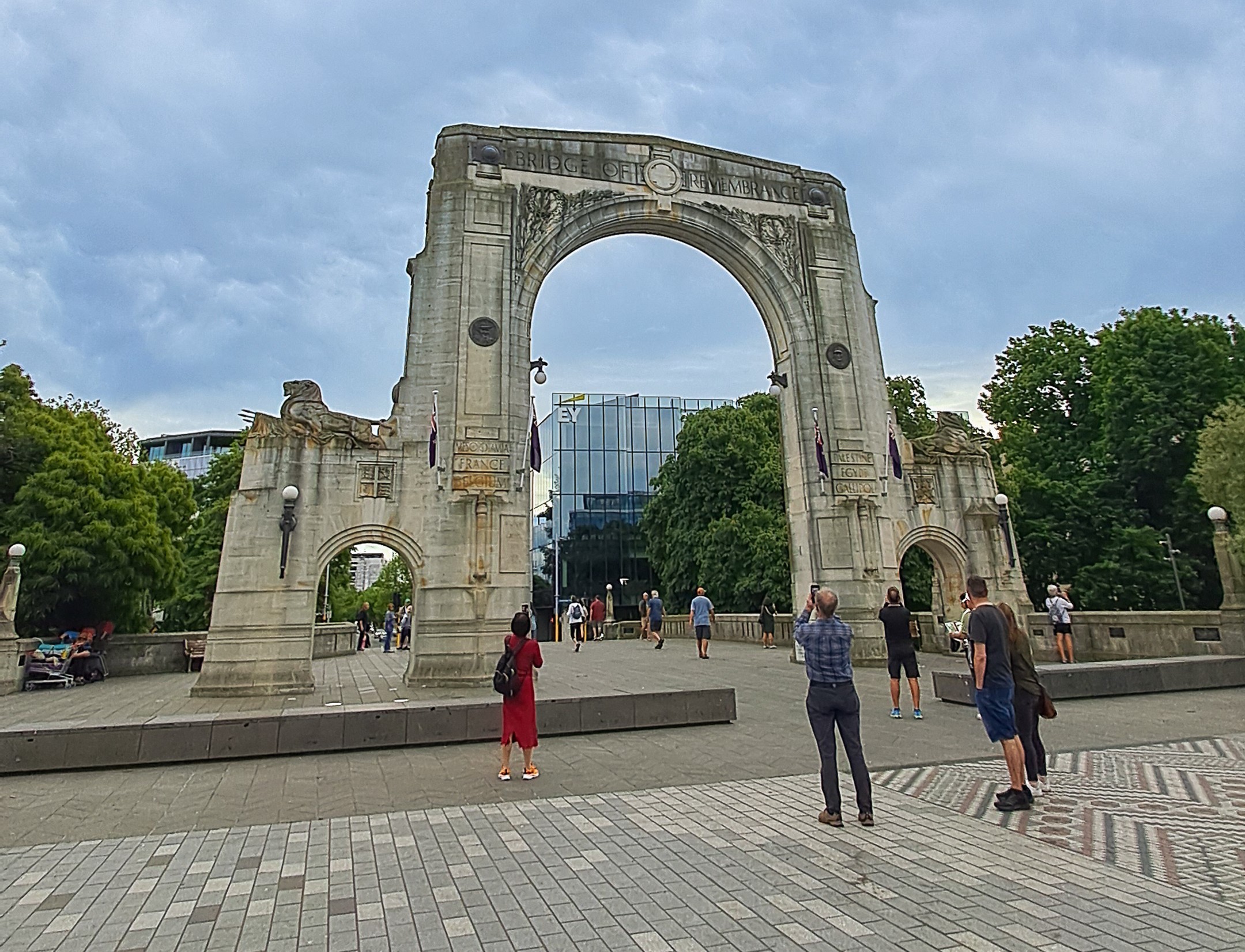
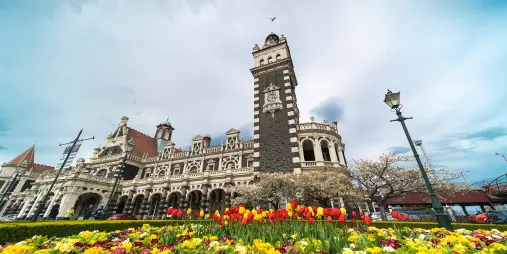
Central Christchurch combines historic architecture with contemporary design, public art and new urban spaces shaped by the city’s ongoing regeneration. The 2010 and 2011 earthquakes changed the central city significantly, and today restored heritage buildings sit alongside newer architecture, murals, galleries and hospitality precincts.
The Transitional ‘Cardboard’ Cathedral remains one of Christchurch’s most recognisable modern landmarks. Built after the earthquakes using cardboard tubes, timber and polycarbonate, it became a symbol of resilience and innovation.
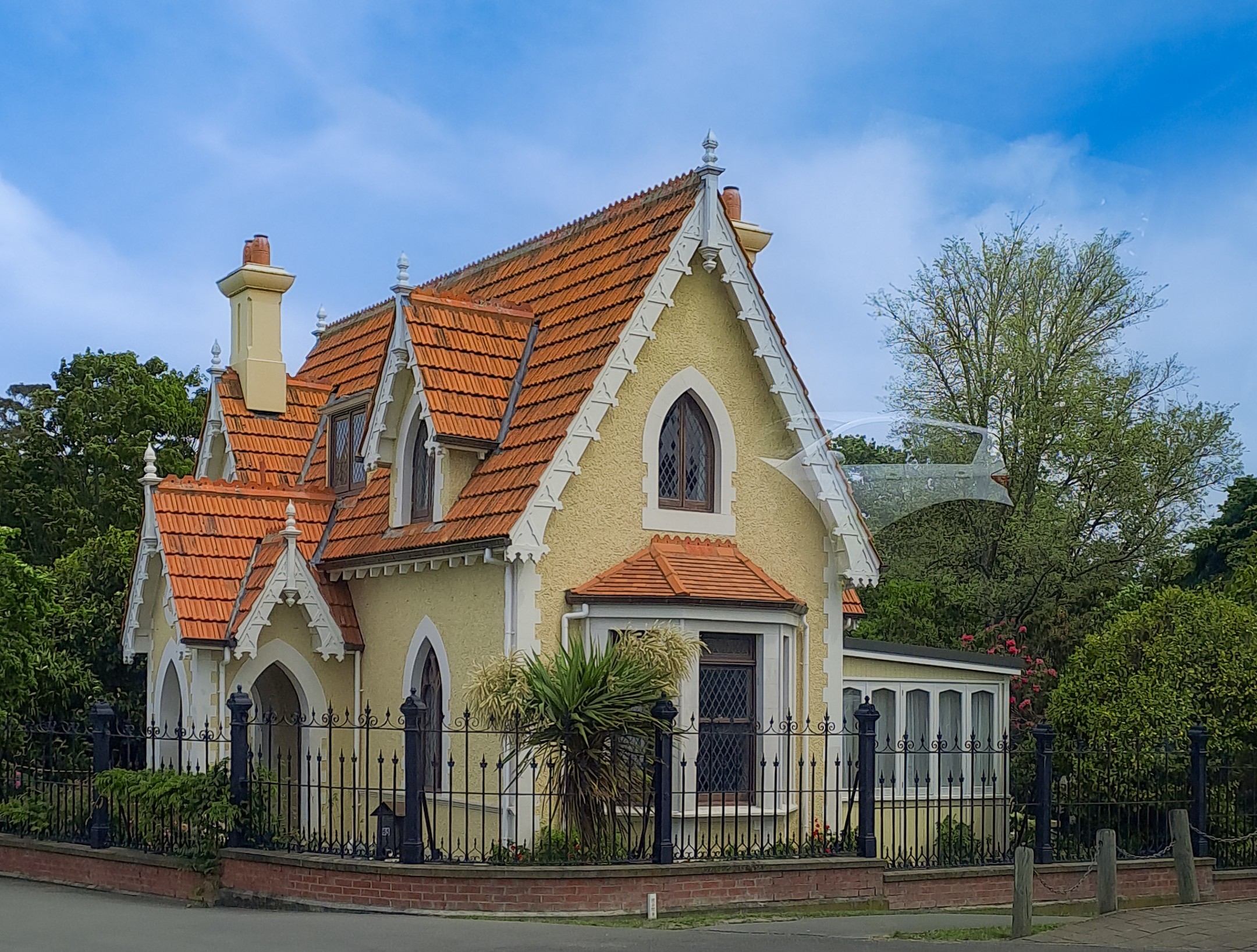
The Arts Centre preserves an important collection of Gothic Revival buildings and now houses creative businesses, galleries, shops and food venues. Christchurch Art Gallery Te Puna o Waiwhetū adds a more contemporary perspective, while street art has become a visible part of the cityscape.
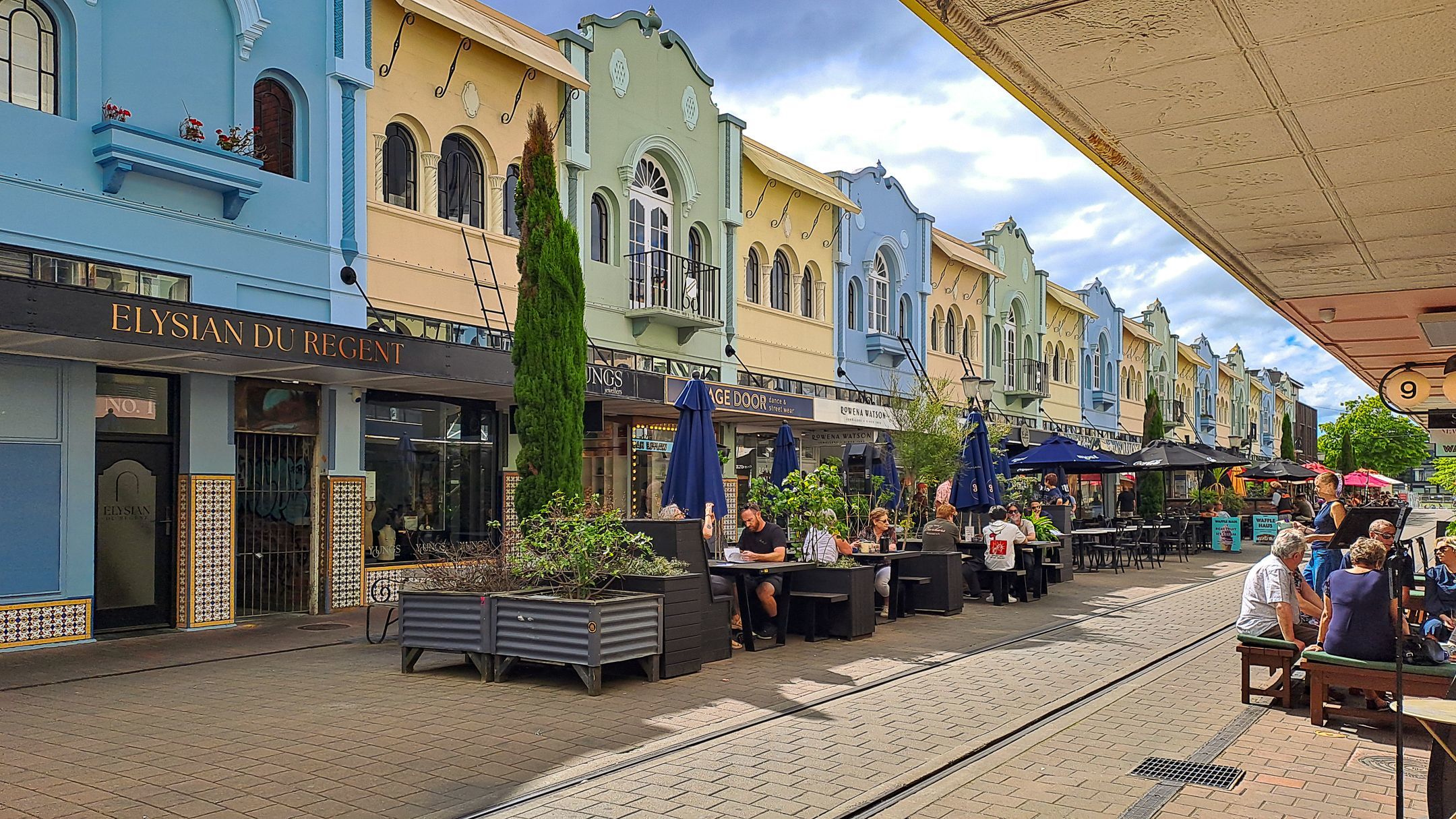
New Regent Street remains one of the most distinctive heritage streets in central Christchurch, combining colourful architecture with cafés and independent businesses.
Visitors interested in the earthquakes can also explore Quake City, which looks at the Canterbury earthquakes and their impact on the region.
Best Time to Visit Christchurch: Seasons and Things to Do
Christchurch can be visited throughout the year, with each season offering a different reason to explore the city and wider Canterbury region. Summer brings long days for outdoor sightseeing, autumn colours transform parks and gardens, winter provides access to nearby ski fields, and spring showcases the Garden City at its most colourful.
| Season | What to expect | Best for | Things to do |
|---|---|---|---|
| Summer (Dec to Feb) | Warm days, balmy evenings and long daylight hours | Outdoor activities, dining and regional touring | Beaches, Port Hills, riverside activities, cycling, vineyards, outdoor dining and cruise excursions |
| Autumn (Mar to May) | Cooler temperatures, red and gold foliage and often crisp Canterbury days | Autumn colour, food and relaxed sightseeing | Parks and gardens, walking, cycling, markets, cafés and regional food and wine |
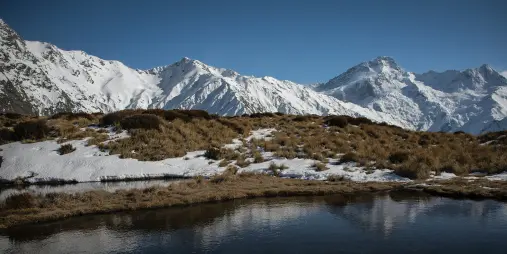
| Winter (Jun to Aug) | Crisp days, cold nights and snow-capped mountain scenery | Skiing, alpine experiences and city breaks | Mt Hutt and nearby ski fields, winter walks, thermal pools, food and wine, indoor attractions and stargazing |
| Spring (Sep to Nov) | Blossoms, daffodils, fresh greenery and longer days | Gardens, walking and outdoor activities | Blossom viewing, parks, walking, picnics, cycling, Akaroa trips and seasonal events |
There is no single best season to visit Christchurch. Summer suits travellers wanting long days for outdoor activities and South Island touring, autumn is particularly attractive for its changing colours, winter works well for combining city experiences with skiing and alpine activities, and spring showcases the gardens and blossoms for which Christchurch is famous.
Day Trips from Christchurch
Christchurch is a convenient base for exploring Canterbury, with wine regions, alpine landscapes, harbour towns, hot pools and wildlife experiences all accessible on day trips. Popular options include Akaroa and Banks Peninsula, Waipara wine country, Arthur’s Pass, Hanmer Springs and the Canterbury high country.
Popular day-trip options include:
- Akaroa and Banks Peninsula – harbour scenery, wildlife, walking and farm experiences
- Waipara Valley – vineyards, cellar doors and food and wine experiences
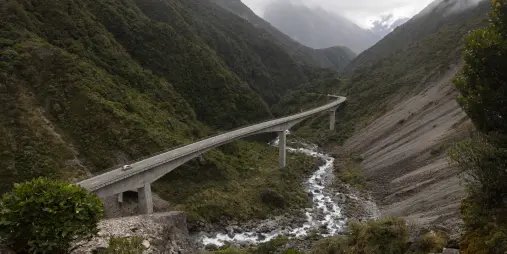
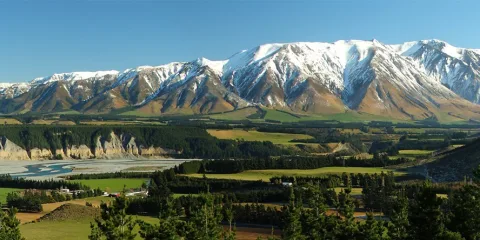
- Arthur’s Pass – Southern Alps scenery, waterfalls and mountain walks
- Hanmer Springs – thermal pools and outdoor activities
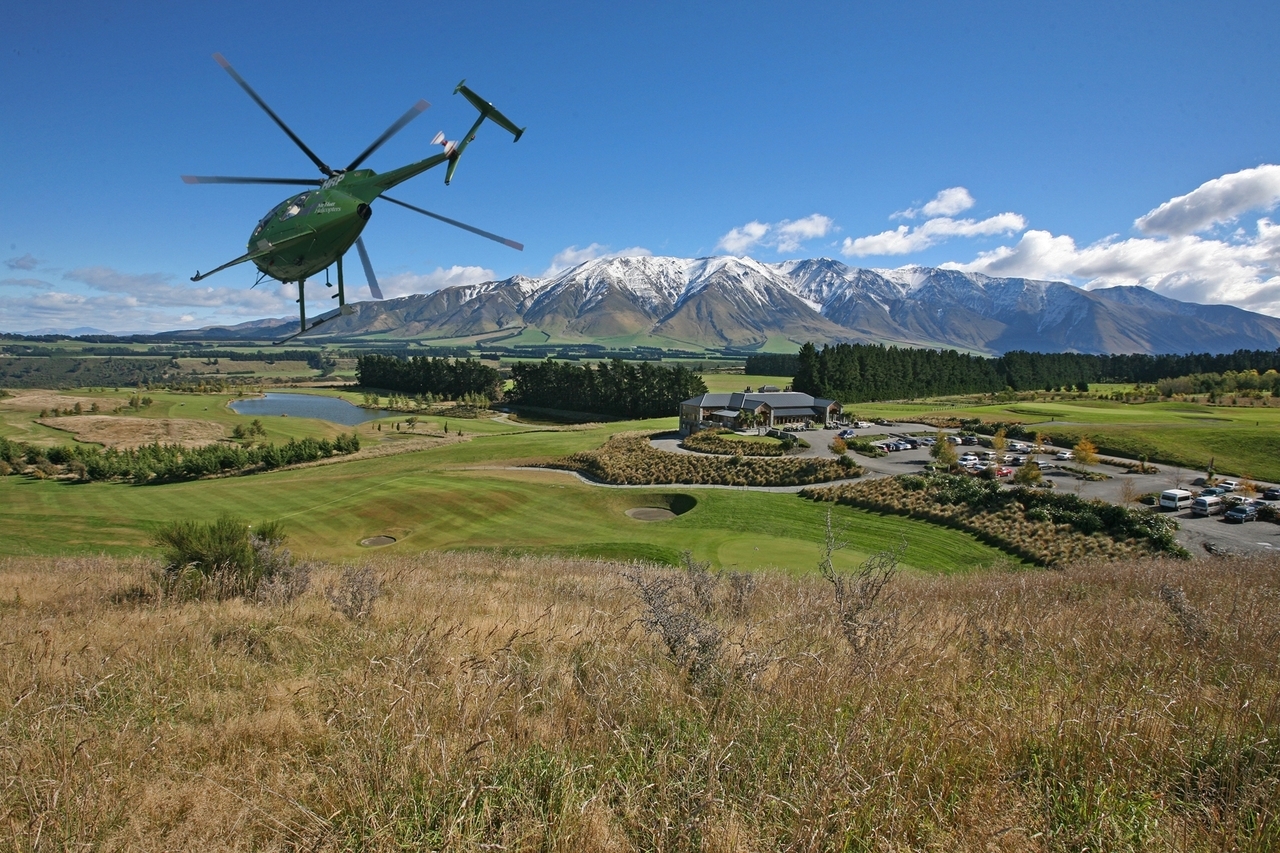
- Castle Hill/Kura Tāwhiti – limestone formations and high-country scenery
- Mt Hutt and Methven – skiing and snow activities during winter
- Aoraki/Mount Cook – possible on a longer organised day tour
Lord of the Rings fans can also explore landscapes associated with Edoras and other filming locations in the wider Canterbury high country.
If several of these destinations are priorities, it may be more practical to incorporate them into a multi-day self-drive or coach itinerary rather than returning to Christchurch each evening.
Christchurch as a Gateway to the South Island
Christchurch is a major starting point for South Island touring, with self-drive holidays, coach tours and scenic rail journeys connecting the city with many of New Zealand’s best-known destinations. Popular routes travel south via Lake Tekapo and Aoraki/Mount Cook to Queenstown, west via Arthur’s Pass and the glaciers to Queenstown, or north via Kaikōura and Marlborough to Picton, where travellers can continue by ferry to Wellington.
Popular routes from Christchurch
Christchurch → Lake Tekapo → Aoraki/Mount Cook → Queenstown
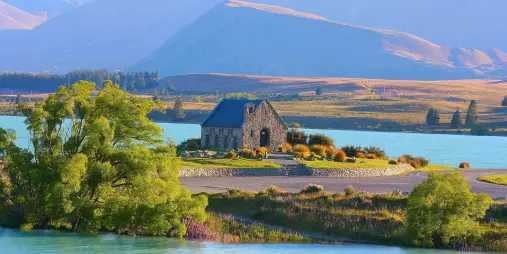
Travel across the Canterbury Plains into the Mackenzie Basin before continuing through the Southern Alps towards Queenstown. This route works particularly well as a self-drive holiday, with time to stay in Tekapo and Aoraki/Mount Cook along the way.
Christchurch → Arthur’s Pass → West Coast → Franz Josef or Fox Glacier → Queenstown
Cross the Southern Alps towards the West Coast, then travel south through glacier country before continuing to Queenstown. The TranzAlpine rail journey can also be incorporated into this route for the mountain crossing.
Christchurch → Kaikōura → Marlborough → Picton
Head north along the east coast to Kaikōura before continuing into the Marlborough region and Picton. From Picton, travellers can cross Cook Strait by ferry to Wellington and continue their journey through the North Island.
Go New Zealand offers self-drive holidays, coach tours, rail journeys and multi-day packages from Christchurch, allowing travellers to choose between independent touring and having transport and accommodation arranged in advance.
Christchurch is the main air gateway to Canterbury and an important starting point for South Island travel. Once in the city, the compact central area can be explored on foot, by bicycle, public transport or heritage tram, while a rental car is most useful for regional day trips and onward travel.
Christchurch is the closest major city to Lyttelton, the cruise port serving the region. Cruise passengers can travel into central Christchurch by shuttle, transfer or organised shore excursion.
Christchurch Airport provides convenient access for travellers arriving from Australia, Singapore, Hong Kong, Japan and as well as other parts of New Zealand.
Accommodation options cater to a wide range of travel styles, including hotels, boutique properties, motels, hostels and self-contained apartments.
For most visitors:
- Central Christchurch – best for first-time visitors, dining and sightseeing
- Near Hagley Park – convenient for green spaces and CBD access
- Riccarton – useful for shopping, dining and travellers with a vehicle
- Airport area – practical for early departures, late arrivals or short transit stays
Two to three nights works well for most visitors. Two nights allows time for the main city highlights, while three gives you more flexibility for a day trip or a slower-paced stay.
Christchurch has a rich cultural history shaped by mana whenua, European settlement and the city’s continuing evolution. Māori connections with the wider Canterbury region long pre-date European settlement, while nineteenth-century development helped establish Christchurch as an agricultural, commercial and civic centre.
Waitaha, Ngāti Māmoe and Ngāi Tahu all have deep connections with the wider region, and Ngāi Tūāhuriri are mana whenua in central Christchurch.
Māori history remains visible in place names, cultural interpretation and the growing use of Ōtautahi alongside Christchurch.
European settlement during the nineteenth century influenced the city’s architecture, institutions and role as a centre for farming and trade. Gothic Revival buildings, churches and educational institutions remain important parts of Christchurch’s built heritage.
The 2010 and 2011 earthquakes became another defining chapter in the city’s history, reshaping much of the central area and influencing the architecture, public spaces and creative culture visitors see today.
Exploring both Māori and European heritage provides a deeper understanding of Christchurch beyond its gardens and major attractions, showing how the city has developed through layers of cultural connection, settlement, disruption and renewal.