Search icon
Browse Experience Types

A two-week New Zealand road trip can combine highlights of both the North and South Islands, with self-drive itineraries of around 12–15 days travelling between cities such as Auckland, Wellington, Christchurch and Queenstown. Routes can include geothermal Rotorua, Lake Taupō and Wellington in the North Island, before crossing Cook Strait to explore South Island wine regions, coastlines, mountains and alpine lakes.

Electric & Hybrid 2 Week New Zealand Road Trips

Hybrid vehicles can be a fuel-efficient option for longer two-week road trips across New Zealand, while selected electric vehicle itineraries can be planned around charging locations on the route. Choose from available EV and hybrid self-drive packages covering the North and South Islands.
Exploring New Zealand's North and South Islands in 2 Weeks

Two weeks gives you enough time to experience selected highlights of both the North and South Islands, particularly when travelling one way rather than returning to your starting point. Most itineraries combine several major North Island destinations with a Cook Strait crossing and selected South Island highlights, with the exact route depending on where you start and finish.

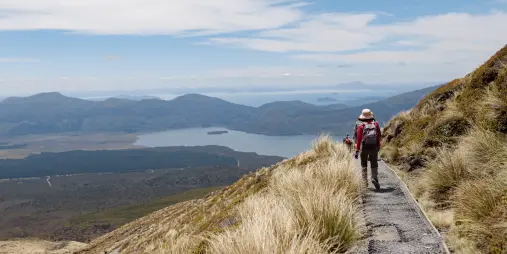
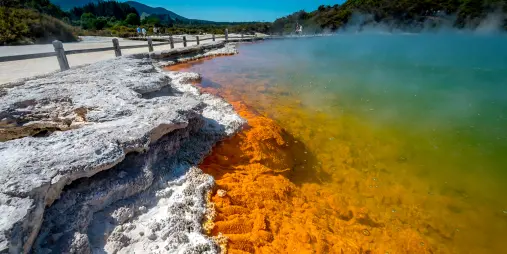
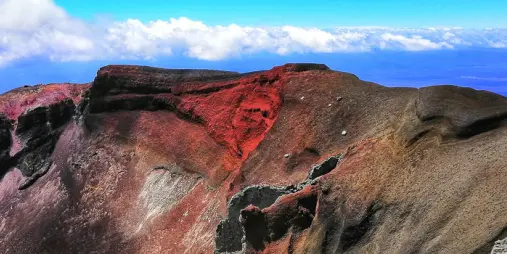
Starting in Auckland, routes can travel through the central North Island towards Wellington, with possible stops including Waitomo, Hobbiton, Rotorua, Lake Taupō and Tongariro National Park. This part of the journey can combine geothermal landscapes, Māori cultural experiences, volcanic scenery and outdoor activities.

From Wellington, the journey continues across Cook Strait to Picton. South Island routes can then incorporate Marlborough wine country, Kaikōura and Christchurch, while itineraries travelling further south may include Lake Tekapo, Aoraki/Mount Cook and Queenstown.

Routes travelling in the opposite direction can start in Christchurch or elsewhere in the South Island before crossing Cook Strait and continuing north towards Auckland. The advantage of a one-way itinerary is that you can experience both islands without having to retrace the same route.

Not every two-week road trip follows the same itinerary. Some packages concentrate on New Zealand's best-known highlights, while others place more emphasis on walking, nature and wildlife, scenic rail journeys or The Lord of the Rings filming locations.

2 Week New Zealand Self-Drive Routes

Two-week New Zealand self-drive routes vary according to where you start and finish, with north-to-south and south-to-north itineraries available. Auckland to Christchurch or Queenstown works well for travellers starting in the North Island, while Christchurch to Auckland allows you to travel in the opposite direction. The route you choose determines how much time is spent in each island and which regions can be included.

RouteGood ForCost
Auckland to QueenstownNorth Island geothermal and cultural highlights followed by South Island mountains and alpine lakesfrom NZ$4,400 per person
Auckland to ChristchurchNorth Island highlights, Cook Strait, Marlborough, Kaikōura and the upper South Islandfrom NZ$3,800 per person
Christchurch to AucklandSouth-to-north journeys combining South Island scenery with central North Island highlightsfrom NZ$4,200 per person
Wellington to QueenstownMore time in the South Island, with wine regions, coastlines and alpine sceneryfrom NZ$4,600 per person

Prices are approximate planning guides in New Zealand dollars and are generally based on two people sharing accommodation and a rental vehicle. Final prices depend on travel dates, accommodation standard, vehicle category and included experiences.

Is 2 Weeks Enough for Both Islands of New Zealand?

Two weeks is enough to visit both the North and South Islands of New Zealand, but it is best suited to a focused itinerary covering selected highlights rather than trying to see the entire country. Travelling one way between major cities helps make better use of your time, while limiting one-night stays can create a more comfortable pace.

For first-time visitors, a two-week both-island road trip can provide a good introduction to New Zealand's contrasting landscapes and experiences. The North Island can bring geothermal areas, Māori culture and volcanic scenery into the itinerary, while the South Island adds alpine landscapes, wine regions, lakes and dramatic coastlines.

There is inevitably a trade-off. Covering both islands means you won't have time to explore every region in depth. If you want to include more remote areas, several multi-day walks or longer stays in individual destinations, a three-week New Zealand self-drive holiday may be a better choice.

Travelling Between the North and South Islands

Self-drive holidays covering both New Zealand islands generally connect Wellington and Picton across Cook Strait. The ferry journey links the lower North Island with Marlborough at the top of the South Island, allowing your itinerary to continue in either direction between the two islands.
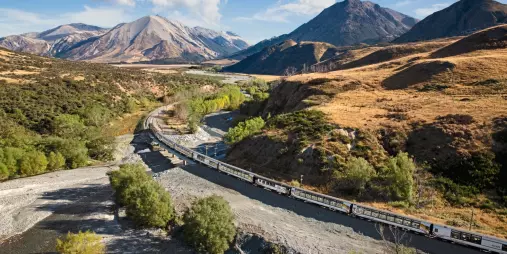
From Picton, southbound itineraries can continue through Marlborough and Kaikōura towards Christchurch, while other routes may explore more of the Top of the South before travelling onwards.

Frequently asked questions

Many self-drive packages offer the flexibility to choose from a range of accommodation options. You can often select the type of accommodation that suits your preferences and budget, whether it is hotels, motels / self-contained accommdation, or other types of lodging. Discuss your accommodation preferences with us when booking the package.

Our self-drive packages offer a range of rental car options to suit different preferences and group sizes. Common options include economy cars, sedans, SUVs, campervans, and 4WD vehicles. Choose a car that best fits your needs in terms of size, comfort, and terrain suitability.

Yes, all our self-drive packages are fully customisable. Discuss your requirements with us, so we can help you plan the perfect self-drive holiday that meets your requirements.

When driving in New Zealand, you must drive on the left, obey posted speed limits, wear seat belts and follow all road signs and give-way rules. Drivers should avoid using a hand-held mobile phone, never drive while impaired by alcohol or drugs, and always adjust their speed to the conditions. Extra care is needed on unfamiliar, rural and winding roads.

What Side of the Road Do You Drive on in New Zealand?

In New Zealand, all vehicles drive on the left-hand side of the road. If you are accustomed to driving on the right, take extra care when entering intersections, turning onto a new road or pulling out after stopping, as these are situations where it can be easy to revert to familiar driving habits.

Stay focused, particularly when you first begin driving in New Zealand or after a long break from driving. This can be especially important when collecting a rental car after arriving in Auckland, Christchurch or Queenstown and immediately beginning a self-drive holiday.

What Are the Speed Limits in New Zealand?

Speed limits vary depending on the road and location, so always follow the posted speed limit signs. A speed limit is the maximum permitted speed, not necessarily the safest speed for the conditions.

New Zealand has many winding, narrow and hilly roads where journeys can take longer than expected. This is particularly relevant when exploring regions such as the Coromandel, the West Coast, Fiordland and Central Otago, where scenic roads and changing terrain can make travel slower than the distance on a map might suggest.

Do You Have to Wear a Seat Belt in New Zealand?

Seat belts must be worn where fitted, and drivers are responsible for ensuring that applicable passenger restraint requirements are followed. Children must also use an appropriate approved child restraint when required for their age and circumstances.

Make sure everyone is safely restrained before beginning your journey, even when travelling only a short distance.

Can You Use a Mobile Phone While Driving in New Zealand?

There are strict restrictions on using a mobile phone while driving in New Zealand. Avoid handling your phone while driving and ensure any permitted hands-free or navigation functions are set up safely before you begin your journey.

If you need to make changes to your navigation, read a message or use your phone in a way that could distract you, find a safe and legal place to stop first.

What Are the Alcohol and Drug Driving Rules in New Zealand?

New Zealand has strict laws covering driving under the influence of alcohol and drugs. The safest approach is not to drive if you have been drinking alcohol or have taken anything that could impair your ability to drive safely.

This is particularly worth planning for when visiting wine regions such as Marlborough, Hawke’s Bay, Waiheke Island, Central Otago and the Waipara Valley. If you intend to enjoy wine tastings, consider joining an organised wine tour or arranging alternative transport rather than driving.

What Should You Expect When Driving on New Zealand Roads?

New Zealand roads can be very different from those you are accustomed to driving at home. Outside the main cities, roads are often narrower and more winding, with steep terrain, mountain passes, sharp bends, one-lane bridges and changing weather conditions requiring extra time and concentration.

This is especially noticeable on routes such as Queenstown to Milford Sound, Christchurch or Nelson to the West Coast, and journeys through the Coromandel Peninsula and alpine regions. Distances that appear short on a map can take longer than expected, so allow generous travel times, consider the road conditions and avoid covering too much distance in one day.

How Do Single-Lane Bridges Work in New Zealand?

Single-lane bridges are common on some New Zealand roads, particularly in rural and scenic areas. Road signs indicate which direction has priority, so slow down as you approach, check carefully for oncoming vehicles and give way when required.

You are more likely to encounter single-lane bridges when exploring rural areas and regions such as the Northland, Waikato, Manawatū-Whanganui, Canterbury, and the West Coast. Never assume you have priority simply because you reach the bridge first; read the signs carefully and make sure the bridge is clear before proceeding.

What Should You Watch for on Rural New Zealand Roads?

When driving through rural areas, you may encounter farm animals, agricultural machinery, logging trucks, campervans and other slow-moving vehicles. This can be particularly common when travelling through farming and forestry regions such as Waikato, Canterbury, Southland, Northland and the Central North Island.

Sheep and cattle may occasionally be moved along or across country roads. Slow down, follow any directions given by farmers or road workers and wait until it is safe to continue.

How Can Weather Affect Driving in New Zealand?

Weather and road conditions can change quickly, particularly in alpine, coastal and remote regions. Heavy rain, strong winds, fog, frost, ice and snow can make driving more challenging and may increase travel times.

Extra care may be required on alpine routes and mountain passes, including roads around Queenstown, Wānaka, Aoraki/Mount Cook, Arthur’s Pass and the Central Plateau. In winter, snow and ice can affect some roads, while heavy rain can create challenging conditions in areas such as the West Coast and Fiordland.

Check conditions before setting out, allow extra time and adjust your driving to suit the road and weather. If conditions deteriorate, slowing down or delaying your journey may be safer than trying to maintain your original schedule.

Should You Plan Fuel Stops in Remote Areas?

Fuel stations, food outlets and other services can be limited in remote parts of New Zealand, and some may have restricted opening hours. Plan your fuel stops in advance and avoid waiting until your tank is nearly empty before looking for the next service station.

This is particularly important when travelling through more remote parts of the South Island, including the West Coast, Mackenzie Country, Central Otago and Southland, or when taking longer scenic routes away from major towns. Check where services are available before setting out on a long driving day.

How Can You Stay Safe on a New Zealand Road Trip?

Plan realistic driving times, take regular breaks and avoid driving when tired. Share the driving where possible, stay alert for changing road and weather conditions, and allow more time than you think you may need when travelling on unfamiliar roads.

Driving is one of the best ways to explore destinations from Auckland and Rotorua in the North Island to Christchurch, Queenstown, the West Coast and Fiordland in the South Island. Drive to the conditions, stay patient and leave enough time to stop, rest and enjoy the places you discover along the way. Before starting your New Zealand road trip, visit DriveSafe for more information about New Zealand road rules, driving conditions and practical advice for international visitors planning to drive in New Zealand.

Yes, Australians can legally drive in New Zealand with a valid Australian provisional driver's licence, provided they comply with the conditions of their licence while driving. However, most major car rental and motorhome companies only hire vehicles to drivers with a full driver's licence, so a provisional licence may not be accepted for renting a vehicle.

Can Australians Drive in New Zealand with a Provisional Licence?

Yes. New Zealand allows visitors to drive using a valid Australian provisional driver's licence for the same class of vehicle shown on their licence.

While driving in New Zealand, you must continue to comply with all the conditions of your Australian provisional licence. For example, if your licence requires a zero blood alcohol limit or places other restrictions on your driving, those conditions continue to apply while you are driving in New Zealand.

Do You Need to Display P Plates in New Zealand?

No. Australian drivers using a provisional licence are not required to display Australian "P" plates while driving in New Zealand.

Although P plates are not required, you must still comply with all licence conditions and obey New Zealand's road rules, including speed limits, seat belt requirements and drink-driving laws.

What If My Driver's Licence Is Not in English?

If your driver's licence is not written in English, you must also carry:

  • An official English translation of your licence, or
  • A valid International Driving Permit (IDP) issued in your home country.

Both documents should be carried with your original driver's licence whenever you are driving in New Zealand.

Can You Rent a Car in New Zealand with a Provisional Licence?

In most cases, no. Almost all major car rental and motorhome companies in New Zealand require drivers to hold a full, unrestricted driver's licence.

Before booking a rental vehicle, check the rental company's licence requirements carefully, as these can vary between rental providers.

What Licence Do Most Rental Companies Require?

Most rental companies require:

  • A current full driver's licence.
  • The minimum driver age specified by the rental company.
  • Compliance with any additional licence or identification requirements.

Some companies may also apply young driver surcharges or minimum driving experience requirements.

Are There Any Situations Where You Cannot Drive in New Zealand?

Yes. You cannot legally drive in New Zealand if you have been disqualified or suspended from driving in New Zealand.

Even if you hold a valid overseas driver's licence, any New Zealand driving disqualification or suspension must be respected.

What Should Provisional Drivers Know Before Driving in New Zealand?

Before driving in New Zealand, make sure you:

  • Carry your valid Australian driver's licence at all times.
  • Continue to comply with all the conditions of your provisional licence.
  • Carry an official English translation or an International Driving Permit (IDP) if your licence is not in English.
  • Drive on the left-hand side of the road.
  • Obey all New Zealand road rules and speed limits.
  • Confirm that your rental company accepts provisional licences before making a booking.

Where Can You Check Driving and Rental Requirements?

Driving regulations and rental company policies can change over time. Before travelling, check the latest information with your chosen rental vehicle provider and review New Zealand's official driving guidance through DriveSafe to ensure you meet all current requirements.

In New Zealand, the minimum age to hire a car varies among rental agencies. Generally, most rental companies require drivers to be at least 21 years old to rent a car. However, some companies may have a minimum age requirement of 25 or even 18, but additional fees or restrictions may apply for younger drivers.

It's important to note that drivers under the age of 25 may be subject to a "young driver surcharge" imposed by rental agencies. This surcharge is an additional fee intended to cover the increased insurance risk associated with younger drivers.

To ensure accurate and up-to-date information regarding the minimum age requirements and any associated fees, it is recommended to directly contact the rental agency you are considering or refer to their website for specific details.

Additional reading

Sign up to our newsletter for special deals & exciting news.