

Lake Tekapo is a turquoise glacial lake and alpine village in New Zealand’s Mackenzie region, known for the Church of the Good Shepherd and exceptional stargazing within the Aoraki Mackenzie International Dark Sky Reserve. Allow one to two nights to experience the lake by day and night. Tekapo is around three hours from Christchurch and Queenstown and just over an hour from Aoraki/Mount Cook.
Best Things to Do in Lake Tekapo
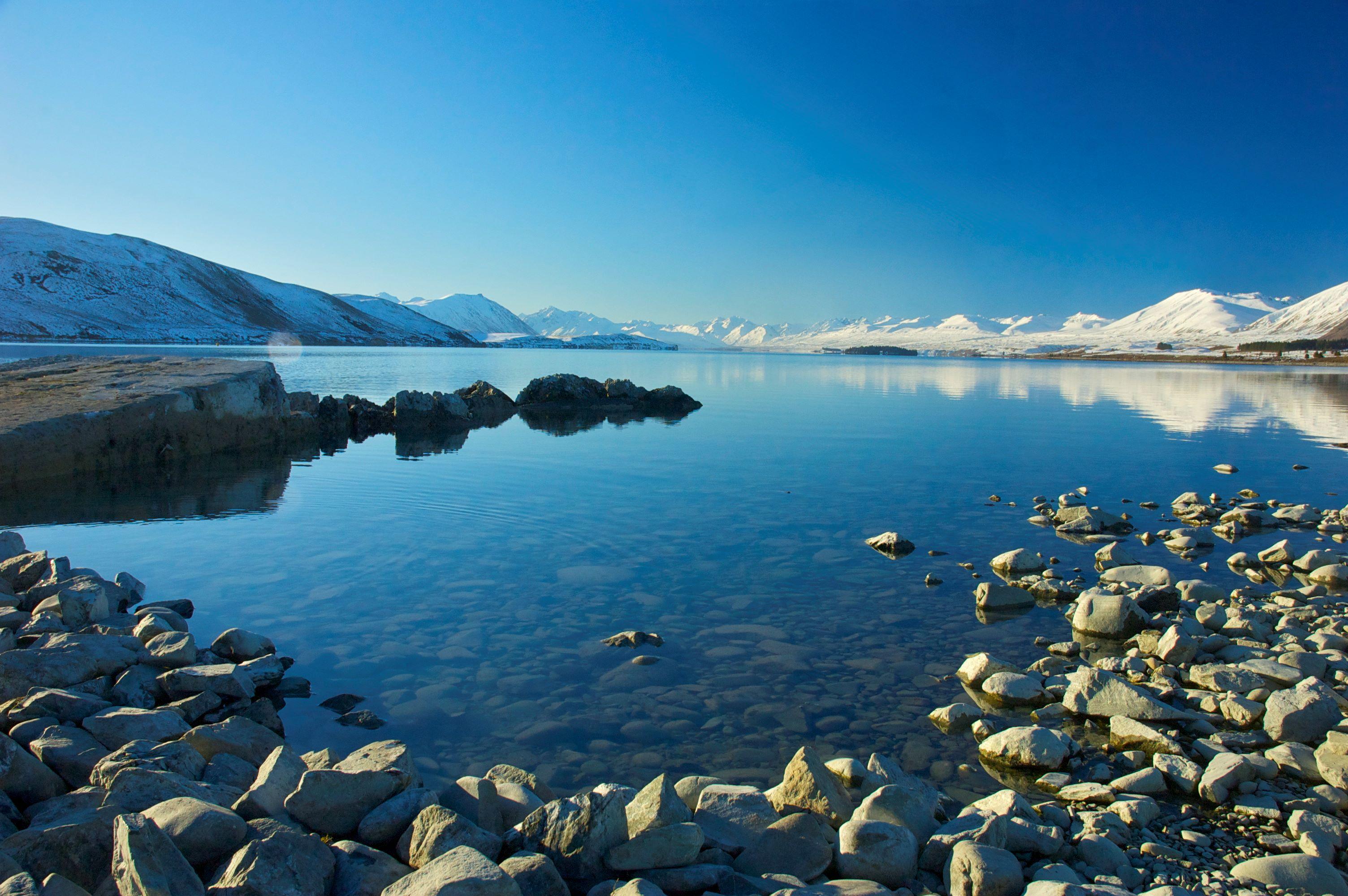
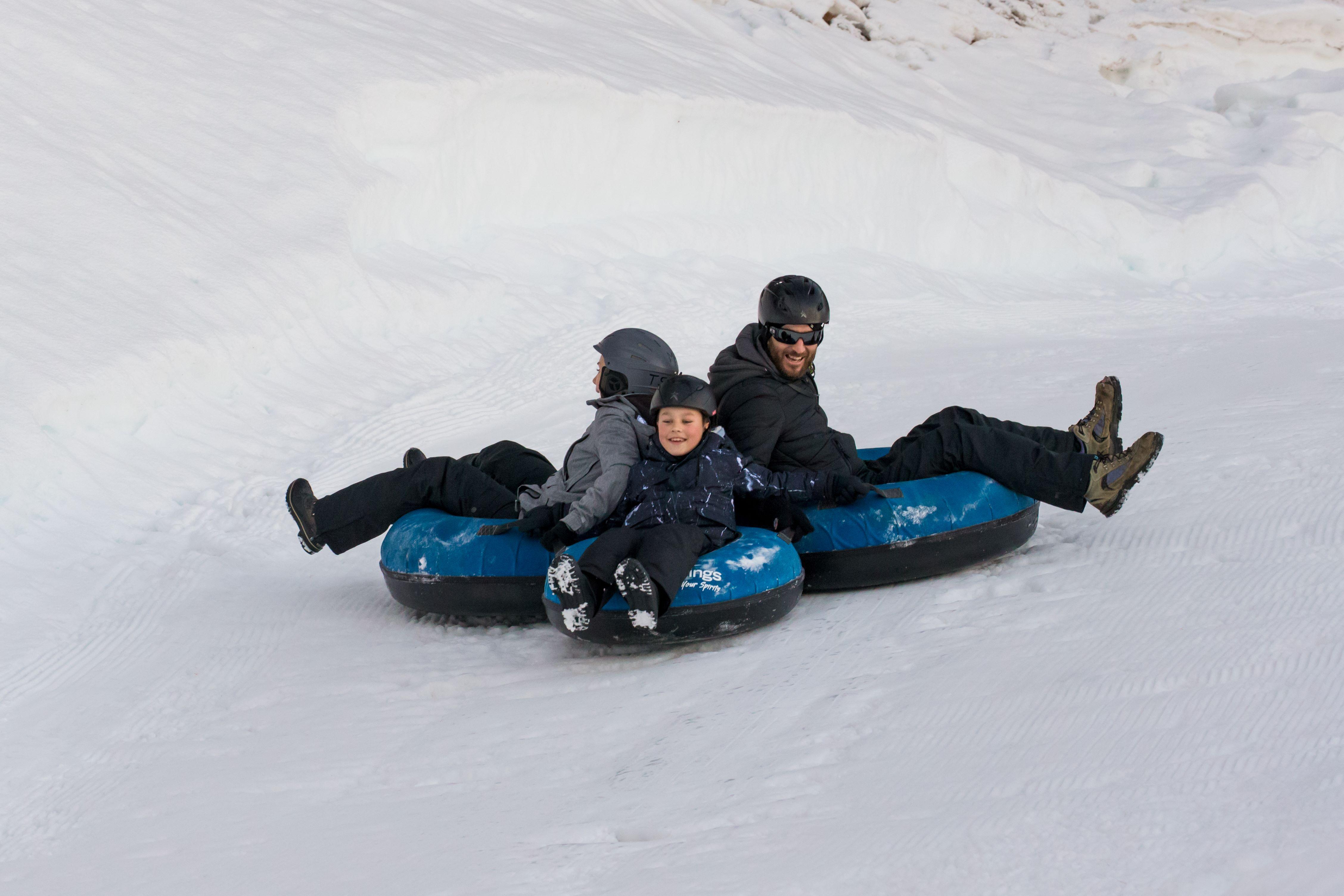
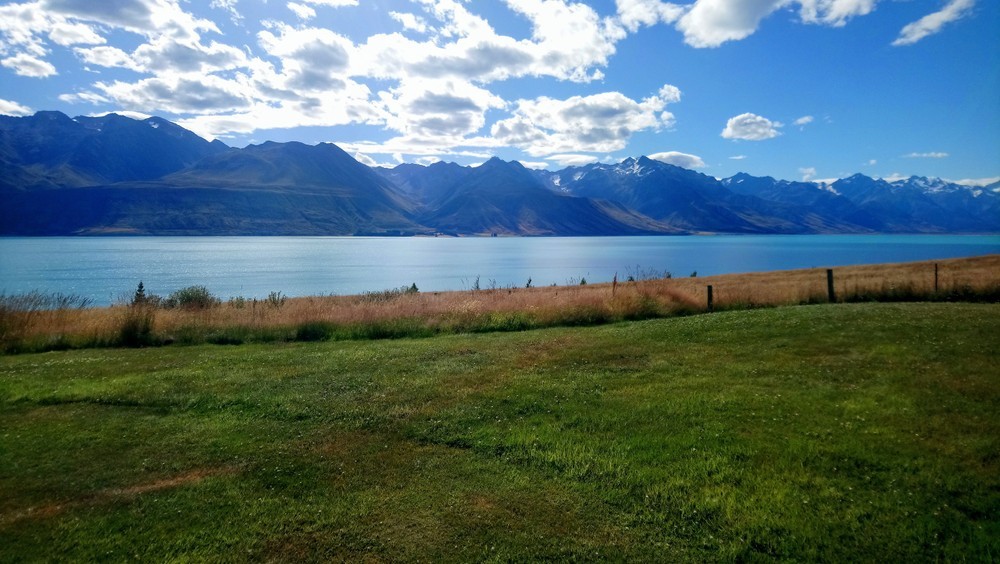
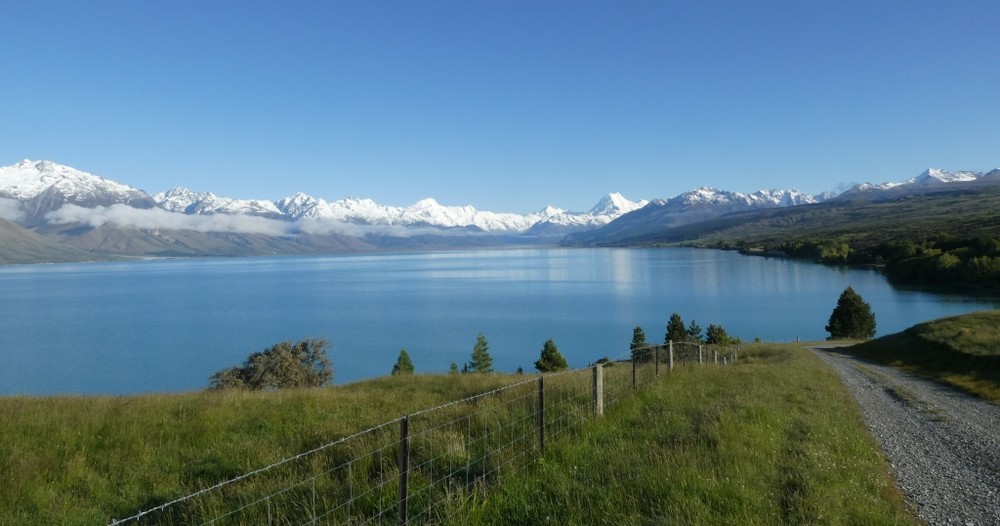
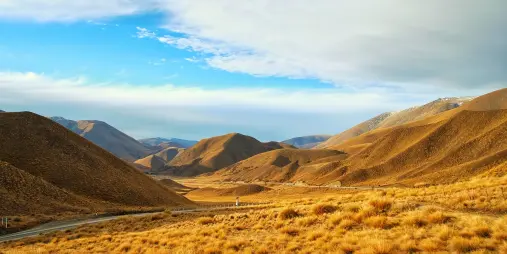
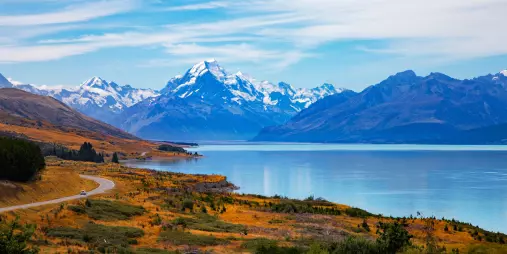
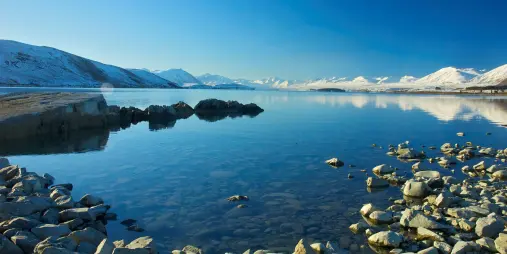
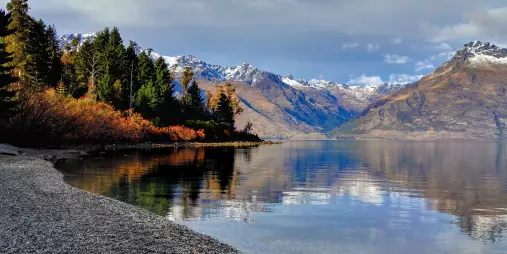
Lake Tekapo combines alpine scenery, stargazing, walking, hot pools and high-country experiences in one of the South Island’s most distinctive landscapes. Its turquoise colour comes from fine glacial sediment suspended in the water, while the Southern Alps form the backdrop. The village is compact, making many of its best-known sights easy to experience during a one- or two-night stay.
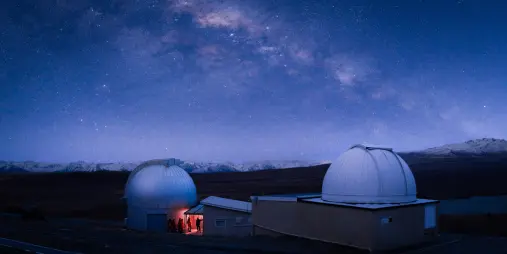
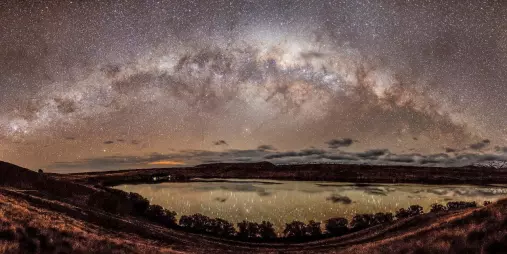
Tekapo’s appeal isn’t limited to daylight views. The area sits within the Aoraki Mackenzie International Dark Sky Reserve, making stargazing one of the main reasons to stay overnight rather than simply stopping on the drive between Christchurch and Aoraki/Mount Cook or Queenstown.
Some of the best things to do in Lake Tekapo include:
- Stargaze within the Aoraki Mackenzie International Dark Sky Reserve
- Visit the Church of the Good Shepherd
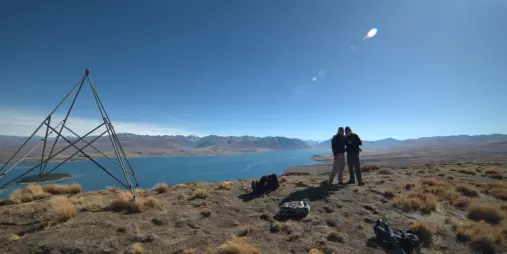
- Walk or drive up towards Mount John for elevated lake views
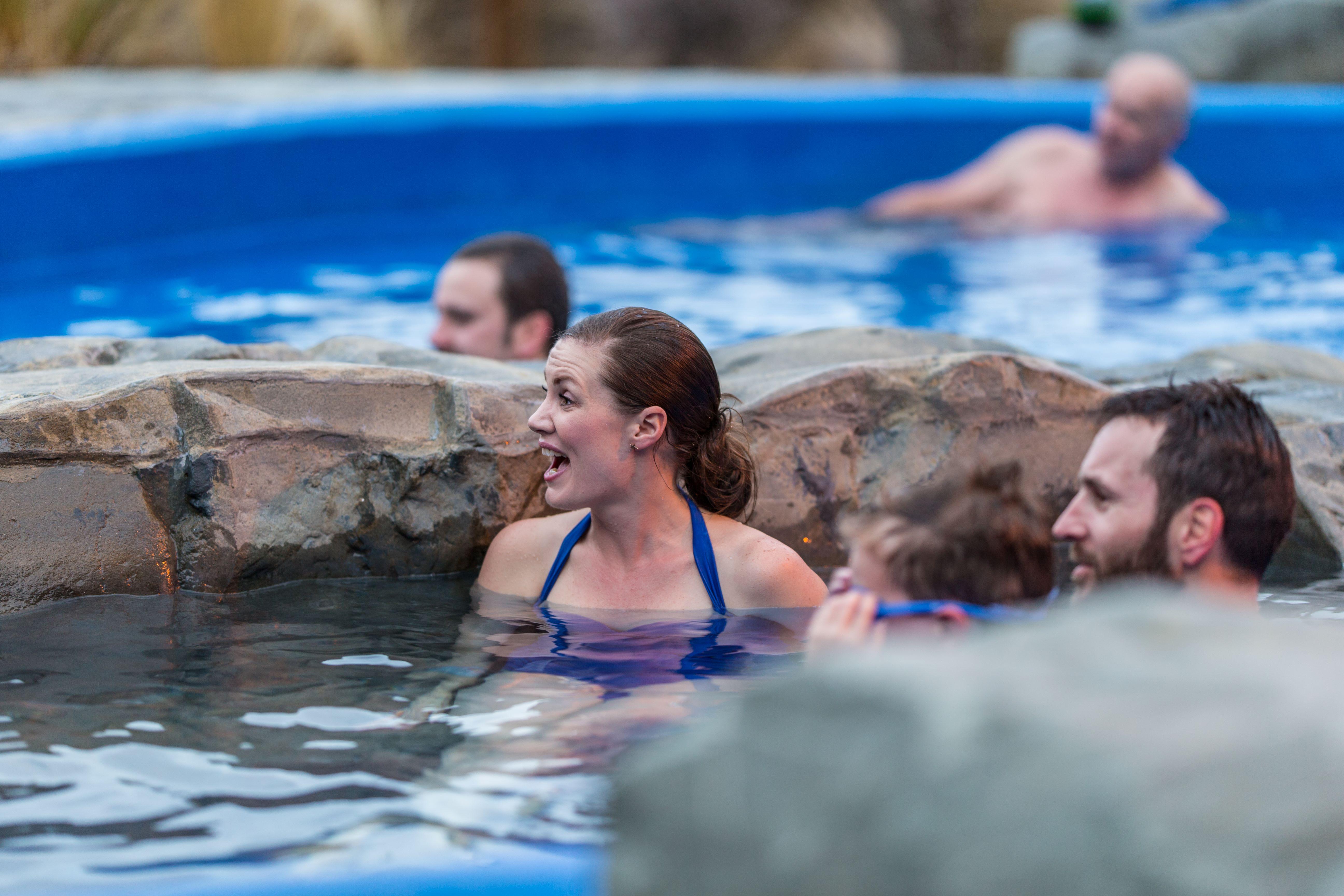
- Relax in the pools at Tekapo Springs
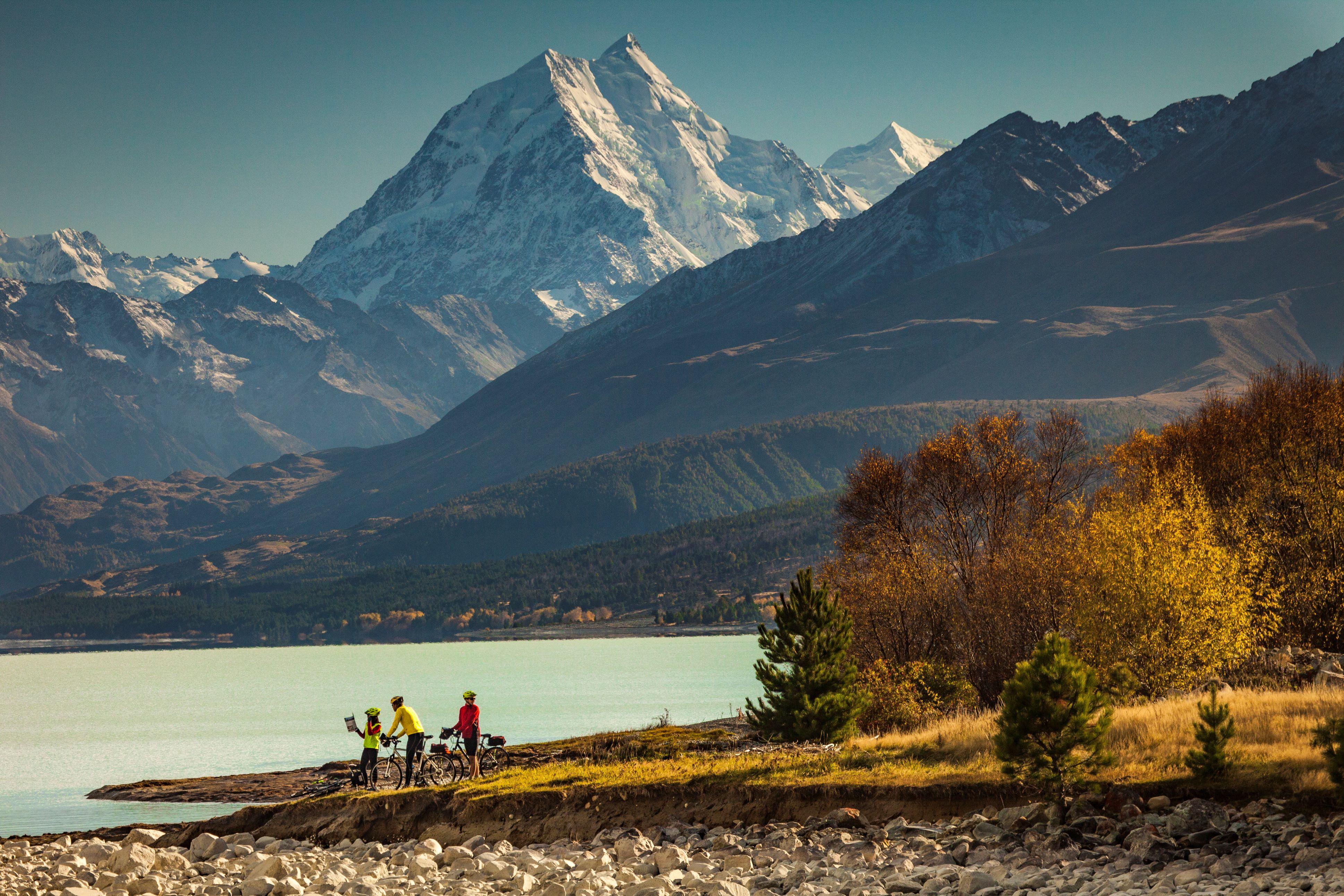
- Walk or cycle beside the lake
- Join a scenic flight over the Mackenzie Basin and Southern Alps
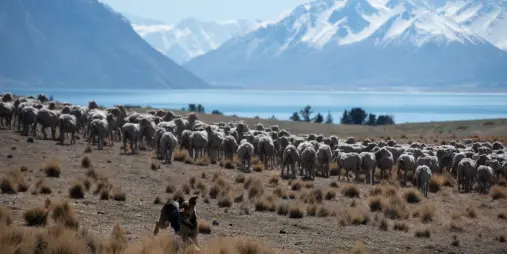
- Experience a working high-country station
- Hike around the surrounding Mackenzie landscape
- Cycle a section of the Alps 2 Ocean Cycle Trail
- Photograph seasonal wildflowers around the lake
The Church of the Good Shepherd and lakefront can be experienced relatively quickly, but staying overnight allows time for stargazing and makes it easier to explore beyond the village.
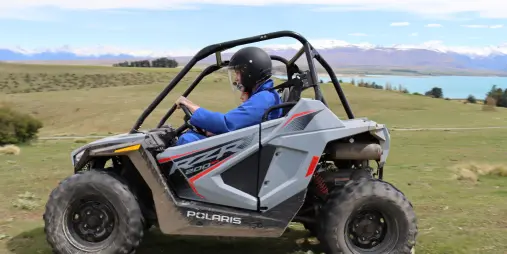
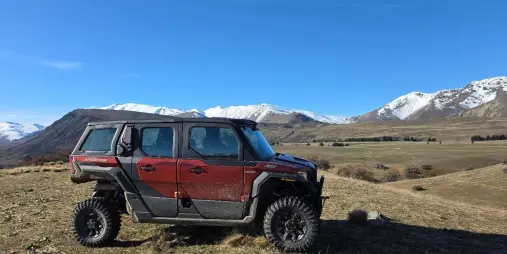
There are plenty of activities in the area that are worth doing like scenic flights, guided hikes, high-country farm experiences, off-road trips and transfers connecting Tekapo with Aoraki/Mount Cook, Christchurch and Queenstown.
Lake Tekapo Stargazing Experiences Compared
Lake Tekapo offers several different ways to experience the Aoraki Mackenzie International Dark Sky Reserve, from outdoor telescope viewing to an indoor astronomy experience. The best option depends on whether you want to visit an observatory, prefer a smaller stargazing setting, need an all-weather activity or want a more premium experience.
| Stargazing experience | Duration | Experience | Best For |
|---|---|---|---|
| Mt John Summit Experience | 1hr 45mins | Guided stargazing at Mt John Observatory | The iconic Lake Tekapo observatory experience |
| Crater Experience | 75 mins | Outdoor telescope viewing at Cowan’s Private Observatory | A smaller, more intimate stargazing experience |
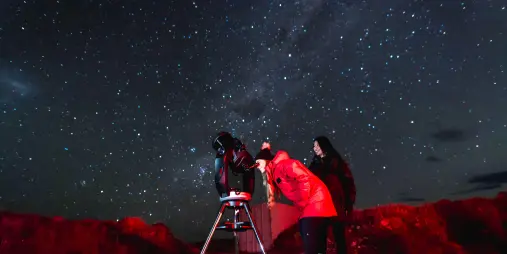
| Alpine Stargazing Experience | 2 hrs | Small-group outdoor stargazing with 14-inch telescopes | Travellers wanting telescope viewing and a photo under the stars |
| Ultimate Stargazing Experience | 2 hrs | Longer premium night-sky experience | Travellers wanting more time and added comfort |
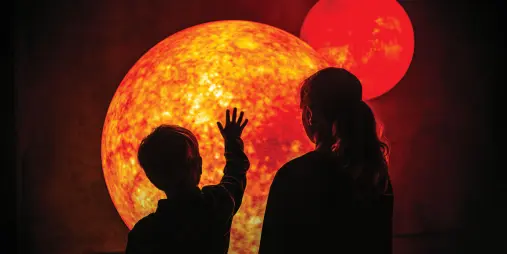
| Dark Sky Experience | 45-60mins | Indoor astronomy, Māori astronomy and interactive displays | Families, daytime visits and poor-weather alternatives |
Outdoor stargazing is weather dependent, so it is worth allowing some flexibility when planning your stay. If seeing the night sky is a priority, spending two nights in Tekapo gives you another opportunity if conditions are unsuitable on your first night.
Church of the Good Shepherd and Lake Tekapo Landmarks
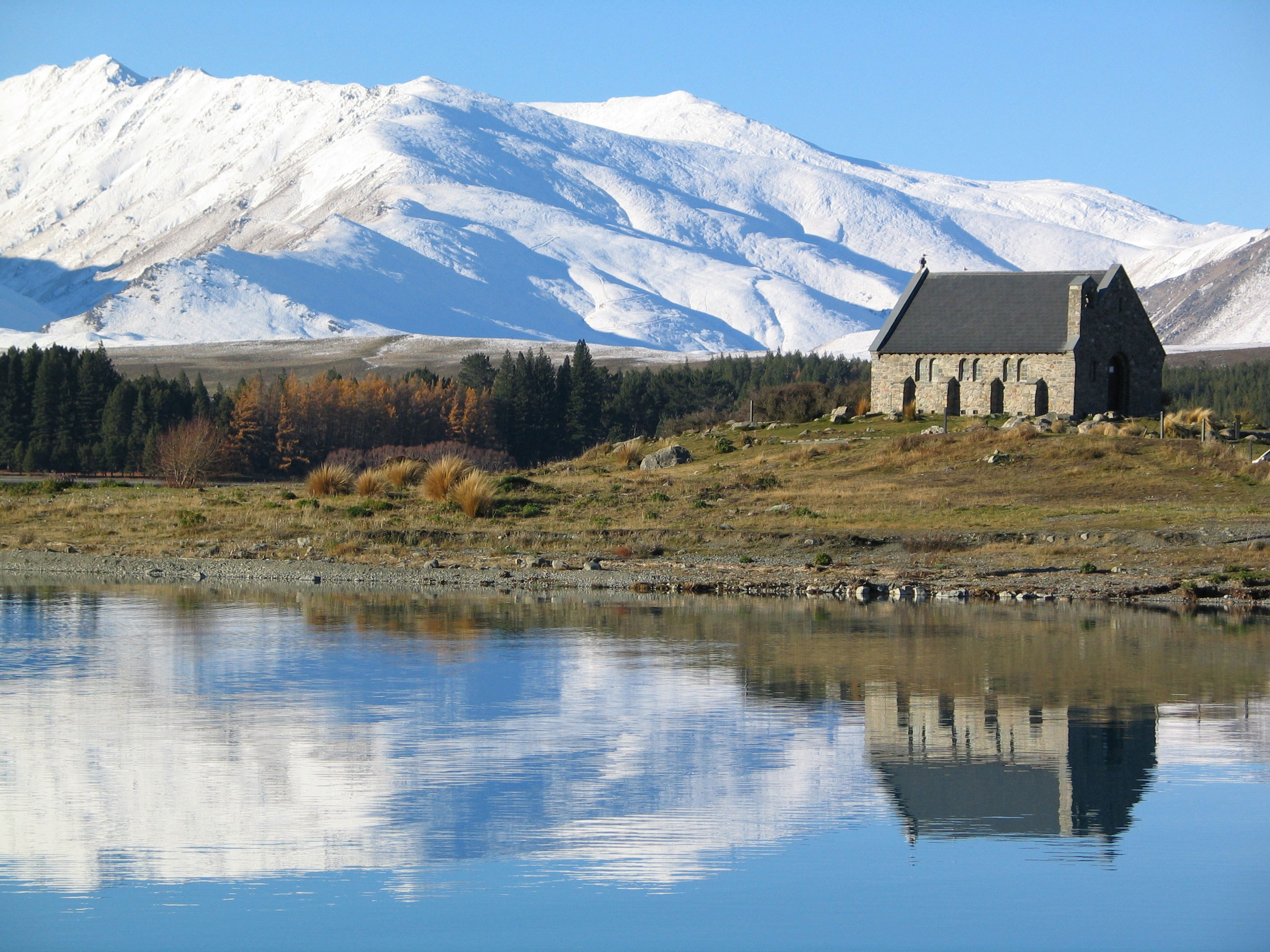
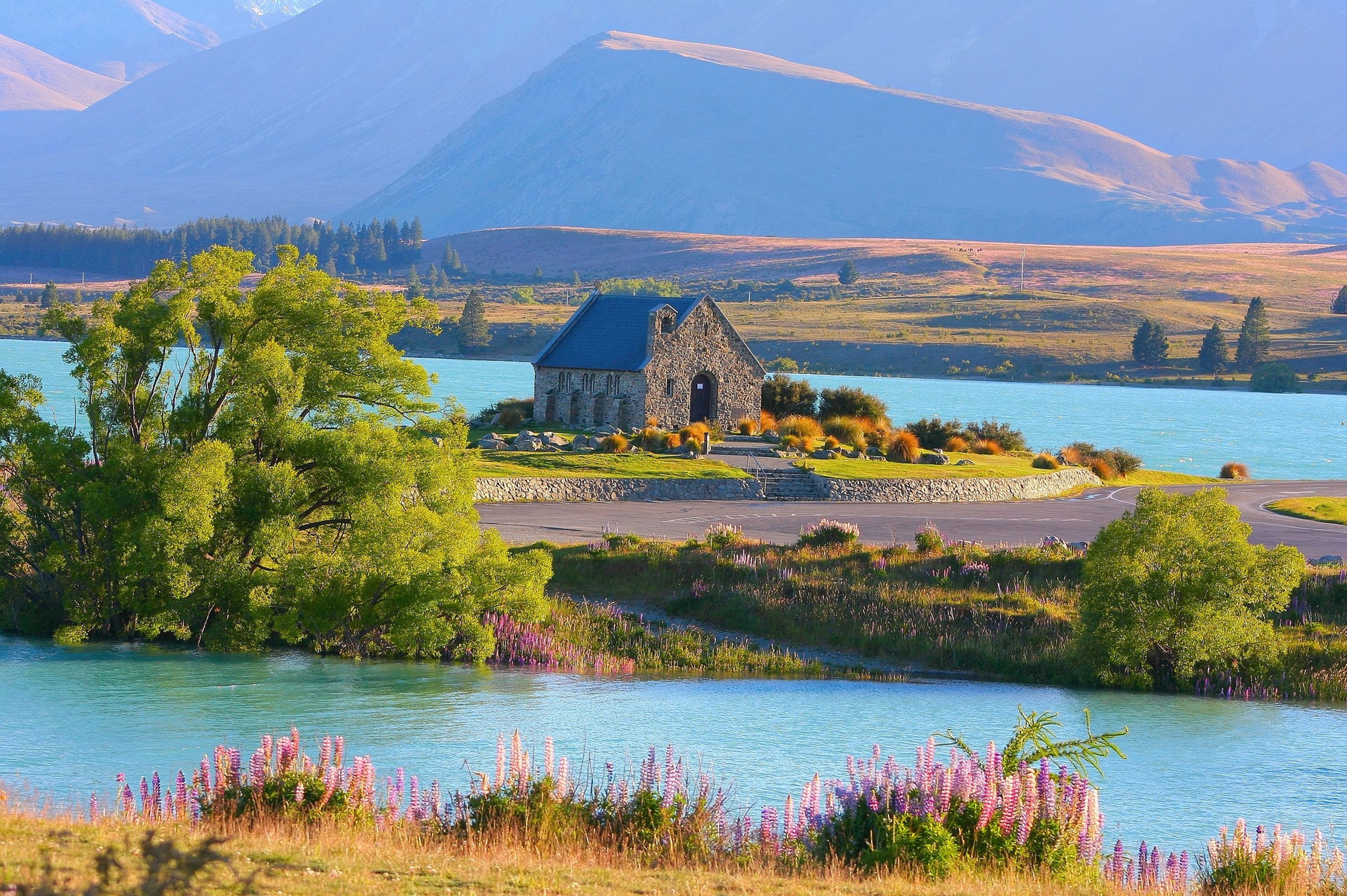
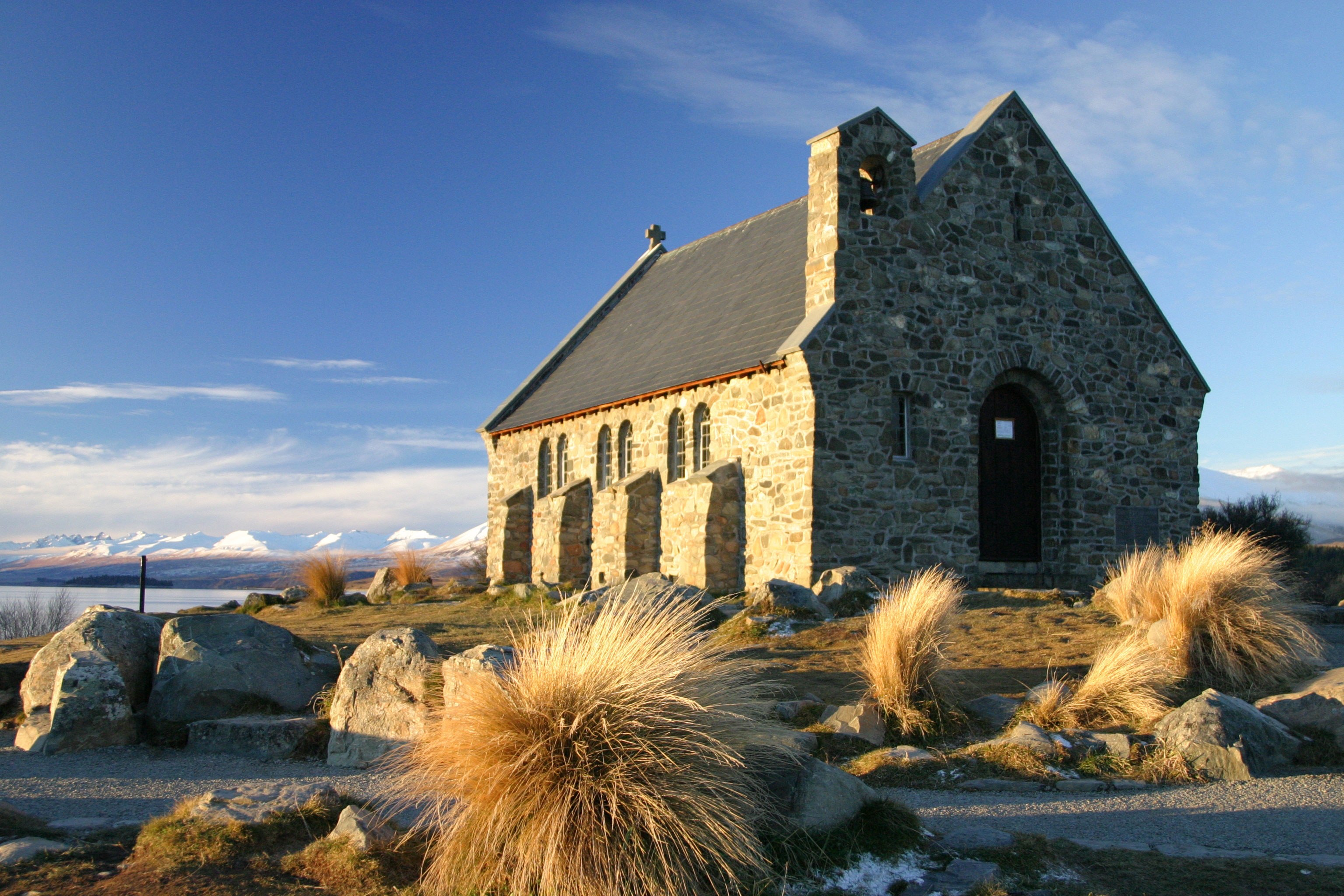
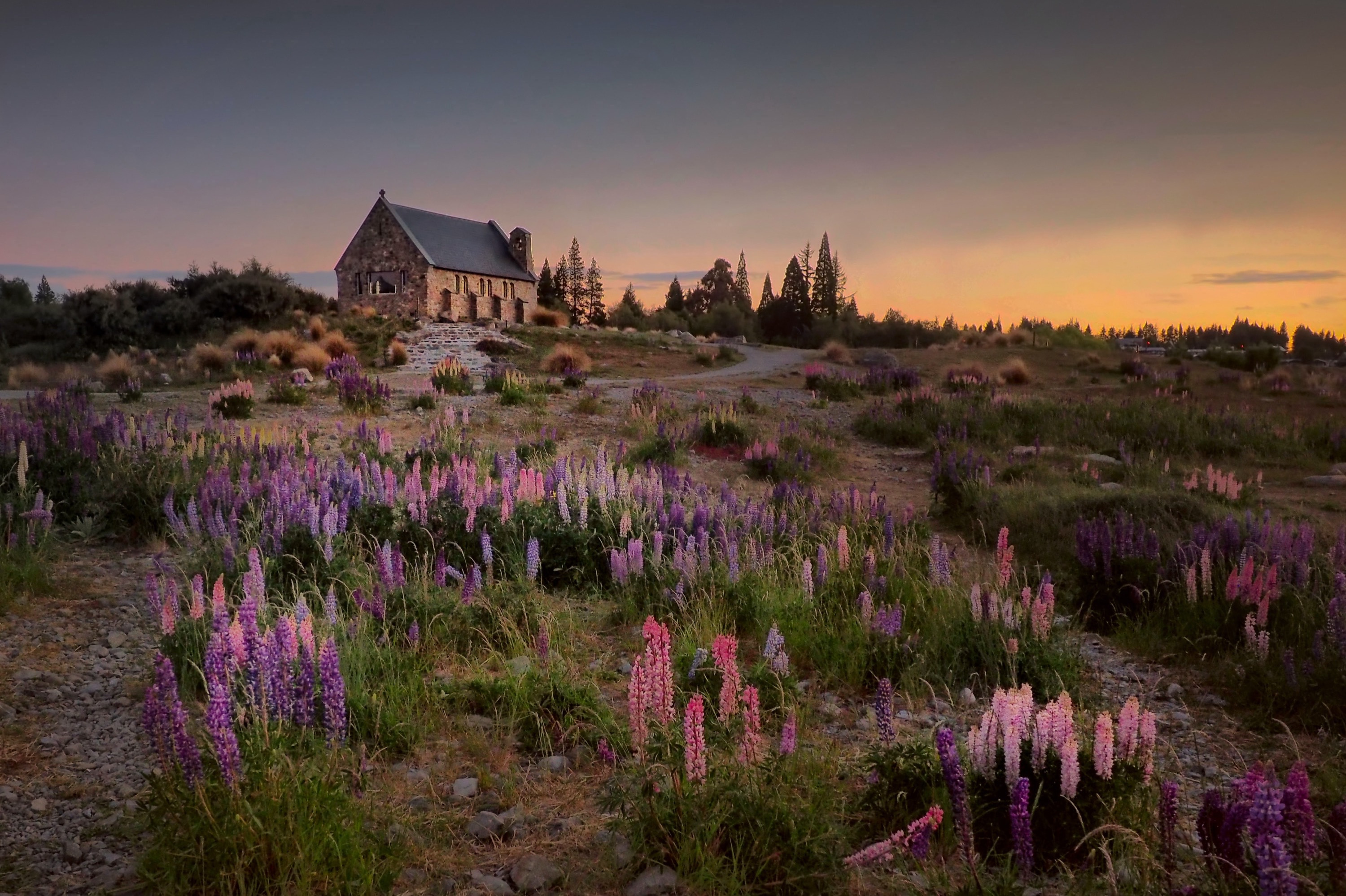
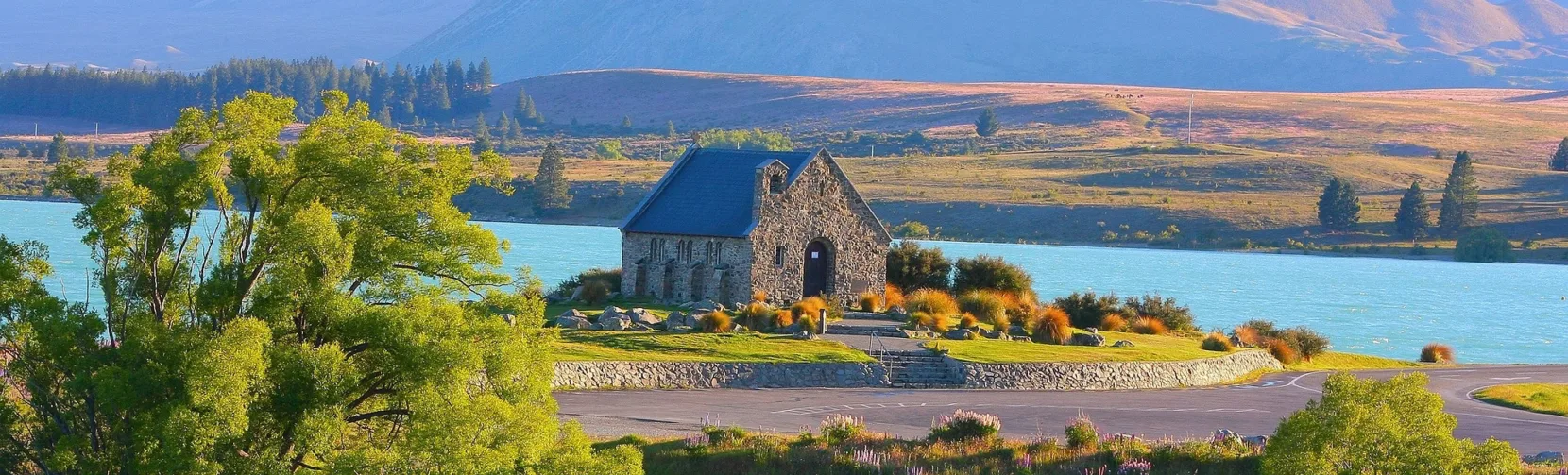
The Church of the Good Shepherd is Lake Tekapo’s best-known landmark, standing close to the turquoise lake with the Southern Alps beyond. Built from local stone, the small church has become one of New Zealand’s most photographed buildings and is an easy stop from the village centre.
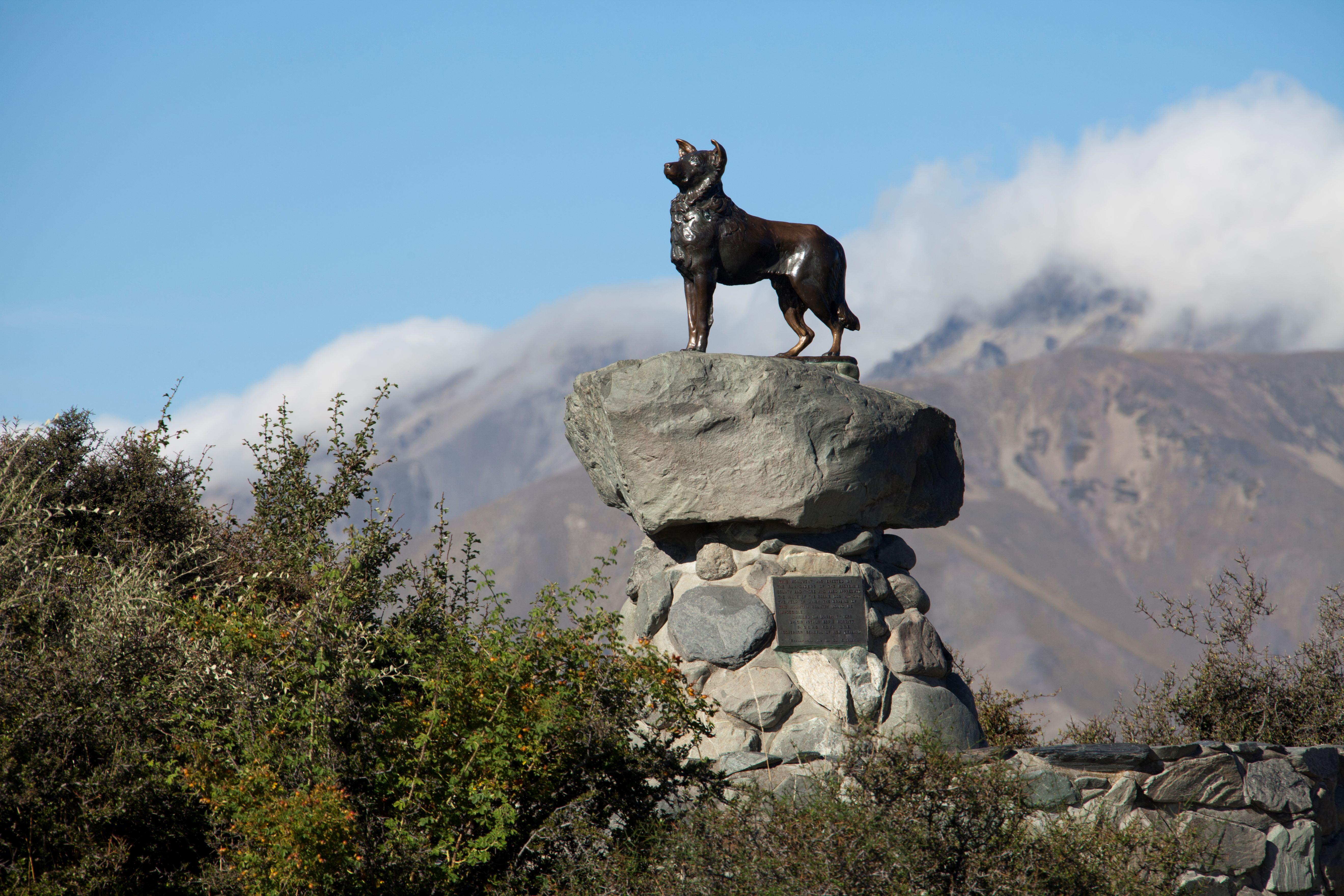
Nearby, the bronze sheepdog statue recognises the working collies that played an important role in farming the Mackenzie high country. Together, the church, statue and lakefront provide an easy introduction to the history and landscape of the area.
Photography is one of the most popular reasons to visit, but travellers should remember that the Church of the Good Shepherd remains a place of worship rather than simply a photo location.
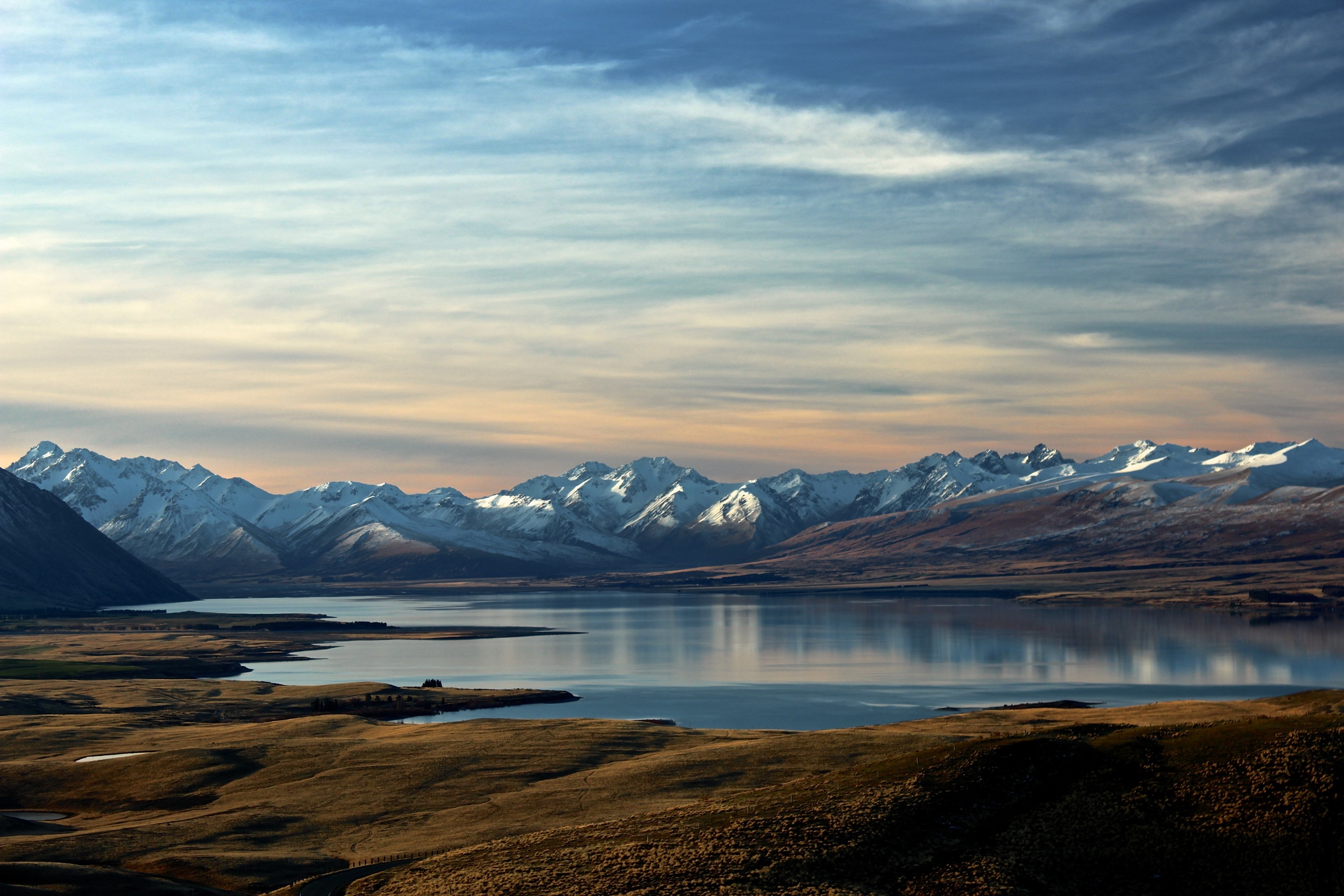
Beyond these familiar landmarks, Mount John provides one of the best elevated perspectives over Lake Tekapo and the wider Mackenzie Basin. From higher ground, the scale of the glacial landscape becomes much clearer, with expansive views over the lake, surrounding plains and Southern Alps.
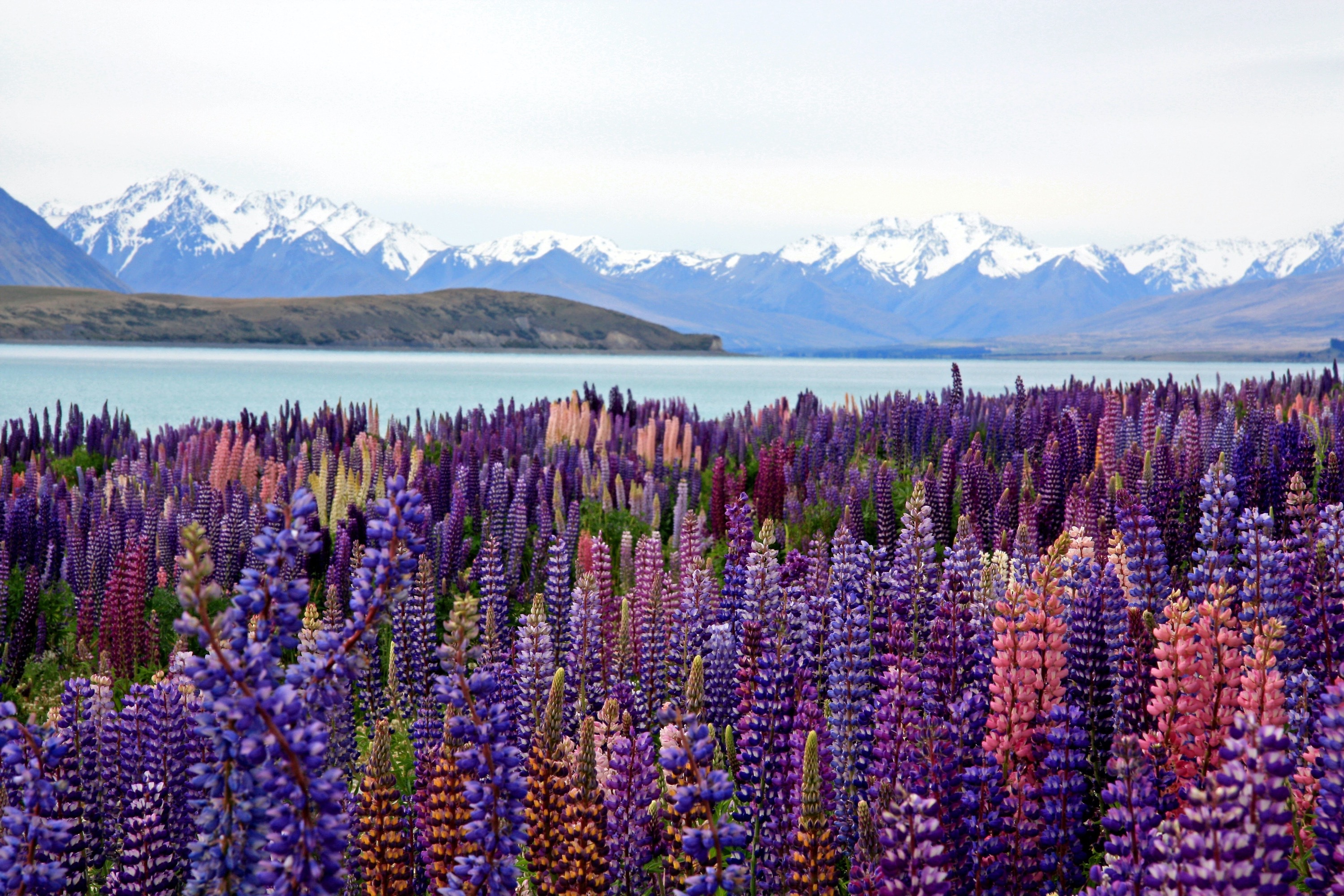
Seasonal colour can add another dimension to the lakefront. Wildflowers are particularly associated with late spring and early summer, although flowering conditions and timing vary each year.
Walking, Cycling and Outdoor Activities in Lake Tekapo
Lake Tekapo offers walking, cycling and high-country activities ranging from easy lakeside outings to elevated hikes overlooking the Mackenzie Basin. The village makes a convenient base for exploring on foot, while nearby trails and stations provide opportunities to experience the surrounding landscape away from the main lakefront.
The Lake Tekapo Walkway is an easy option for travellers wanting views without committing to a substantial hike. For more elevation, the Mount John area provides broad views over Lake Tekapo, Lake Alexandrina, the Mackenzie Basin and the Southern Alps.
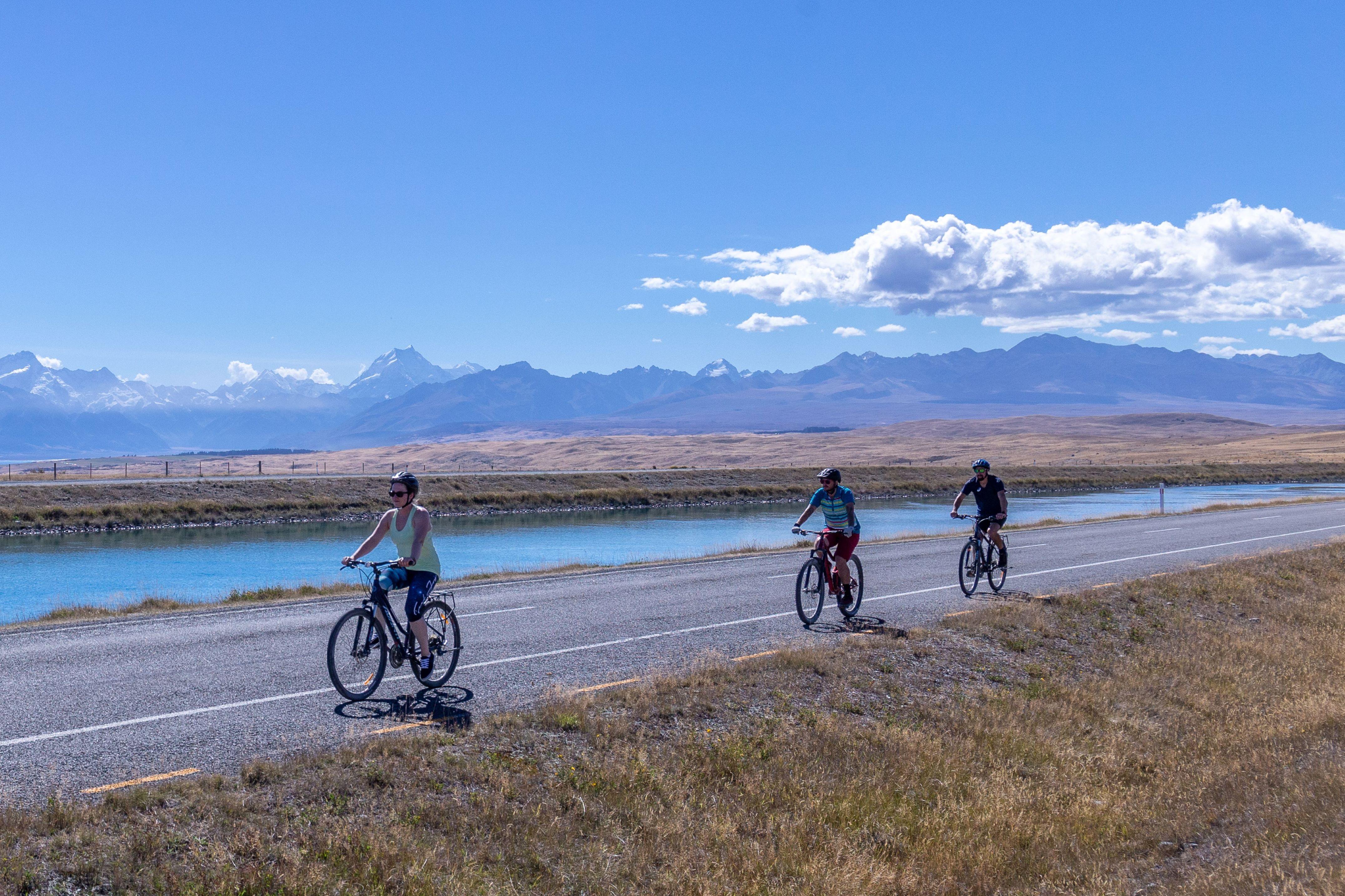
Cyclists can also experience part of the Alps 2 Ocean Cycle Trail, which passes through the wider Mackenzie region and connects some of the South Island’s most striking alpine landscapes.
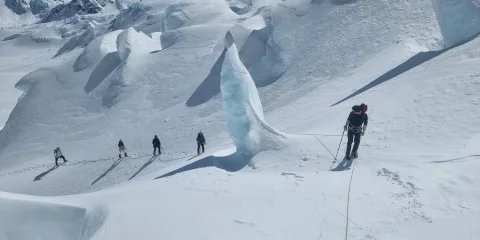
For travellers wanting to explore beyond the public walking trails, high-country experiences around Tekapo include guided hiking, farm tours, sheep mustering and off-road excursions.
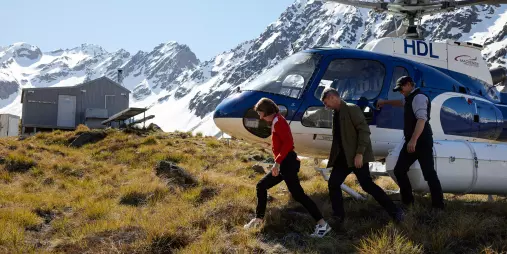
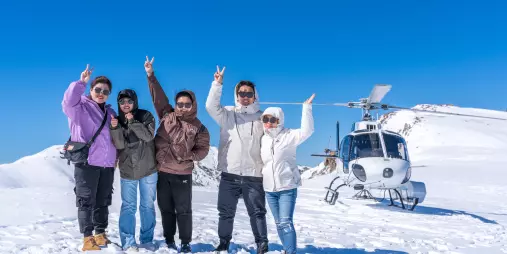
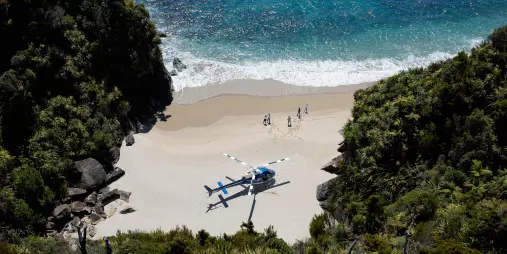
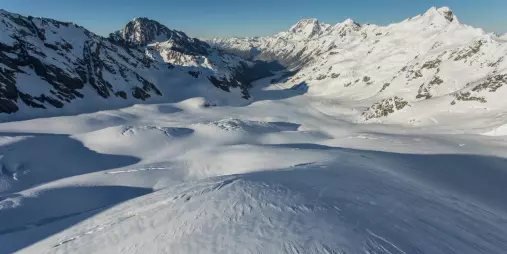
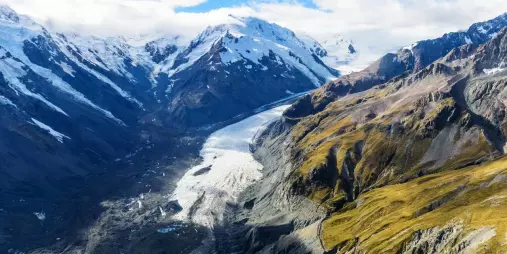
Scenic flights provide another perspective of the region. Flights from Lake Tekapo can travel over glacier-fed lakes, mountain ranges and the Southern Alps, with longer options reaching deeper into the alpine landscape.
The range of activities means Tekapo works for more than a brief photography stop. Travellers staying two nights can combine an outdoor daytime activity with stargazing after dark without having to rush between experiences.
Lake Tekapo sits on one of the South Island’s most popular touring routes, making it easy to include between Christchurch, Aoraki/Mount Cook and Queenstown. It is roughly three hours by road from Christchurch and Queenstown and just over an hour from Aoraki/Mount Cook, depending on conditions and stops.
A particularly natural South Island itinerary is:
Christchurch → Lake Tekapo → Aoraki/Mount Cook → Queenstown
Self-driving provides the greatest flexibility, particularly if you want to stop around the Mackenzie Basin or Lake Pukaki along the way.
Travellers without a vehicle can also include Tekapo in their itinerary. There are available one-way transfers and scenic touring options connecting Lake Tekapo with Christchurch, Aoraki/Mount Cook and Queenstown.
From Tekapo, you can:
- Travel directly to Aoraki/Mount Cook
- Visit Aoraki/Mount Cook as a day trip
- Continue to Queenstown via Aoraki/Mount Cook
- Travel directly to Christchurch
- Travel to Christchurch via Aoraki/Mount Cook
This makes Tekapo particularly useful for travellers who do not want to hire a car but still want to connect several major South Island destinations.
If self-driving in winter, allow additional time and check road and weather conditions before leaving. Frost, snow and ice can affect roads around the Mackenzie Basin and alpine passes.
One to two nights is enough for most visitors to Lake Tekapo. One night allows time to see the lakefront and Church of the Good Shepherd during the day and join a stargazing experience after dark, while two nights provide more time for walking, hot pools, high-country activities or a scenic flight.
A one-night stay works well if Tekapo is primarily a stop between Christchurch and Aoraki/Mount Cook or Queenstown. Arrive during the afternoon, explore the lakefront, stay for a night-sky experience and continue your journey the following morning.
Choose two nights if stargazing is important to you. Outdoor astronomy experiences depend on weather and cloud cover, so an additional night provides more flexibility. Two nights also give you a full day for Mount John, Tekapo Springs, cycling, hiking or one of the high-country experiences outside the village.
Longer stays can suit travellers wanting a slower pace or using Tekapo as a base for exploring the wider Mackenzie region.
Accommodation in and around the village ranges from hotels and motels to apartments, holiday homes and more secluded stays. Staying close to the village makes it easy to reach restaurants and the lakefront, while accommodation further out can provide a quieter high-country setting.
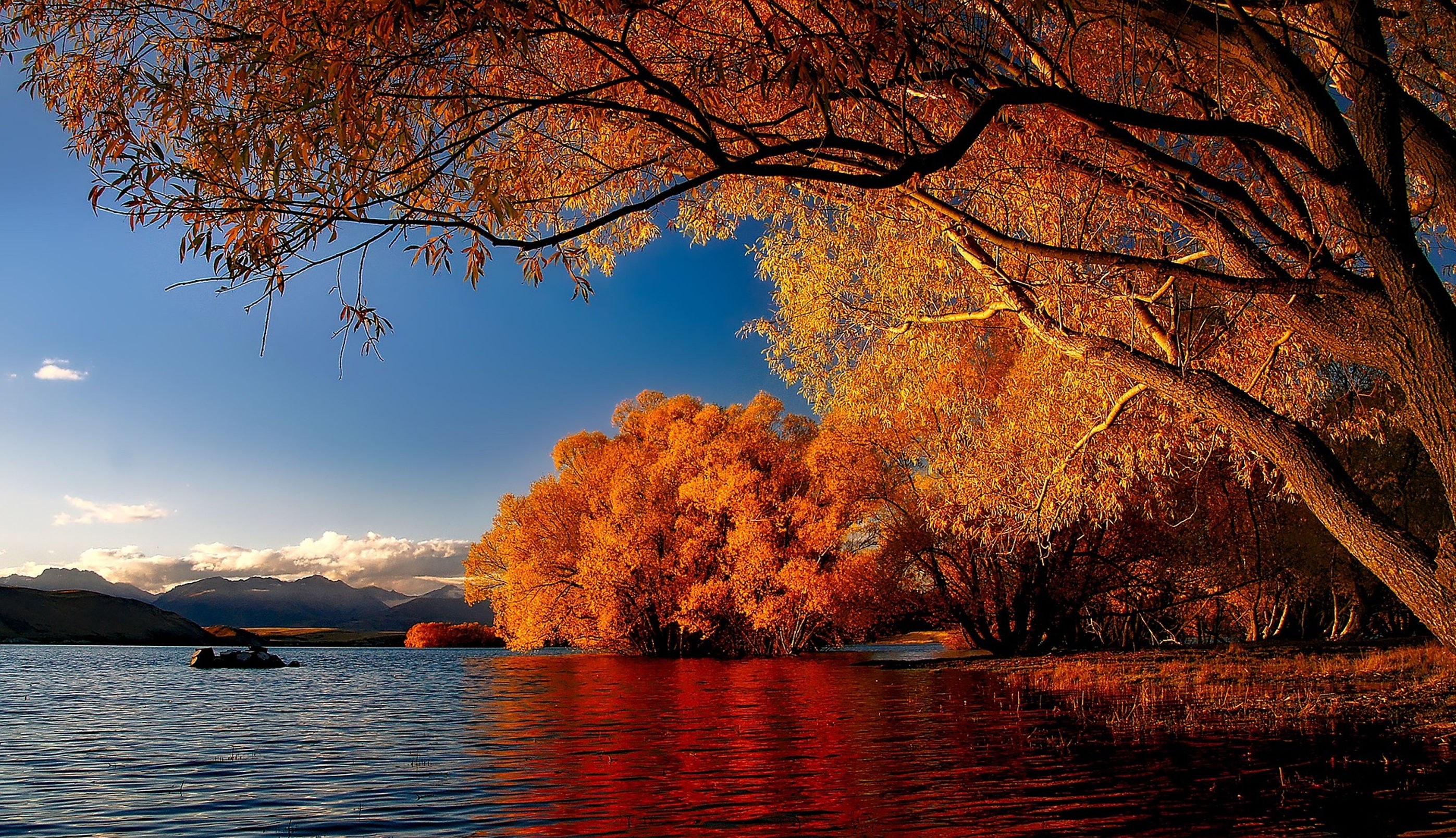
Lake Tekapo is a year-round destination, with summer favouring longer daylight hours and outdoor activities, autumn bringing cooler conditions and changing colours, winter offering snow-covered alpine scenery, and spring combining warming weather with seasonal flowers. Stargazing operates throughout the year, subject to cloud and weather conditions.
Summer, from December to February, brings long daylight hours and is well suited to walking, cycling and sightseeing. Late spring and early summer are also associated with the colourful lupins seen around parts of the Mackenzie region.
Autumn, from March to May, brings cooler days and can be a quieter period for exploring the region.
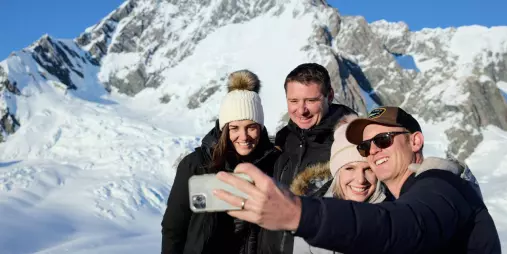
Winter, from June to August, transforms the surrounding mountains and high country with snow. Clear winter nights can be excellent for stargazing, but temperatures after dark can be very cold and road conditions should be checked when driving.
Spring, from September to November, brings longer days and changing alpine conditions as the region moves out of winter.
There is therefore no single best month for every traveller. Choose the season according to what you most want to do: summer for longer days and outdoor exploration, winter for snowy alpine scenery, or the shoulder seasons for cooler conditions and potentially fewer visitors.
Whatever the season, pack layers. The Mackenzie Basin can experience considerable temperature differences between daytime and night, particularly when joining an outdoor stargazing tour.
Lake Tekapo sits within a landscape shaped by glaciation, Māori history and generations of high-country farming. The Māori name Takapō is associated with the area, while the wider Mackenzie Basin has long-standing cultural significance and later became closely identified with sheep farming and pastoral life.
The distinctive turquoise lake was formed through glacial processes. Fine particles of rock, often called glacial flour, remain suspended in the water and scatter light, producing the colour for which Tekapo is famous.
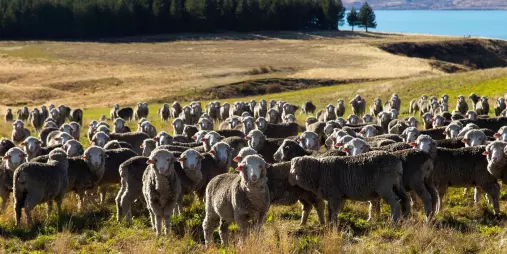
High-country farming later became a defining part of the European history of the Mackenzie Basin. The bronze sheepdog monument beside the lake acknowledges the importance of working dogs to shepherds managing sheep across the region’s vast open country.
That pastoral heritage remains visible today. Working stations continue to operate around Lake Tekapo, and visitors can experience aspects of high-country life through farm tours, sheepdog demonstrations and mustering experiences. Go New Zealand's current Tekapo listings include both Mt Hay farm and sheep-mustering experiences.
The landscape has another important modern identity after dark. Protection of the Mackenzie Basin's exceptionally dark skies has made astronomy and night-sky tourism central to the visitor experience.
Together, the glacial lake, high-country landscape, cultural history and night sky explain why Tekapo is more than a scenic stop between larger South Island destinations.