Search icon
Browse Experience Types

New Zealand hiking and walking experiences range from short day walks to guided multi-day hikes and self-drive holidays, including the Tongariro Alpine Crossing, Milford Track and Abel Tasman Coast Track. Allow a few hours for local trails or three to five days for many Great Walks. October to April generally offers the best conditions. Day hikes start from around NZ$120, while multi-day walks start from about NZ$1,045.

New Zealand Hiking and Walking Experiences

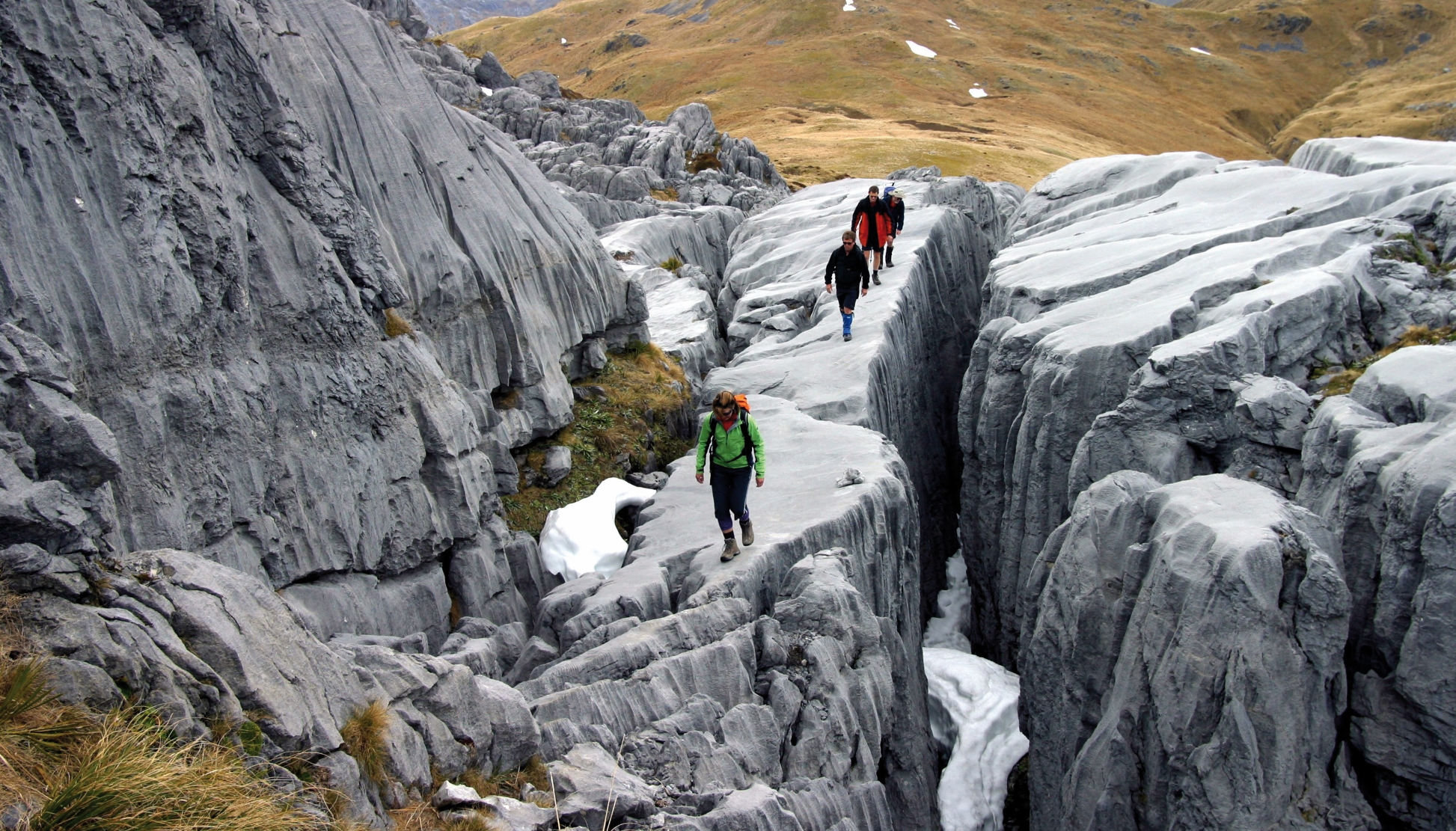
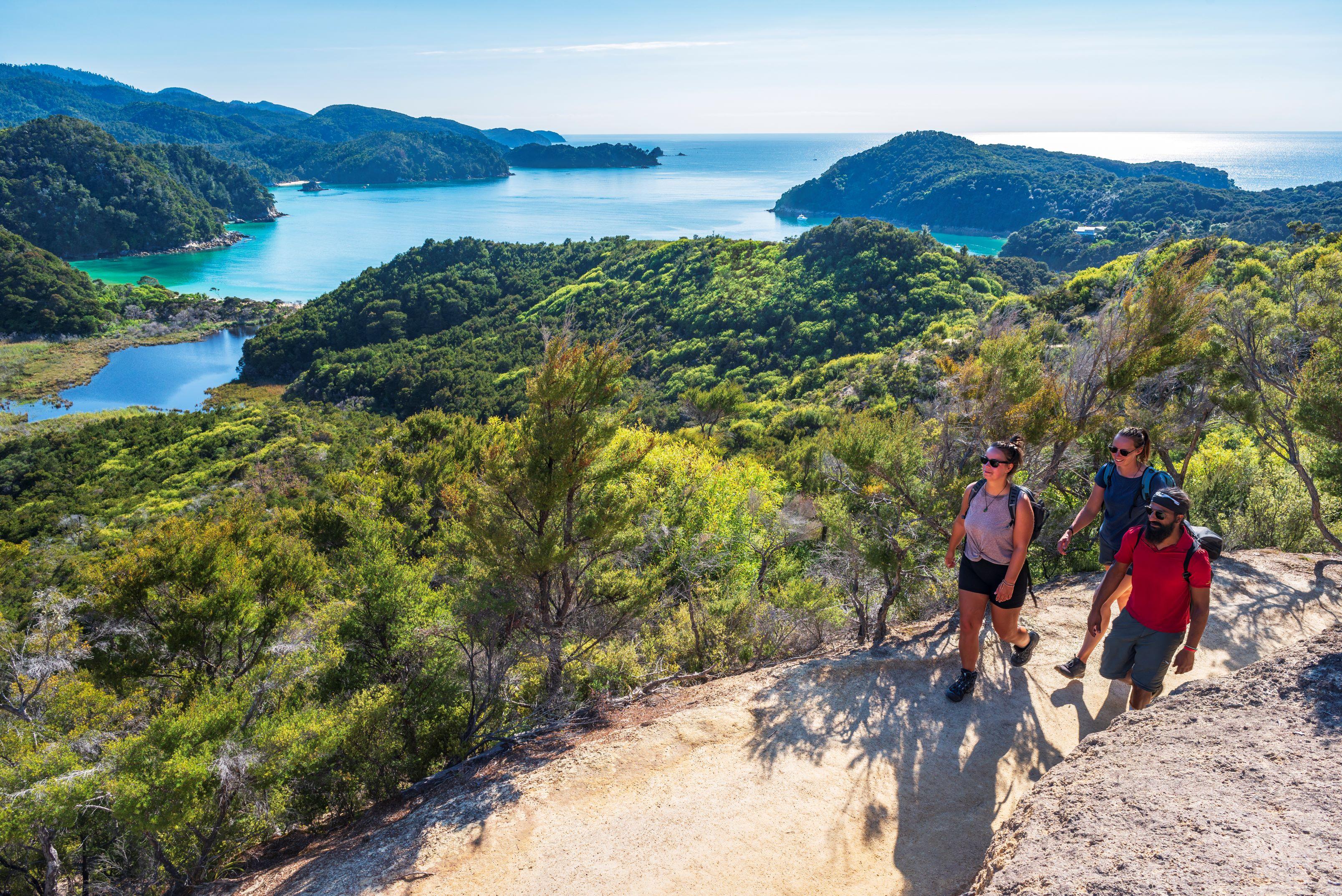
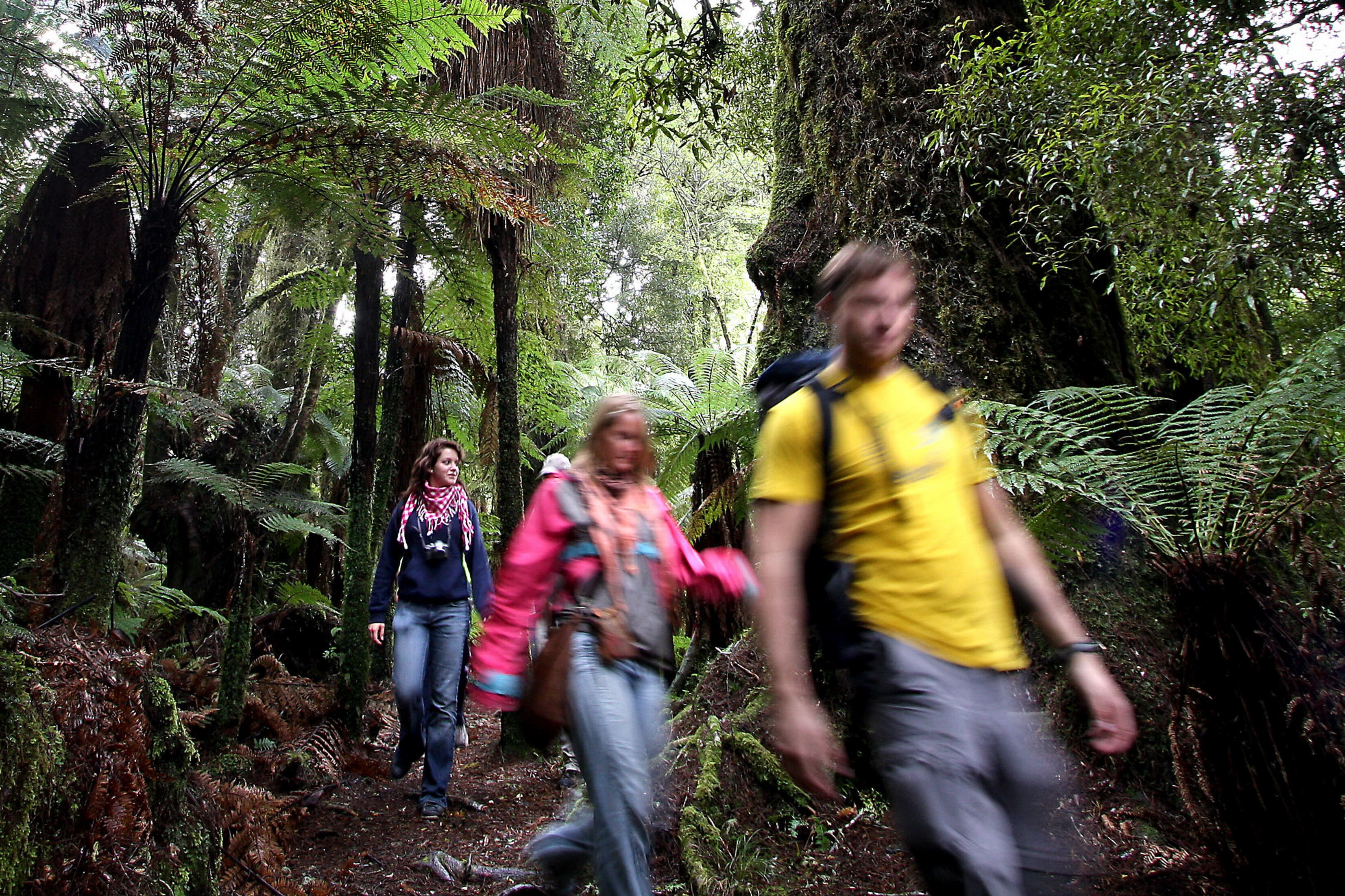
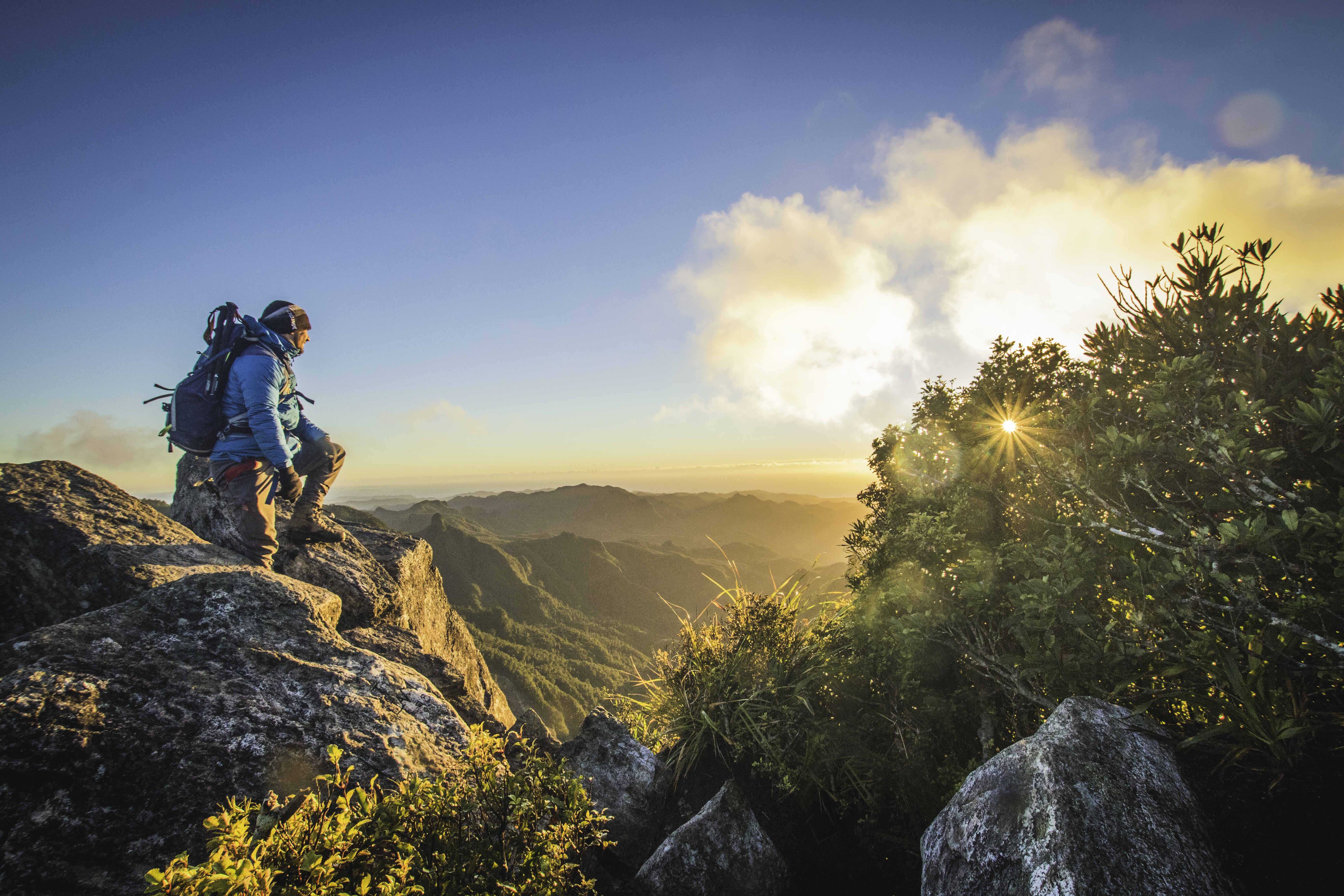
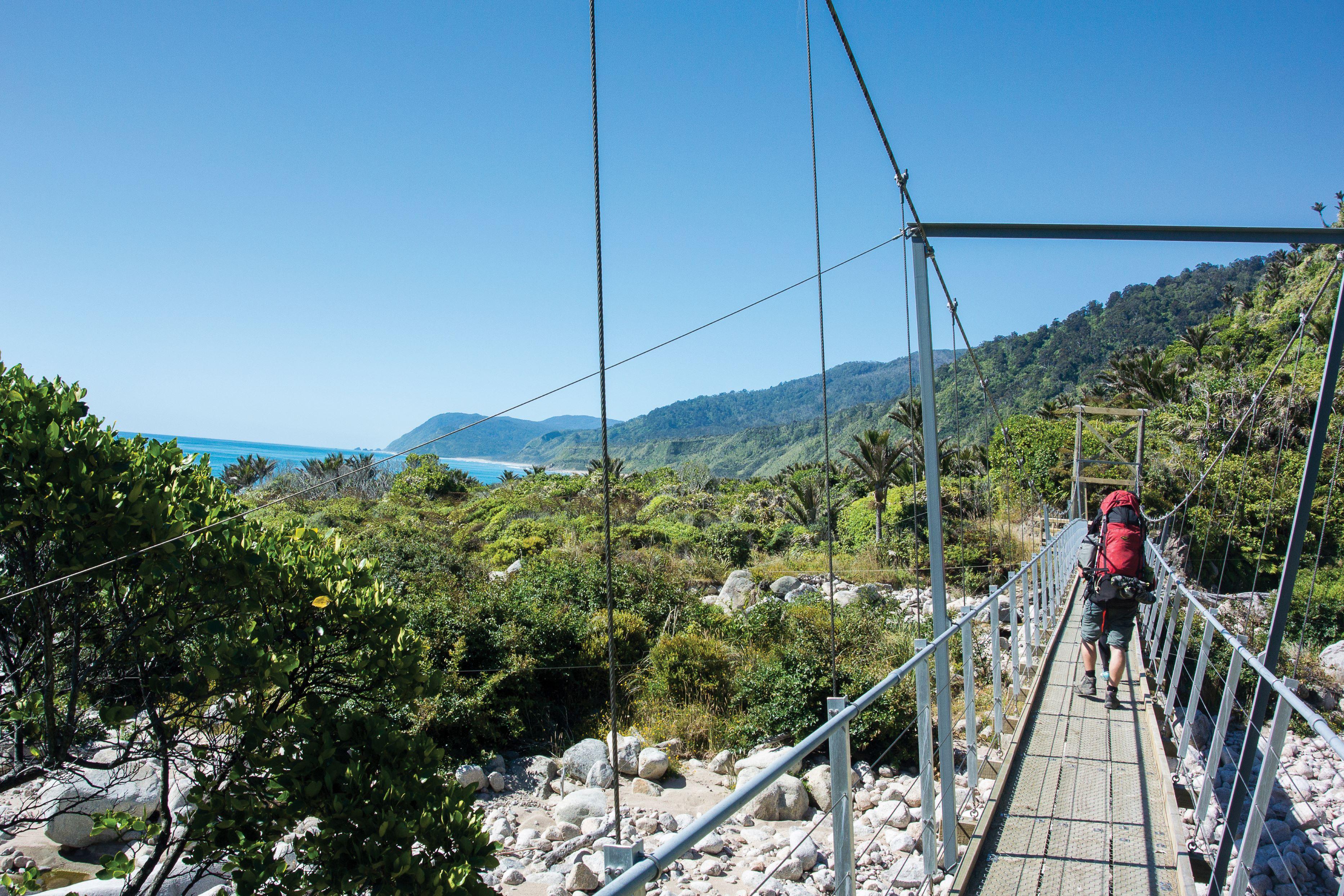
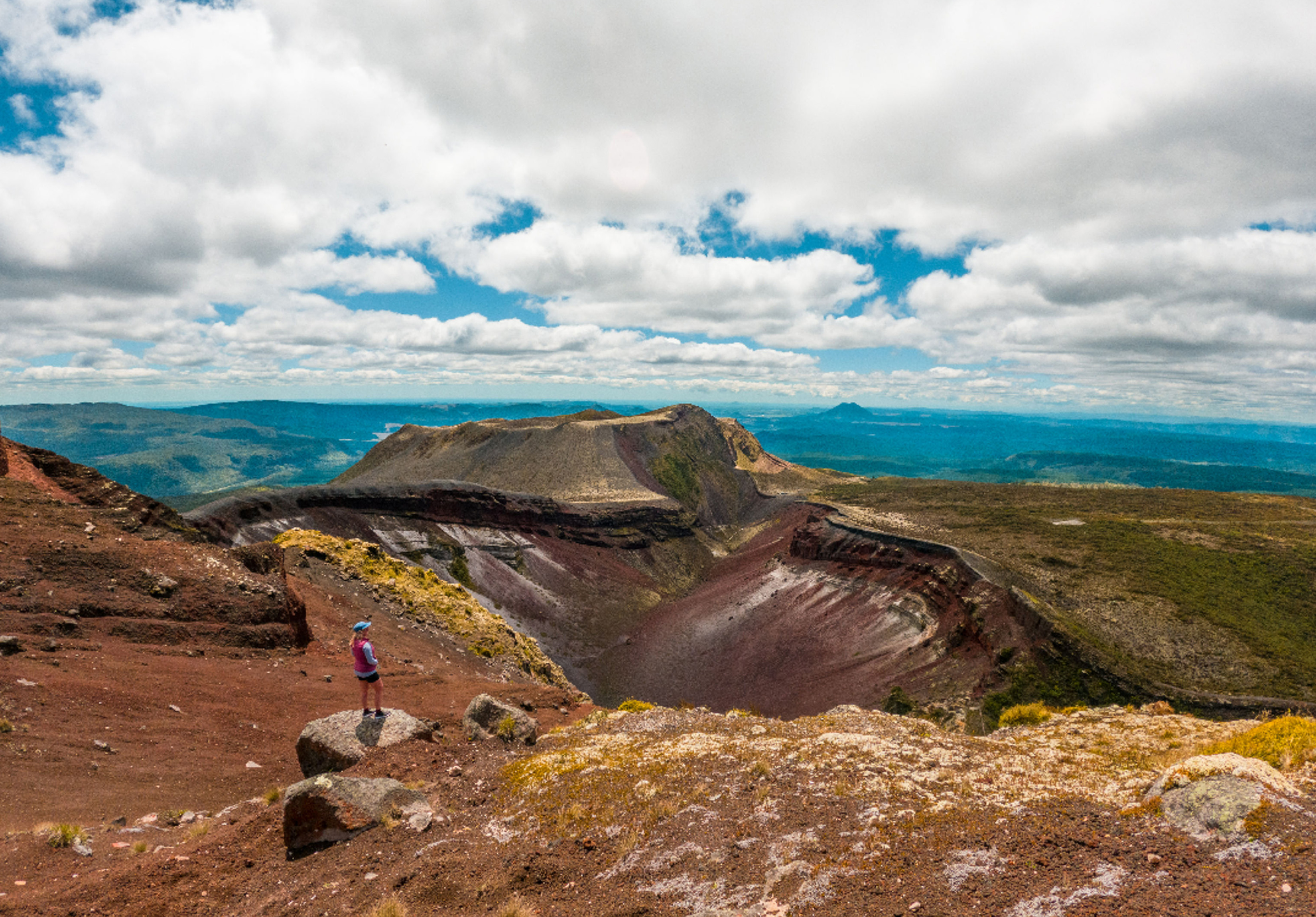
New Zealand offers some of the most diverse and awe-inspiring landscapes on Earth, making it a dream destination for hiking and walking enthusiasts. From lush native forests and alpine passes to golden beaches and dramatic volcanic plateaus, there’s a trail to suit every level of experience.

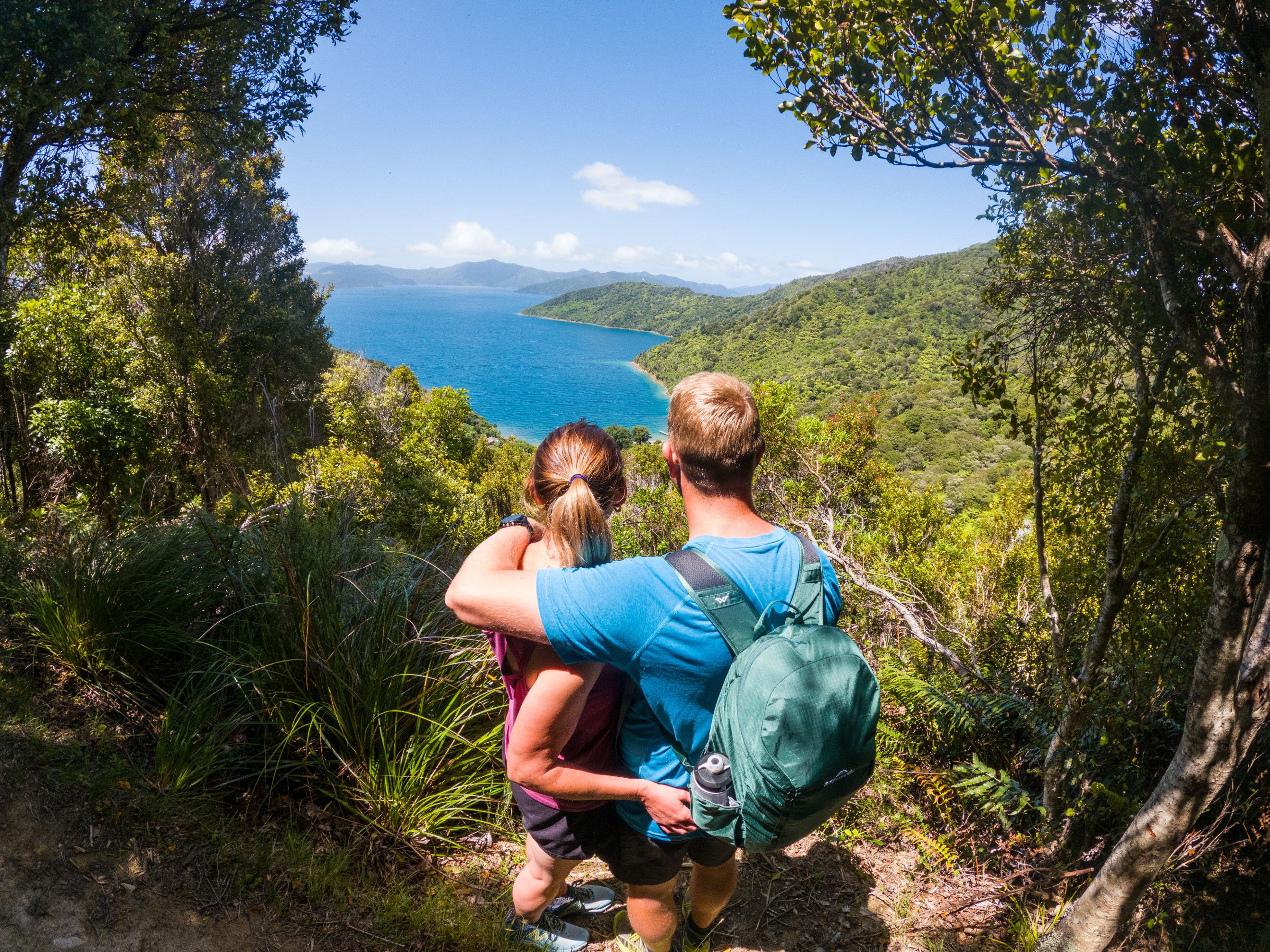
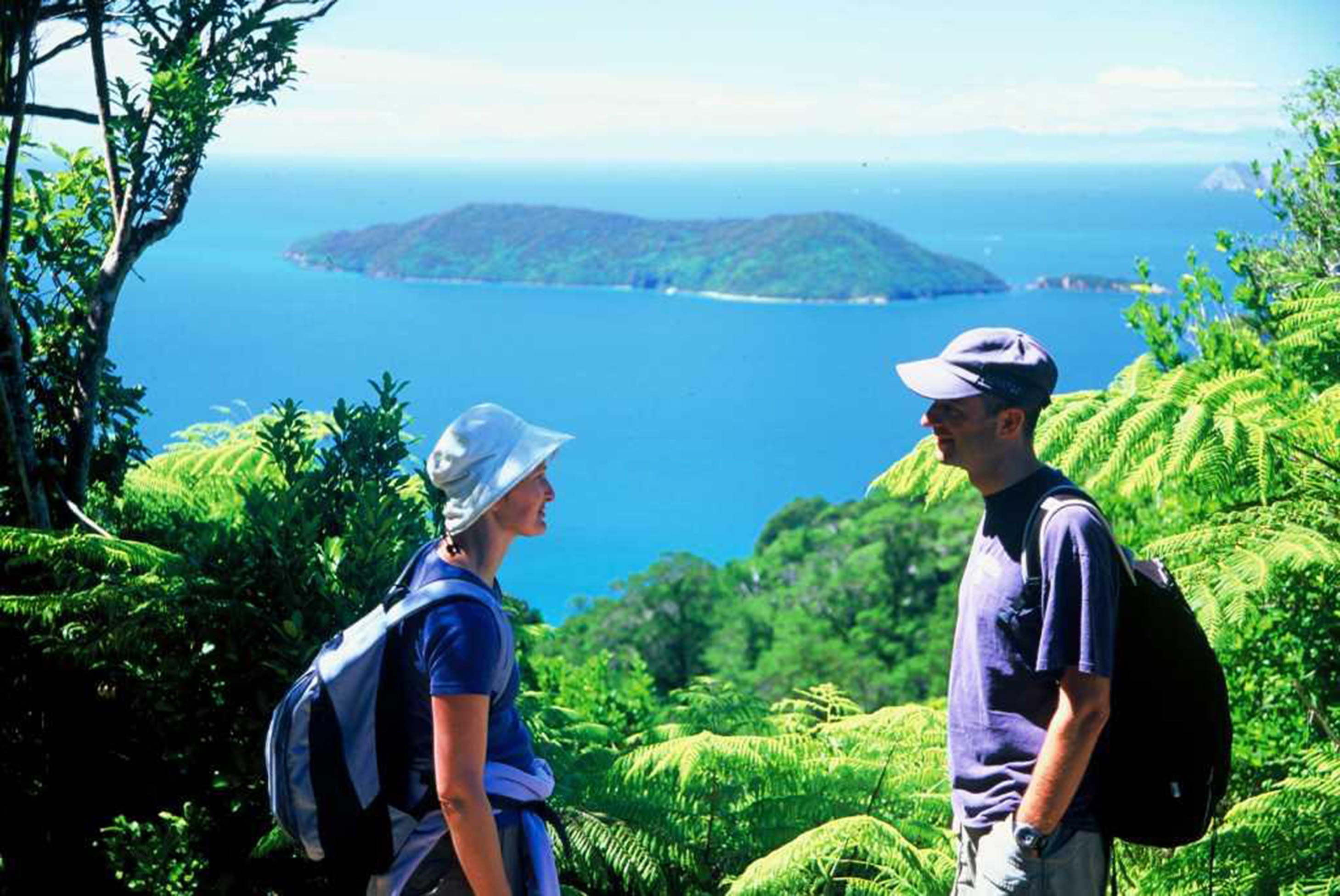
Options include guided day walks, multi-day hiking tours and self-drive walking holidays across the North Island, South Island or both islands.

Guided vs Self-Guided Walking Tours

These guided and self-guided tours connect you to the heart of the land, often with opportunities to learn about Māori heritage, local ecology and geological wonders.

Guided tours include local interpretation and organised logistics, while self-guided options provide more independence. Depending on the package, accommodation, track transport, route notes, meals and luggage transfers may also be arranged.

Famous New Zealand Hiking Trails

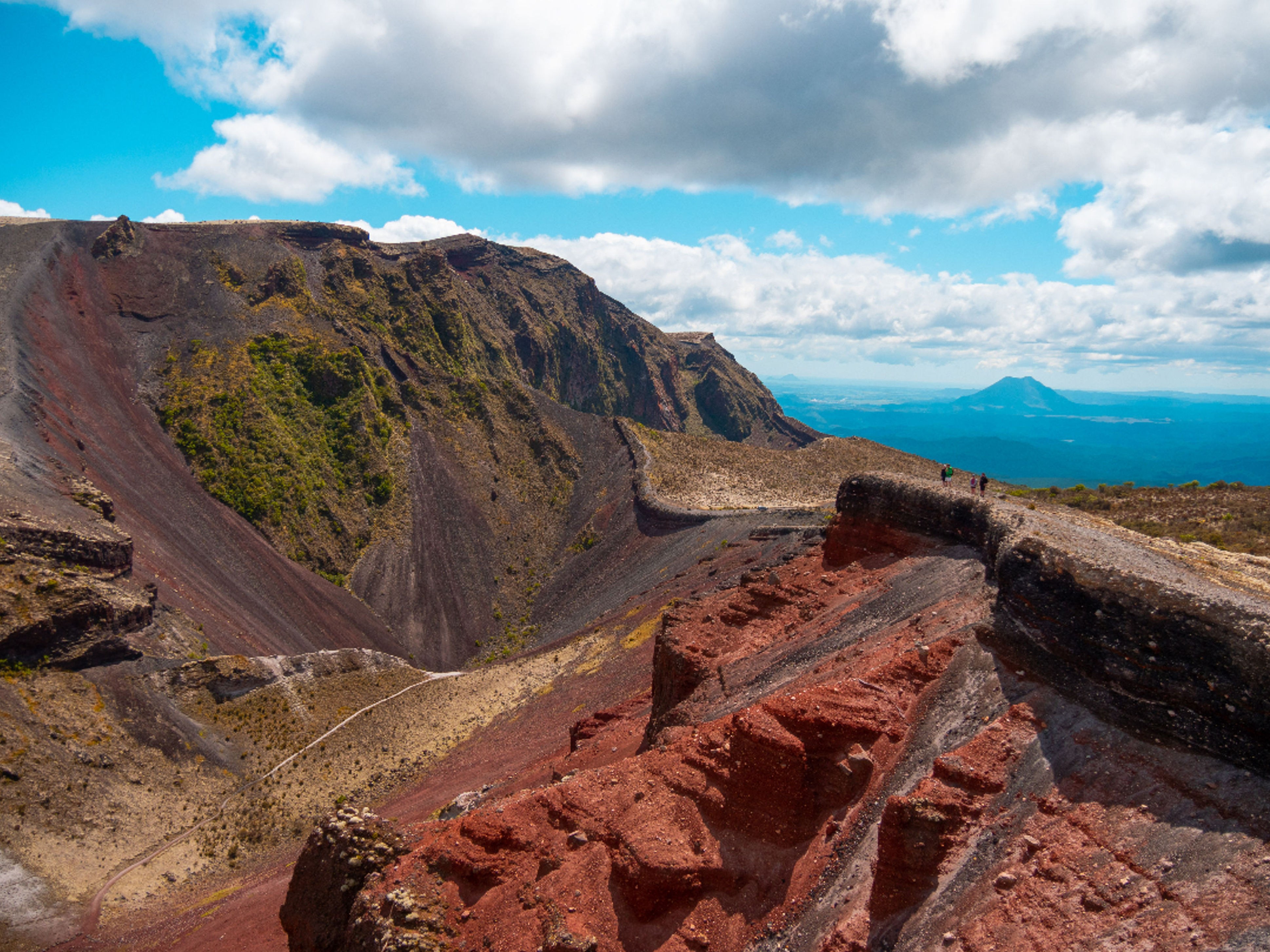
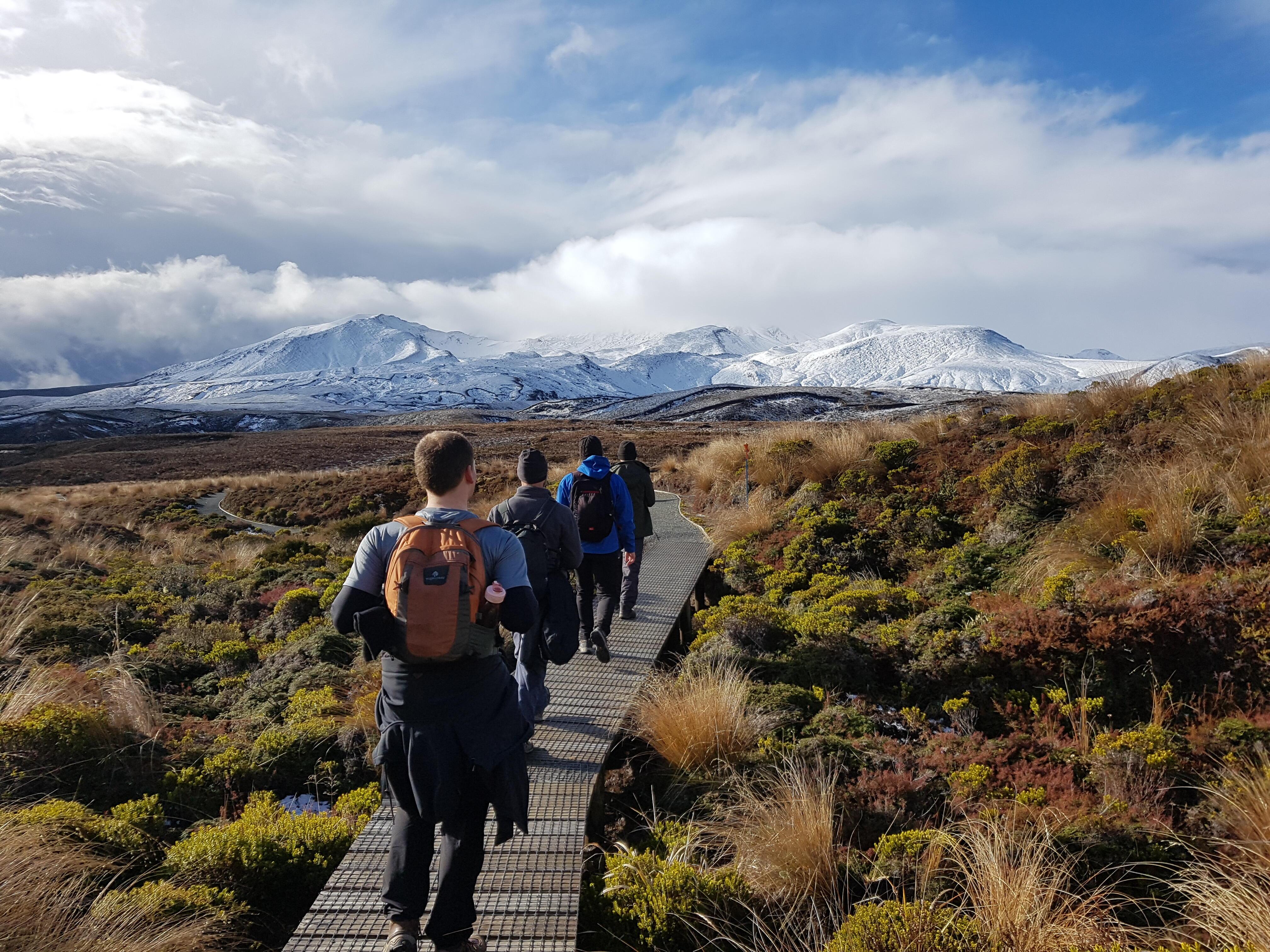
Popular hikes include the world-renowned Milford Track, the picturesque Abel Tasman Coast Track and the volcanic landscapes of the Tongariro Alpine Crossing. Each offers a different side of Aotearoa, whether it’s kayaking to your trailhead, walking beneath towering peaks or winding through ancient beech forests.

Other major routes include the Routeburn, Kepler and Queen Charlotte Tracks, with both day-walk and multi-day options available.

Which New Zealand Great Walk Is Right for You?

New Zealand’s Great Walks vary considerably in length, terrain and comfort. The table below compares five of the best-known routes, including their usual duration, distance, relative difficulty, recommended walking months and availability of guided options.

Great WalkDaysDistanceDifficultyBest MonthsGuided OptionRegion
Milford Track4 days53.5 km (33 miles)Intermediate to advancedNovember–AprilNo*Fiordland, Southland
Routeburn Track2–4 days33 km (21 miles)Intermediate to advancedNovember–AprilNo*Fiordland, Southland
Kepler Track3–4 days60 km (37 miles)Intermediate to advancedNovember–AprilNo*Fiordland, Southland
Abel Tasman Coast Track3–5 days60 km (37 miles)IntermediateOctober–April; open year-roundYesNelson Tasman
Tongariro Northern Circuit3–4 days45 km (28 miles)Intermediate to advancedNovember–AprilYesCentral North Island

*Guided options are available for day hikes but the multi-day hikes are unguided. Read more about the Great Walks on our blog.

Multi-Day Walking Holiday Inclusions

Many tours also include extras like luggage transfers, cosy accommodation and hearty local meals.

Guided lodge walks may include guides, transport, meals and private accommodation. Independent packages can arrange selected logistics while leaving you to walk without a guide. Inclusions differ by track, particularly where accommodation may range from Department of Conservation huts to private wilderness lodges.

New Zealand Walking Tours for Different Travellers

New Zealand hiking and walking tours cater to all abilities and interests—perfect for solo travellers, couples, families or small groups. With local guides to enhance your journey or detailed self-guided itineraries, you’ll experience more than just the scenery—you’ll connect with the essence of New Zealand.

The most suitable option depends on fitness, walking experience, preferred comfort level and how much equipment you are prepared to carry.

Best Time for Hiking in New Zealand

Most New Zealand walks are best completed between October and April, when daylight hours are longer and many alpine track services are operating. Coastal and lower-altitude walks may be available year-round.

Winter runs from June to August and can bring snow, ice, avalanche risk and reduced facilities on alpine routes. These conditions require suitable experience, equipment and careful planning.
Frequently asked questions

Great Walks huts are the most comfortable accommodation option on New Zealand’s Great Walk tracks. They typically include mattresses, running water, toilets, hand washing stations, and heating with fuel supplied. Some huts also offer solar lighting, cooking facilities with gas provided, and an on-site hut warden during the walking season.

The Milford Track and the Routeburn Track are two of New Zealand's most famous and spectacular Great Walks, each offering unique experiences and breathtaking scenery. Here's a comparison of the two tracks:

  • Scenery: Both tracks showcase breathtaking natural beauty, but they differ in their landscapes. The Milford Track is renowned for its dramatic fiords, cascading waterfalls, and lush rainforests, providing a more dramatic and diverse scenery. The Routeburn Track, on the other hand, takes hikers through alpine terrain with snow-capped peaks, alpine lakes, and sweeping valleys, offering stunning alpine vistas.
  • Length and Duration: The Milford Track is longer, spanning approximately 53.5 km (33.2 miles), and typically takes 4 days to complete. In contrast, the Routeburn Track is shorter, measuring about 32 km (19.9 miles), and can be completed in 2-4 days depending on the pace and side trips taken.
  • Accessibility: The starting points of the two tracks are different. The Milford Track starts at Glade Wharf and ends at Sandfly Point, accessible via a boat journey from Te Anau. The Routeburn Track can be accessed from either Routeburn Shelter near Glenorchy or The Divide Shelter along the Milford Road.
  • Difficulty: The Milford Track is considered moderately challenging, with some steep sections and potentially harsh weather conditions. It requires a good level of fitness and stamina. The Routeburn Track is also moderately challenging, but it is generally more accessible to hikers of moderate ability.
  • Facilities and Crowds: Both tracks are part of New Zealand's Great Walks network and offer accommodation facilities such as huts and campsites. However, the Milford Track tends to be more crowded and has a quota system for bookings due to its popularity. The Routeburn Track also attracts visitors but may have slightly fewer crowds.

Both tracks offer unforgettable experiences, and the choice between the two will depend on personal preferences, time available, fitness level, and the type of scenery you wish to encounter. Many hikers find it rewarding to explore both tracks to fully appreciate the beauty of Fiordland and Mount Aspiring National Parks.

Hiking the Milford Track requires a moderate level of fitness. While it is not considered an extremely challenging or technical hike, it does involve multiple days of walking over varied terrain and elevation changes.

The track is not suitable for all walkers.

Due to the exposed alpine environment and frequently challenging weather conditions, it is not recommended for children under the age of 10. Sections of the Milford Track can be steep, slippery, rough, muddy, and exposed to the elements.

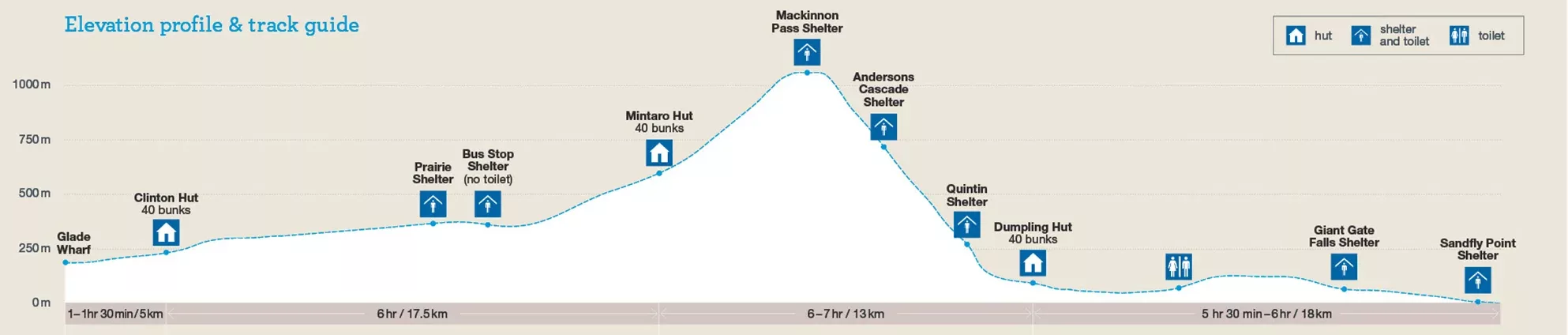
On Day Three, you'll ascend over 500 metres to Omanui / McKinnon Pass, followed by a descent of 1,000 metres to Dumpling Hut. On Day Four, you must cover 18 kilometres to reach Sandfly Point in time to catch the early afternoon boat – a demanding finish that requires good fitness and time management.

Milford Track Elevation profile

The starting point of the Milford Track is Glade Wharf, located at the head of Lake Te Anau. The track begins here and extends through the Fiordland National Park, showcasing its stunning landscapes and natural beauty. The end point of the Milford Track is Sandfly Point, where hikers reach the shores of Milford Sound. From Sandfly Point, hikers can take a boat ride to Milford Sound/Piopiotahi, concluding their journey.

To access the Routeburn Track, you have two options:

Routeburn Shelter:

  • Location: About 25 km from Glenorchy.
  • Access: Travel along a partially unsealed road
  • Transportation: Arrange transportation from Glenorchy to Routeburn Shelter through transport operators.


The Divide Shelter:

  • Location: Approximately 85 km from Te Anau.
  • Access: Accessible via the Milford Road.
  • Transportation: Organize transportation from Te Anau to The Divide Shelter through transport operators.


Remember that transportation is necessary at both ends of the track as it is not a circuit.

The Routeburn Track offers several highlights along its route. Some of the notable highlights include:

  • Snow-Capped Peaks: Hikers on the Routeburn Track are treated to breathtaking views of snow-capped peaks, adding to the scenic beauty of the walk.
  • Alpine Lakes: The track provides glimpses of sparkling alpine lakes, enhancing the natural beauty of the surroundings.
  • Immense Valleys: Hikers will encounter vast valleys along the Routeburn Track, offering expansive and awe-inspiring landscapes.
  • Routeburn River: The track follows the picturesque Routeburn River, providing opportunities to appreciate its beauty and serenity.
  • Mt Tutoko: Hikers can enjoy views of Mt Tutoko, which is Fiordland's highest peak. This majestic mountain is a sight to behold along the track.
  • Harris Saddle: At an elevation of 1,255 meters (4,117 feet) above sea level, Harris Saddle offers a magnificent viewpoint and is considered the track's highest point.


These highlights contribute to the ever-changing panorama that makes the Routeburn Track a popular choice for nature enthusiasts.

Weather conditions along the Routeburn Track can vary significantly depending on the time of year and the specific weather patterns in Fiordland National Park. It's important to be prepared for a range of weather conditions during your hike.

During the Great Walks season (1 November to 30 April), you can expect a mix of weather, including warm and sunny days, as well as periods of rain, wind, and cooler temperatures. Fiordland National Park is known for its high rainfall, with up to 9000 mm per year, so be prepared for wet weather at any time.

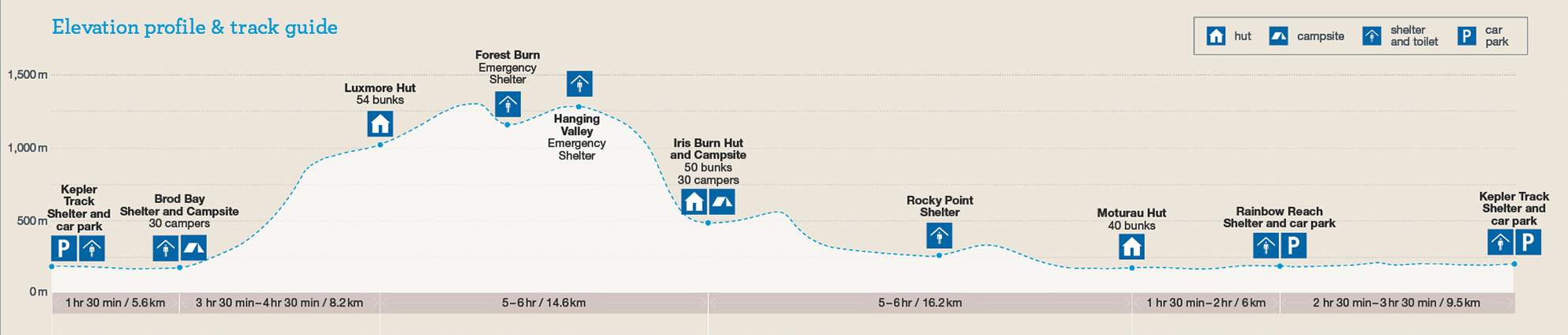
The Kepler Track typically takes 4 days to complete for independent, non-guided walkers during the Great Walks season, which runs from late October to 30 April. This timeframe allows walkers to immerse themselves in the wilderness and enjoy the diverse landscapes along the track. However, it's important to note that individual walking times may vary depending on factors such as fitness level, weather conditions, and personal pace.

Walking the Kepler Track requires a good level of fitness and endurance due to its challenging terrain and duration. The track includes steep ascents, exposed ridges, and uneven surfaces, making it physically demanding. Walkers should have a moderate to high level of aerobic fitness, leg strength, and the ability to sustain walking for several consecutive days. Prior training and preparation are recommended, including cardiovascular exercises and pack carrying. Assessing personal fitness levels and consulting healthcare professionals is advised, ensuring a safe and enjoyable experience on the track.

The Short Answer: The Abel Tasman Coast Track.

The Details: We rank this as the best entry-level option because of its mild elevation and flexible logistics.

  • Why: You can use water taxis to skip difficult sections or transport your luggage, allowing you to walk with a day pack.
  • Runner Up: The Paparoa Track is excellent for those wanting a steady gradient without steep staircases.

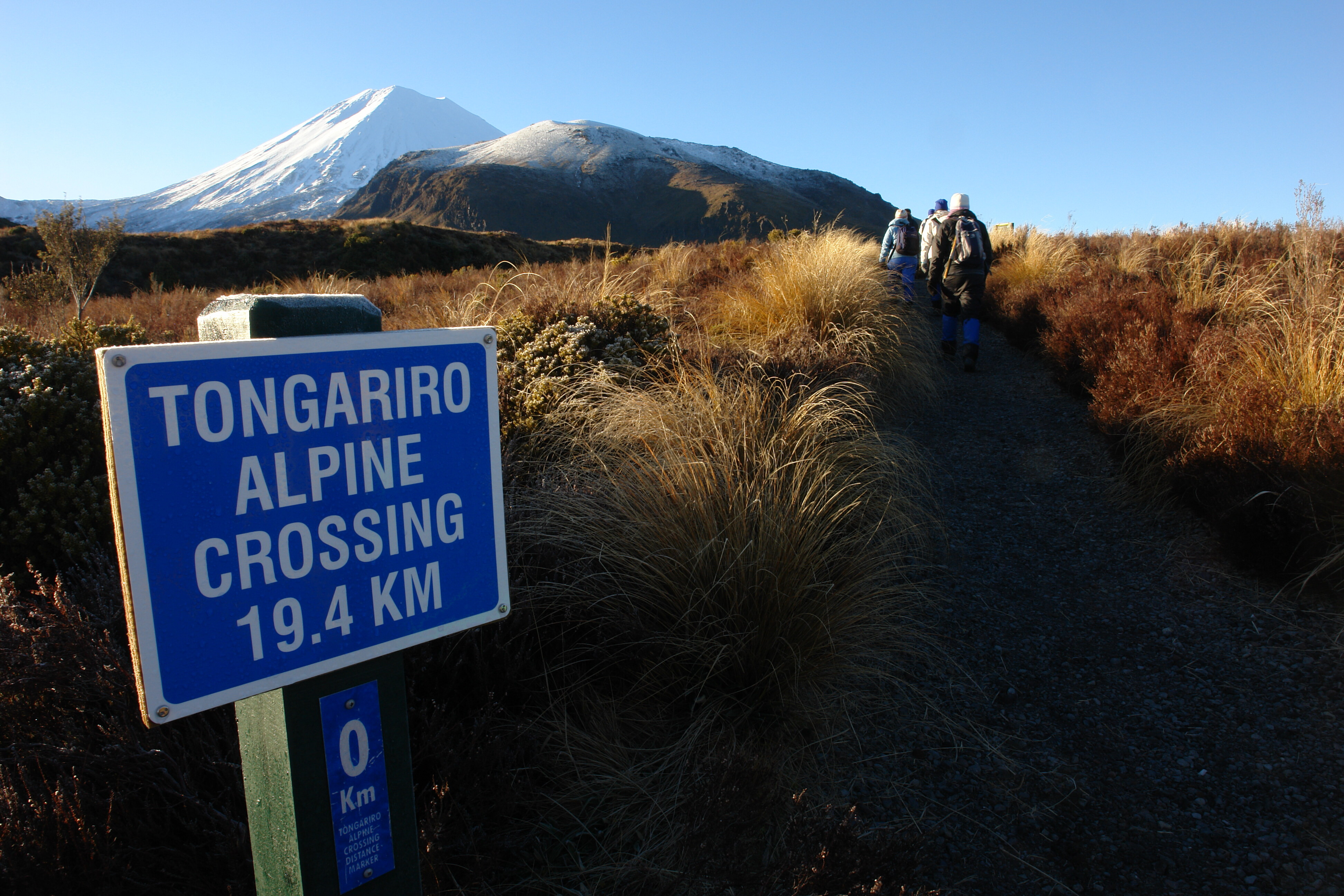
The nearest towns to the Tongariro Alpine Crossing are Whakapapa (10.4 km), National Park Village (13.5 km), Tūrangi (36.7 km), Raetihi (47.6 km), Ohakune (48 km), Taumarunui (61.5 km), and Taupō (86.5 km).

There is geothermal activity near the emerald lakes on the Tongariro Alpine Crossing. Approach with caution and stay on the marked track to avoid the hot steam vents (fumaroles) and potential instability of the ground.

The Tongariro Alpine Crossing is a full-day walk (7–8 hours including breaks) and requires a moderate to good level of fitness. The average walking pace is around 3km per hour, which is manageable for most people. In winter, additional time is needed for fitting crampons and receiving basic instruction—no alpine experience is required.

If you're unsure about your fitness level, please speak with your guide before starting the walk. We're happy to discuss options to help ensure an enjoyable experience.

Age Guidance:

  • 0–12 years: Please contact us directly for approval.
  • 13–40 years: Most will complete the walk comfortably; regular exercisers will recover easily.
  • 41–55 years: Most complete the hike within the time frame, though some muscle soreness the next day is common.
  • 55+ years: A solid average fitness level is recommended to complete the hike safely within the allotted time.

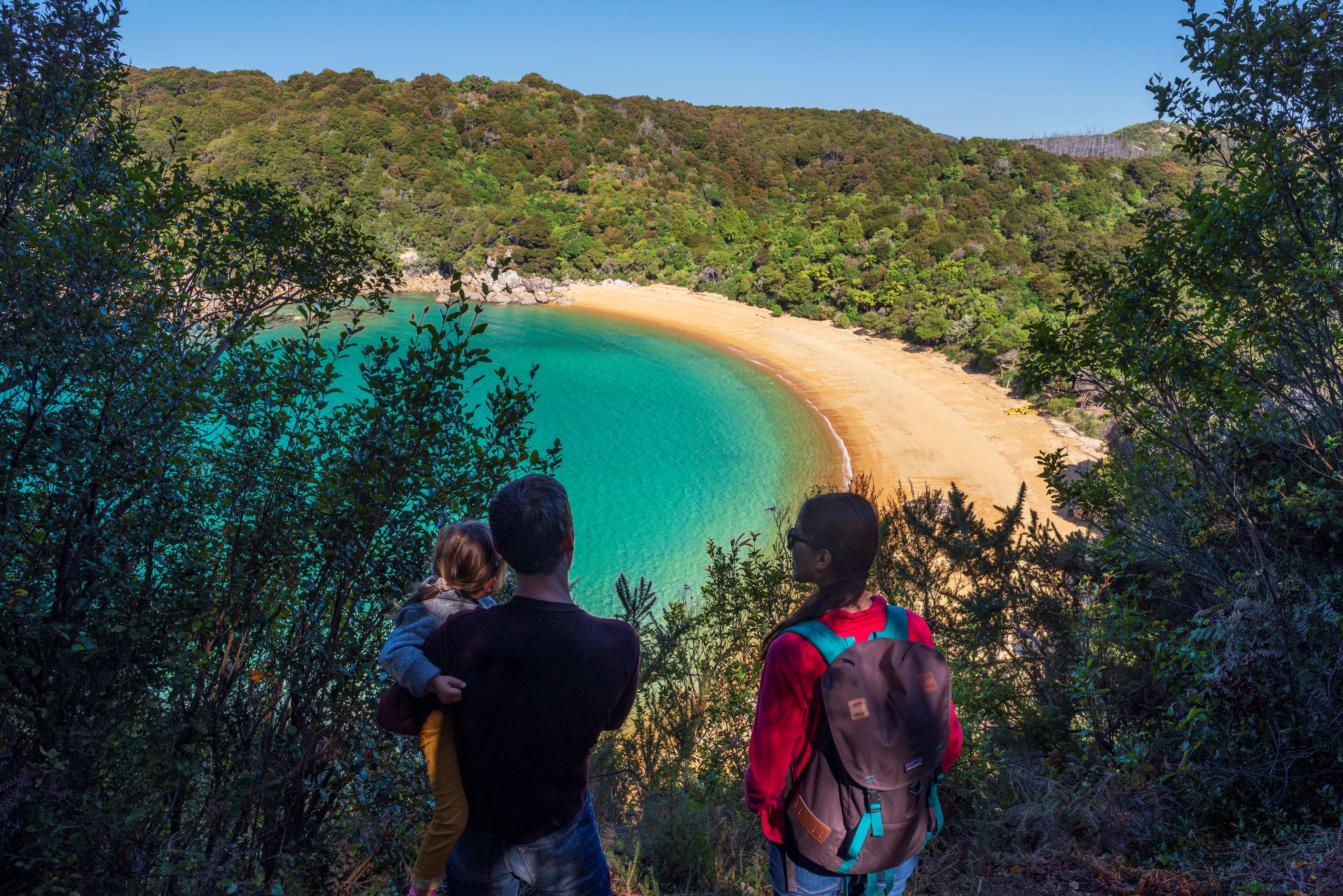
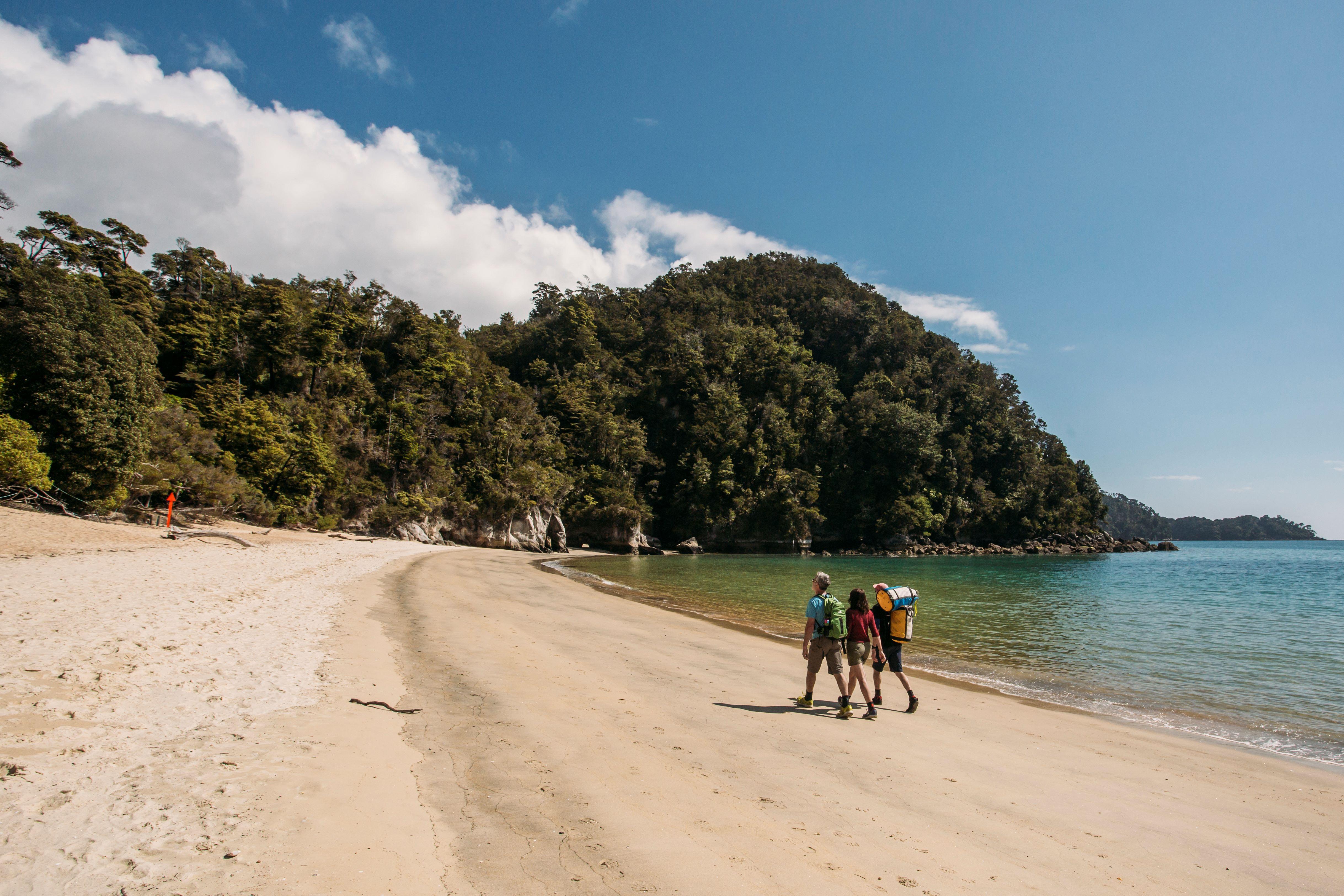
The Abel Tasman Coastal Track is a renowned hiking trail in Abel Tasman National Park, New Zealand. Spanning approximately 60 kilometres, it offers stunning coastal views, golden beaches, lush forests, and diverse wildlife. Hikers can explore attractions like Cleopatra's Pool and Tonga Island Marine Reserve. With well-marked sections, the track accommodates various walking options, including water taxis and kayaking. Campsites and huts are available for overnight stays, but bookings are required. This popular destination provides nature lovers and outdoor enthusiasts with an unforgettable and picturesque hiking experience along New Zealand's beautiful coastline.

The Abel Tasman Coastal Track offers stunning highlights such as white sand beaches, crystal-clear bays, and abundant wildlife. Notable attractions include Cleopatra's Pool, a picturesque rock pool with a moss-lined waterslide, and the captivating inlet to Falls River featuring a 47-metre suspension bridge. Visitors can also spot fur seals/kekeno and explore the pristine waters of the Tonga Island Marine Reserve. With its natural beauty and cheeky wildlife, the track provides a remarkable experience for nature lovers and adventure seekers alike

The Abel Tasman Coastal Track starts in the picturesque seaside village of Marahau, located at the southern end of the track. From there, it follows the stunning coastline of the Abel Tasman National Park, traversing through golden beaches, lush native bush, and crystal-clear waterways. The track extends all the way to Wainui Bay/Tōtaranui in the north, offering breathtaking views and diverse landscapes along the way. Wainui Bay/Tōtaranui serves as the endpoint of the track, providing a beautiful conclusion to your journey through this renowned coastal trail.

Additional reading

Sign up to our newsletter for special deals & exciting news.