The best season to visit New Zealand depends on what you want to experience. Summer is ideal for warm weather and outdoor adventures, autumn offers mild conditions and fewer crowds, winter is best for skiing and alpine scenery, while spring brings fresh landscapes and comfortable sightseeing weather. New Zealand is a year-round destination, with each season offering a different style of holiday.
Is Summer a Good Time to Visit New Zealand?
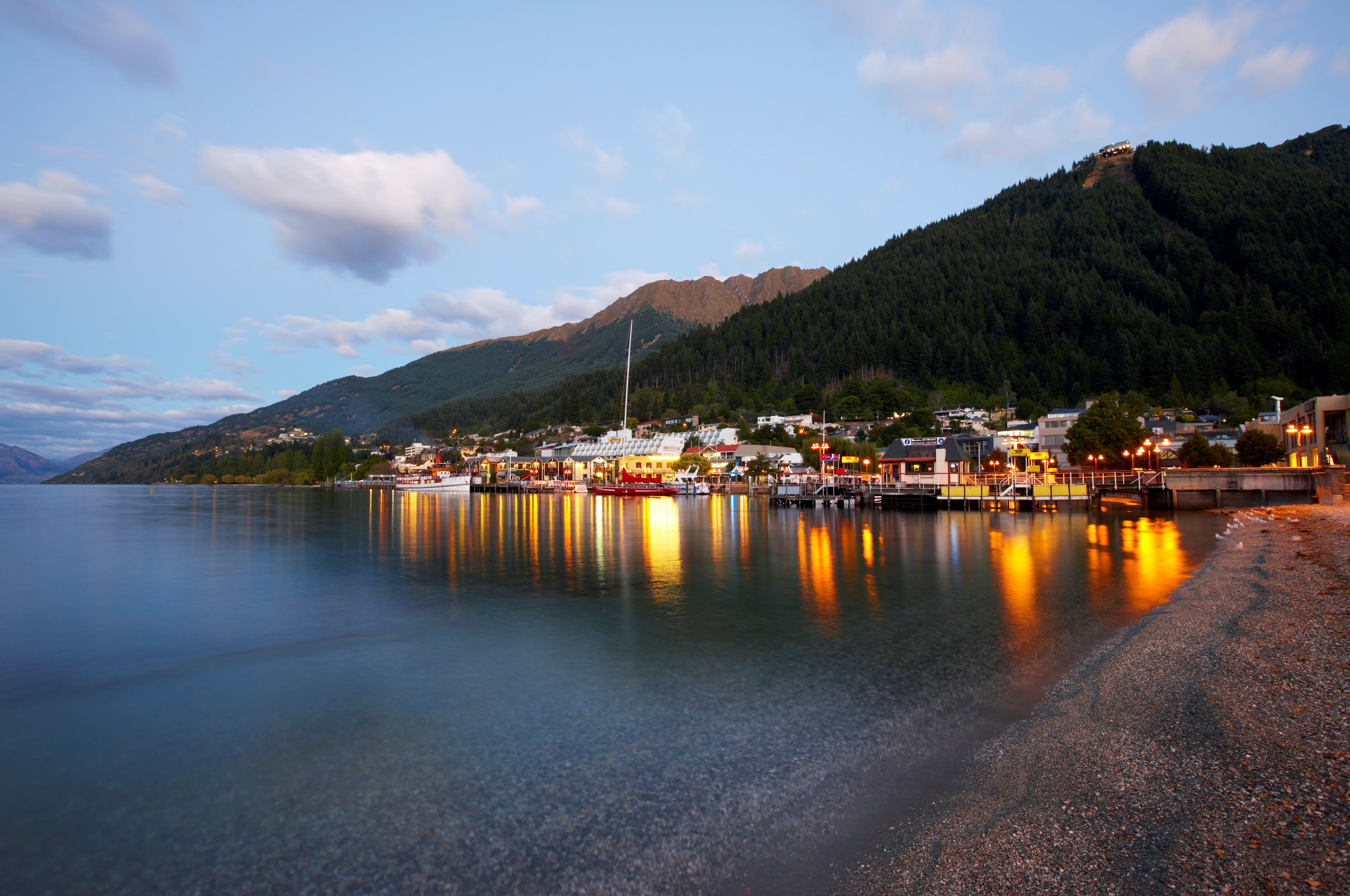
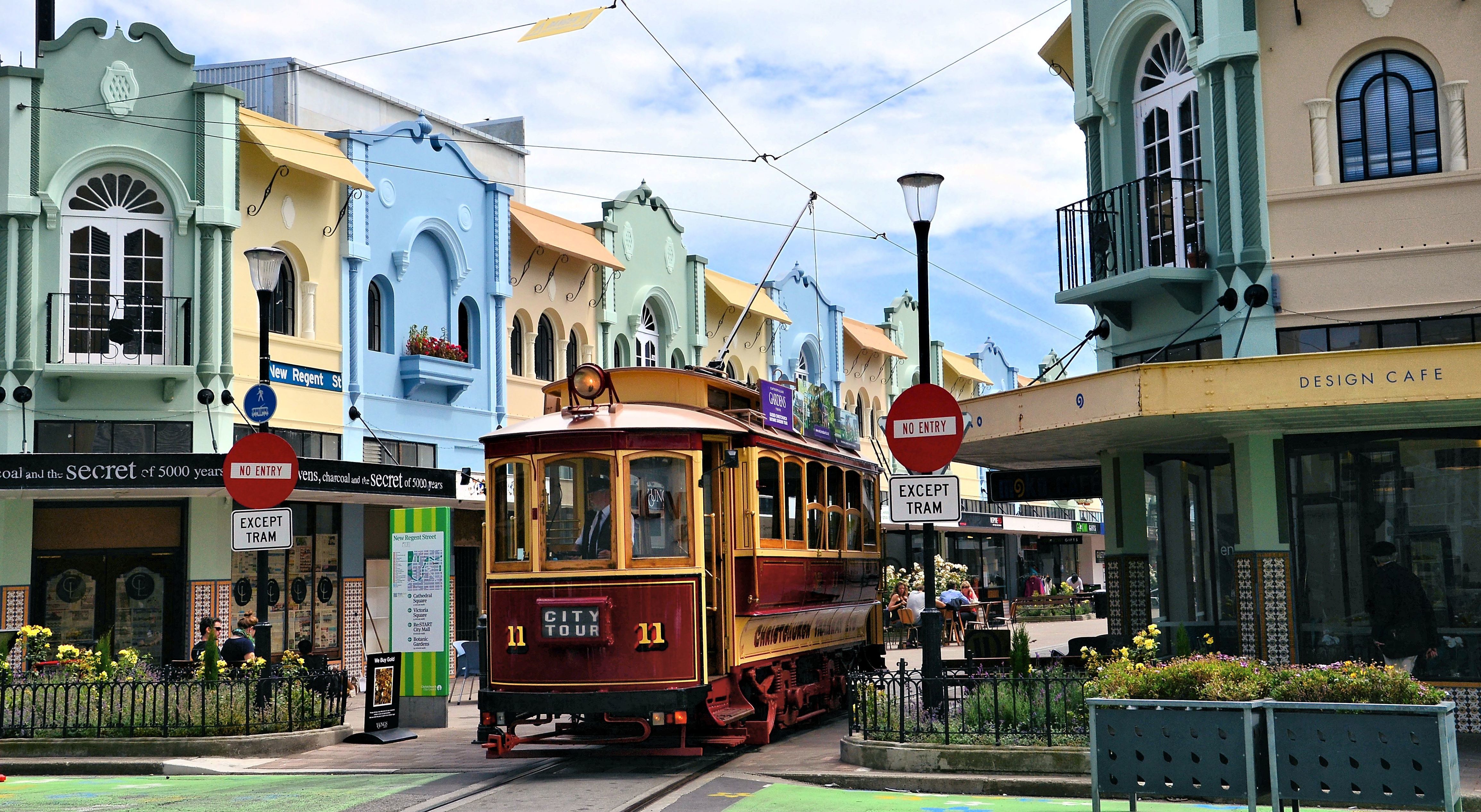
Summer in New Zealand runs from December to February and brings warm weather, long daylight hours and a lively holiday atmosphere. Beaches, lakes and hiking trails are especially popular, making summer an excellent time for road trips, water activities and exploring the outdoors.
It is also one of the busiest times to travel, particularly during the Christmas and New Year holiday period. Booking accommodation, rental cars, tours and popular activities well in advance is recommended if you plan to visit during peak summer.
Is Autumn a Good Time to Visit New Zealand?
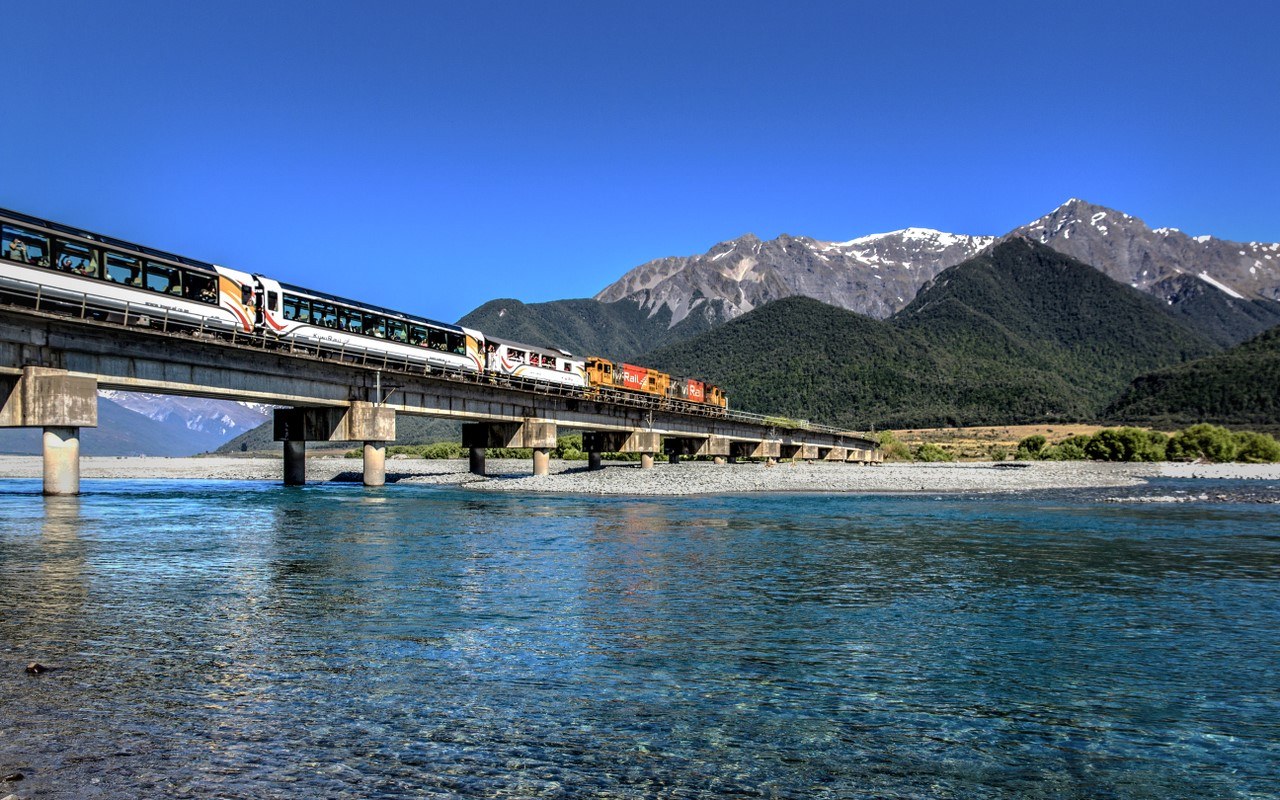
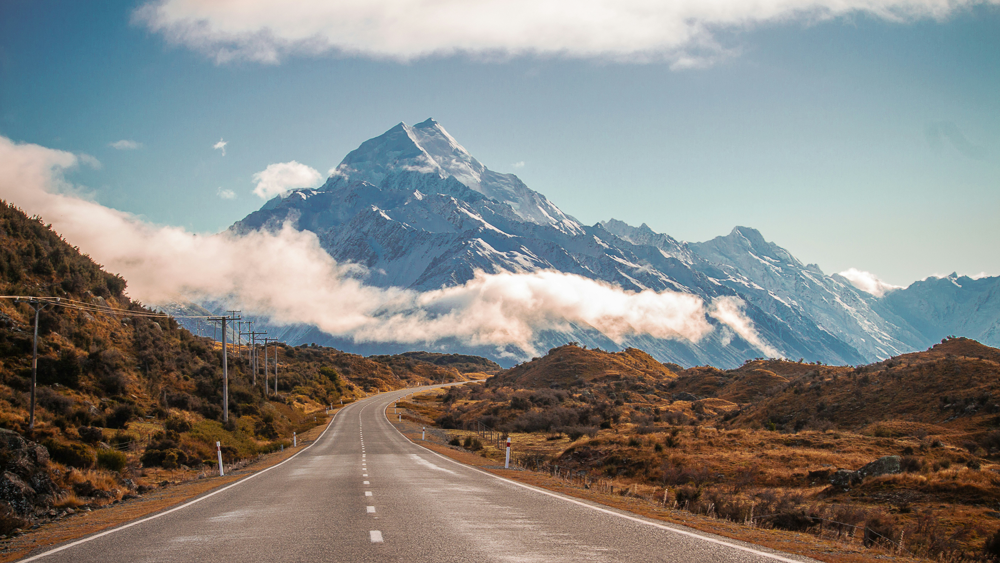
Autumn/Fall runs from March to May and is a great time to explore New Zealand with generally milder conditions and fewer visitors than during peak summer. Changing foliage adds rich autumn colours to many landscapes, creating particularly scenic conditions for road trips and photography.
This season suits travellers who prefer a more relaxed pace while still enjoying plenty of opportunities to explore outdoors. Wine regions, countryside destinations and scenic touring routes can be especially rewarding at this time of year.
- Autumn in New Zealand (March–May): Autumn is ideal for scenic drives, food and wine experiences, photography, walking and cycling, and travellers looking to explore with fewer peak-season crowds.
Is Winter a Good Time to Visit New Zealand?
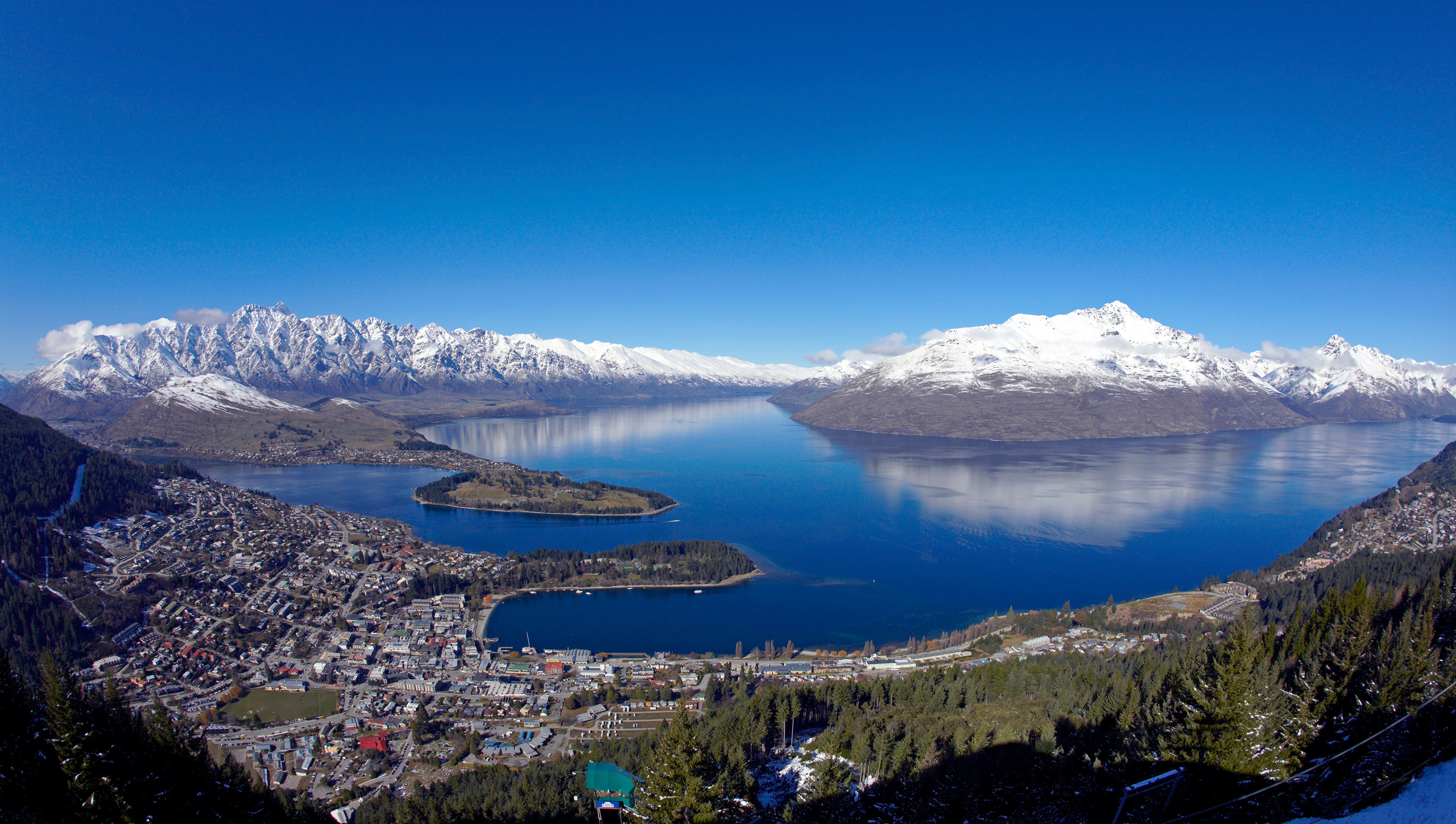
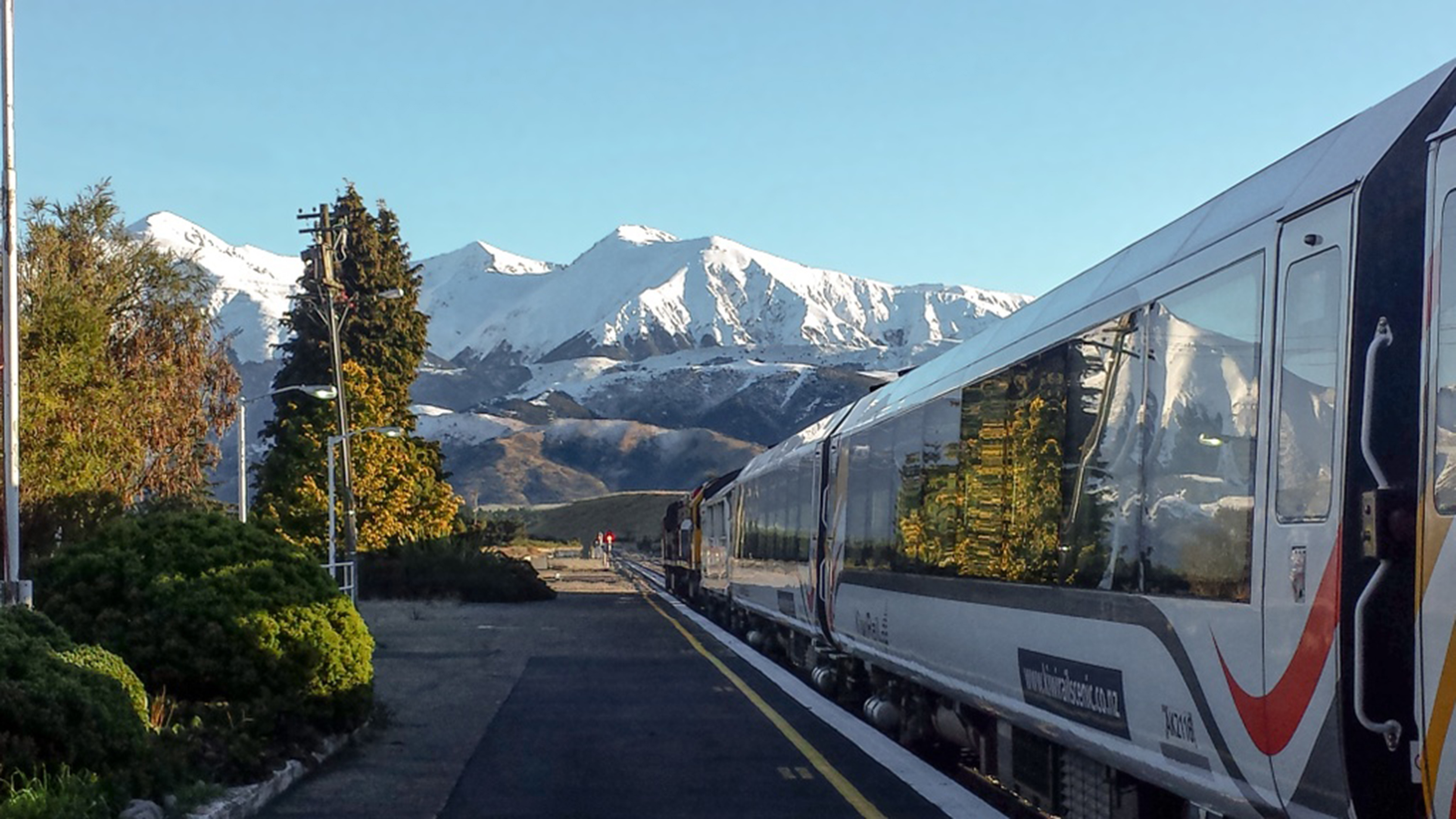
Winter in New Zealand runs from June to August, bringing snow to alpine regions and some of the year’s most dramatic mountain scenery. It is the prime season for skiing and snowboarding, particularly around Queenstown, Wānaka, Canterbury and the central North Island.
Even if you are not planning a ski holiday, winter can be a rewarding time to visit. Crisp landscapes, hot pools, alpine towns and generally lower visitor numbers in many regions create a very different New Zealand experience from the warmer months.
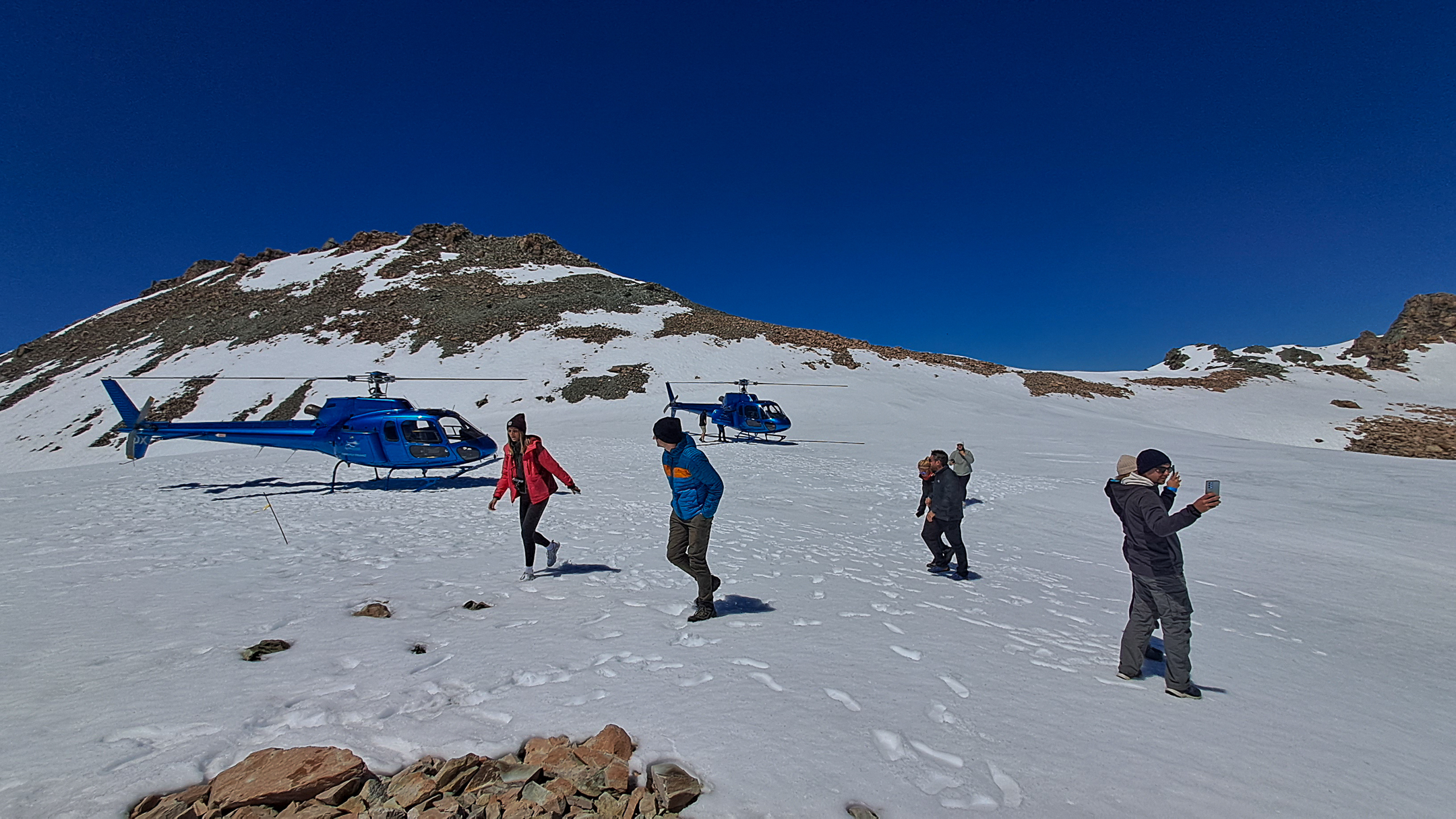
- Winter in New Zealand (June–August): Winter is best for skiing, snowboarding, alpine scenery, glacier experiences, hot pools, winter escapes and travellers who enjoy cooler conditions.
Is Spring a Good Time to Visit New Zealand?
Spring runs from September to November and brings longer days, fresh green landscapes and blossoming gardens across New Zealand. Temperatures begin to rise, although conditions can still be changeable as the country transitions from winter into summer.
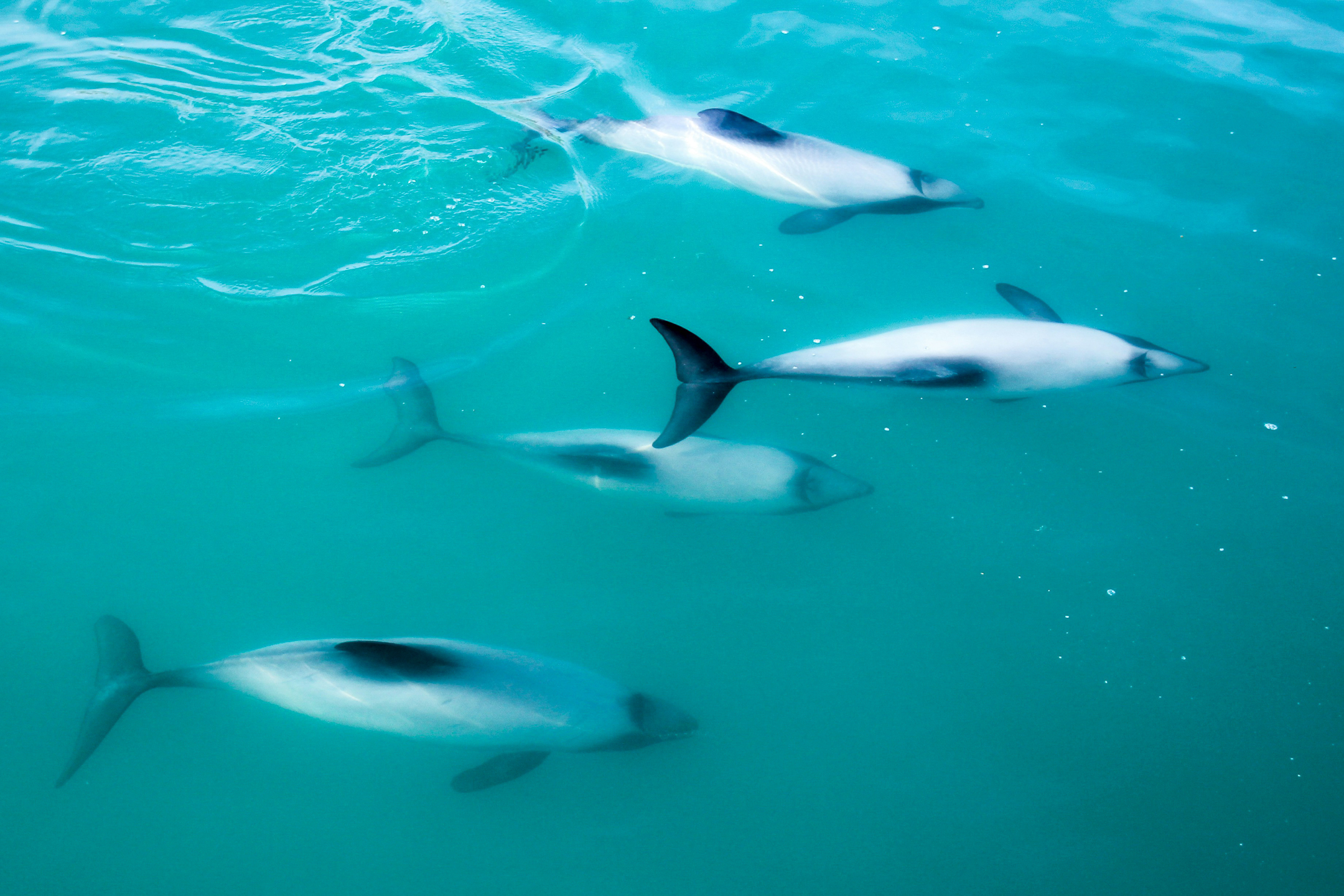
Spring is a versatile time for touring, particularly for travellers wanting to combine sightseeing, wildlife, walking and scenic road trips. Visitor numbers are generally lower than during the summer peak, especially earlier in the season.
- Spring in New Zealand (September–November): Spring is particularly good for gardens, wildlife encounters, waterfalls, scenic drives, walking and sightseeing before the peak summer travel season.
What Is the Best Time of Year to Visit New Zealand?
There is no single best time of year to visit New Zealand because the ideal season depends on the holiday you are planning. Choose December to February for warm weather and long days, March to May for scenic touring and fewer crowds, June to August for snow and alpine experiences, or September to November for fresh spring landscapes and varied sightseeing.
New Zealand’s diverse geography means weather conditions can vary considerably between regions. When deciding when to travel, match your preferred weather and travel dates with the places you want to visit and the experiences that matter most to you.



 Self Drive Holiday Packages
 Family-friendly Tours
 Train & Rail Journeys
 Nature & Wildlife