
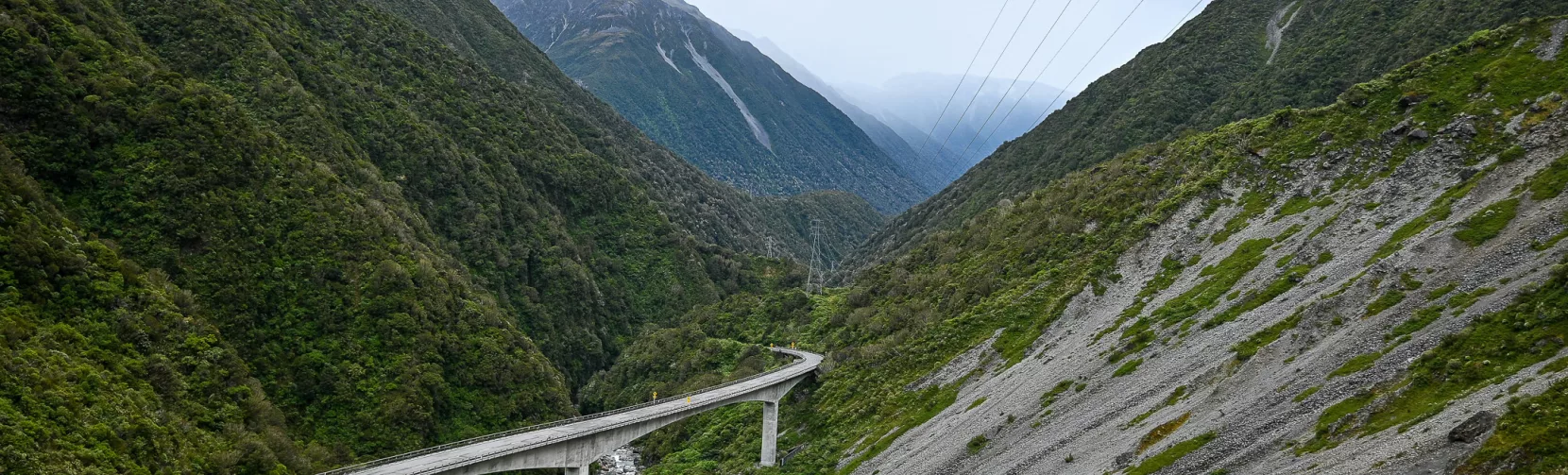

New Zealand Road Trips: Itineraries with Realistic Driving Times
For first-time visitors, driving is the simplest way to see more of New Zealand on your own schedule. Roads are well-maintained, and traffic outside major city centres is generally light, making self-drive straightforward for international visitors.
Go New Zealand Promise
Self-drive tours should always be around the "four-hour rule." While many guides suggest driving long distances in a single day, our itineraries prioritise your safety and enjoyment. We ensure you spend no more than four hours behind the wheel on average, leaving you plenty of daylight to explore, eat, and relax.
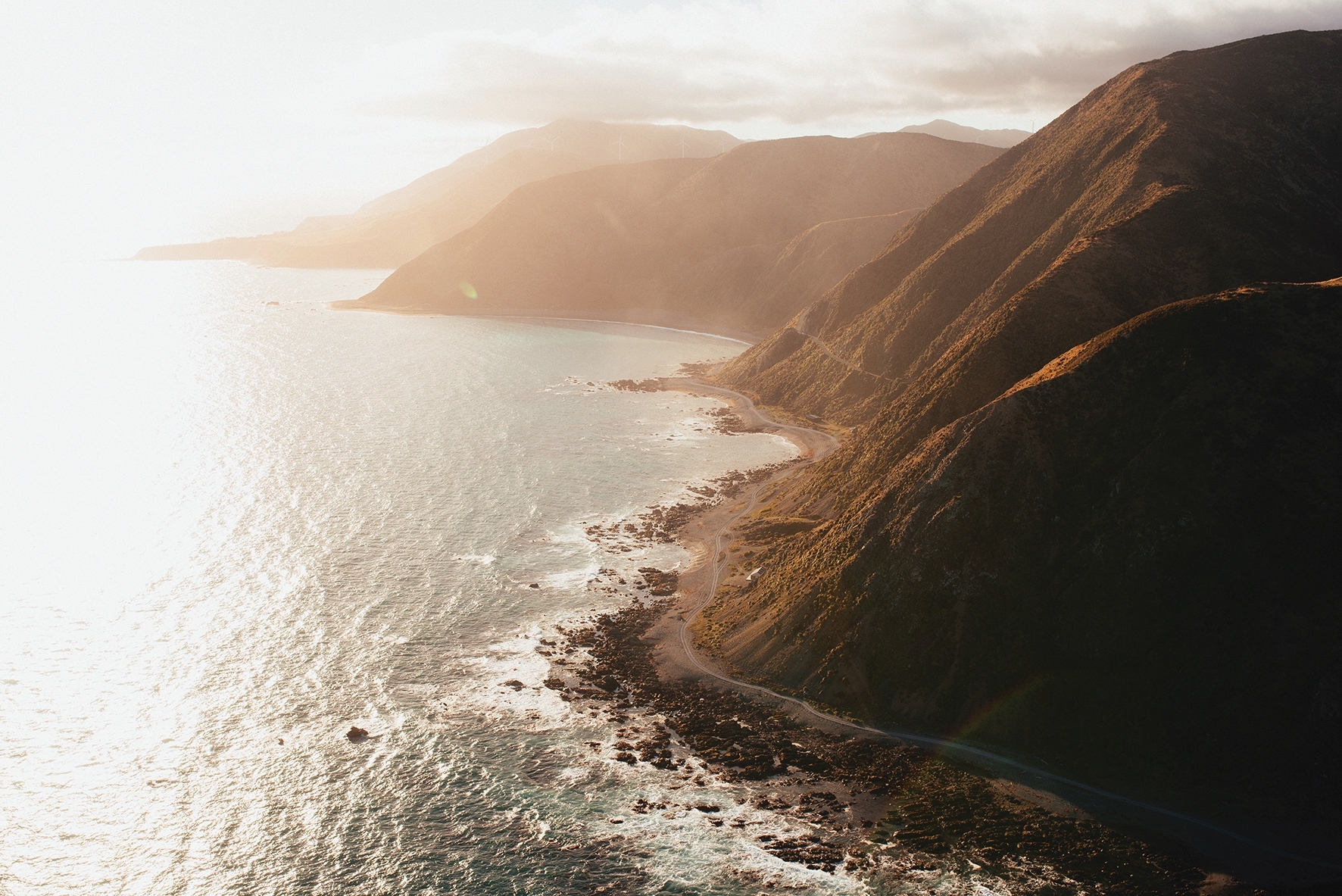
North Island vs South Island: Which to Choose?
For first-time visitors, choosing your island is the biggest decision you’ll make.
Choose North Island if:
- You prefer geothermal wonders, Māori culture, and world-class food and wine.
- You want milder weather throughout the year.
- Easier winter driving conditions
- Typical driving days: 2.5-4 hours
Choose South Island if:
- You want dramatic alpine scenery and vast, open spaces.
- You are chasing iconic landscapes like glaciers and fiords.
- Longer scenic drives between highlights.
Choose Your Route in 30 Seconds
Deciding on a route often comes down to your available time and preferred driving style. Use this matrix to find your ideal match.
| Tour Name | Best For | Island | Duration* | Pace |
|---|---|---|---|---|
| North Island Highlights | Volcanos & Culture | North | 7-9 Days | Balanced |
| Wine, Culture & Nature | Vineyards & Art Deco | North | 7-9 Days | Relaxed |
| South Island Loop | Glaciers & Alpine Lakes | South | 7-10 Days | Relaxed |
| One-Way Scenic Route | Adventure & High Country | South | 8-15 Days | Balanced |
| Full-Length Journey** | The "Bucket List" | Both | 11-17 Days | Fast-Paced |


Find Your Route Match
Spend a minute answering seven quick questions, and we'll recommend the self-drive itinerary that's the best fit for your dates, pace, and preferred islands.
Top Self-Drive Itineraries
1. Auckland to Wellington: North Island Highlights
- Duration: 7-9 Days
- Route Snapshot: Auckland → Waitomo → Rotorua → Taupō → Tongariro National Park → Wellington
- The Experience: This route threads through the volcanic heart of the North Island without long, punishing driving days. Expect a landscape that shifts from the subterranean glow of Waitomo Caves to the geothermal wonders of Rotorua and the stark alpine beauty of Tongariro.
- Practical Driving Reality: Most segments on this journey, such as the drive from Auckland to Rotorua, take roughly 2.6 hours. This ensures you arrive at your destination with plenty of daylight to explore a geothermal park or take a spontaneous detour.
- Stay Pattern: Ideal for travellers who prefer 2-night stays in hubs like Rotorua over constant packing.
- Best For: First-time visitors seeking a mix of Māori cultural heritage, volcanic scenery, and a well-rounded introduction to New Zealand’s history.
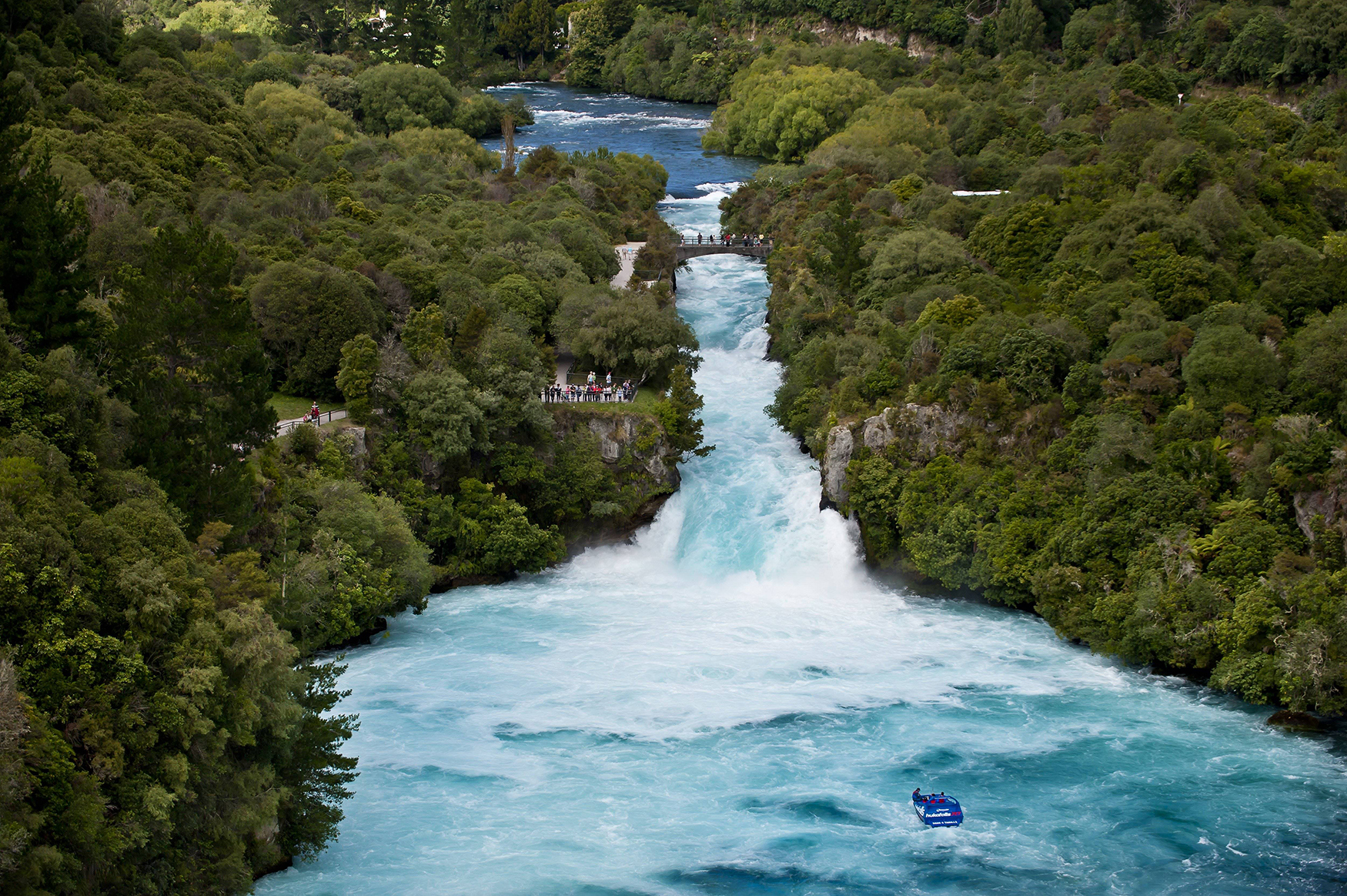
2. Wellington to Auckland: Wine, Culture & Nature
- Duration: 7-9 Days
- Route Snapshot: Wellington → Wairarapa → Hawke’s Bay → Taupō → Auckland
- The Experience: A refined journey through the premier food and wine regions of the East Coast, designed for those who want to slow down and savour the landscape. Expect to move from the boutique vineyards of Martinborough to the Art Deco architecture of Napier, before returning to Auckland through the rolling green hills of the Waikato.
- Practical Driving Reality: Most segments on this route, such as the scenic drive from Wellington to Napier, take approximately 4 hours. This allows for a relaxed morning in the capital before a comfortable afternoon arrival at the coast.
- Stay Pattern: Designed for slower travel with multiple two-night stays in key regions like Napier to minimise hotel changes.
- Best For: Travellers who prioritise culinary experiences, cellar doors, and relaxed regional towns over high-adrenaline stops.
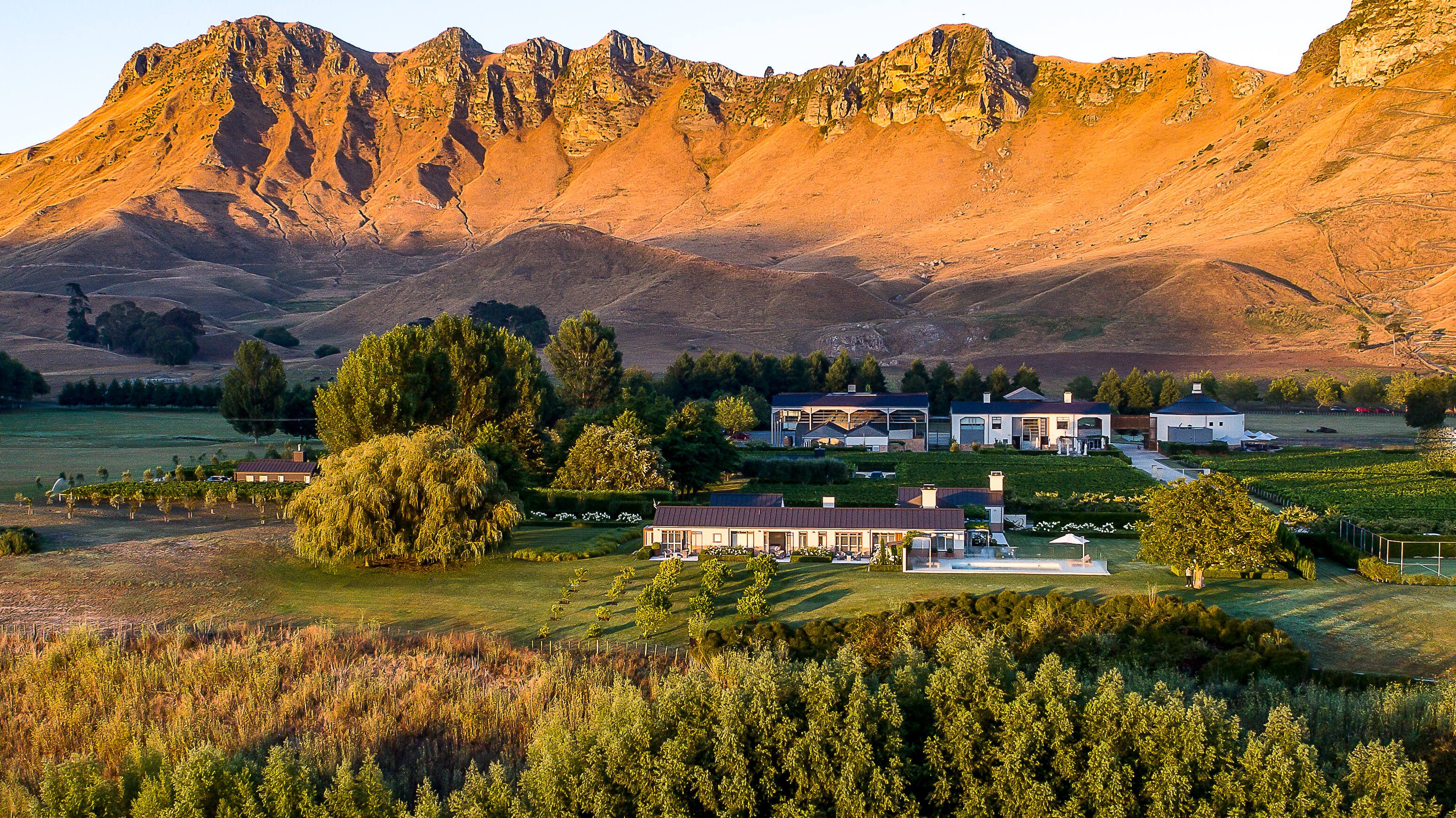
3. Christchurch to Christchurch: South Island Loop
- Duration: 7-10 Days
- Route Snapshot: Christchurch → Arthur’s Pass → West Coast → Franz Josef → Queenstown → Milford Sound → Lake Tekapo → Christchurch
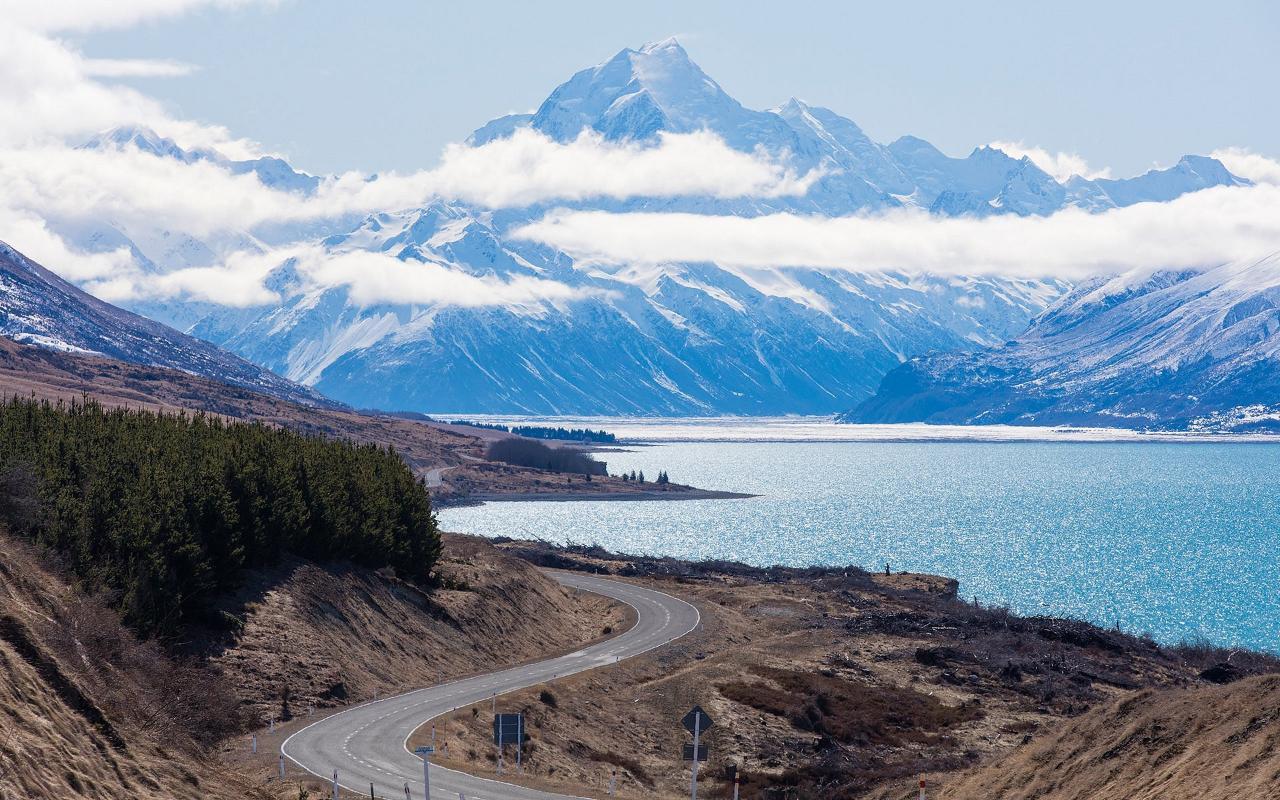
- The Experience: The definitive South Island circuit capturing glaciers, alpine passes, dramatic fiords, and high-country lakes at a manageable pace. This journey showcases the very best of Te Waipounamu, from the turquoise waters of the Mackenzie Basin to the wild, rainforest-clad West Coast.
- Practical Driving Reality: Most segments on this loop, such as the iconic drive from Franz Josef to Queenstown, take approximately 4.5 hours. Spacing your travel this way ensures you have enough time for spontaneous stops at hidden waterfalls or scenic lookouts like the Blue Pools.
- Stay Pattern: A deeper southern journey with carefully spaced driving days and strategic multi-night bases to ensure you aren't repacking every morning.
- Best For: First-time visitors wanting the full South Island landscape spectrum in one continuous loop without the stress of rushed travel.
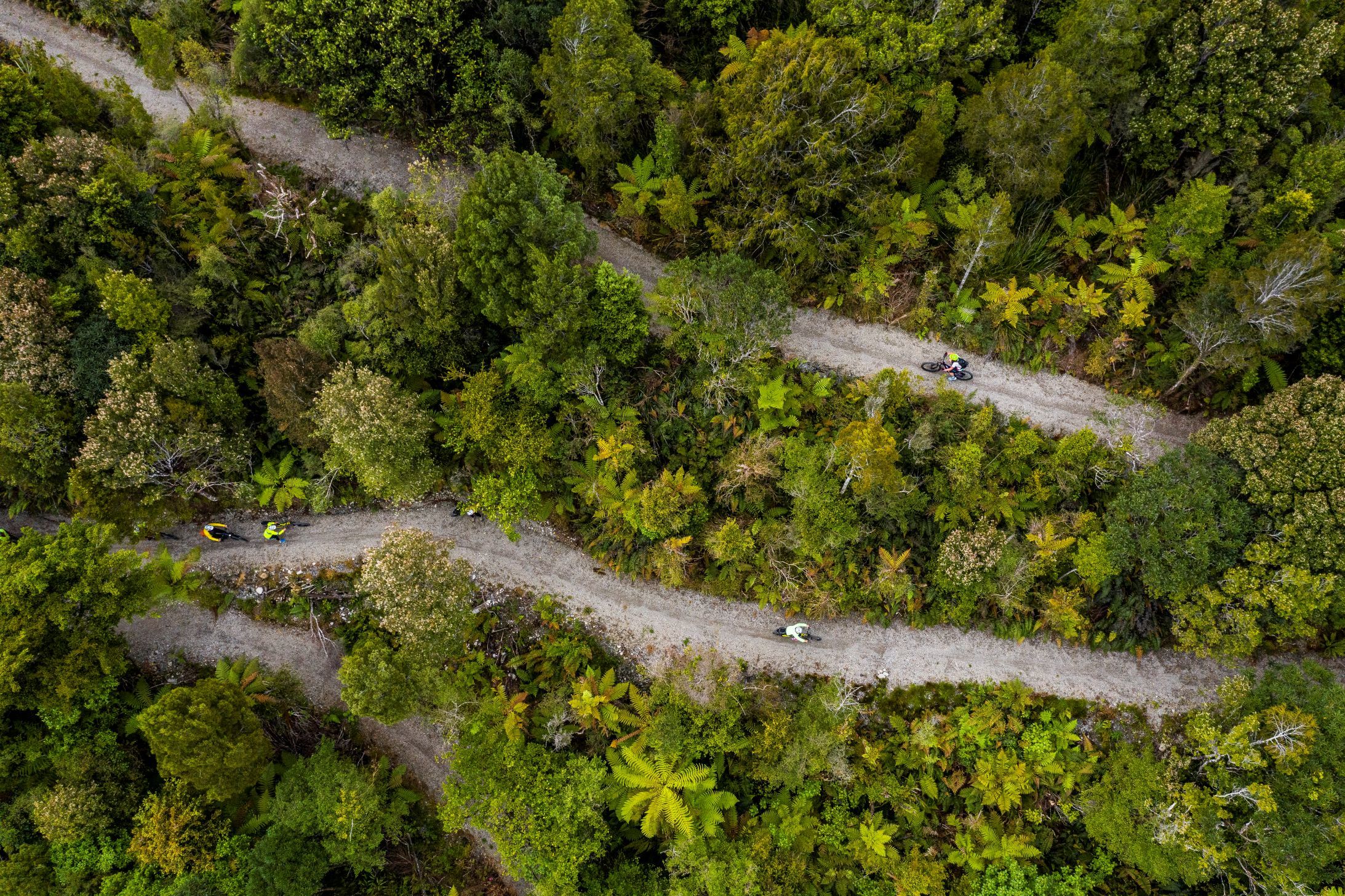
4. Queenstown to Christchurch: One-Way Scenic Route
- Duration: 8-15 Days
- Route Snapshot: Queenstown → Arrowtown → Wānaka → Lindis Pass → Aoraki/Mount Cook → Lake Tekapo → Christchurch
- The Experience: This high-impact alpine journey connects the adrenaline of the adventure capital with the serenity of the Mackenzie Basin. Expect a dramatic shift in landscape as you cross the Crown Range and Lindis Pass, moving from gold-mining history to the turquoise waters of Lake Pukaki and the shadow of New Zealand’s highest peak.
- Practical Driving Reality: The longest stretch, from Mount Cook to Christchurch, takes approximately 4 hours. This comfortable pace allows for essential stops at the Church of the Good Shepherd and the Fairlie Bakehouse without feeling rushed.
- Stay Pattern: A streamlined one-way itinerary that balances a multi-night start in Queenstown with a dedicated overnight stay in the Aoraki/Mount Cook Dark Sky Reserve.
- Best For: Travellers short on time who want to trade a loop journey for a direct line through the South Island’s most famous alpine postcards.
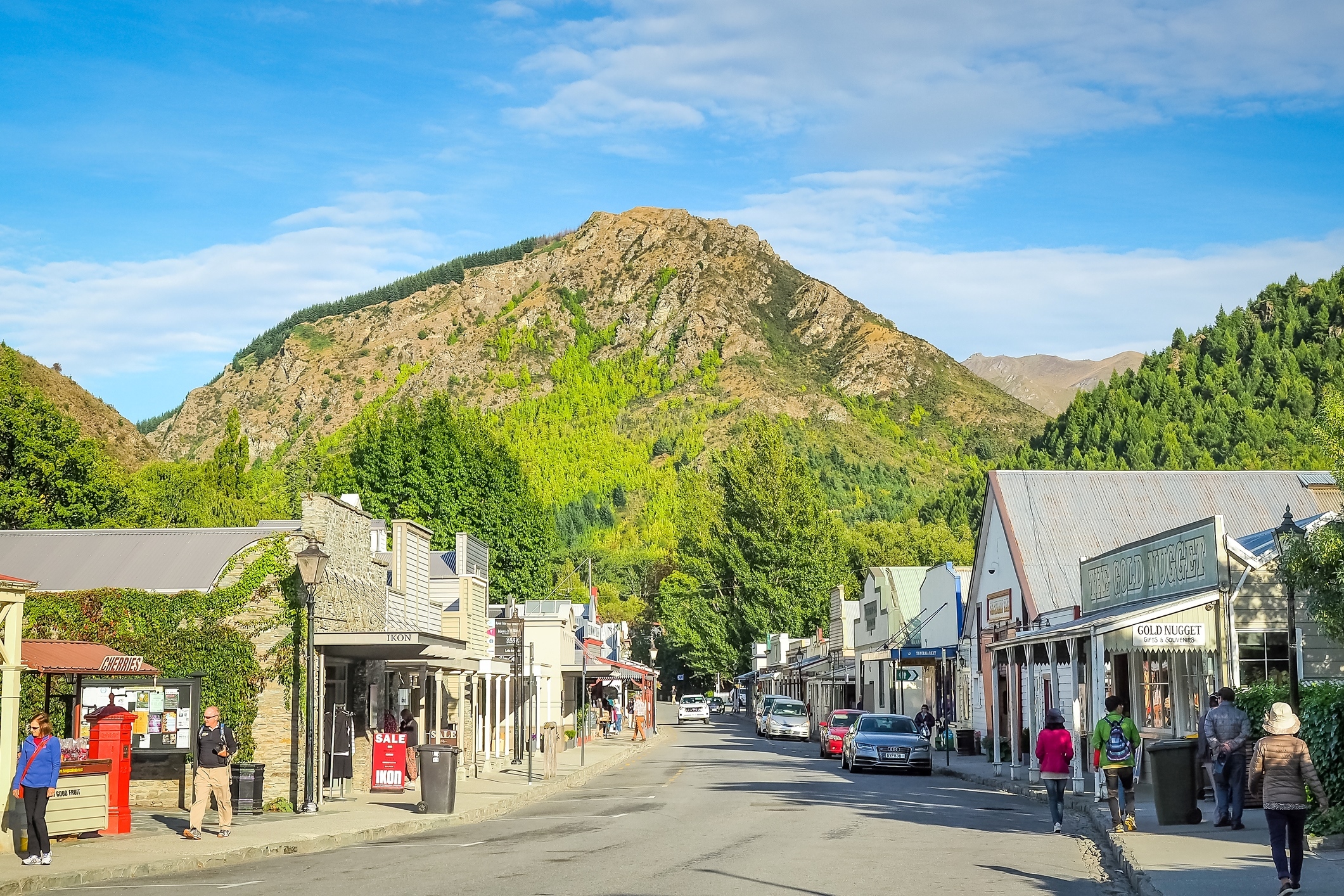
5. Auckland to Queenstown: Full-Length Journey
- Duration: 11-17 Days
- Route Snapshot: Auckland → Rotorua → Wellington → Cook Strait Ferry → Kaikōura → Christchurch → Queenstown
- The Experience: A comprehensive "greatest hits" expedition that links the thermal wonders of the North with the rugged alpine spine of the South. This journey evolves daily, taking you from the glowworm caves of Waitomo and the vineyards of Marlborough to the whale-watching waters of Kaikōura and the adrenaline hub of Queenstown.
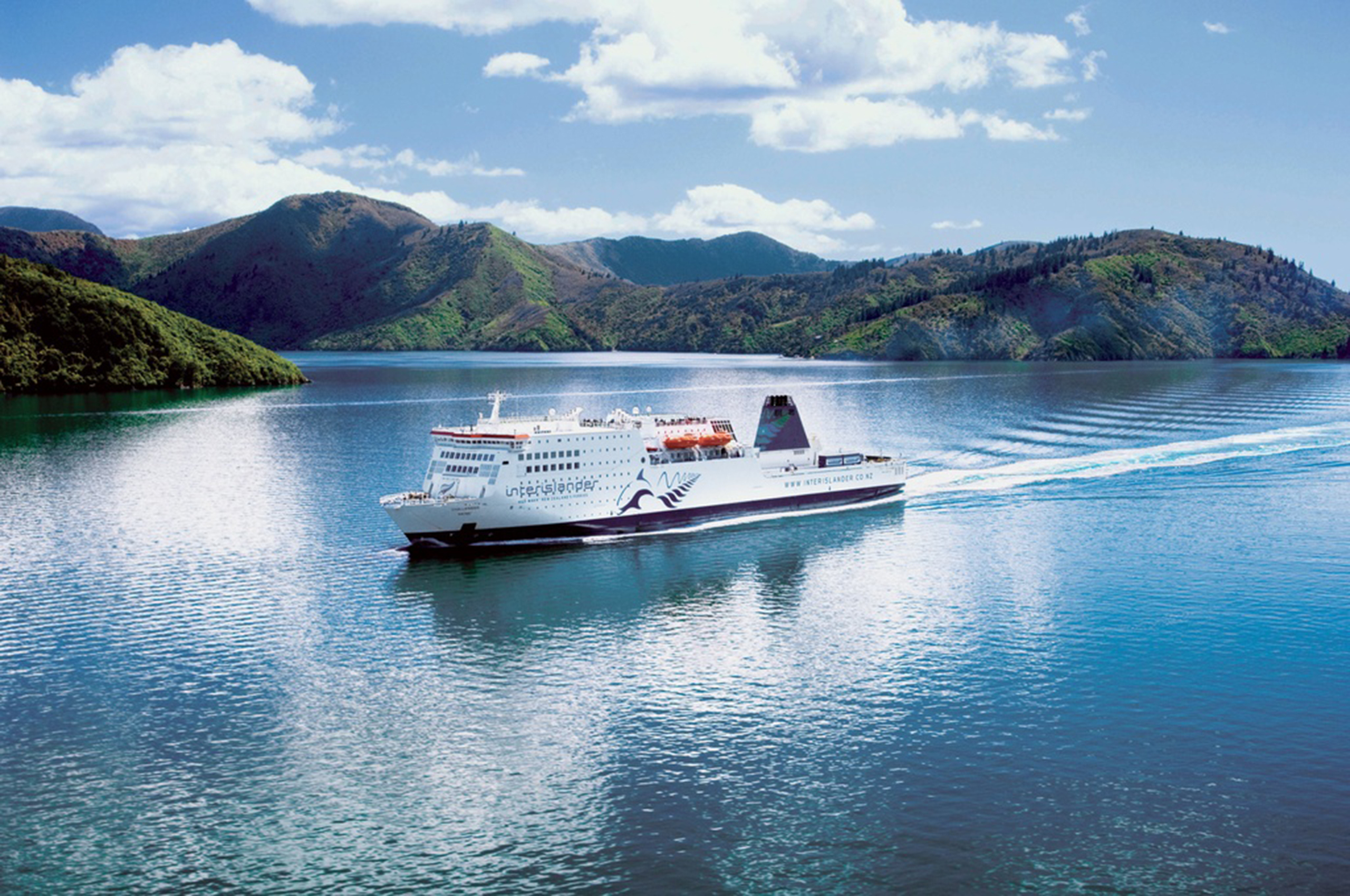
- Practical Driving Reality: This route includes a built-in "driver’s break" with the 3.5-hour Interislander Ferry crossing between Wellington and Picton—one of the world's most scenic ferry journeys.
- Stay Pattern: While fast-paced, this itinerary utilises smart 2-night stops in key hubs like Rotorua and Queenstown to ensure you aren't living entirely out of a suitcase.
- Best For: "Bucket list" travellers with two weeks or more who are determined to experience the diversity of both islands in a single, seamless trip.
The self-drive planning guide
Everything in one place: how long each region needs, the routes we run, choosing your vehicle and your season. If you only read one thing before planning a New Zealand self-drive, make it this.
The Queenstown Hub Strategy
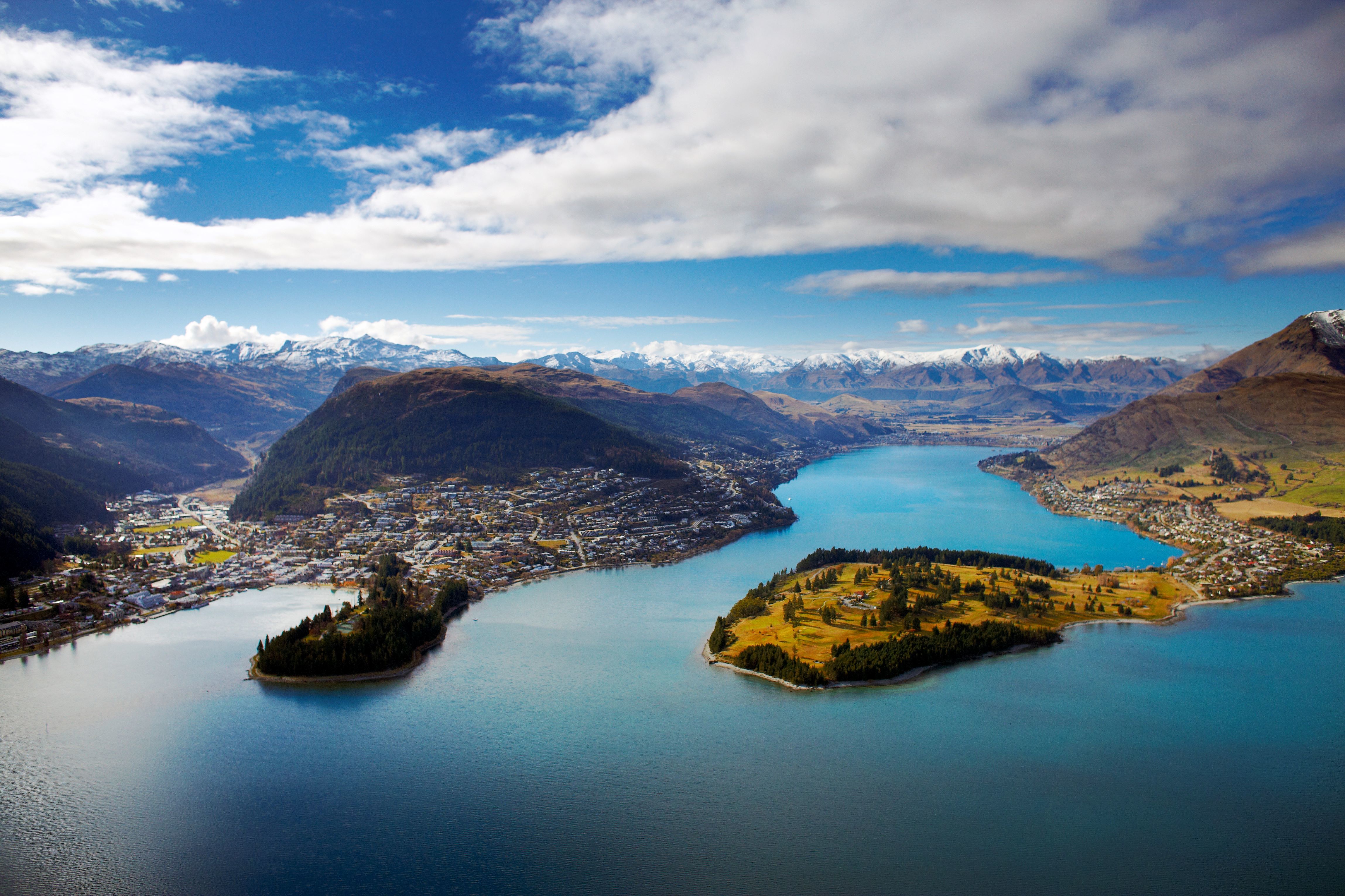
Many first-time visitors underestimate how much they can see without changing accommodation every night. It reduces fatigue and gives you time to properly experience each region.By using Queenstown as a base, you can explore the following regions on easy day trips:
- Milford Sound (Full-Day): A world-renowned fiord accessible by luxury coach or scenic flight.
- Glenorchy: A stunning lakeside drive to the edge of Mount Aspiring National Park.
- Arrowtown: A preserved colonial village with boutique shopping and exceptional bakeries.
- Wānaka: Home to the famous solitary tree and rugged mountain trails.
- Gibbston: One of the most spectacular mountain-side wine regions in the world.
Tailoring Your Trip
Every Go New Zealand self-drive itinerary includes:
- The four-hour driving rule built into your route.
- Accommodation hand-picked to match your travel style.
- Ferry coordination between the North and South Islands.
- 24/7 local support while you are on the road.
If these tours do not align with your specific dates or interests, we can create a customised itinerary just for you. We can adjust the length, pace, and accommodation levels of any route to fit your personal travel style.
Before You Start the Engine
- Keep Left: New Zealanders drive on the left side of the road. This is the most critical adjustment for many international visitors.
- Speed Limits: Speed limits can change quickly near small towns, schools, and roadworks. Always watch the signage.
- First Day Tip: After a long-haul flight, we recommend a short first driving day or an overnight stay near your arrival city to manage jetlag safely.
- Winter Driving: If you are visiting between June and September, you may be required to carry snow chains in the South Island. We can arrange snow chains for winter rentals when required.
- The Ferry: The journey between the North and South Islands must be booked in advance, especially if you are taking a vehicle. We handle these bookings as part of your tour package.
Drive New Zealand without the stress
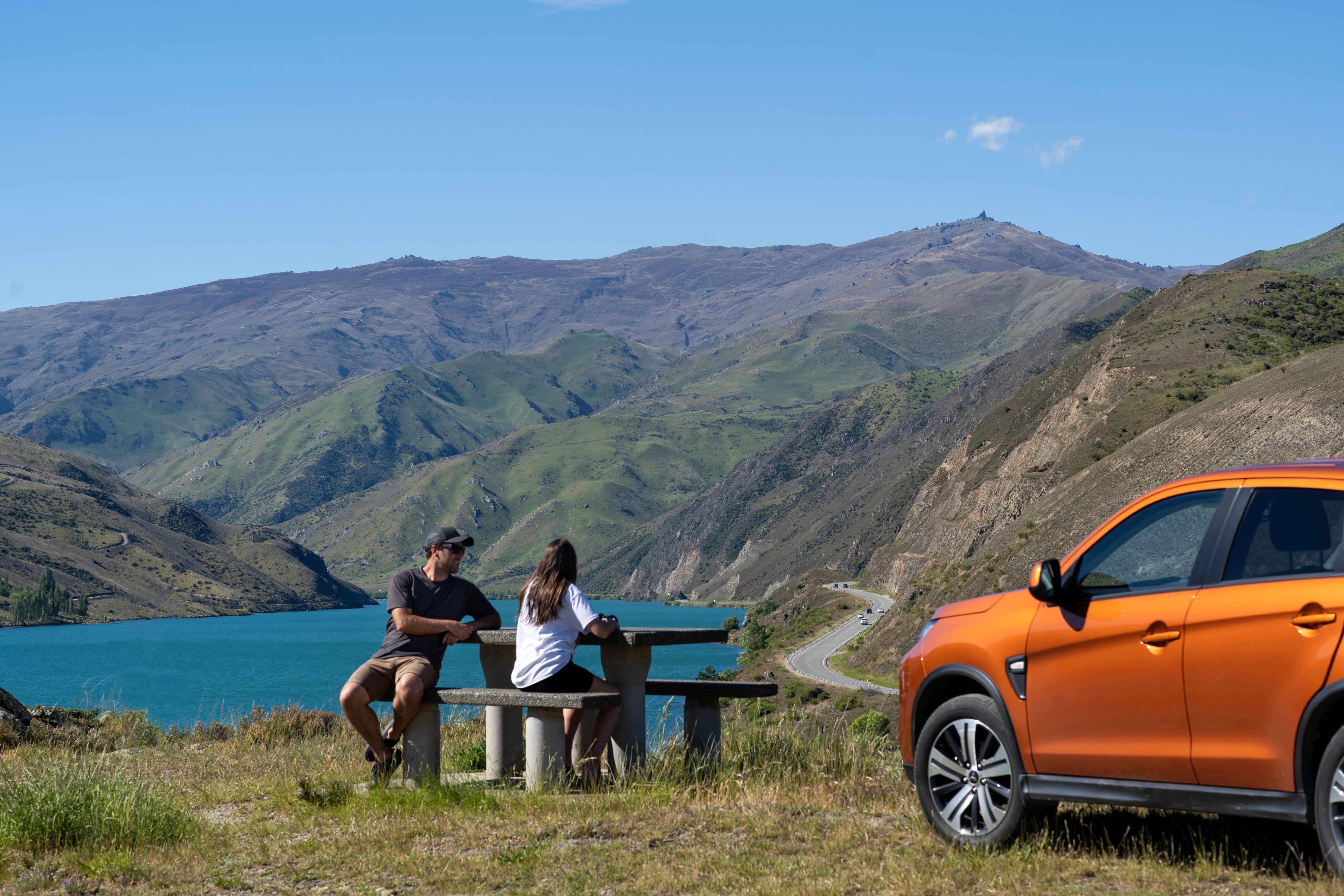
We organise the ferry crossings, vehicle rentals, and accommodation for you. You simply turn the key and enjoy the view.