

DRIVE NEW ZEALAND SMARTER
Routes, Vehicles and Travel Pace
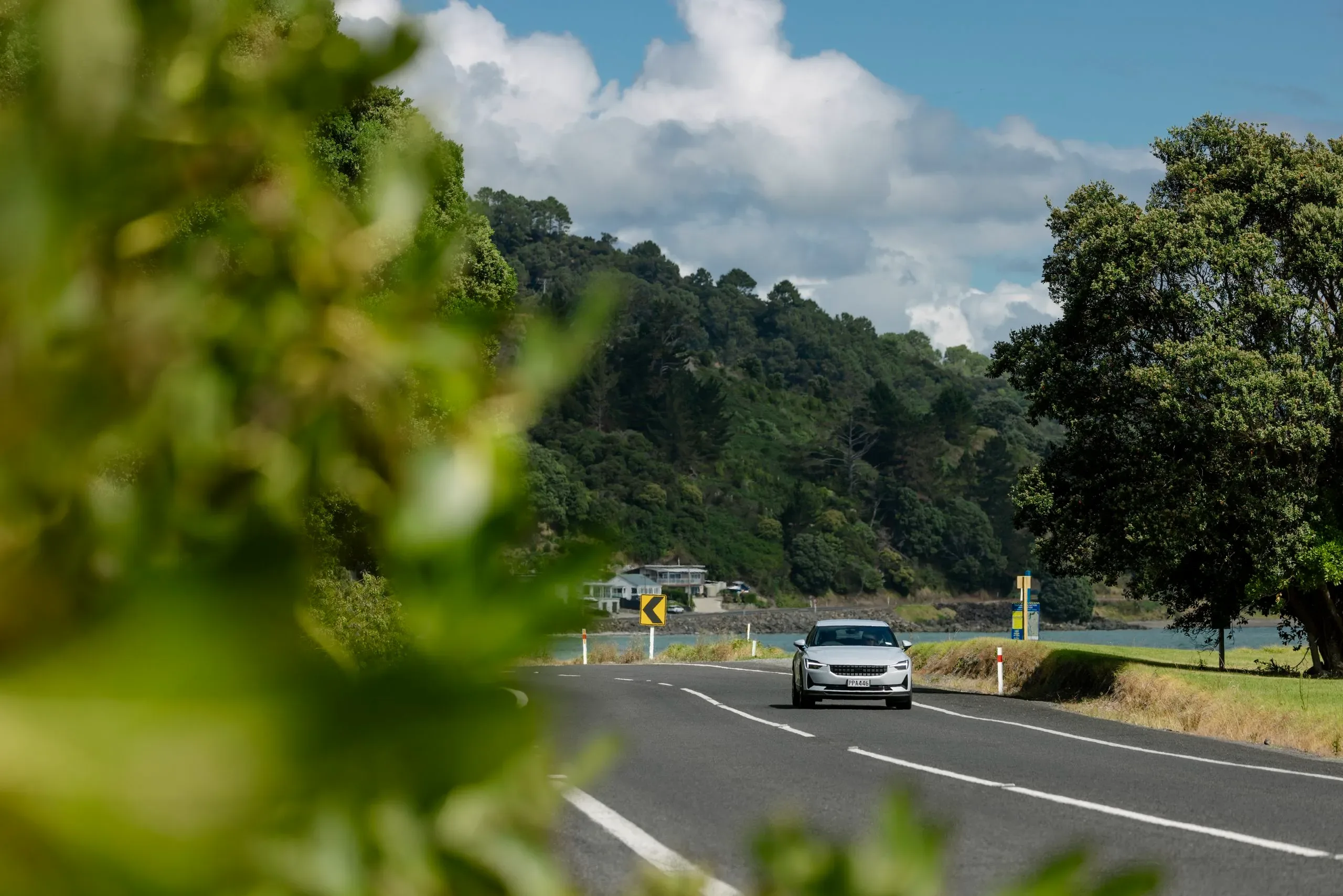
Planning a self-drive holiday in New Zealand starts before you choose a car. The route you take, the time of year you travel, the pace you keep and the vehicle you drive all shape each other. Get those decisions in the right order and the trip is easier to book and easier to enjoy.
This page walks through how to plan a New Zealand self-drive holiday, from matching a route to your travel month, to choosing between a standard, hybrid or electric vehicle, to working out how many nights each region needs. If you would rather start with a route suggestion, the matcher below takes a few questions and points you to a starting itinerary.


Not sure where to start?
Answer seven quick questions about how you like to travel, and we will match you to a self-drive itinerary that fits your islands, your dates and your pace. It takes about a minute.
Choosing your vehicle
Your ideal vehicle depends entirely on your planned route.
A straightforward choice for most itineraries, including remote and alpine sections where you want maximum range and simple refuelling.
A highly practical choice across extended routes, alpine roads and scenic detours. Hybrids offer excellent fuel efficiency depending on the model and driving conditions.
Available on selected itineraries, subject to availability, and suited perfectly to routes with planned charging stops. EVs work best between main centres, so we ensure your route is fully compatible before recommending one.
If you are unsure, leave it to us. We match the vehicle directly to your route and travel dates to ensure a seamless holiday.
Planning by season
The season you choose changes what the route needs to look like. Each season opens up different parts of the country and closes others off, and the activities worth building a route around shift with it.
Whichever season you are looking at, the self-drive packages can be adjusted around it. Tell us the month and we will tell you what changes.
Summer (December to February)
Book accommodation, activities and ferry crossings early.
Long daylight makes road trips easier, while warmer weather suits kayaking, sailing and overnight Fiordland cruises.
It is also peak walking season. If a particular Great Walk or day walk matters to you, book it before the vehicle.
Autumn (March to May)
Expect thinner crowds, settled weather and autumn colour, especially in Central Otago and the wine regions.
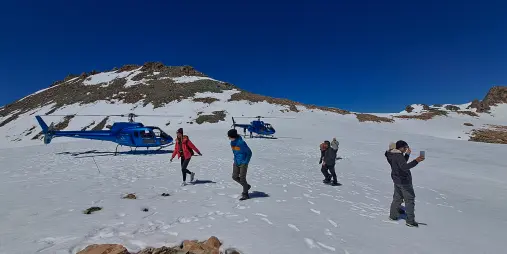
Harvest season suits food and wine touring, while calmer conditions can favour scenic flights over the Southern Alps and glaciers.
Winter (June to August)
Expect shorter days, alpine snow and changing road conditions, so plan flexible routes and fewer overnight stops.
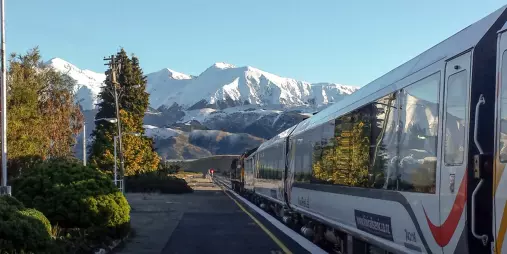
Winter suits skiing and snowboarding, hot springs and stargazing. Scenic rail journeys can also replace more difficult alpine drives.
Spring (September to November)
Milder weather, longer days and fewer crowds make spring a strong alternative to summer, though higher passes may still see late snow.
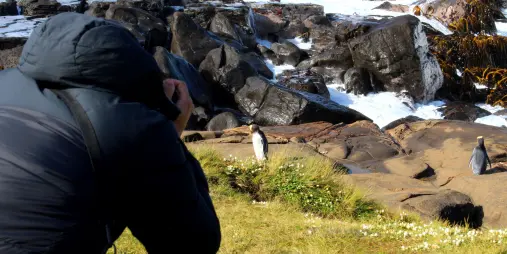
Snowmelt suits rafting and jet boating, while wildlife tours and cycle trails benefit from quieter conditions.
Popular self-drive routes
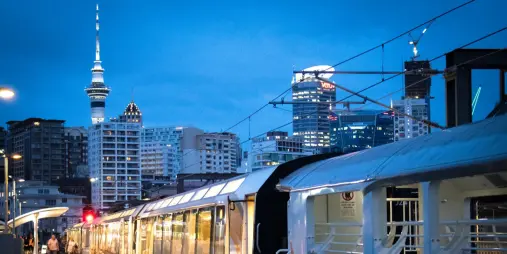
If you'd rather browse finished itineraries, these give a sense of what a planned self-drive looks like across each part of the country. Every one can be adjusted.
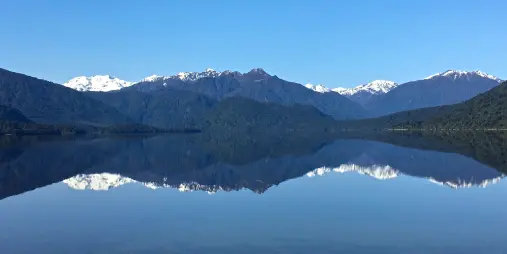


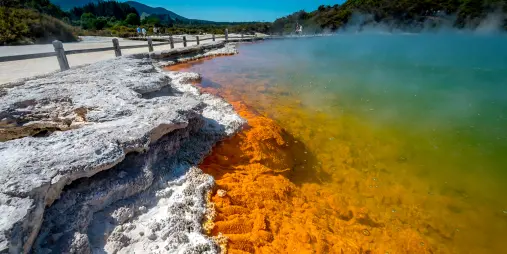

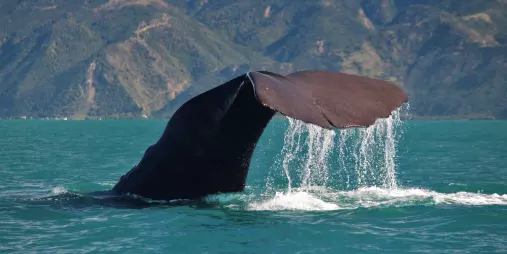









Common questions
For summer travel, several months ahead is sensible, since vehicles and accommodation on the popular routes fill early. Spring and autumn allow more flexibility. Winter depends on the regions you’re visiting.
A single island suits a week to ten days. Both islands at a comfortable pace need around two weeks or more. The route matcher suggests a length based on where you want to go.
No. Tell us where you want to start and finish and how you like to travel, and we arrange the route, accommodation and vehicle around that.
Yes. The itineraries on our site are starting points. Add nights, change regions, or adjust the pace, and we rework the plan.
It depends on your route and the season. Hybrids suit longer routes across both islands, standard vehicles suit remote and alpine sections, and EVs suit selected planned routes with charging stops built in. The route matcher gives a starting recommendation, and our team confirms it against your dates.
No separate planning fee. You only pay for the travel arrangements you choose to book.
Still working it out?
Most people who talk to us are months away from booking, and plenty are only looking. Both are fine. Tell us roughly where you are up to and we will send ideas that suit, including regions and itineraries that are not on this page.
Ask us anything, at any stage. Talking to us costs nothing and there is nothing you have to book.
We will email you self-drive planning ideas. Reply to any of them and it reaches a real person on our team. Unsubscribe whenever you like.
Good to meet you
We will send something useful shortly. Reply to it with anything you are unsure about, even if it is only a rough idea of when you might go.
Rather look around on your own?
Our self-drive page has every itinerary we run, with the route, the number of days and what is included on each one.