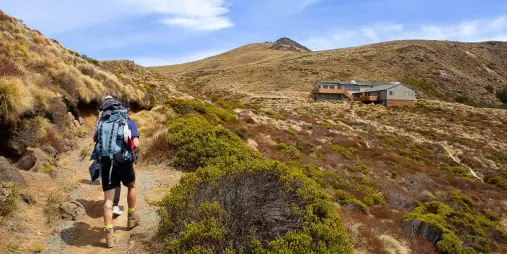


What Walking the Milford Track Actually Feels Like
The Milford Track is not difficult Great Walk because it is dramatic; it is difficult because it is consistent. It requires four days of steady movement through weather that changes without warning. This article offers a grounded look at what the walk is really like when you are the one carrying the pack.

The Short Story
- The Reality: The Milford Track is a 53.5 km journey that requires consistency and preparation rather than extreme endurance.
- The Experience: Pacing, layering for changing Fiordland weather, and proper gear fit are the small details that define a successful trek.
- The Takeaway: Handling logistics, gear, and hut bookings well in advance allows the walker to focus entirely on the rhythm of the trail.
- The Result: A Great Walk that feels simpler, steadier, and more rewarding because the "background noise" of planning has been removed.
Before Day One Even Starts
Hut bookings are limited and availability disappears quickly. Lynda and Steve secured their dates early, ensuring key logistics were locked in before travel.
As Lynda described it:
“Basically, we just had to turn up with our socks and jocks and hit the trail.”
Is The Milford Track Really Worth It?
The track requires preparation and consistency rather than technical skill. Distances are manageable, but terrain and weather—particularly fog and wind around Mackinnon Pass—add weight to each kilometre.
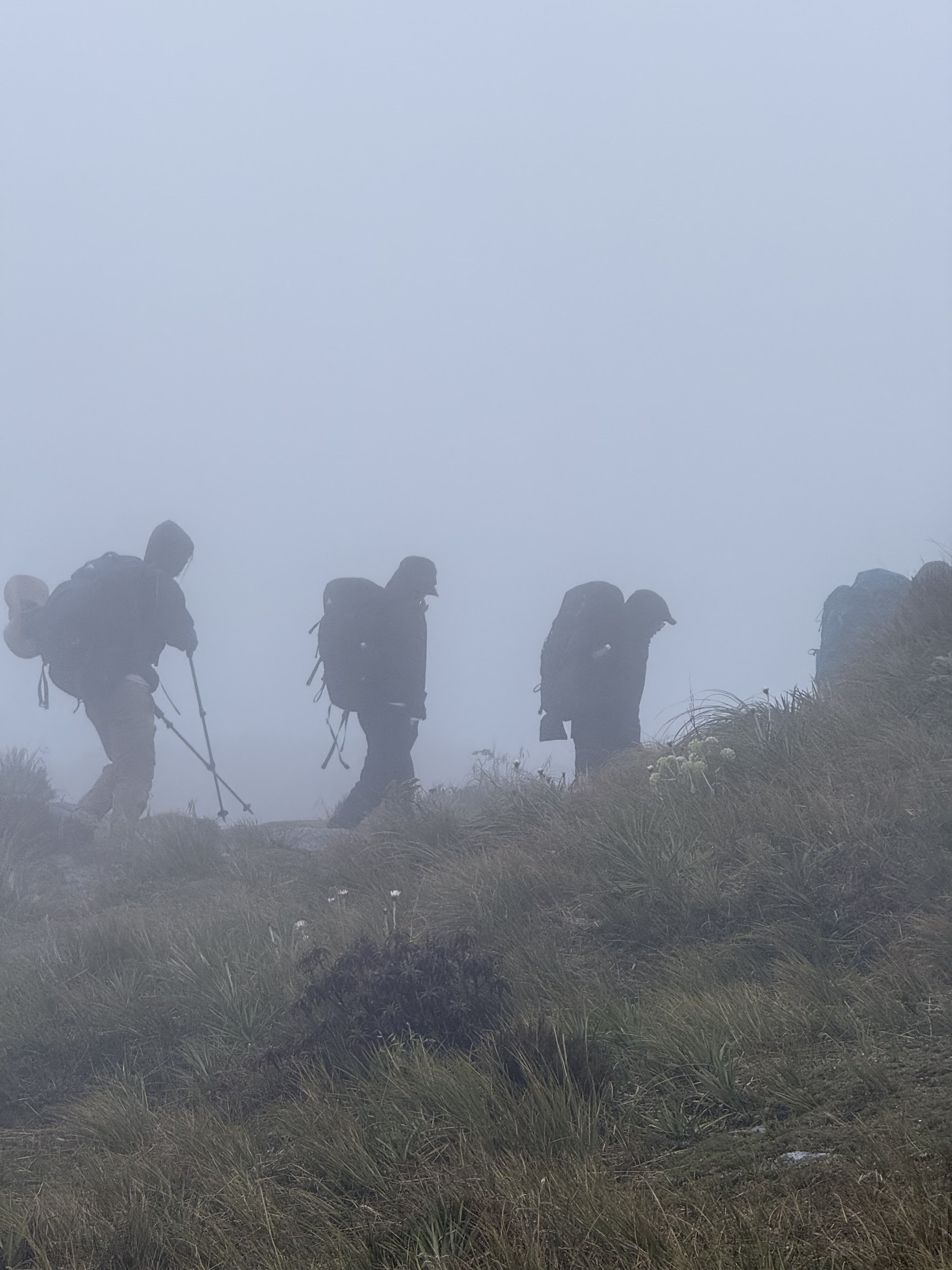
Each day brings a noticeable shift:
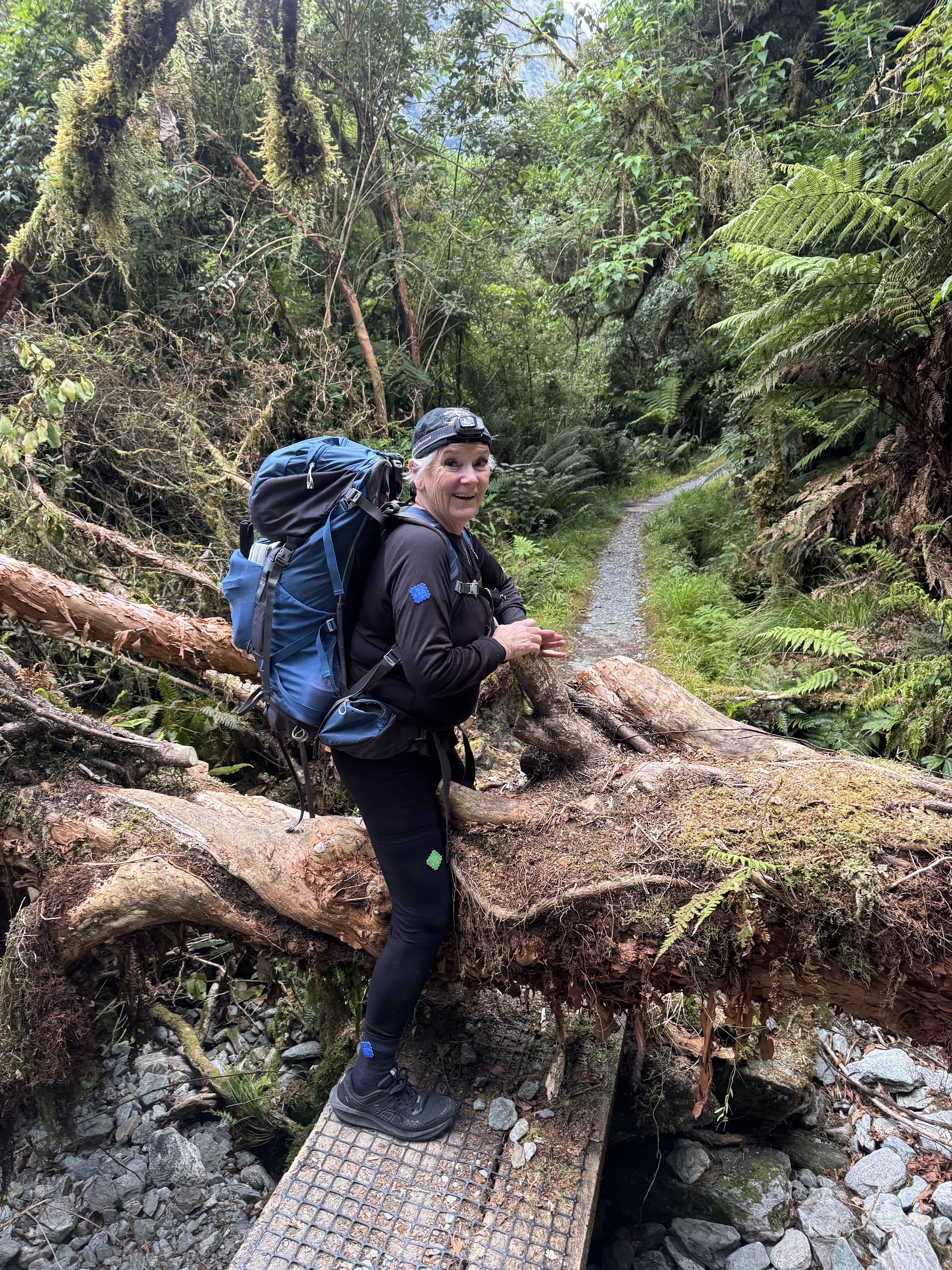
- Rainforest sections where waterfalls surge after rain.
- Valleys that open suddenly after enclosed forest.
- The long climb and descent over Mackinnon Pass.
- Evenings in DOC huts that feel social and rewarding.

Secure Your Slot for 2026/27
Milford Track bookings are a notorious challenge, often disappearing within minutes of opening. We manage the background noise of dates, gear, and logistics so you can focus entirely on the walk. Join our waitlist to get priority access for the upcoming season.
Why Pace Matters More Than Distance
The walk rewards consistency over speed. Lynda noted that the most successful days were the ones where nothing felt rushed. Weather can compress visibility quickly; moving steadily and staying warm matters more than pushing ahead.

Pro Tip: Gear Fit Is Not a Minor Detail
Early on, Lynda’s pack felt heavy and awkward, affecting her energy. Steve stopped to re-fit the pack properly and redistribute the weight. The difference was immediate. Professional pack fitting ensures fatigue builds slower and small discomforts do not compound.
Is the Milford Track Worth the Effort?
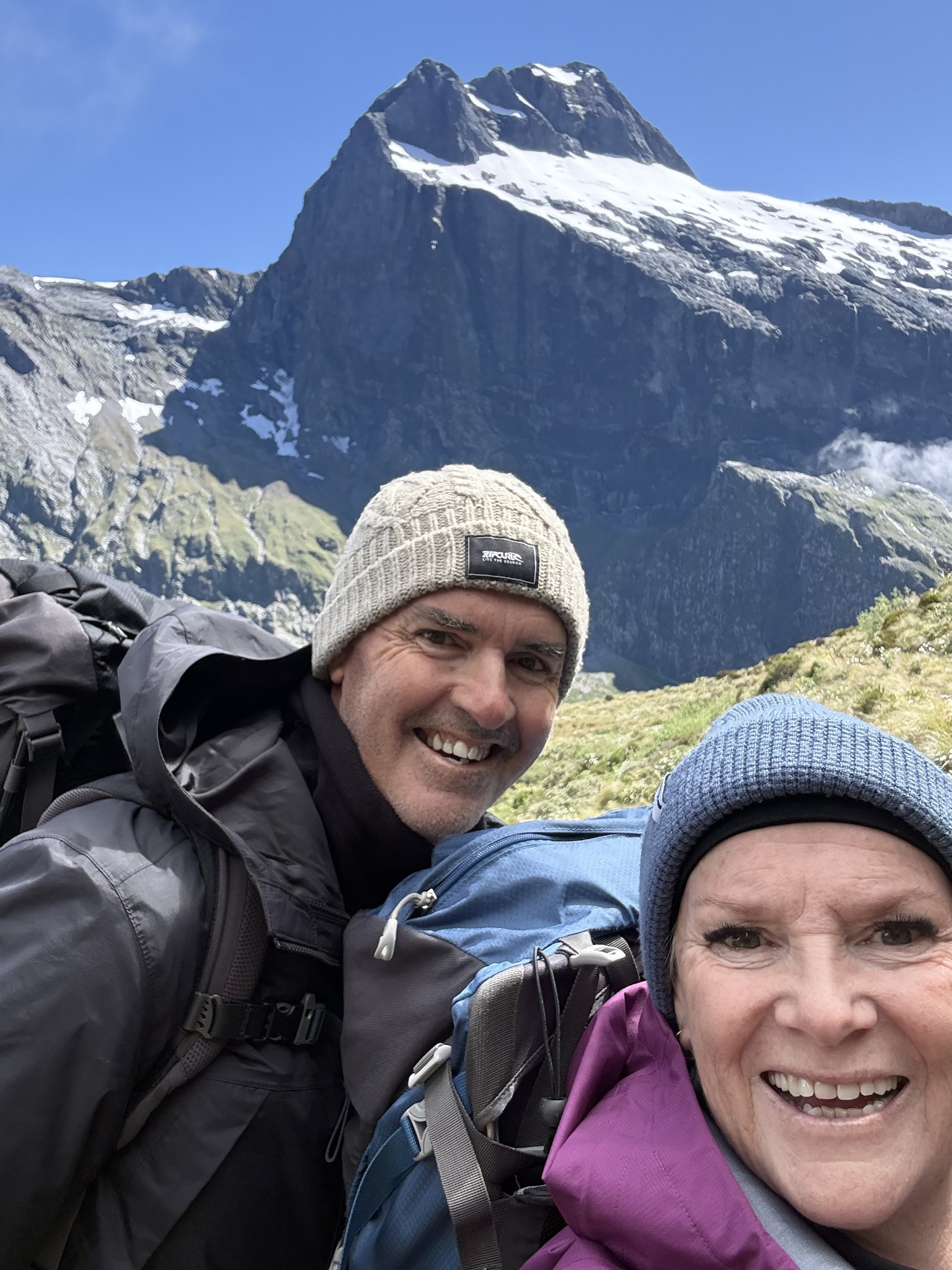
For Lynda and Steve, the answer was clear. The reward is the accumulation of steady progress. The walk leaves you tired but not depleted; focused, not overwhelmed.
What Happens After the Walk
For Lynda and Steve, the walk became a reference point for all future trips. As Lynda shared:
“We are already looking at our next GONZ adventure.”
The experience showed what is possible when preparation fades into the background and the walk itself takes centre stage.
The Story Behind the Trail
This feature was adapted from the real-life trail journals and experiences of Lynda Watton. When she isn't tackling New Zealand's Great Walks, Lynda documents her global adventures through her lens and her pen at The Wonky Camera.
Explore Lynda’s Full Milford Track Journey:
Part 1: Taking on the Milford Track New Zealand — Preparation, "ugly pants," and the anticipation of the trail
Part 2: The Milford Track, Fiordland National Park — The full 53.5 km daily journal and voice recordings from the track
Follow Her Adventures:
Instagram: https://www.instagram.com/lyndawatton/
Google: Read Lynda's Go New Zealand review here
Your Milford Track Story Starts Here
Experience the "finest walk in the world" without the logistical noise. Our Milford Track Premium Package handles the notorious hut bookings, gear, and transfers so your only job is to walk, eat, and repeat. Secure the same "socks and jocks" simplicity that Lynda and Steve enjoyed.