

The Gradual Shift: Why Autumn Suits the Self-Drive Journey
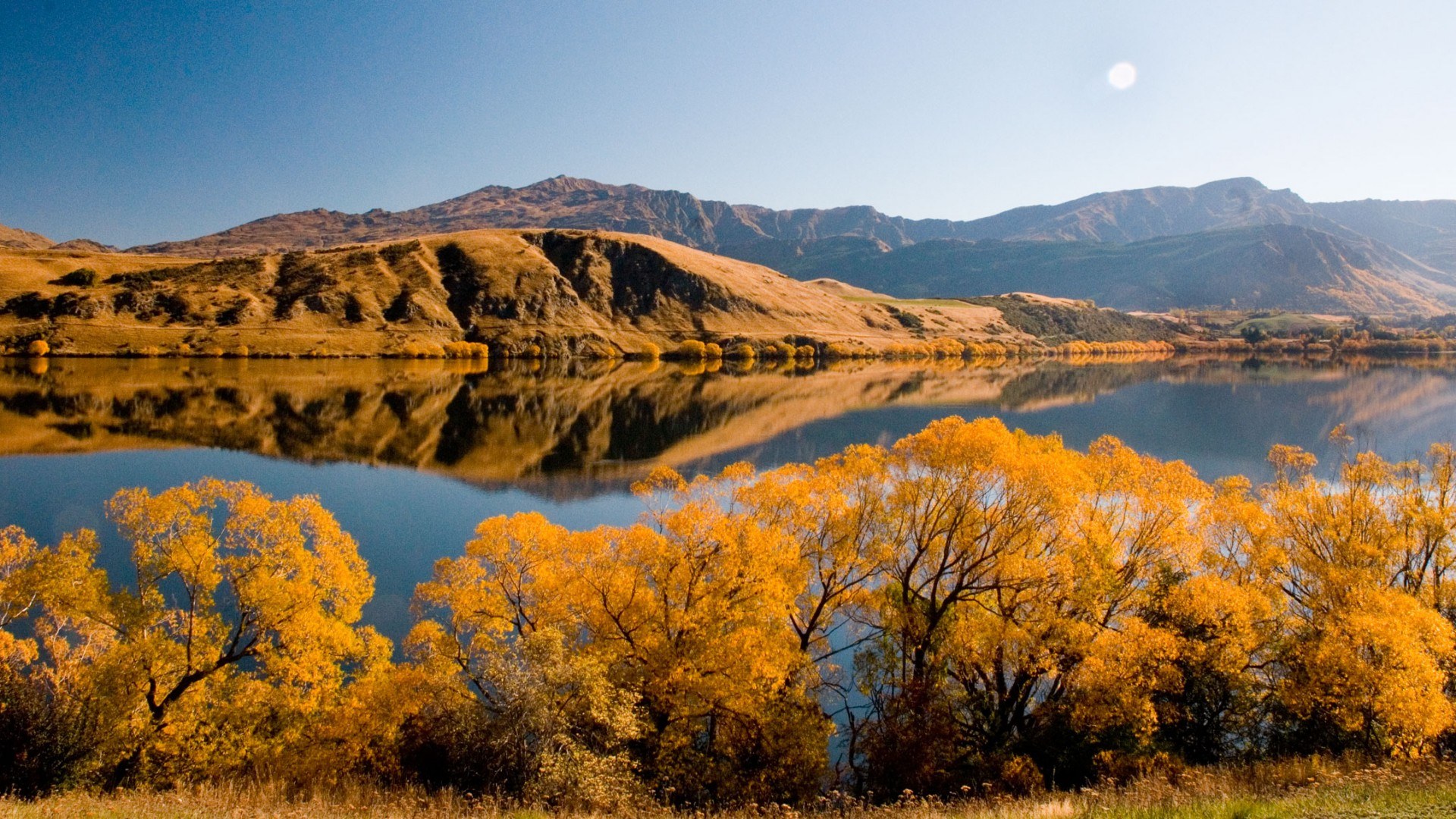
Autumn in New Zealand does not announce itself loudly. From March to May, the landscape shifts gradually. Greens deepen. Trees move toward gold and copper. The pace of travel changes along with it. Roads feel calmer, towns settle into a steadier rhythm, and the journey between places starts to matter just as much as places themselves.
Autumn supports a style of travel that values control and flexibility, where the drive itself becomes part of the experience.
New Zealand Autumn at a Glance
- Season: March to May
- Why it works: Fewer crowds, comfortable temperatures, and calmer roads
- Best for: Self-drive travellers who value flexibility and realistic pacing
- Key regions: Arrowtown, Wānaka, Central Otago, Mackenzie Basin
- Peak colour: Mid-April to early May in the South Island
- Planning notes: Daylight shortens after early April; most main routes remain accessible with occasional alpine considerations
- Travel tip: Easter and trans-Tasman school holidays can increase demand in mid-April
Understanding the Logistics: Daylight and Seasonal Nuances
Autumn is often described as a shoulder season, but that label can be misleading without context. Autumn (March–May) in New Zealand is considered a shoulder season because it sits between peak summer travel and winter conditions, offering balanced weather, lighter demand, and improved driving conditions for self-drive itineraries.
The Impact of Shorter Days
March and early April still offer generous daylight, particularly in the South Island. Daylight Saving ends on 5 April 2026, after which light fades earlier in the afternoon. By mid-April, sunset in places such as Queenstown and Invercargill approaches 5:45 PM, which has a real impact on driving comfort along rural and alpine roads. Most main routes remain fully accessible throughout autumn, with occasional weather-related considerations in alpine areas.

Managing the Holiday Peak
April can overlap with Easter and school holidays on both sides of the Tasman. This period often drives increased Australian demand for regions such as Central Otago and the Mackenzie Basin. Outside these weeks, availability improves and travel feels noticeably less congested.
Regional Highlights for Deliberate Itinerary
These regions work particularly well for autumn self-drive travel because they reward slower pacing, short driving days, and seasonal shifts in landscape
Arrowton: Autumn Without Urgency
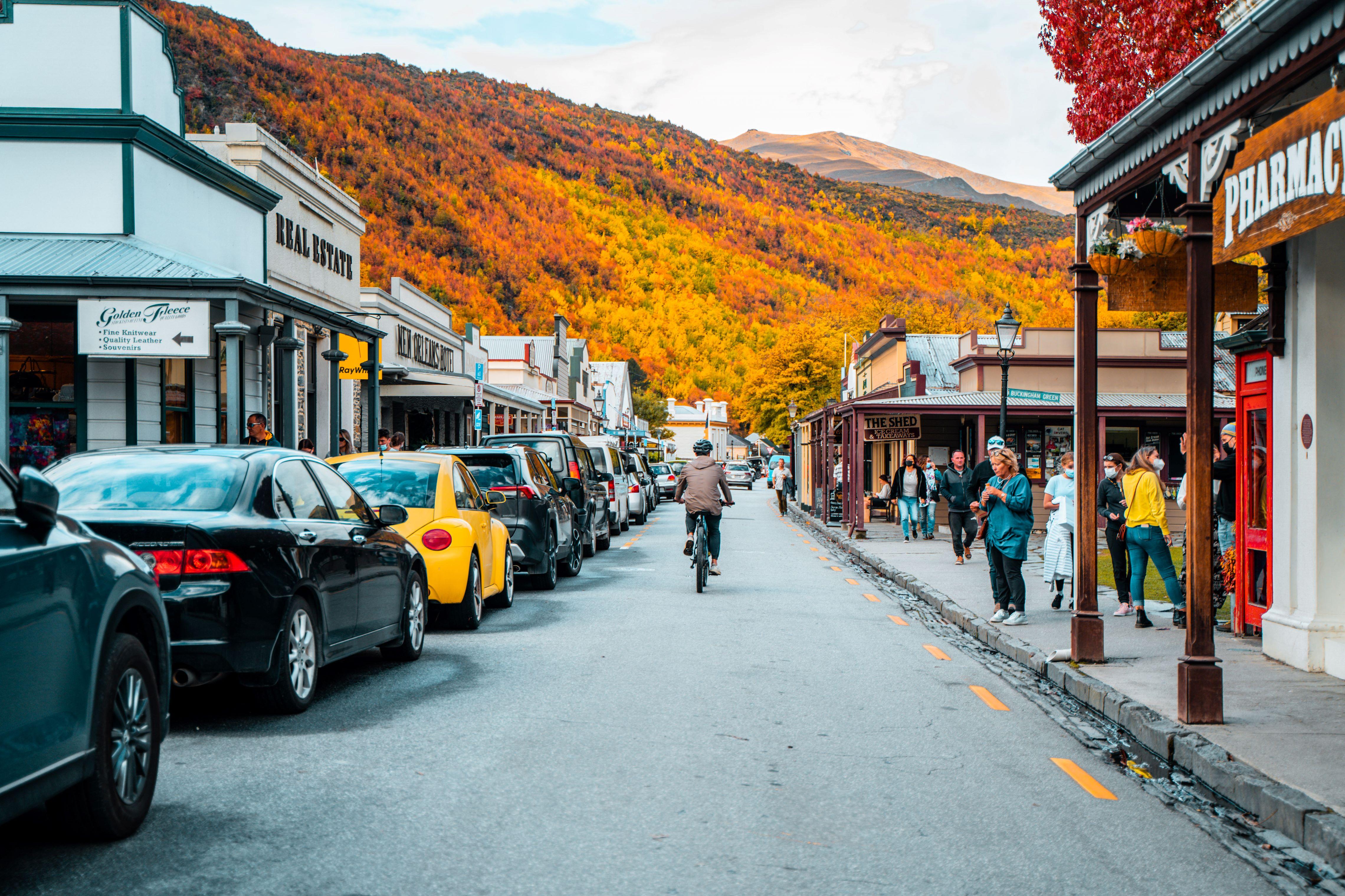
By mid to late April, the trees lining the Arrow River and Buckingham Street turn a deep, even gold. What defines the experience is the way the town slows, as much as the colour itself. Mornings stretch out. Walks along the river feel unhurried. Cafés fill gradually rather than all at once.
Wānaka: Space to Stay Longer

Wānaka in autumn feels balanced. The lakefront softens in colour, the town becomes easier to move through, and there is less pressure to structure each day tightly. Walks around Roys Bay or a late afternoon climb up Mount Iron feel achievable without rushing.
Self-Drive, Planned for Autumn
If you’re planning a self-drive trip for autumn, our specialists can help shape routes that suit shorter daylight hours and seasonal conditions.
Central Otago Beyond the Obvious Stops
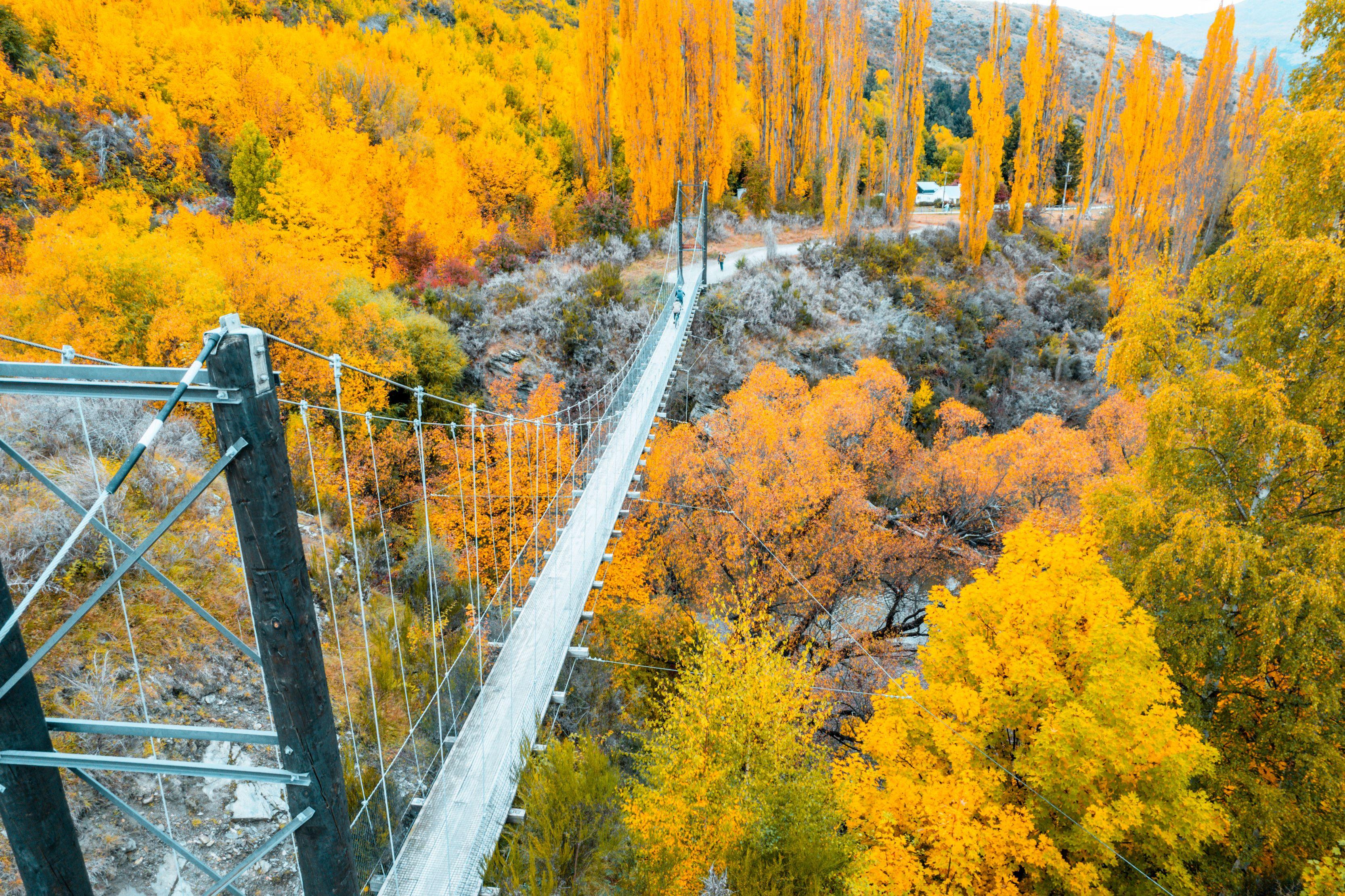
Between Cromwell and Clyde, vineyards and orchards shift into harvest mode. Cherry season ends, grape picking begins, and the region takes on a more local rhythm. Landscapes such as Bannockburn Sluicings offer a different perspective on the region. Quiet roads encourage spontaneous turn-offs, where a short detour often yields a more memorable moment than the planned stop.
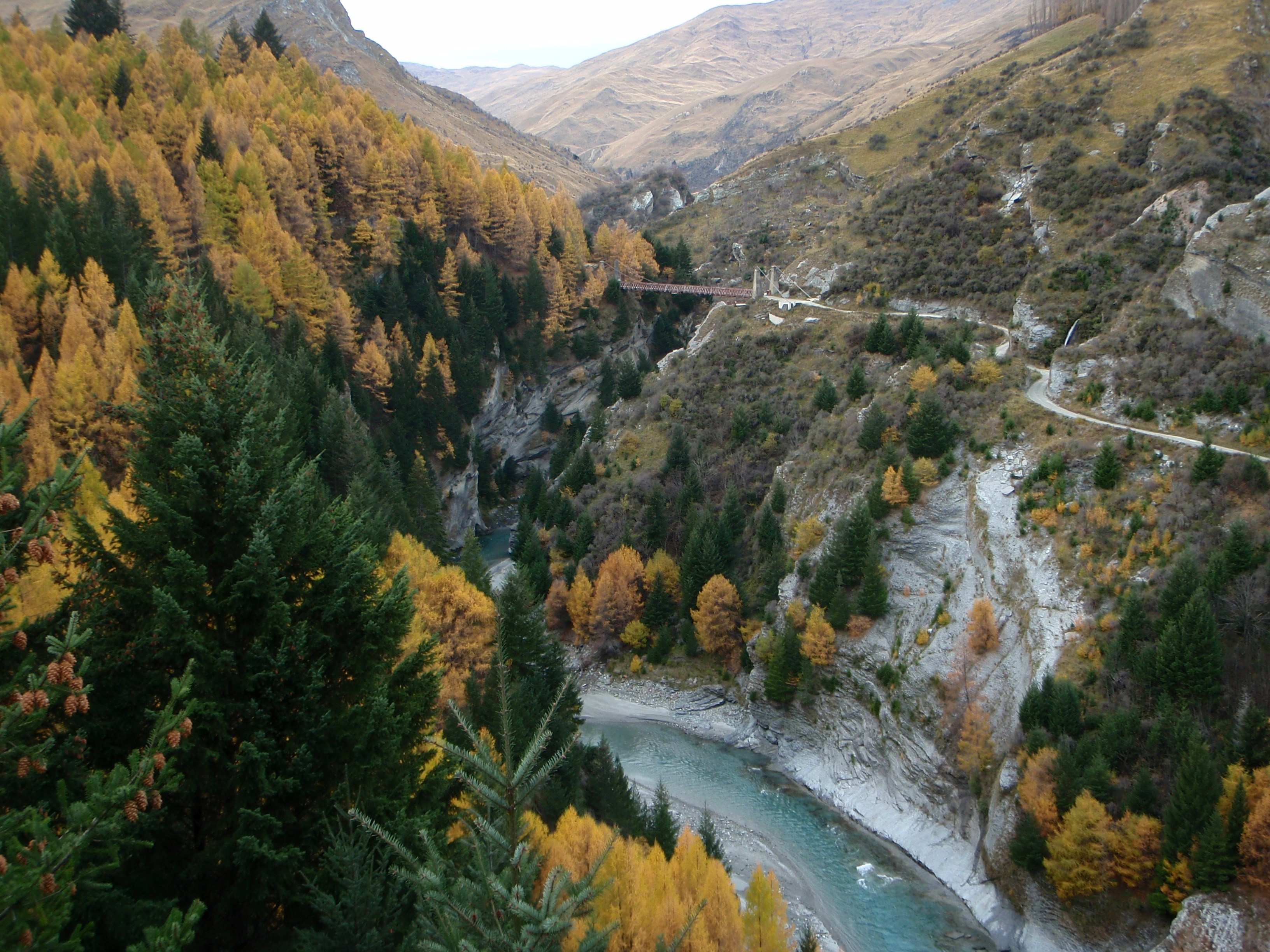
With reduced summer glacial melt, rivers such as the Waitaki and Ahuriri River often appear at their most vivid blue, adding sharp contrast to the warm, dry tones of the land.
Preparing for the Season: Planning and Pacing
At Go New Zealand. we design self-drive itineraries that reflect how autumn actually behaves. That includes planning around shorter daylight hours and building routes that connect regions in a way that feels logical and unforced.

Essential Preparations
- Peak timing: The most vibrant South Island colour usually arrives between mid-April and early May.
- Flexible routing: May can bring early cold snaps to higher routes such as the Crown Range; flexibility supports safety and comfort.
- Layered Clothing: Inland areas can feel mild during the day and noticeably cooler by evening.
A Season That Reveals the Journey
Autumn rewards travellers who plan with intent. Shorter daylight hours encourage realistic driving days. Seasonal shifts influence where colour peaks first. Regional demand fluctuates around school holidays and harvest periods. These details shape the experience just as much as scenery does.
Autumn in New Zealand suits travellers who value continuity. It is a season where the connections between places become clearer, and where the country reveals itself over time.
Plan an Autumn Self-Drive
Autumn rewards steady pacing. We can help map a self-drive route that matches shorter daylight hours, key regions, and the timing of peak colour.