
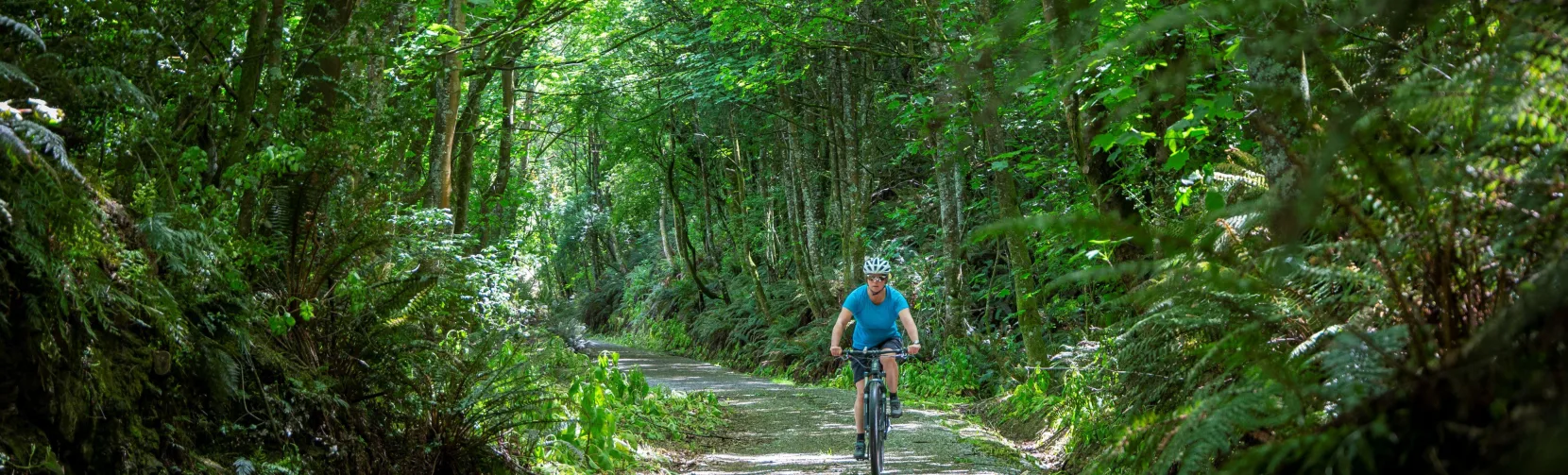

Ride Through History and Nature on New Zealand’s Best Cycle Trails
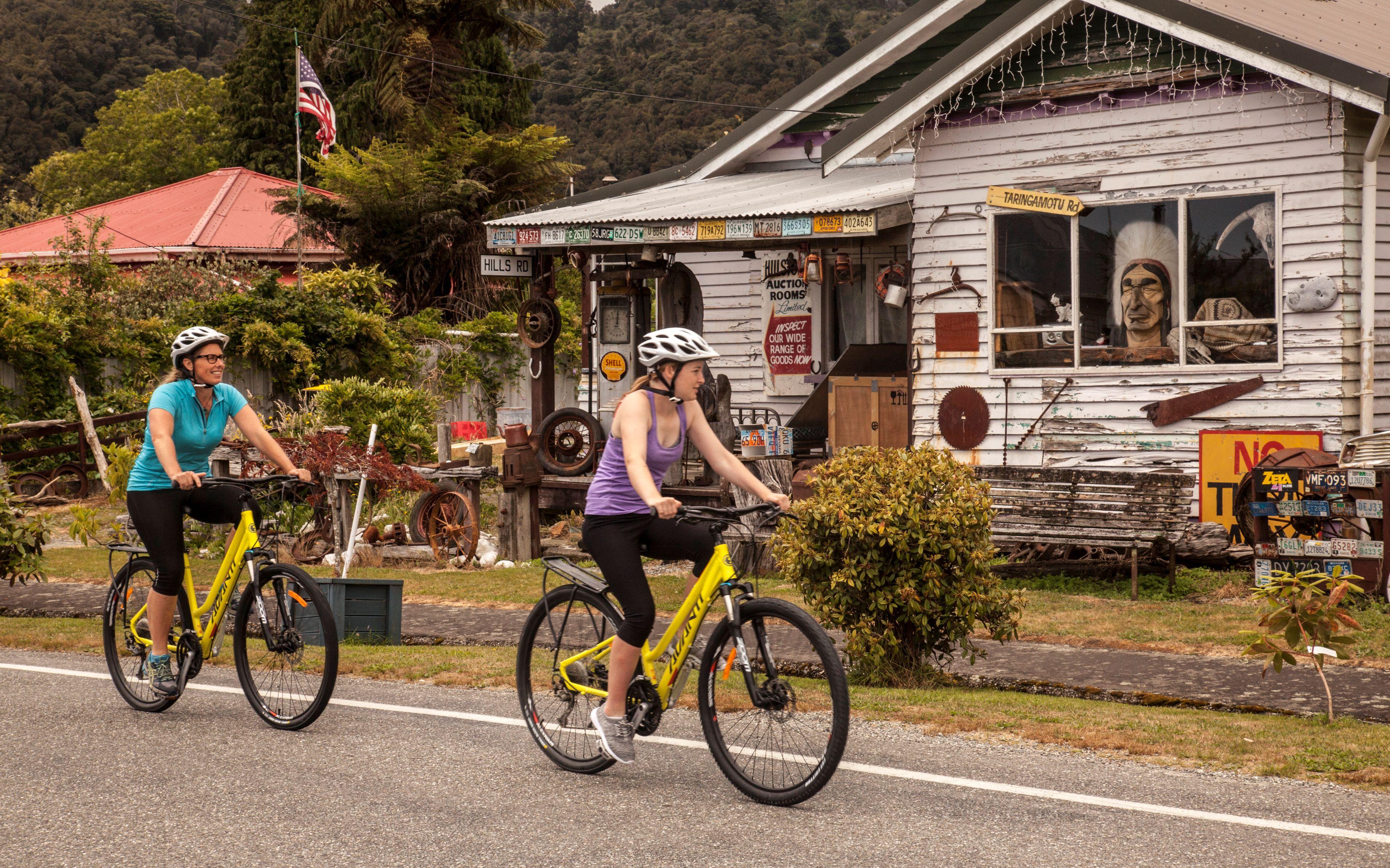
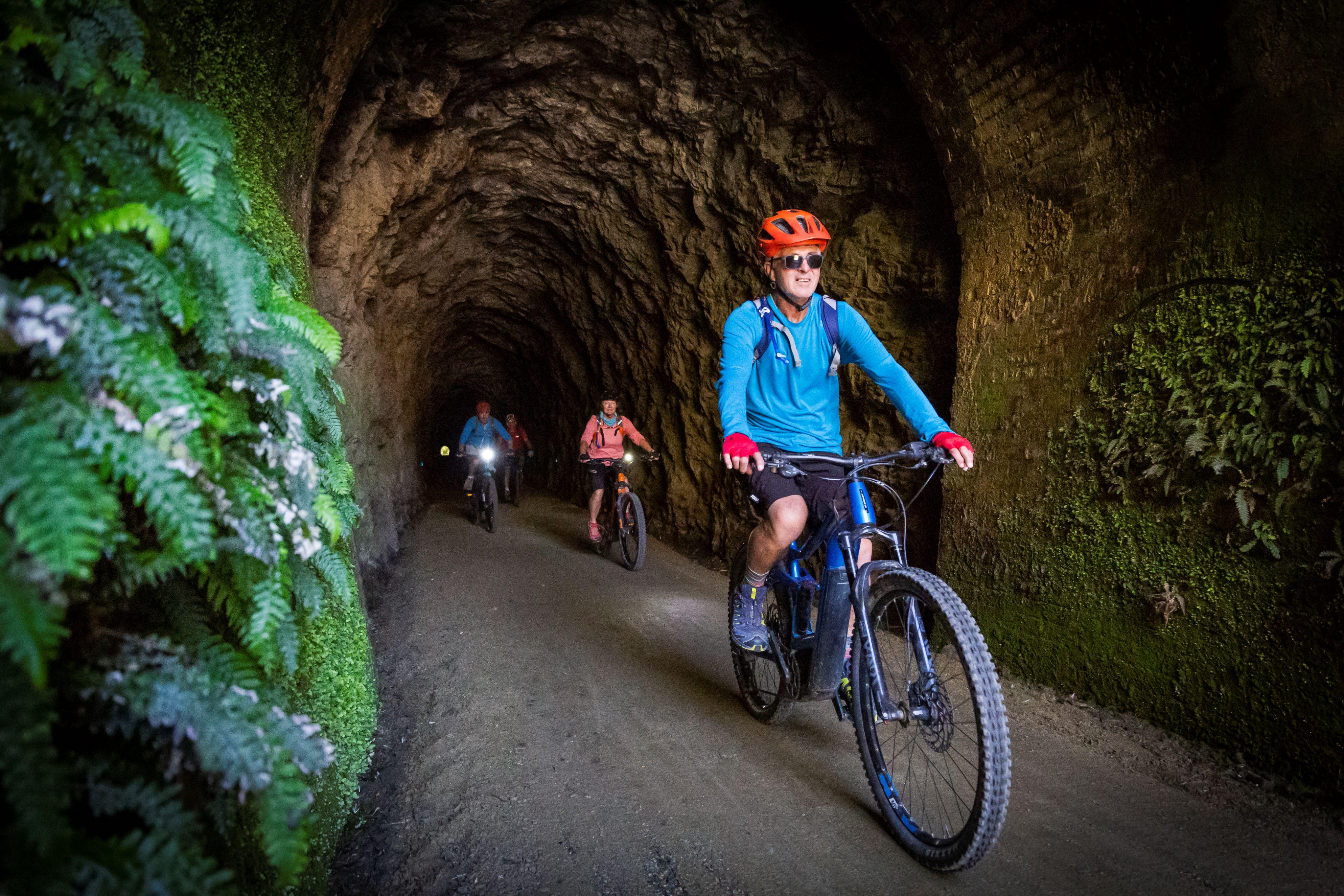
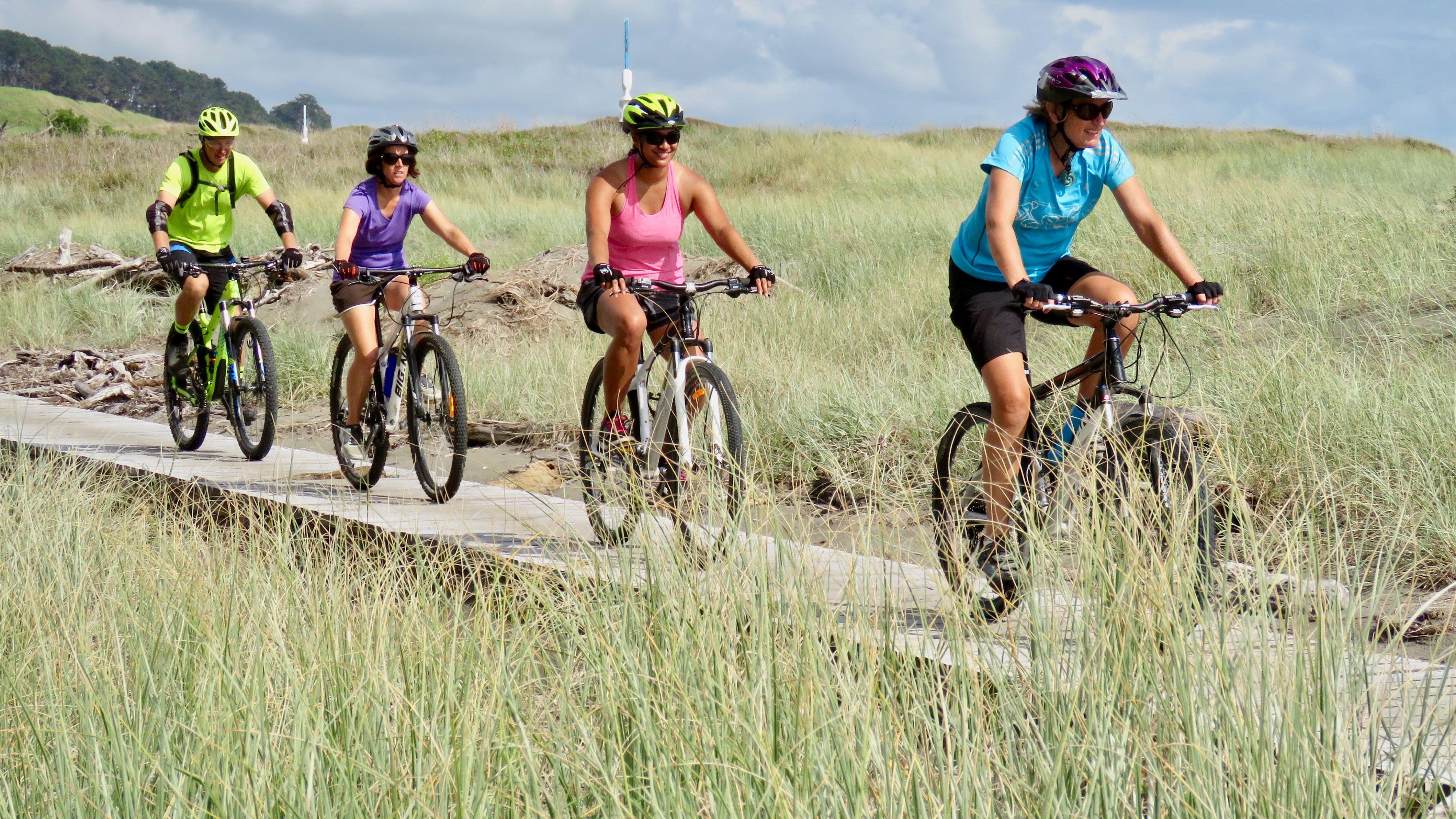
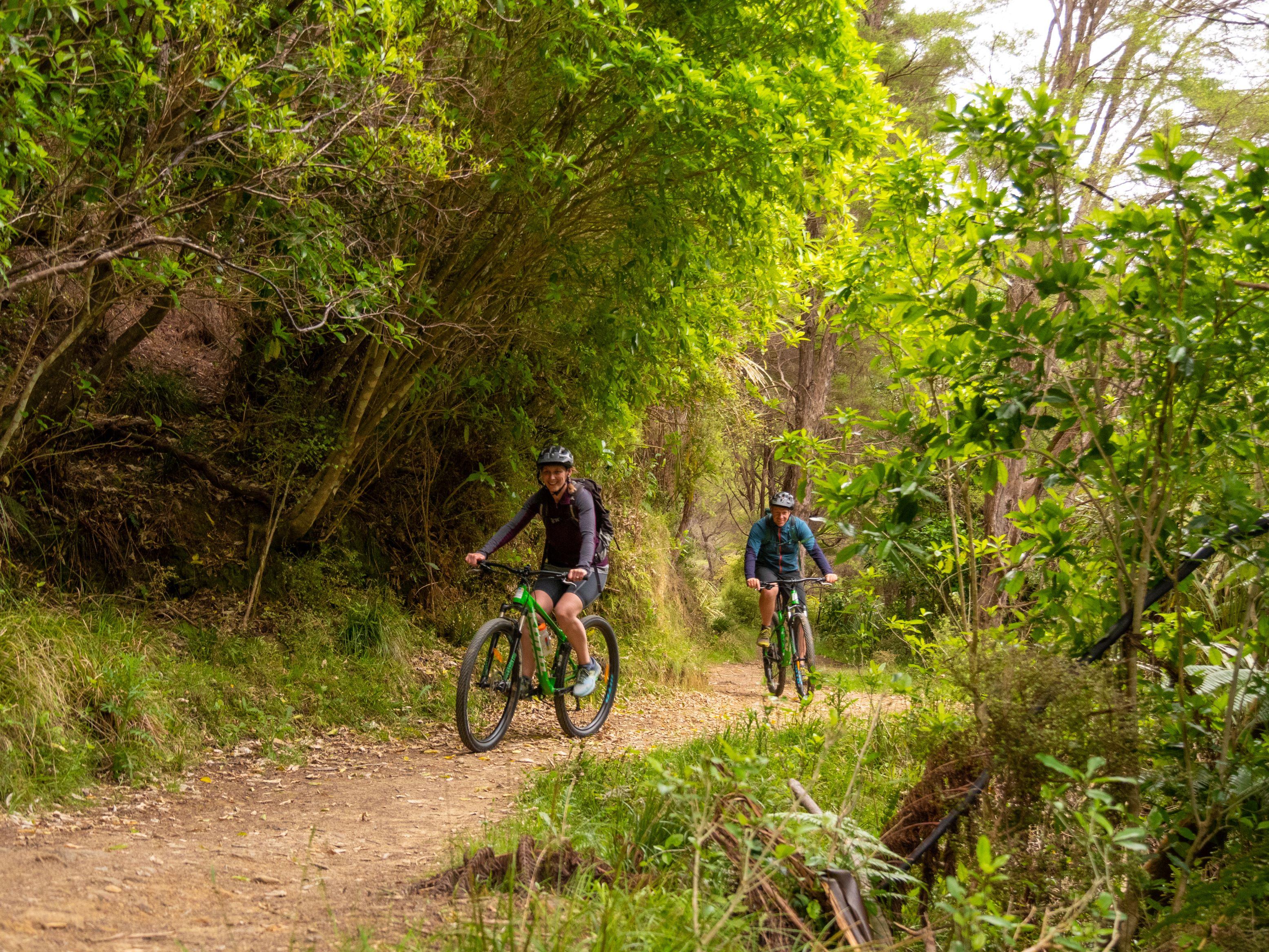
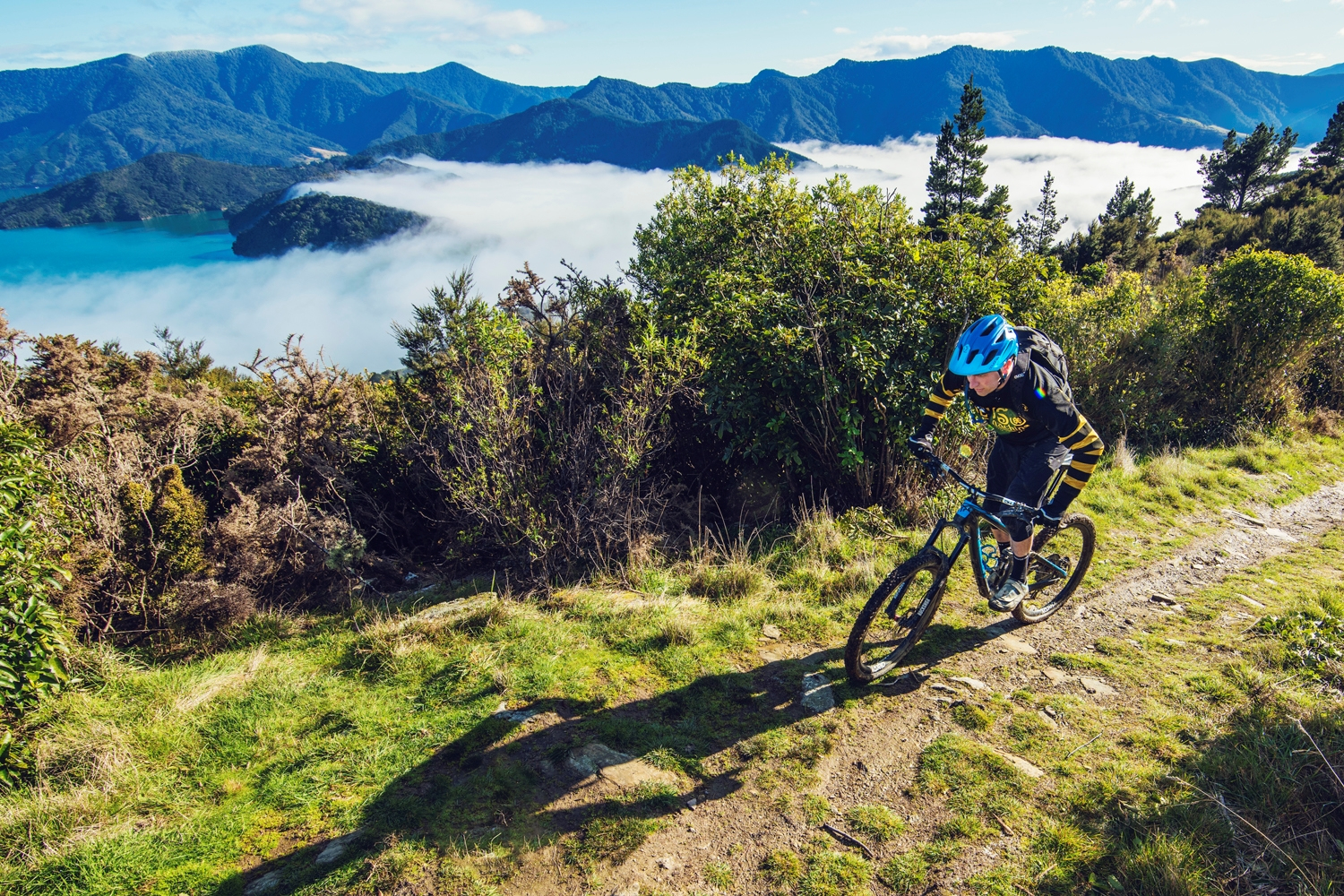
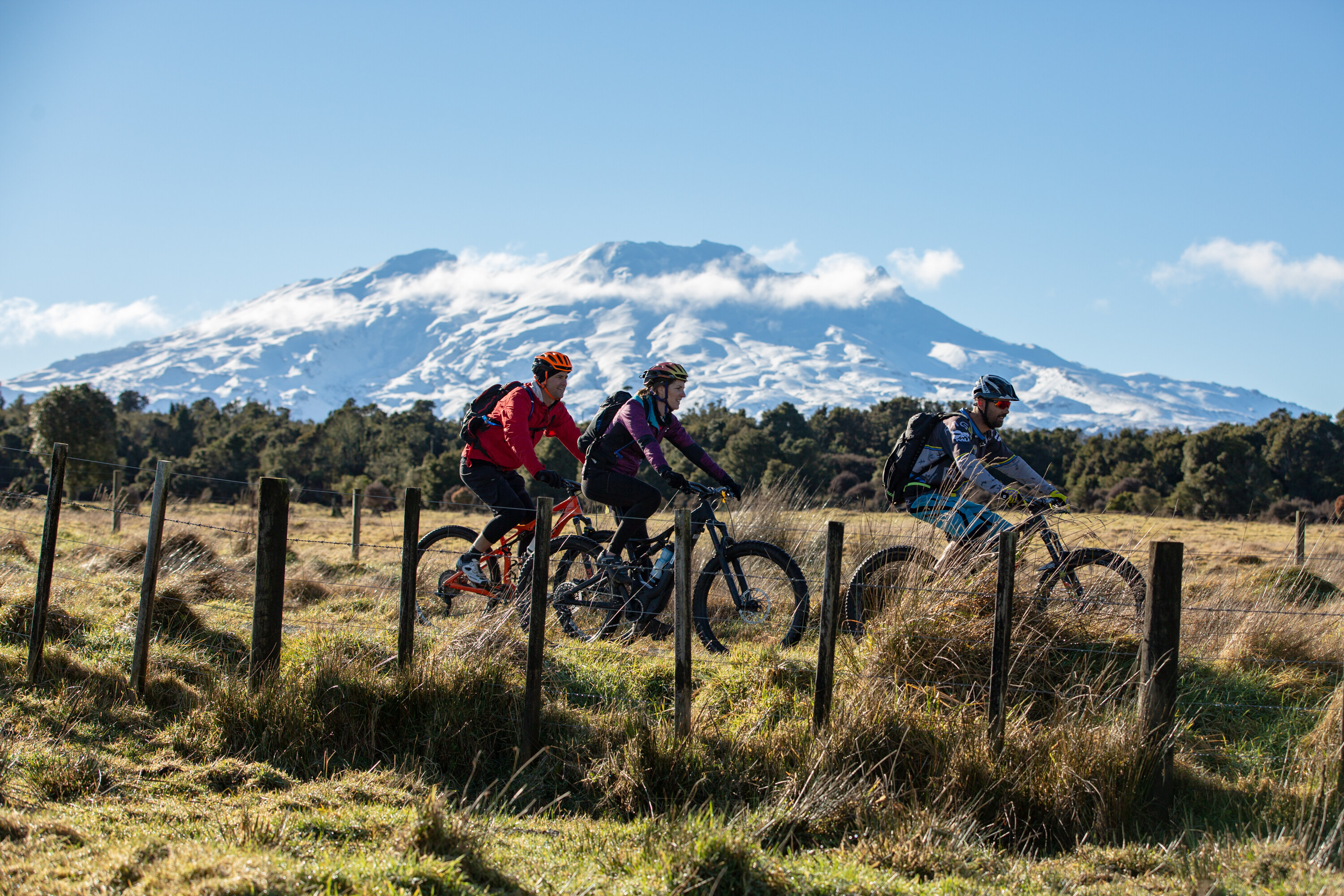
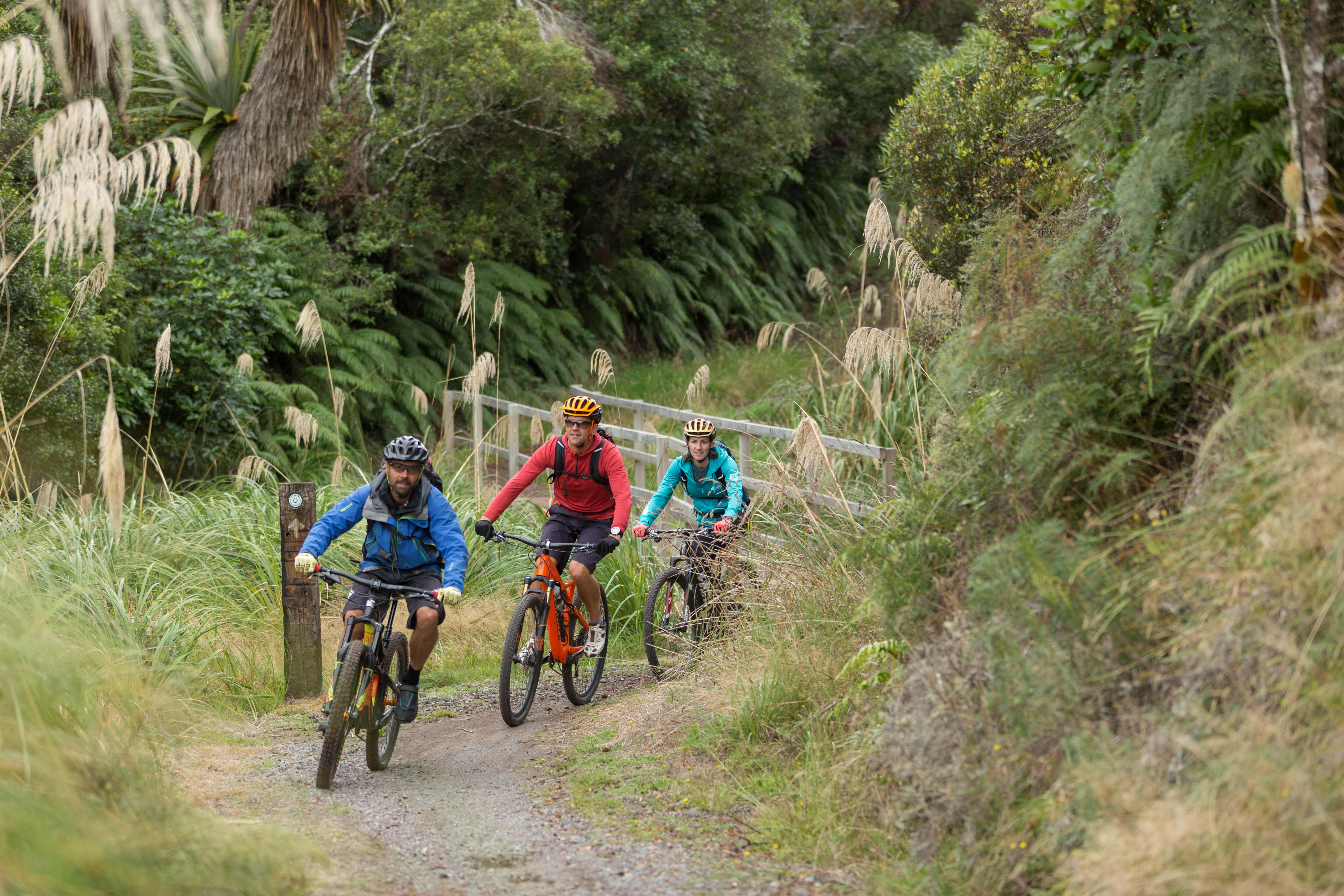
Nga Haerenga, meaning “The Journeys” in Te Reo Māori, opens up a world of cycling adventures across both islands of New Zealand. This extensive network of Great Rides and Heartland Rides invites cyclists to explore the country’s varied landscapes—from snow-capped mountains and sparkling lakes to lush forests and dramatic coastlines. Whether you're looking for a relaxed weekend ride or a multi-day journey, there’s a trail for every level and interest.
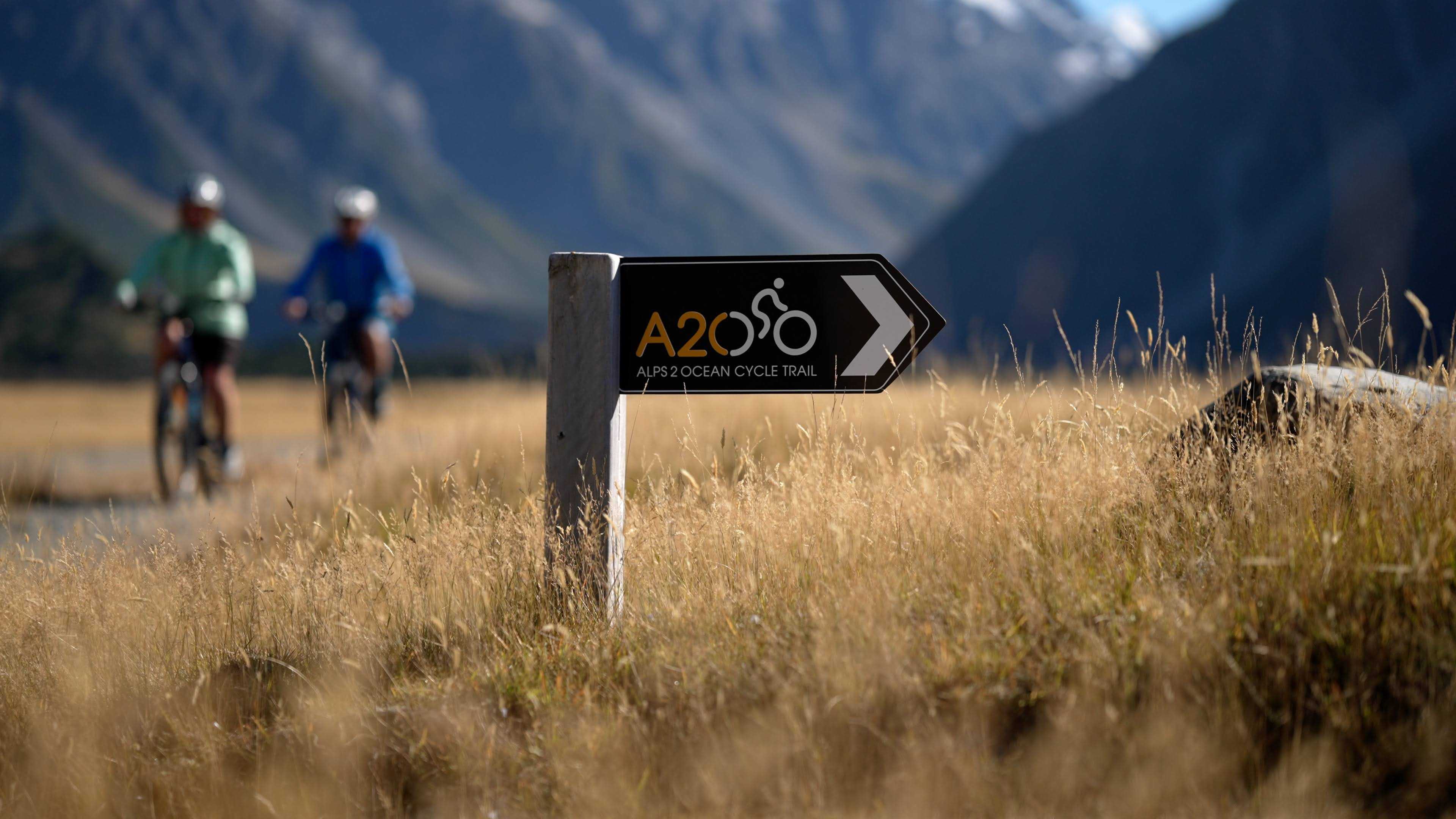
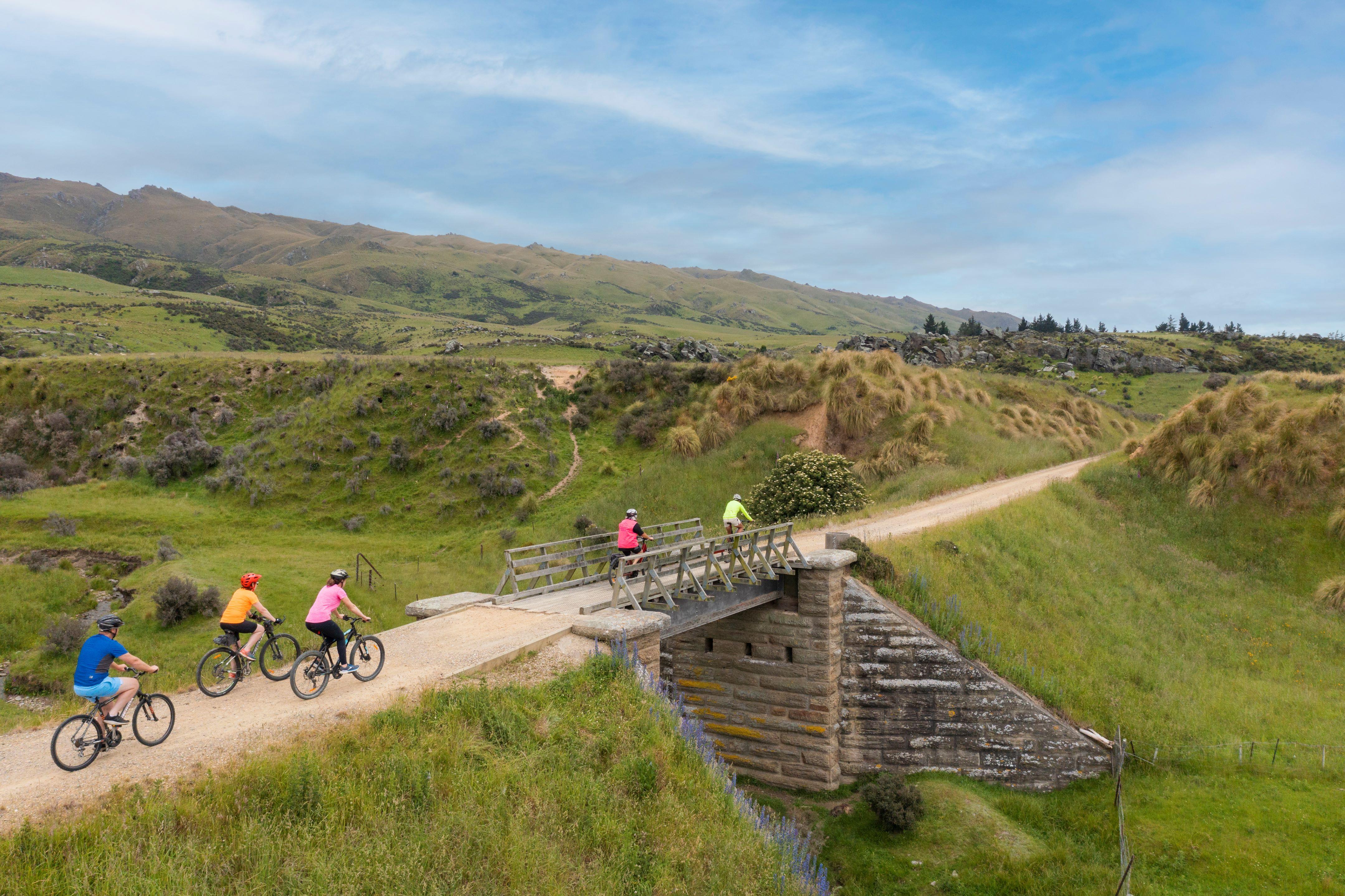
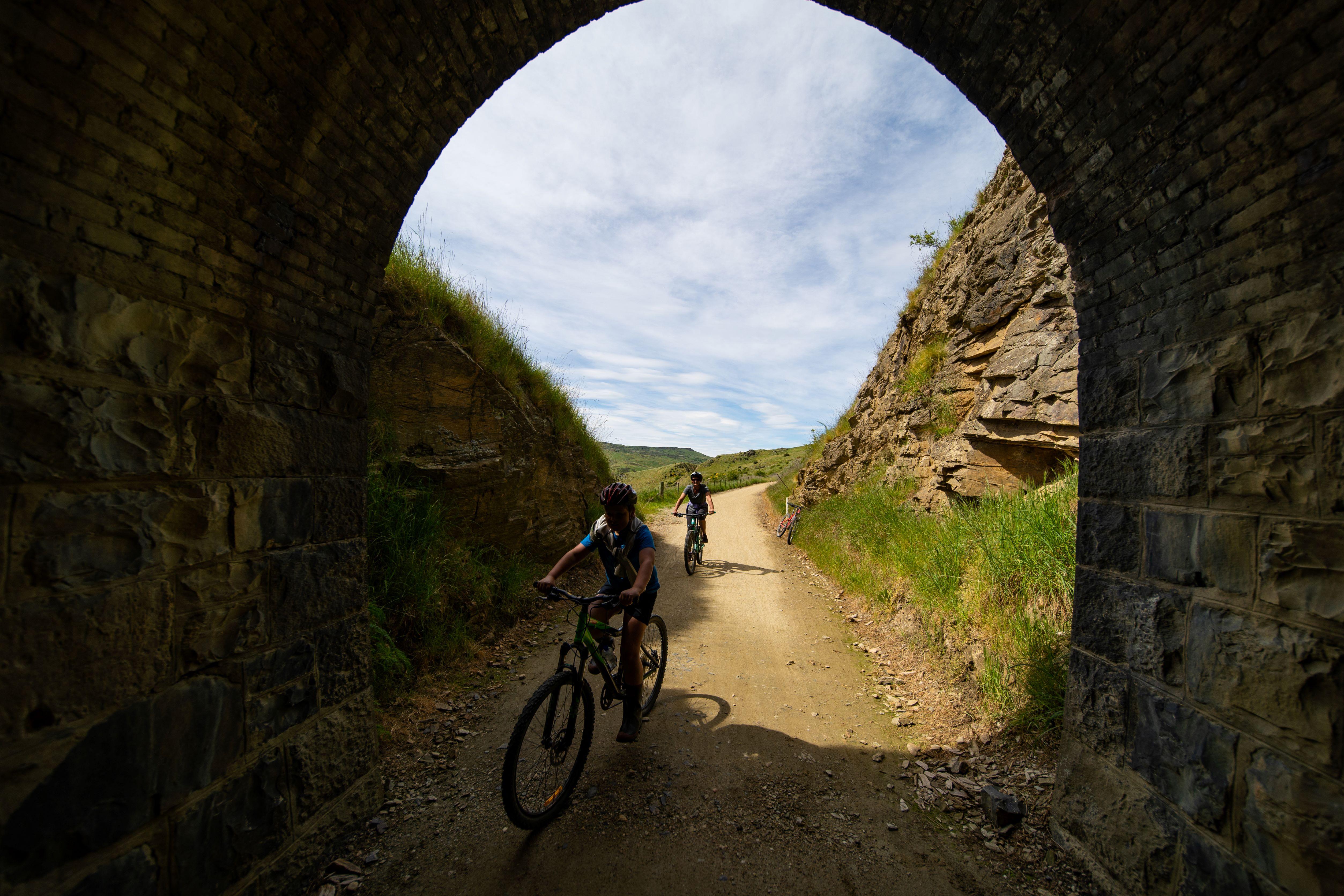
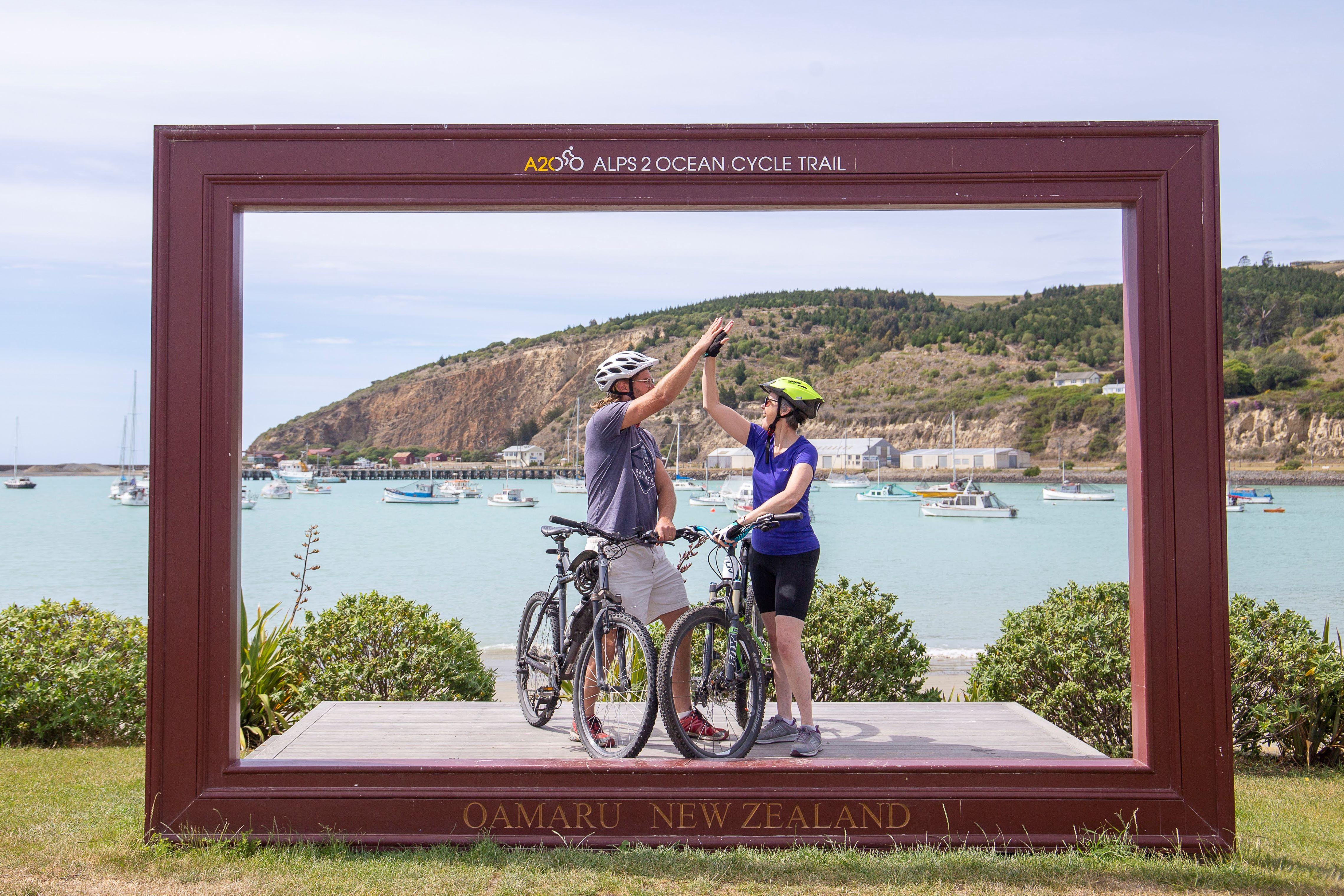
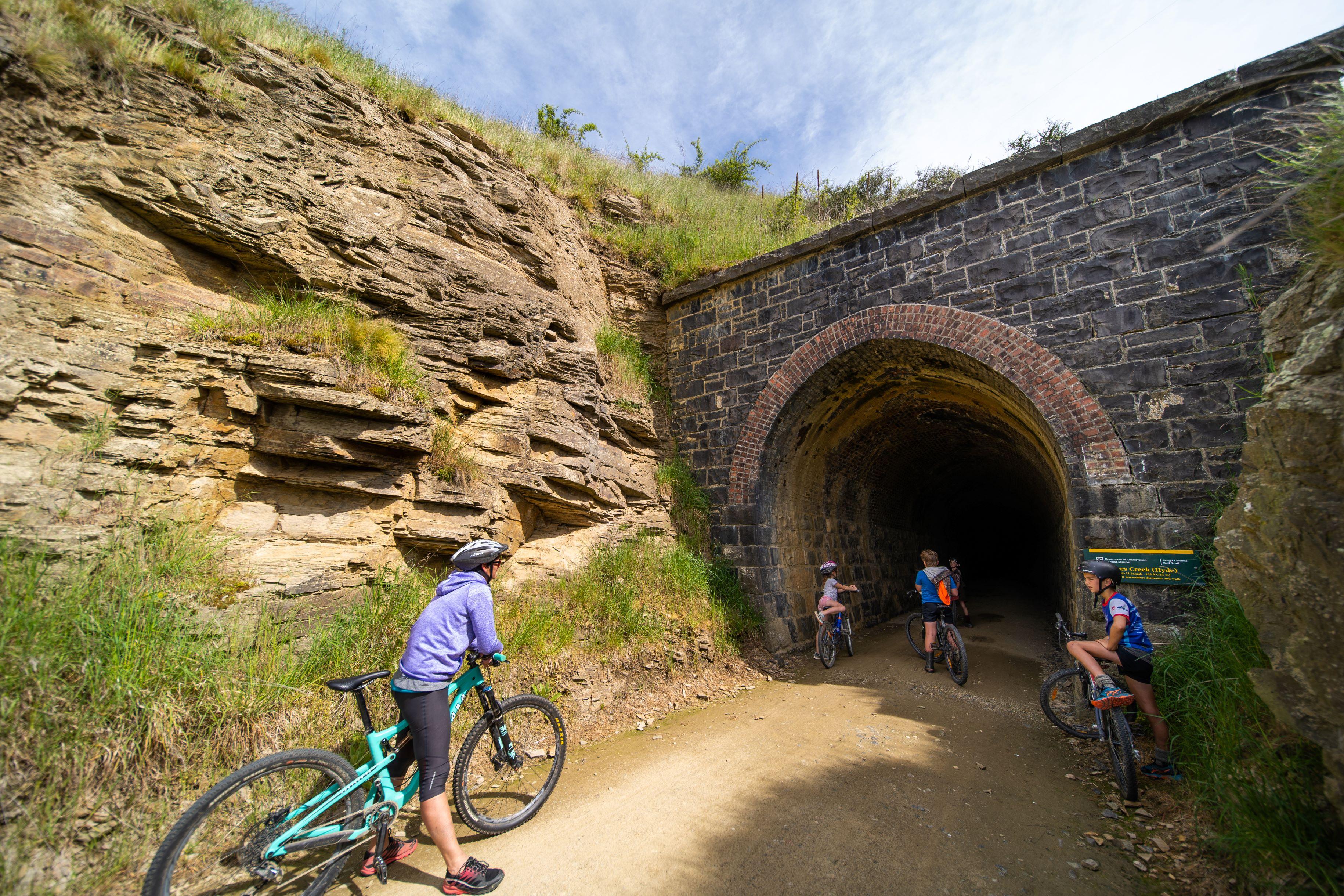
The New Zealand Cycle Trails were developed to connect riders with the land, people, and heritage of Aotearoa. Great Rides such as the Otago Central Rail Trail and the Alps 2 Ocean Cycle Trail are fully off-road and purpose-built for scenic exploration, while Heartland Rides link lesser-known towns and countryside gems. Many trails are designed to support local communities and are rich with cultural and natural attractions.
Great Rides of New Zealand – Off-Road Trails for All Abilities
Great Rides are the stars of the New Zealand Cycle Trail network. These off-road routes cater to a wide range of abilities, offering safe, scenic journeys with plenty of places to stay, eat, and explore along the way. Trails like the Hauraki Rail Trail and Hawke’s Bay Trails are perfect for families and beginners, while options like the Timber Trail and Queen Charlotte Track provide a bit more challenge for intermediate riders.
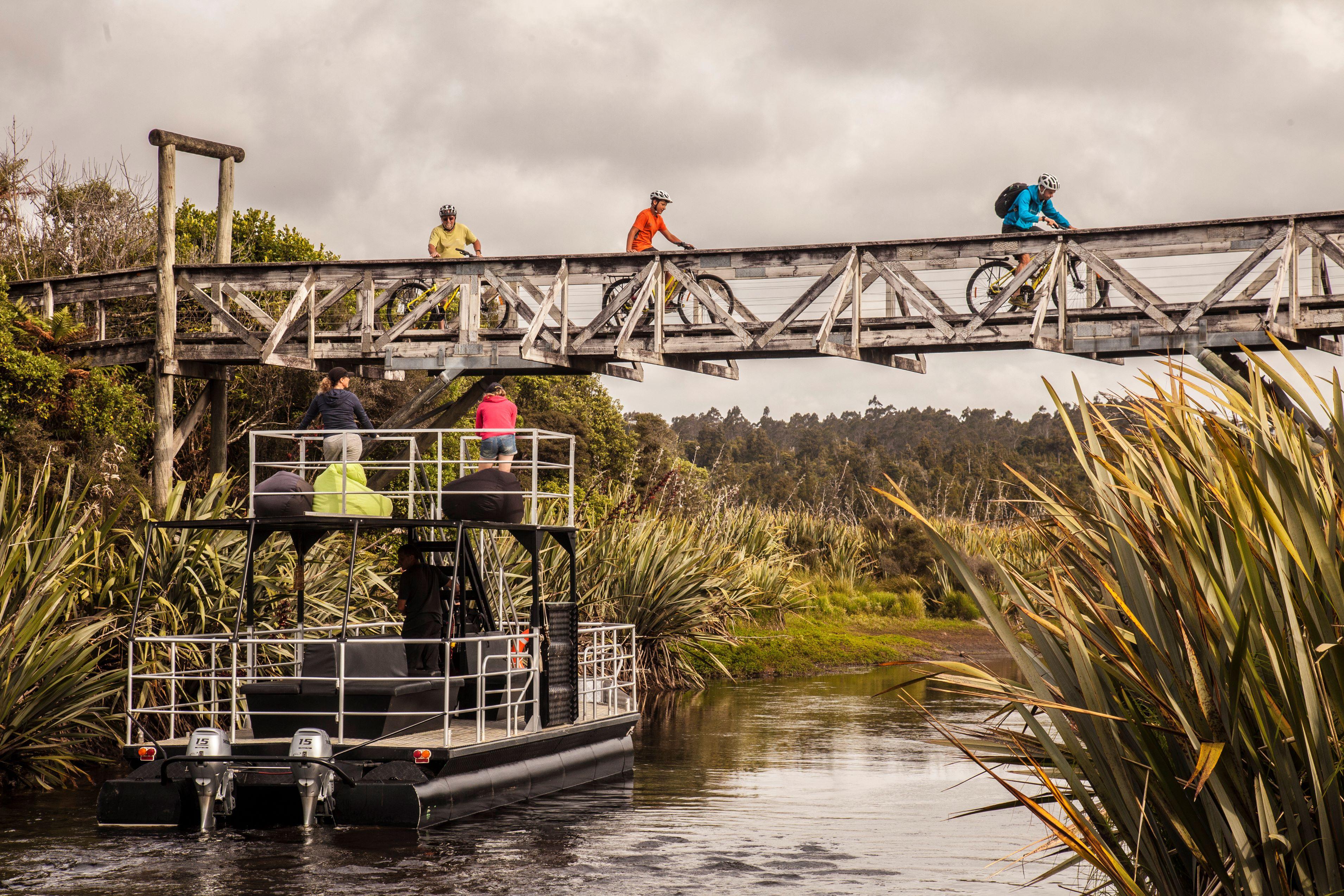
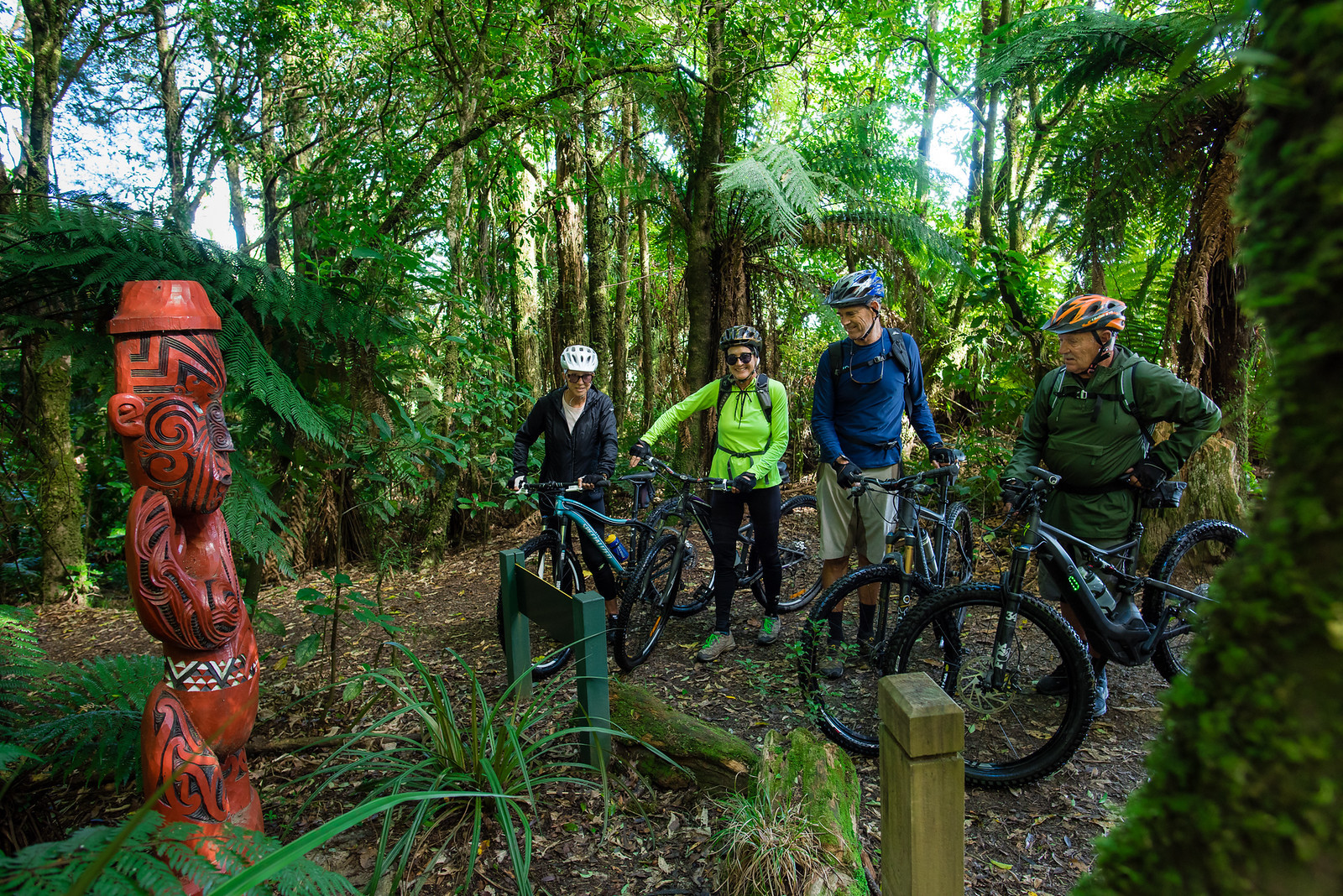
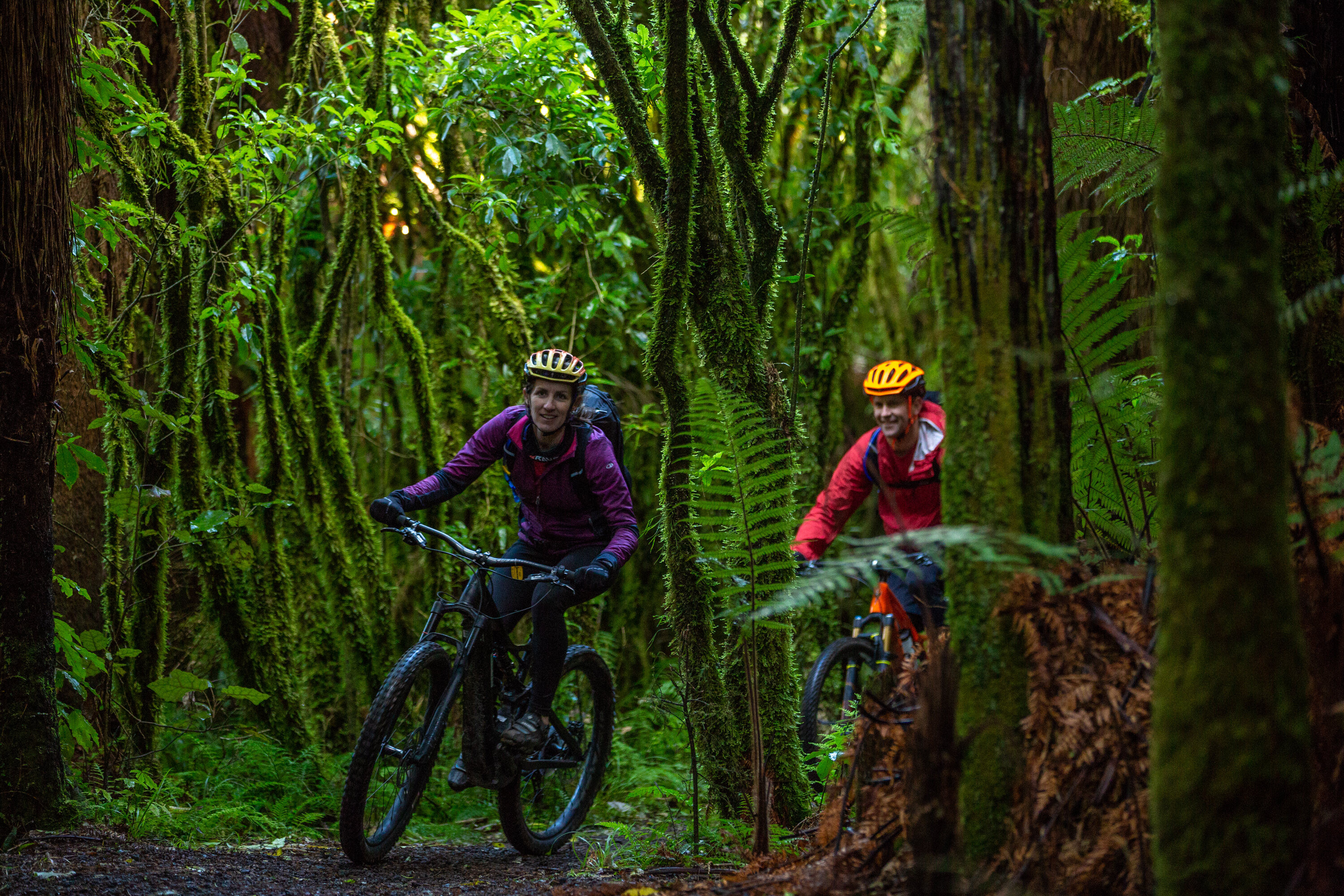
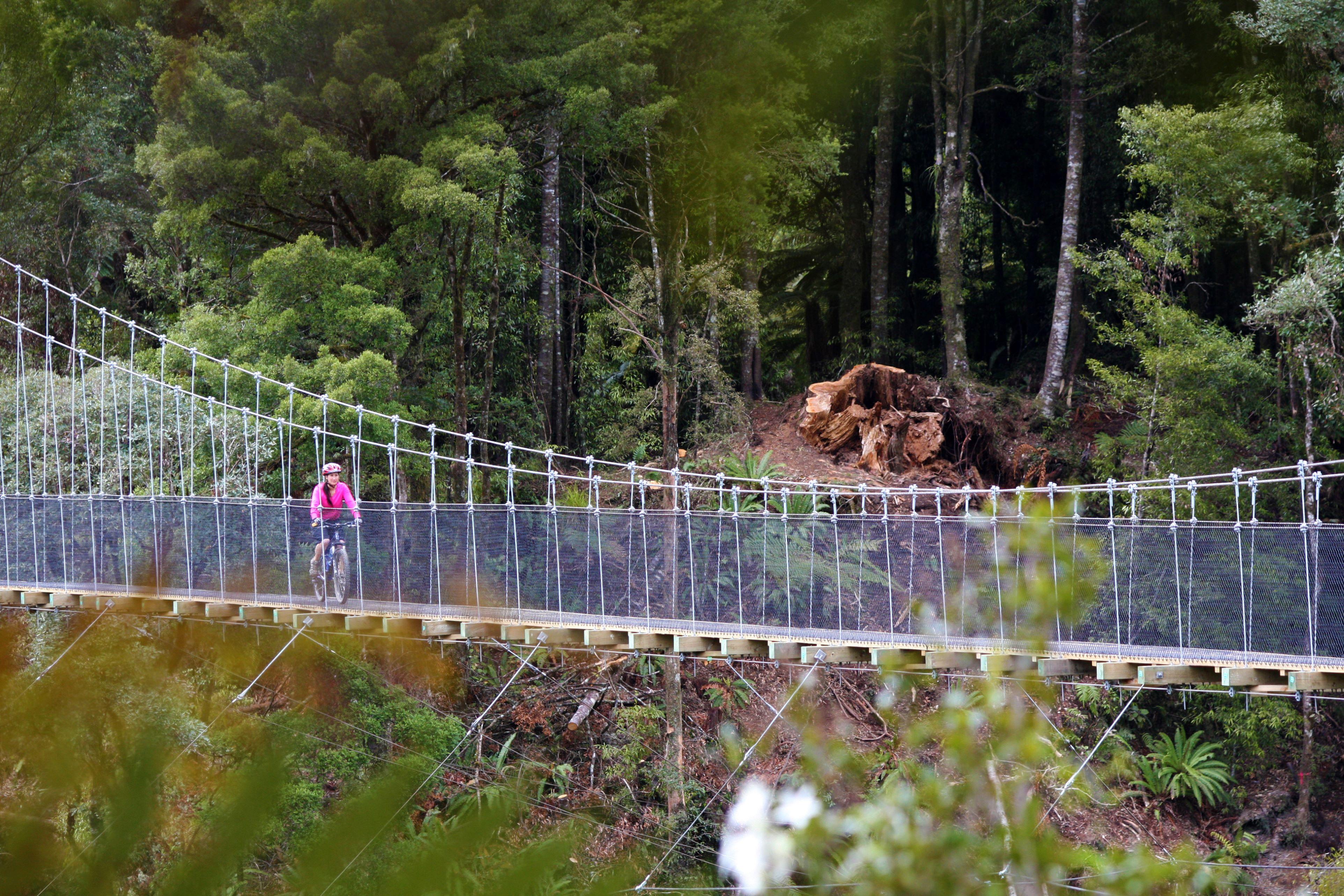
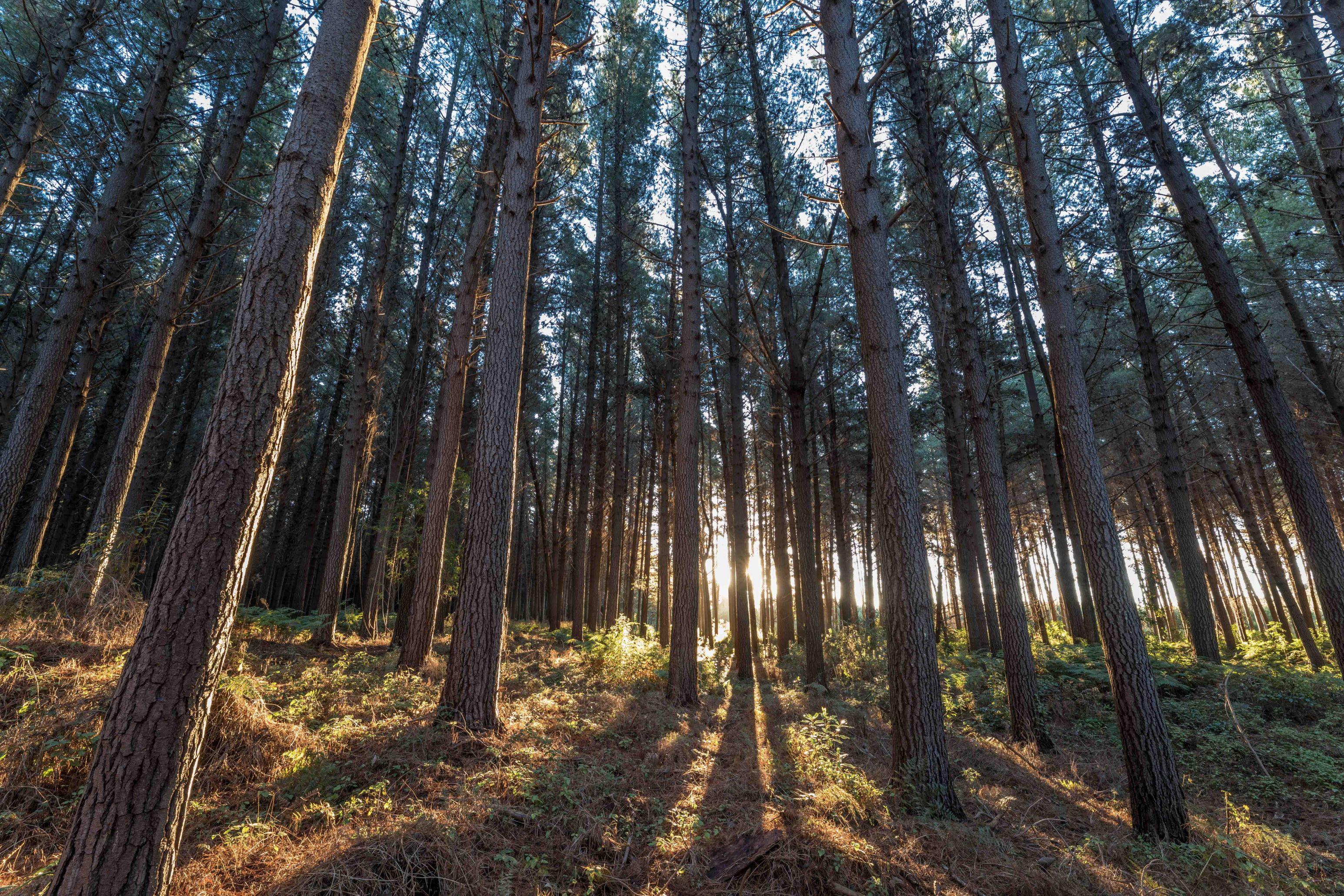
What sets these trails apart is their diversity. From riding past ancient forests in Pureora Forest Park to cruising through art deco towns and winery regions, each trail offers its own unique flavour. You’ll find everything from jet boat transfers on the Roxburgh Gorge Trail to lakeside serenity on the Lake Dunstan Trail—all thoughtfully signposted and packed with photo-worthy stops.





Heartland Rides – Connect with Local Life and Hidden Gems
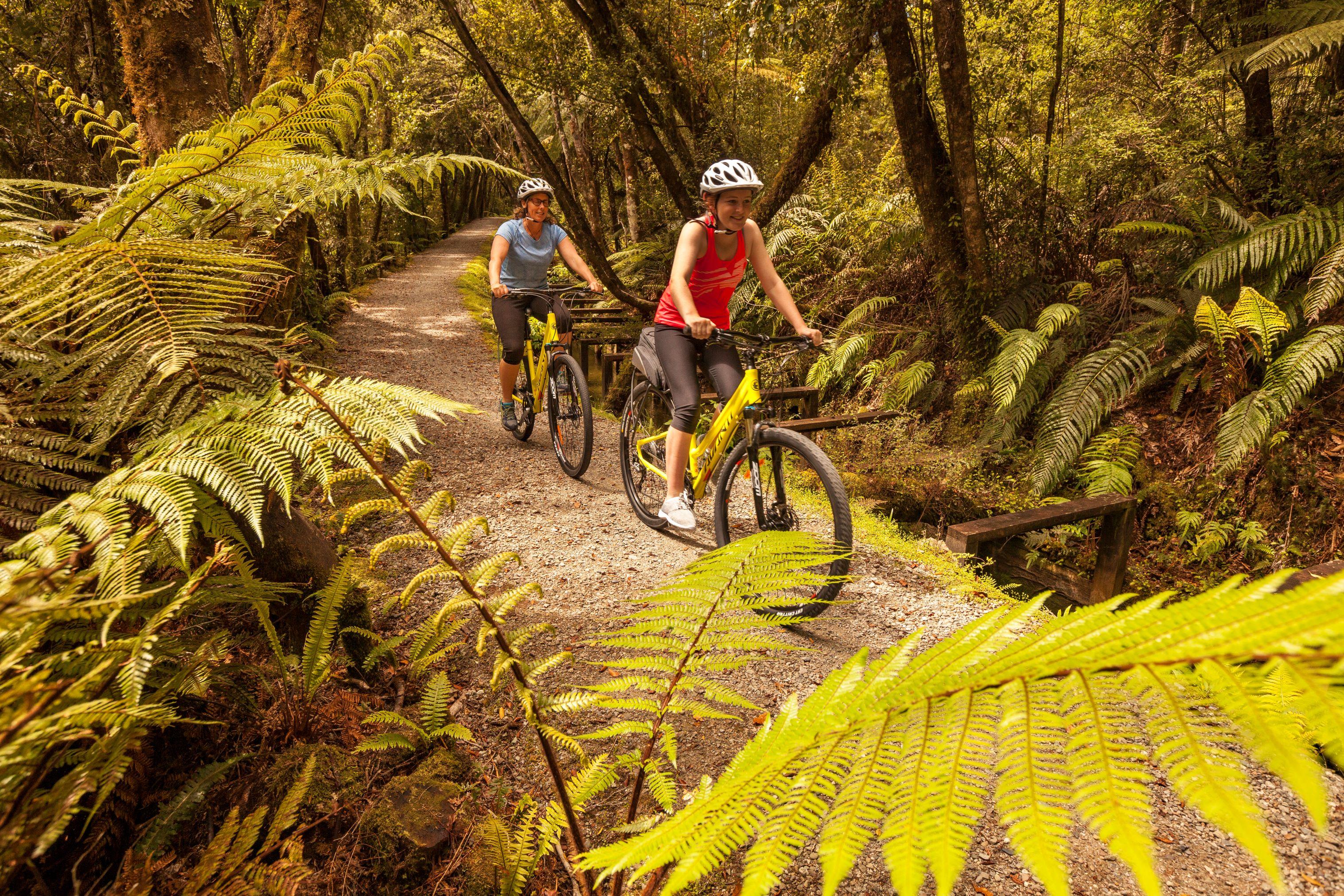
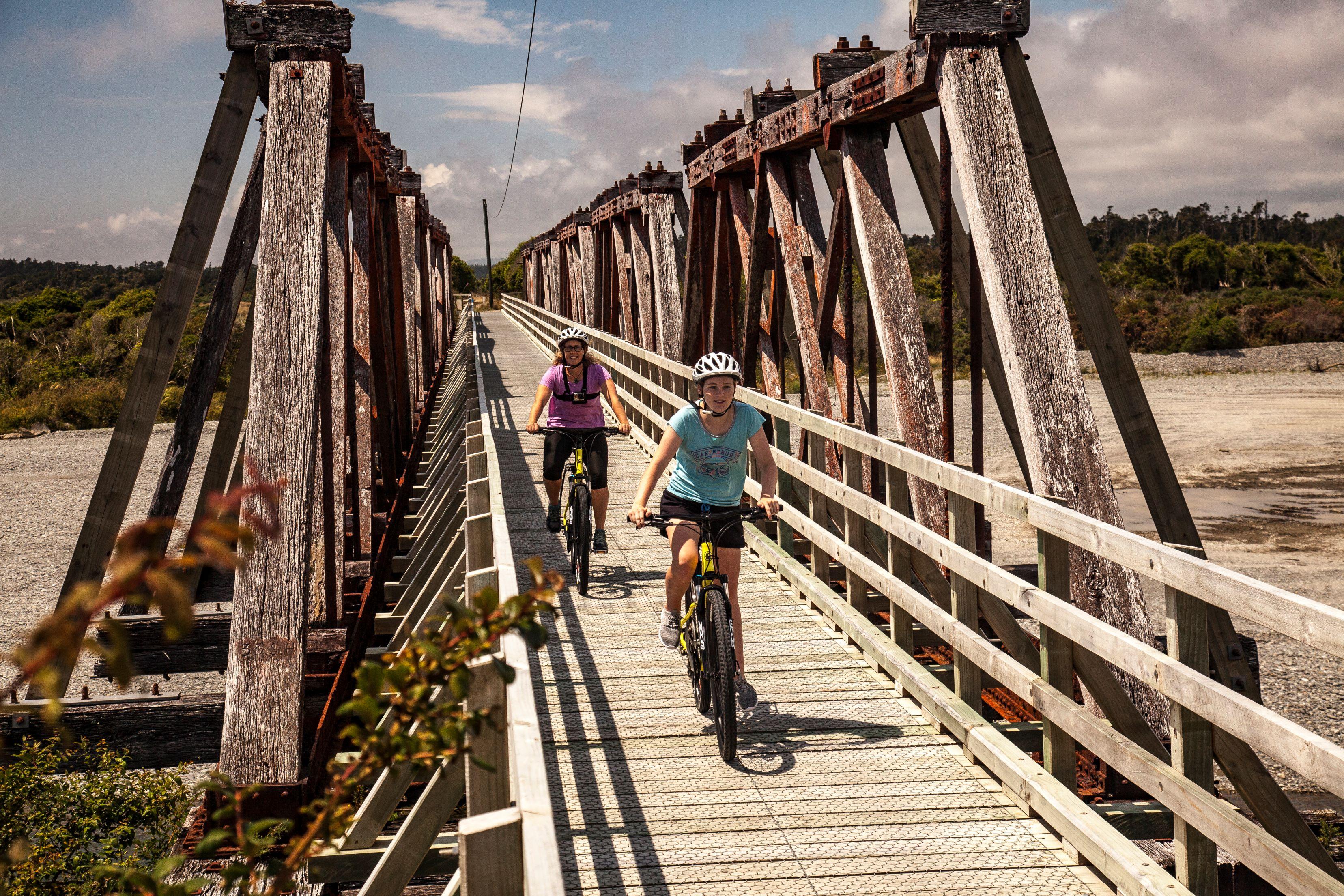
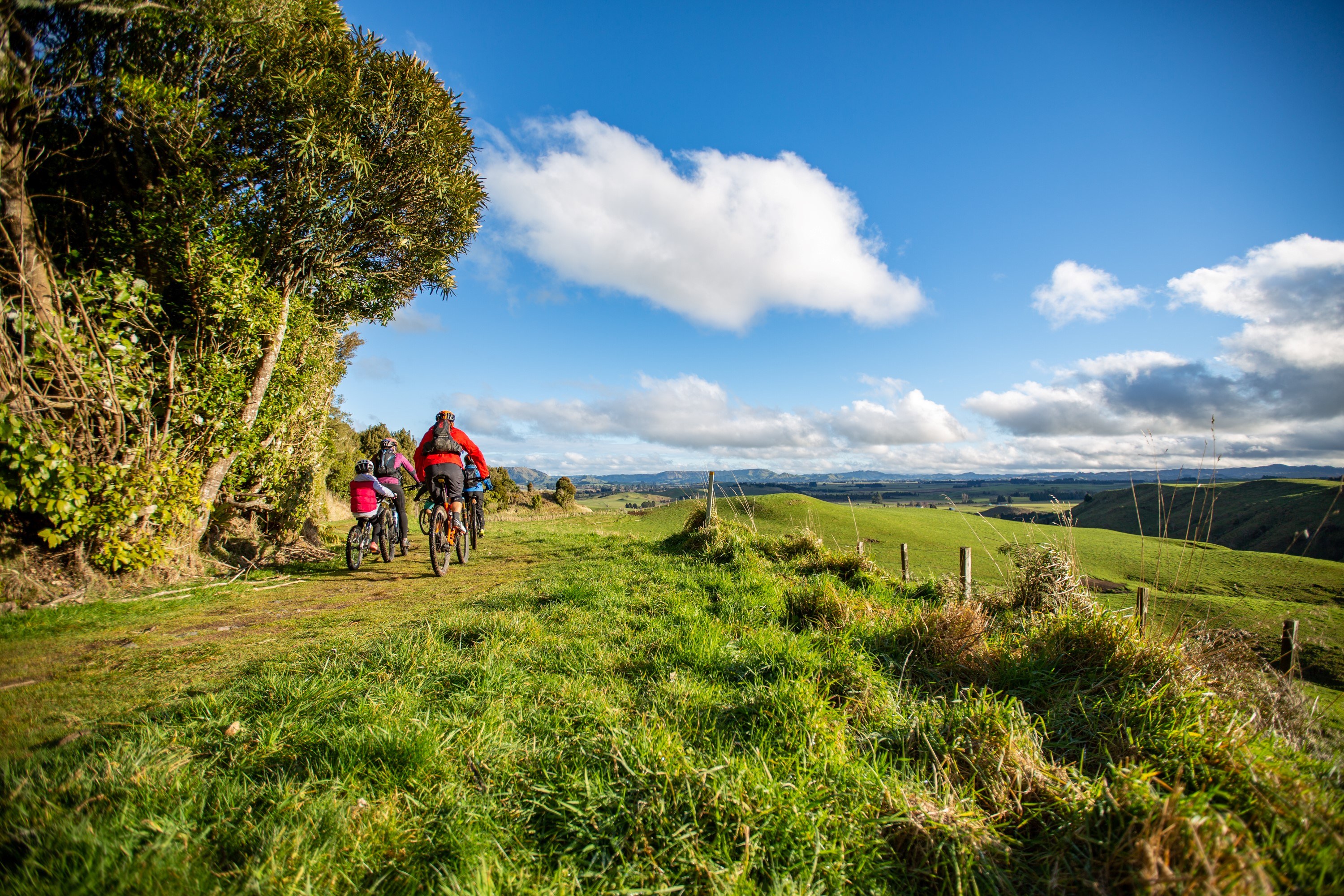
For a more off-the-beaten-track experience, the Heartland Rides guide cyclists through small towns, working farms, and lesser-known landscapes on quiet back roads. These routes connect the Great Rides and serve up an authentic slice of New Zealand life—ideal for seasoned riders wanting a deeper adventure.
Take the Waikato River Trails, for instance. Following New Zealand’s longest river, these rides reveal native bush, wetlands, and historic hydro-dams. Or try the Around the Mountains Cycle Trail, where you'll pedal past remote valleys and traditional high country stations. Though sometimes more demanding in terrain and logistics, the Heartland Rides are perfect for those who crave connection and solitude on two wheels.
Apart from Nga Haerenga, New Zealand is home to numerous other popular cycle trails that offer unique and enriching experiences. These include city-based trails such as Auckland's Northwestern Cycleway, Wellington's Great Harbour Way, and Christchurch's Little River Link, which are perfect for those seeking a leisurely urban cycling experience. Additionally, mountain bike parks such as the Whakarewarewa Forest in Rotorua or the Makara Peak in Wellington provide thrilling trails in stunning natural environments, making New Zealand a true paradise for cyclists of all levels and interests.
Remutaka Cycle Trail: A 115 km trail that covers a range of landscapes near Wellington. Starting at the Petone Foreshore, it passes through native bush in the Remutaka Ranges, along the wild south coast, and through rural landscapes back to the Hutt River.
Around the Mountains Cycle Trail: This 180 km trail takes riders on a journey around the remarkable mountains of the Hanmer Springs. The trail is graded easy to intermediate, making it accessible for most riders. The landscape features stunning mountain views, open farmland, and historic towns.
Twin Coast Cycle Trail (Pou Herenga Tai): This 87 km trail travels from the west coast to the east coast of the North Island, highlighting a variety of early Maori and European history, rural farmland, and coastal views. The trail's surface is a mix of asphalt and compacted gravel, making it suitable for most cyclists.
Old Ghost Road: At 85 km, it is New Zealand’s longest single-track, located in the Upper Buller Gorge of the West Coast region. The trail traverses native forest, open tussock tops, river flats, and forgotten valleys. This trail is challenging and suited for experienced mountain bikers and hikers.
St James Cycle Trail: This 64 km trail near Hanmer Springs offers mountain bikers and hikers an opportunity to explore stunning mountain landscapes, rivers, and open valleys. The trail is considered an advanced grade for bikers due to some steep sections and numerous stream crossings.
Te Ara Ahi - Thermal by Bike: This 66 km adventure takes cyclists through geothermal hot spots around Rotorua. The trail, rated as easy to intermediate, offers unique attractions such as hot springs, geysers, and vibrant crater lakes.
Each trail presents its unique experience and challenges. Ensure to plan and prepare adequately, considering factors like the distance, trail grade, weather, and accommodation.
Nga Haerenga, the New Zealand Cycle Trails, offer numerous options for bike rentals and tour services across the country. Here is a brief overview of what you might find:
Bike Rentals: Many towns and cities near the trails provide bike hire services. These range from standard bicycles to high-end mountain bikes, electric bikes, and child carriers, depending on the requirements of the riders. Rental shops usually provide helmets and repair kits, too.
Guided Tours: For those who prefer a more structured and informative experience, guided tours are available. Guided tours typically come with the advantage of local knowledge, planned itineraries, support vehicles, and often include meals and accommodation.
Shuttle Services: Some companies offer shuttle services, useful for point-to-point trails, getting back to your starting point, or skipping more difficult sections of a trail.
Package Deals: Some services offer package deals that include bike rental, accommodation, luggage transfer, and other organization, allowing you to focus purely on the cycling experience.
Cycling in New Zealand offers an amazing opportunity to connect with the natural beauty of the land. However, it is important to keep safety at the forefront of your mind. Here are some safety tips and regulations for Nga Haerenga, the New Zealand Cycle Trails:
Know Your Limits: Choose a trail that matches your fitness and skill level. Some trails may have steep sections, rough surfaces, or require an elevated level of fitness. Make sure to read the trail description and understand what you are undertaking.
Wear a Helmet: In New Zealand, it is mandatory to wear a helmet while cycling. Make sure your helmet is well-fitted and complies with the safety standards.
Bike Preparation: Ensure your bike is in good condition before setting off. Check the brakes, tires, gears, and lights. Carry a basic repair kit for minor repairs along the way.
Weather and Conditions: New Zealand's weather can change quickly, especially in mountainous areas. Check the weather forecast and trail conditions before you depart. Carry waterproof clothing, even on sunny days.
Be Prepared: Carry sufficient food, water, and basic first aid supplies. Also, make sure your cell phone is charged and carry a power bank if possible.
Leave No Trace: Respect the environment and adhere to the principles of Leave No Trace. Carry out all rubbish, stay on the trail, and respect wildlife and plants.
Trail Courtesy: Many trails are shared with pedestrians and other cyclists. Follow the trail etiquette – keep to the left, give way to uphill traffic, and announce your presence when approaching others.
Emergency Procedures: Ensure you have a plan in case of emergency. Dial 111 for emergencies in New Zealand. Familiarize yourself with the location of the nearest medical facilities along your route.
Riding at Night: If you are riding at night or in low-light conditions, use lights and wear reflective clothing.
Navigation: Carry a map or have a reliable navigation device. Many trails are well-marked, but it is good to have a backup.
Remember, your safety is your responsibility. Be prepared, be aware, and make the most of your journey along the New Zealand Cycle Trails.
Nga Haerenga, the New Zealand Cycle Trails, is thoughtfully designed with the needs of cyclists in mind. It encompasses a range of accommodation options and facilities that cater to different budgets and preferences, ensuring a comfortable and enjoyable journey. Here are some options you might find:
Accommodation:
Hotels and Motels: In towns and cities near the trails, you will find hotels and motels offering comfortable rooms, private bathrooms, and often additional services like restaurants, laundry, and bike storage.
Bed & Breakfasts and Guesthouses: These offer a more personal experience, with private or shared rooms in a local's home, and often include a homemade breakfast.
Holiday Parks and Campgrounds: These facilities usually offer a range of options, from powered sites for campervans, to basic cabins, to tent sites. They often have shared kitchen and bathroom facilities, and sometimes additional amenities like playgrounds or swimming pools.
Backpackers and Hostels: A budget-friendly option, these accommodations often have shared dormitory-style rooms, communal kitchens, and social areas.
Self-contained Cottages and Lodges: For those who prefer more privacy and comfort, self-contained units with cooking facilities are also available near many trails.
Facilities:
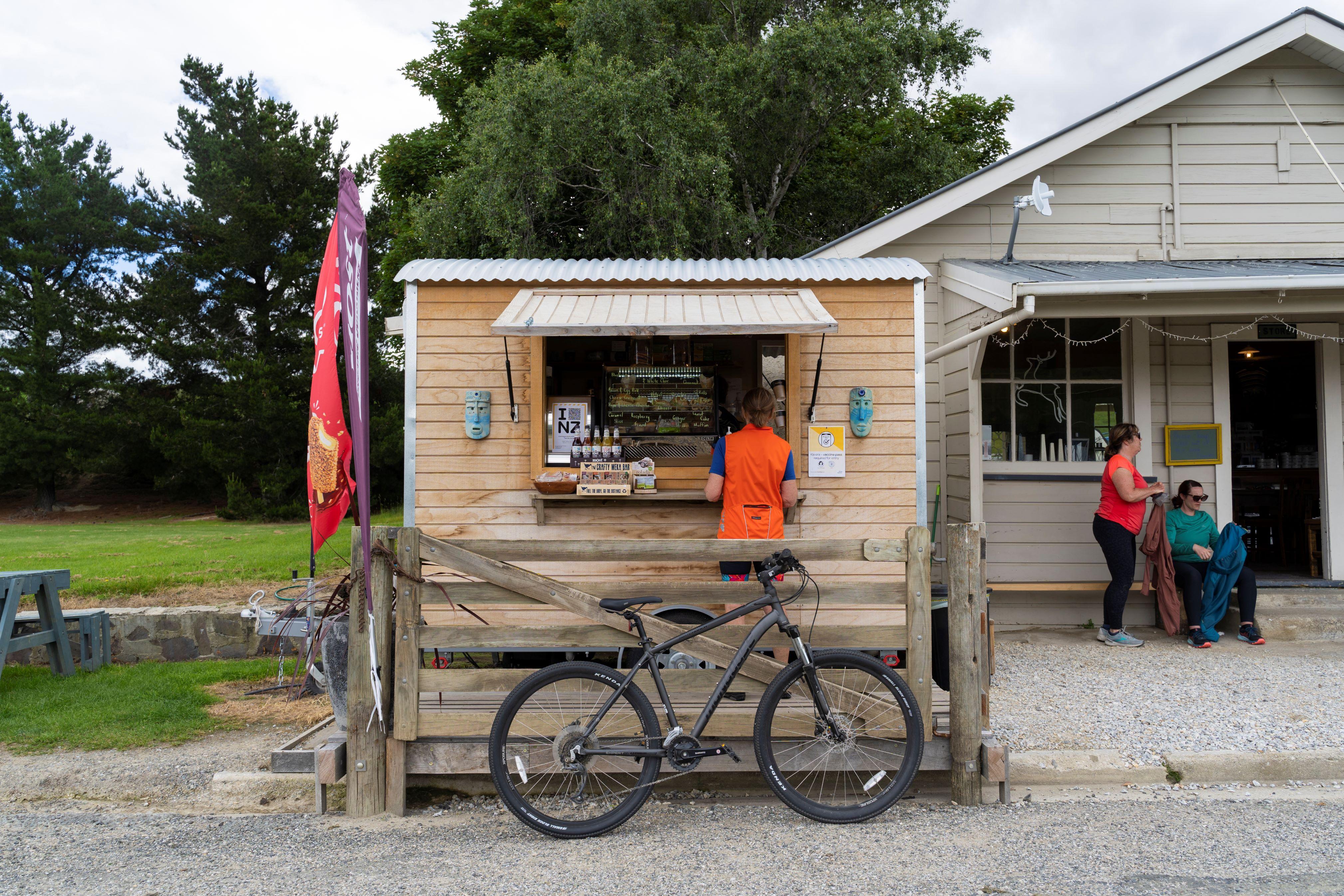
Food and Drink: Along the trails, especially the Great Rides, you will often pass through towns with cafés, restaurants, or grocery stores. Some remote sections of the trail may also have picnic areas or rest stops where you can take a break.
Toilets and Restrooms: Public toilets are found at regular intervals along the trails, particularly in towns, picnic areas, and campsites.
Information Centers: Visitor centres in larger towns can provide valuable information about the trails, local attractions, weather, and more. They may also provide maps and sell souvenirs.
Bike Repair and Maintenance: Many towns along the trails have bike shops that can assist with repairs, parts, or maintenance. Some accommodation providers also offer basic tools for minor repairs or maintenance.
When planning your trip, it is crucial to research and book accommodation in advance, especially during peak seasons. Be aware that facilities may be sparse or non-existent on certain remote sections of the trails, so plan to carry necessary supplies like food, water, and repair kits.
New Zealand's seasons have a significant impact on the cycling experience on the Nga Haerenga trails. Here is a general guide:
Spring (September - November): Spring is a beautiful time to ride the trails as the landscape bursts into life with blooming flowers and baby lambs dotting the green fields. However, it is also a season of unpredictable weather with potential for rain and changeable conditions, so it is essential to pack waterproof clothing and layers.
Summer (December - February): This is the peak season for cycling the trails. The weather is warm, and daylight hours are long (up to 15 hours a day), allowing more time for cycling and exploring. However, it is also the busiest season, so be sure to book accommodation in advance. Always carry sunblock, sunglasses, and plenty of water, as the New Zealand sun can be intense.
Autumn (March - May): With cooler temperatures, less crowded trails, and beautiful autumn foliage, this is a favourite season for many cyclists. The weather is usually stable, but it is good to have layers for cooler mornings and evenings.
Winter (June - August): Winter offers a quiet and unique experience with fewer tourists, but it also comes with challenges. The weather can be cold, especially in the South Island, and some trails may be affected by snow or heavy rain. Daylight hours are shorter, so plan your rides accordingly. Warm, waterproof clothing is essential. Some accommodation options and services may be closed or limited during this season.
In addition to these general considerations, it is important to note that some trails may have specific seasonal factors to consider, such as nesting birds, local events, or maintenance closures. Always check the local trail and weather conditions before setting off.