New Zealand looks simple on paper. Two main islands. Friendly locals. Roads that look short on a map. Then you arrive, and a few things catch you out.
These 10 truths are the things first-time visitors tend to learn the hard way. None of them is hard to handle once you know. Some will save you money. A few will save you a very long day in the car.
What do you need to sort out before you land in New Zealand?
You need the right entry document, such as an NZeTA or a visa, and a traveller declaration. You also need to declare any food or outdoor gear when you arrive.
1. You may need an NZeTA or a visa, and neither is instant
If you come from a visa-waiver country, such as the UK, the US or most of Europe, you need an NZeTA (New Zealand Electronic Travel Authority) before you fly. Travellers from other countries need a visitor visa instead. Most visitors also pay the International Visitor Conservation and Tourism Levy (IVL) when they apply. It is NZ$100 and helps fund conservation and tourism.
Allow at least 72 hours for an NZeTA, and apply as soon as your flights are booked. It can take longer. Immigration New Zealand can tell you which one you need.
Australian permanent residents need an NZeTA but don't pay the levy. Australian citizens need neither. Our passports and visas guide has the details.
2. That forgotten apple can cost you NZ$400
New Zealand's biosecurity rules are strict. You must declare all food, even small amounts. That includes snacks from the plane and cooking ingredients. Hiking boots, tents and other outdoor gear should be clean and declared too.
Forgetting is not an excuse. Failing to declare a risk item can mean an instant NZ$400 fine, even if it was an accident. Declaring costs nothing. If in doubt, declare it and let an officer check.
Every traveller needs a New Zealand Traveller Declaration (NZTD), including children, Kiwis and Australians. It's free. You can complete it online or in the app before you fly, or on paper if you can't do it digitally. You also answer for what is in your children's bags, so check those too.
What should first-time visitors know about driving in New Zealand?
Driving takes longer than the distance suggests, and you will cross one-lane bridges. In remote areas, fuel stops and phone coverage are limited. Some hire cars can't go on the inter-island ferry.

3. Driving days take longer than the distance suggests
Distances look short. The roads tell a different story. Most highways are one lane each way, and they wind through hills, gorges and passes. Your map app's time covers the driving only. Photo stops, short walks, roadworks and weather all add to it. You drive on the left. Follow the posted speed limit, and slow down when conditions call for it.
Take Te Anau to Piopiotahi Milford Sound. It's 120 km, but you should allow at least two hours each way without stops. With stops, most people make a day of it. A good self-drive plan builds in that extra time, so you aren't rushing past the places you came to see.
4. You will meet one-lane bridges
New Zealand has thousands of one-lane bridges. Most are on rural roads, but some sit on busy holiday routes. Signs tell you who goes first. A red circle means you give way to oncoming traffic. A blue rectangle means you have right of way.
Even when the sign gives you right of way, check that nothing is already on the bridge. In summer, short queues can form, so slow down early and read the sign.
5. Fuel stops and phone coverage can be limited
Some stretches have very few towns. Between Te Anau and Piopiotahi Milford Sound there are no fuel stations or shops. Mobile coverage is patchy for most of the drive.
In remote areas, top up whenever you pass a station. For Milford Road, leave Te Anau with a full tank. Carry snacks and water. Download offline maps so you don't rely on signal for directions.

6. Your hire car may not cross Te Moana-o-Raukawa Cook Strait
Many hire companies keep separate fleets on each island. With these, you drop your car in Te Whanganui-a-Tara Wellington, walk onto the ferry, and collect another car in Waitohi Picton. Your bags are checked in, much like a flight. Other companies let you drive your hire car onto the ferry.
Either way, the ferry and the car need to line up. Your drop-off has to fit the ferry check-in time, and a car has to be waiting on the other side. When we book a two-island trip, we match your Interislander crossing to your hire car's rules. Our rental car and ferry FAQ explains how it works.
What catches visitors out in the New Zealand outdoors?
The weather changes fast, the sun is strong and sandflies bite near water. Popular Great Walk huts also book out months ahead.
7. Summer does not always mean warm
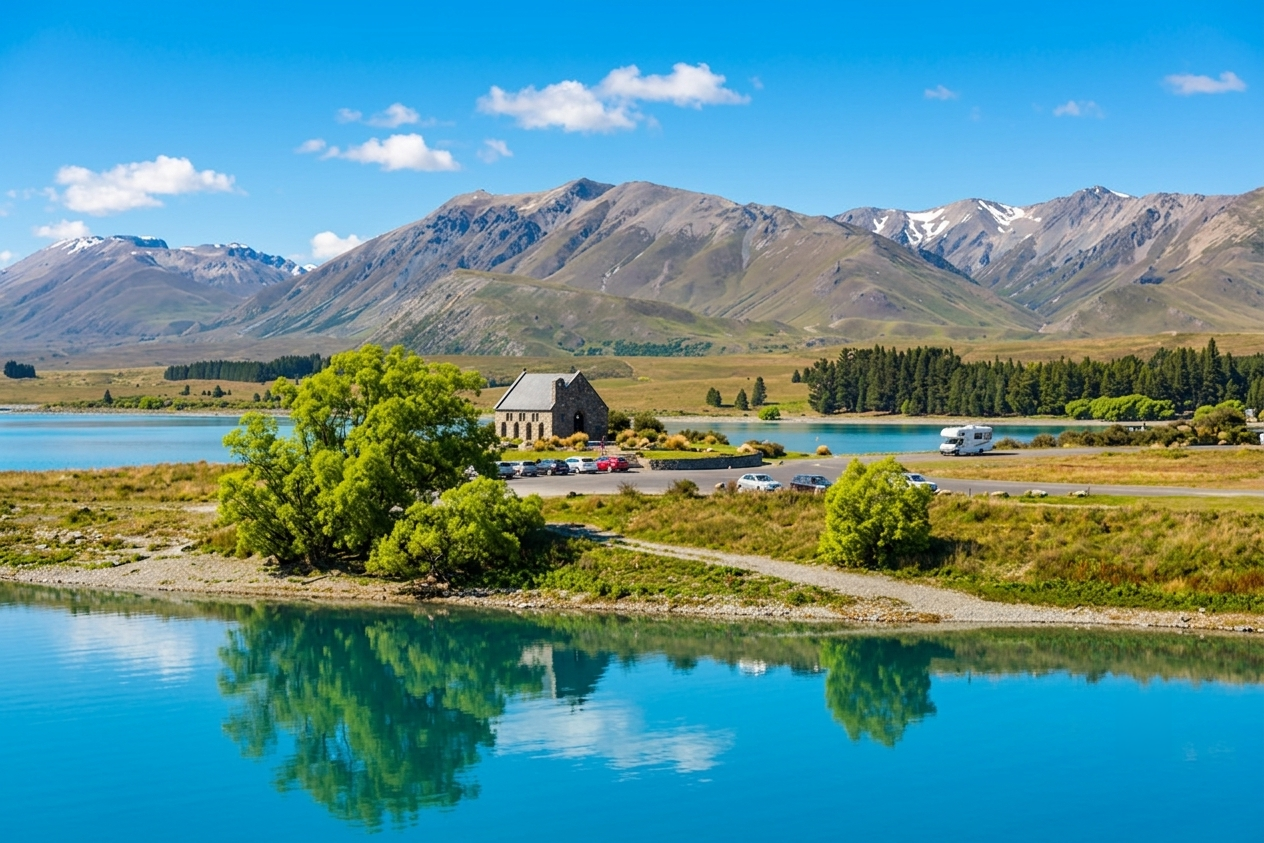
New Zealand weather changes fast, especially near mountains and coasts. Even in summer, a sunny morning can turn into wind and rain by lunch.
Winter adds more hazards. Alpine roads can have snow and ice, and some require you to carry chains.
Pack layers and a rain jacket in every season. Check the forecast and road status each morning, not just the night before.
8. The sun burns faster than you think
Peak summer UV in New Zealand is about 40% higher than at similar latitudes in the northern hemisphere. When the UV Index hits 12, fair skin can burn in under 15 minutes.
The air often feels cool, so people forget. Check the daily UV Index. When it is 3 or higher, wear sunscreen, a hat and sunglasses, even on cloudy days.
9. Sandflies are the price of the views
Sandflies are tiny biting flies that live near flowing water and bush. Te Tai Poutini West Coast and Fiordland are known for them. They don't spread disease, but the bites are very itchy and can swell.
Put on repellent before you get out of the car. Cover up with long sleeves and long trousers.
10. Great Walk huts book out months ahead
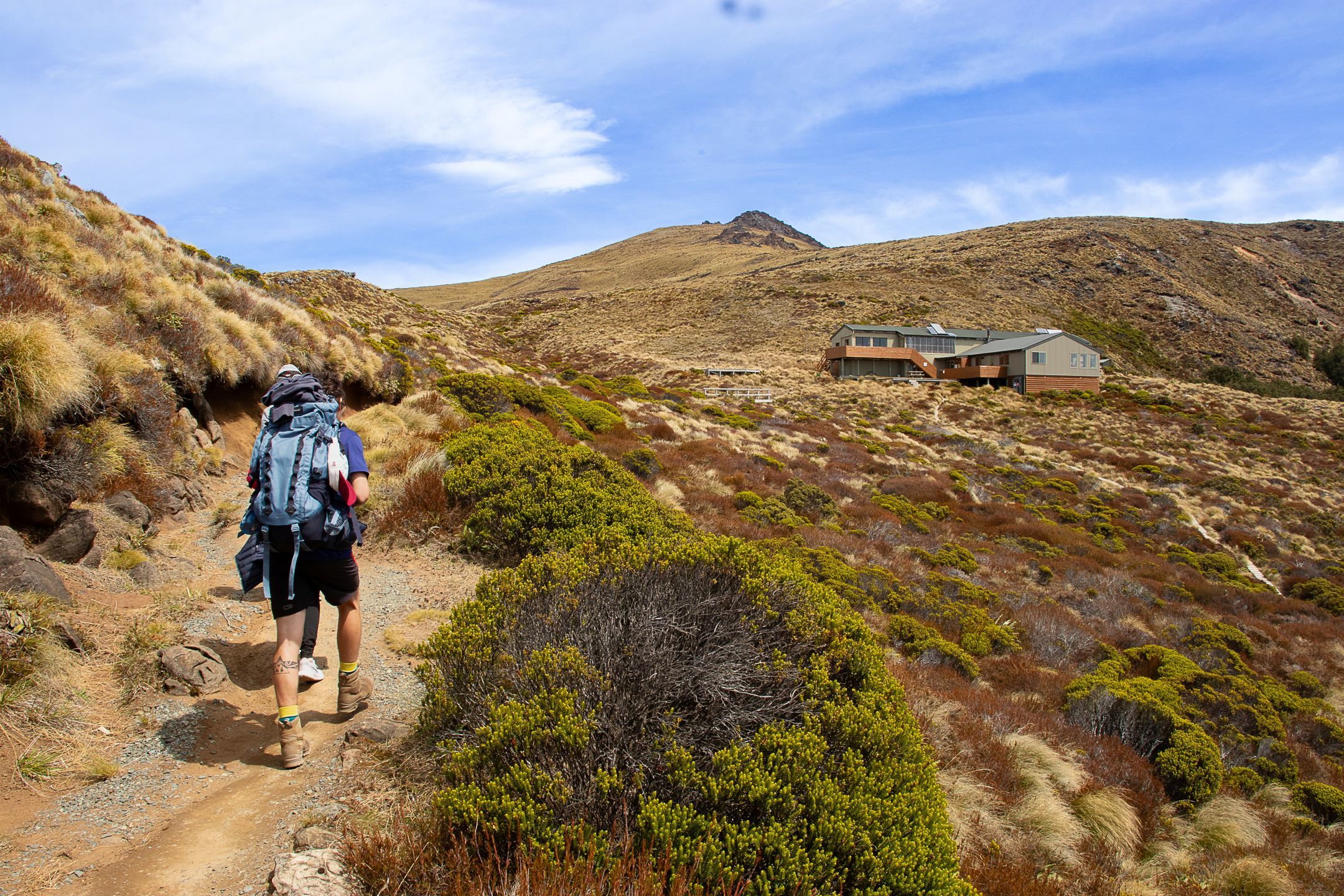
Bookings for the 2026/27 Great Walks season opened in May 2026. In the 2025/26 summer, huts on the Milford and Abel Tasman Coast tracks reached about 95% occupancy.
If your dates are gone, you still have options. Try other dates within the season, or a different Great Walk. Some tracks have campsites, but not all. Camping isn't allowed on the Milford Track. Guided walks and day walks are other ways to see the same country.
Don't fall back on walking an alpine track outside the season unless you have alpine skills and gear. Conditions get much harder.
The best approach is to book the walk first, then plan the rest of the trip around it. Our Great Walk bookings guide and Milford Track guide have more detail.
How do you plan a first trip to New Zealand with fewer surprises?
None of this should put you off. It just means a first trip works better with a realistic plan. Shorter driving days. The right hire car for the ferry. Huts booked early.
That is what our travel specialists do every day. We plan realistic daily routes, line up hire cars with ferry crossings, and fit walks and tours around your dates and interests. Tell us when you want to travel and what you want to see, and we will build the trip around it.