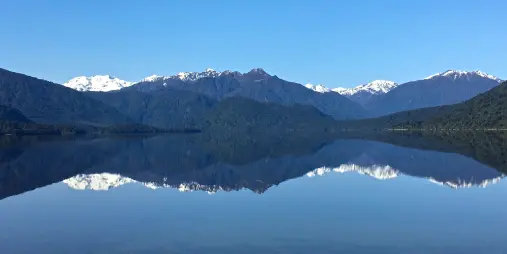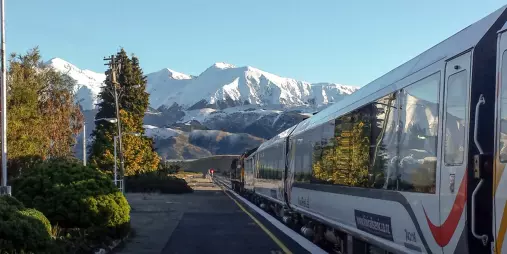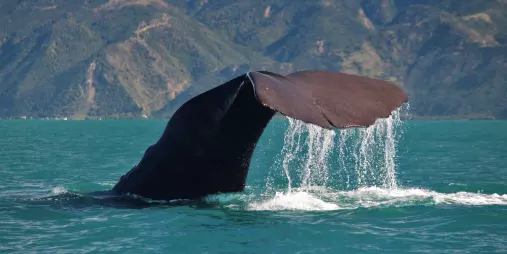


New Zealand's seasons run close to reversed from the northern hemisphere: summer is December to February, winter is June to August. The best time to visit depends on what you want to do. Summer and spring suit most self-drive routes, autumn suits wine country and settled weather, and winter suits skiing and the South Island. There is no bad month to come, only trade-offs worth knowing before you book.
Which season should I choose at a glance?
Every season works for a New Zealand road trip. What changes is which parts of the country open up, which activities are at their best, and how far ahead you need to book. Use this to find the season that fits what you want, then read the detail below.
Season | Months | Best for | Worth planning around |
Summer | December to February | Water activities, the walking season, long daylight | Booking early, peak crowds and prices |
Autumn | March to May | Wine country, settled weather, autumn colour | Shorter days setting in |
Winter | June to August | Skiing, hot springs, stargazing | Alpine passes, chains, some seasona, closures |
Spring | September to November | Rivers and rafting, wildlife, fewer crowds | Late snow on the higher passes |
When is summer in New Zealand, and what is it good for?
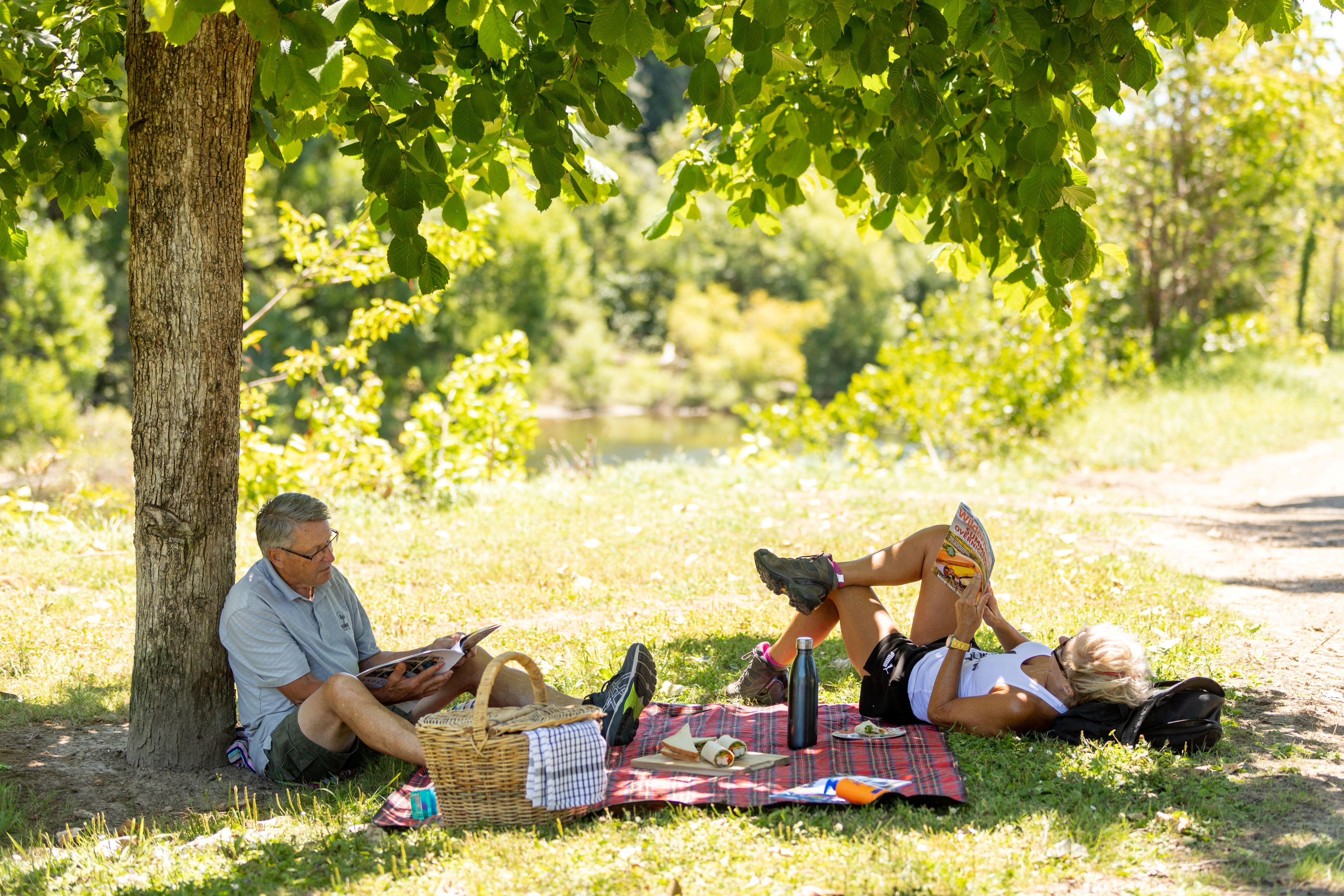
Summer runs from December to February and is the busiest travel window of the year. Accommodation, activities and ferry crossings book up early, so these are the things to arrange first, ahead of peak demand.
The real advantage of summer is daylight. Long evenings mean you can drive later and still arrive somewhere in the light, which takes the pressure off the longer legs between regions. It is also the season for anything on the water, from kayaking in the Abel Tasman and Marlborough Sounds to sailing in the Bay of Islands. Fiordland cruises run year round, but summer is when an overnight one is most comfortable.
Summer is also the heart of the walking season. The Great Walks run their booked season from late October to late April, and shorter day walks across both islands are at their most accessible. If a specific track matters to you, it is the first thing to lock in, ahead of even the vehicle.
Is autumn a good time for a New Zealand road trip?
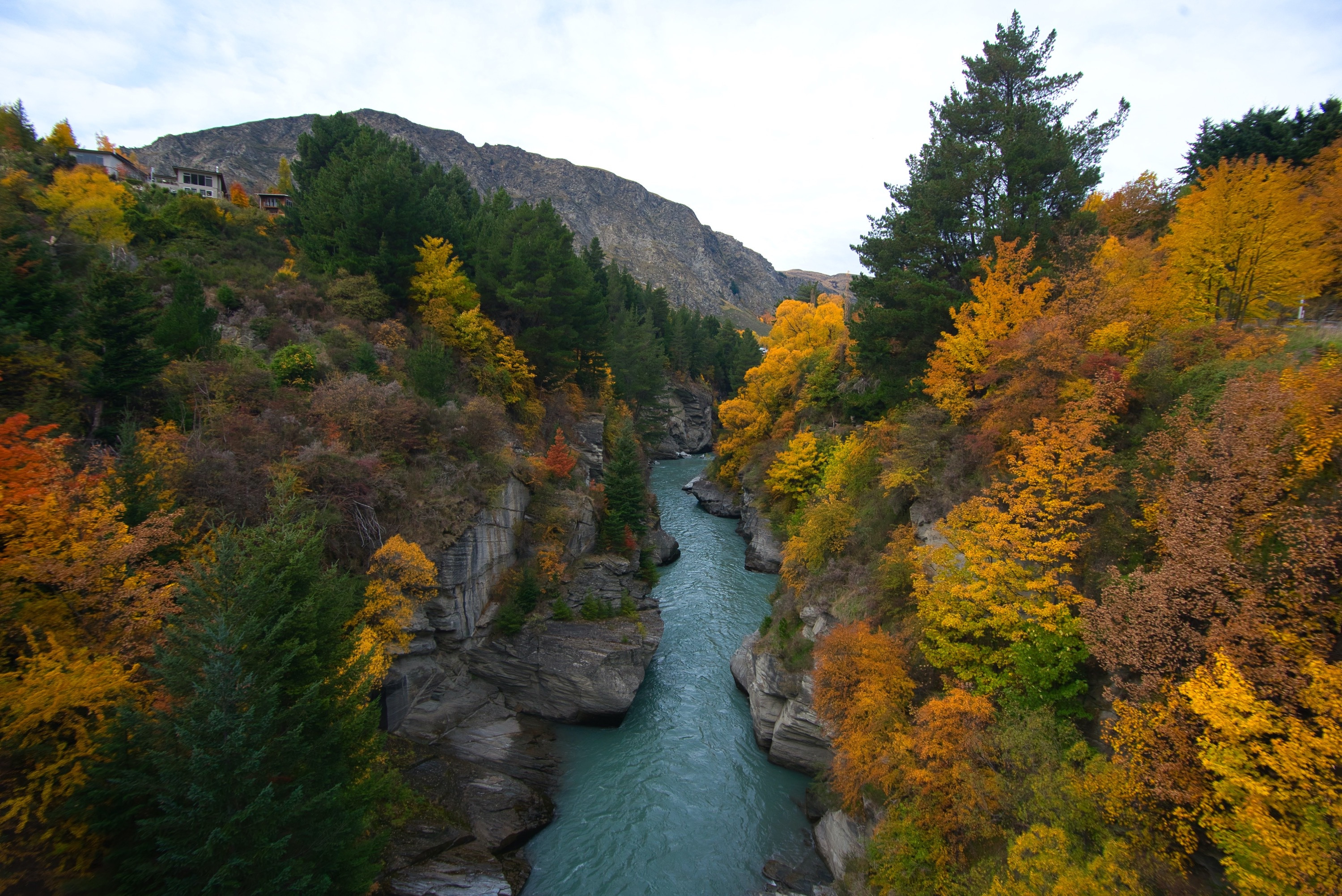
Autumn, from March to May, is one of the best-kept windows for a self-drive. Many regions settle into stable weather, the crowds thin out, and Central Otago and the wine districts turn gold as the leaves change.
Autumn is harvest, which makes it the obvious season for food, wine and beer touring through Marlborough, Hawke's Bay and Central Otago. The cellar doors are busy with the vintage and the vines have turned, so it suits a route that lingers rather than one that covers ground. A trip like the 6 Day Christchurch to Queenstown Food and Wine Self Drive is built for exactly this time of year.
Calmer air also makes autumn a good window for scenic flights over the Southern Alps and the glaciers, and the lower rainfall in the east opens up regions that are less predictable earlier in the year.


Got your season? Get your route.
Once you have a season in mind, the Route Matchmaker turns it into a route. Seven quick questions about your islands, your dates and your pace, and we will match you to a self-drive itinerary that suits. It takes about a minute.
What can you do in a New Zealand winter?

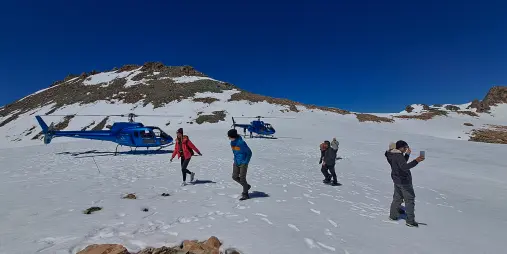
Winter runs from June to August and is a different trip rather than a lesser one. Days are shorter, snow sits on the alpine routes, and some passes need chains or a change of plan. It suits travellers heading for the ski regions or the South Island's cold-weather scenery, with routes planned around the conditions.
The obvious draw is the ski and snowboard season. The fields around Queenstown, Wanaka and Canterbury generally open in June. Building a route around one base rather than moving on daily works better in winter, since conditions decide your day more than the plan does.
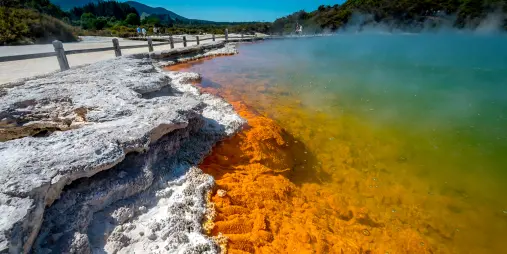
Away from the snow, winter suits the things that are better when it is cold. Hot springs and geothermal attractions through Rotorua, Taupo and Hanmer are at their most appealing, and the long nights make it the strongest season for stargazing in the Mackenzie dark sky reserve. Indoor and cultural options hold up well too, including Māori cultural experiences and the Waitomo cave systems, neither of which depends on the weather.
Winter is also when a rail leg earns its place. The TranzAlpine and Northern Explorer put the alpine country in front of you without a difficult drive, which is why itineraries that fold in a train section come into their own this time of year.
Why visit New Zealand in spring?

Spring, from September to November, is a softer shoulder-season option and a genuine alternative to summer. Milder weather, returning daylight and thinner crowds suit a slower itinerary. Some higher passes can still carry late snow, which is straightforward to plan around.
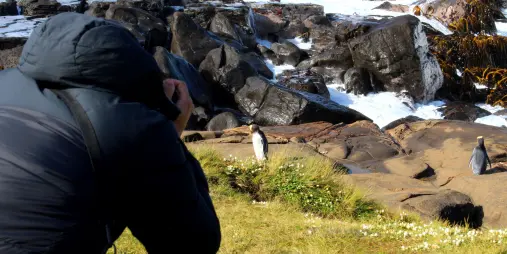
Snowmelt lifts the rivers, which makes spring a strong window for white water rafting and for the jet boat operators around Queenstown and the Waikato. It is also lambing season through the farming districts and a good stretch for wildlife tours, with seabirds returning to the coastal colonies.
For anyone travelling at a gentler pace, the Great Rides and cycle trails are comfortable before the summer heat arrives, and quiet enough that you are not queuing for bike hire.
Which month should I choose?
If you want the short version, here is how the year breaks down.
- December, January and February are the warmest and busiest. Come now for beaches, water activities and the walking season, and book several months ahead. January is the single busiest month, so February often gives you the same weather with slightly more room.
- March, April and May bring the harvest and the autumn colour. These are the months for wine country, settled weather and quieter roads, with the daylight gradually shortening as you move through them.
- June, July and August are for skiing, hot springs and the South Island in the snow. Expect shorter days and some alpine closures, and plan the route around the conditions rather than a fixed schedule.
- September, October and November reopen the country as it warms. Rivers are high, wildlife is active and the crowds have not yet arrived, which makes spring one of the easier times to travel on a flexible plan.
Whichever month you land on, a self-drive holiday can be shaped around it. The route, the vehicle and the number of nights in each region all shift with the season, and we can adjust any itinerary to suit the time you are travelling.
Ready to plan the whole trip?
Our self-drive planning guide brings it together: how long each region needs, choosing between petrol, hybrid and electric, and the routes we run. Everything for planning a New Zealand self-drive holiday in one place.