

The Thermal Explorer Highway is one of the best North Island self-drive routes for travellers planning a road trip through New Zealand’s geothermal heart. Connecting Auckland, Rotorua, Taupō, and Napier, it combines geothermal attractions, volcanic landscapes, Māori cultural experiences, and manageable driving distances. This guide covers the best stops, how many days to allow, approximate drive times, and the best time to do the trip.
Along the way, the route combines geothermal stops, lake scenery, Māori cultural experiences, and practical overnight bases that work well in a wider North Island itinerary.
Quick summary: The Thermal Explorer Highway runs from Auckland to Napier via Hamilton, Rotorua, Wai-O-Tapu, and Taupō. Key stops include Rotorua's geothermal parks, Wai-O-Tapu Thermal Wonderland, Lake Taupō, Huka Falls, and Napier's Art Deco waterfront. Most travellers allow 3 to 5 days. The route is around 430 kilometres and suits self-drive holidays with manageable daily driving legs.
Where is the Thermal Explorer Highway?
The Thermal Explorer Highway is a touring route through the central North Island. It runs between Auckland and Napier and passes through several of the region’s best-known geothermal and volcanic destinations.
Key stops along the route include:
- Auckland
- Hamilton
- Rotorua
- Taupō
- Napier
The full drive is roughly 430 kilometres and takes around 6 to 7 hours without extended stops. Most travellers spread it over 3 to 5 days so they have time to explore Rotorua’s geothermal parks, spend time around Lake Taupō, and enjoy Hawke’s Bay at the end of the trip.
Why drive the Thermal Explorer Highway?
The Thermal Explorer Highway is one of the easiest North Island road trips to build into a self-drive holiday. Rather than relying on long driving days, it links a series of well-known stops with manageable travel times and a clear route south through the central North Island.
What makes this route different is the concentration of geothermal and volcanic landscapes along the way. Travellers can move from city departure points to steaming valleys, mineral pools, geysers, crater lakes, and lakefront towns within a relatively compact part of the country.
It is a strong choice for travellers who want:
- a North Island self-drive itinerary with clear stopovers
- geothermal attractions and volcanic landscapes
- Māori cultural experiences in Rotorua
- lake views and outdoor stops around Taupō
- an easy finish in Napier and Hawke’s Bay
Best stops on the Thermal Explorer Highway

Rotorua: the centre of New Zealand’s geothermal activity
Rotorua is the main stop on the Thermal Explorer Highway and, for many travellers, the centrepiece of the route.
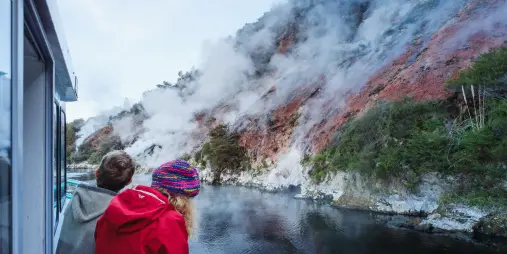
The city sits within one of the world’s most active geothermal regions. Steam rises from vents across public parks, footpaths, and reserves, giving parts of Rotorua a look and feel that is completely different from anywhere else in New Zealand.
Rotorua is also one of the best places in the country to combine geothermal sightseeing with Māori cultural experiences. The geothermal environment has long been part of daily life and tradition for local iwi, especially Te Arawa.
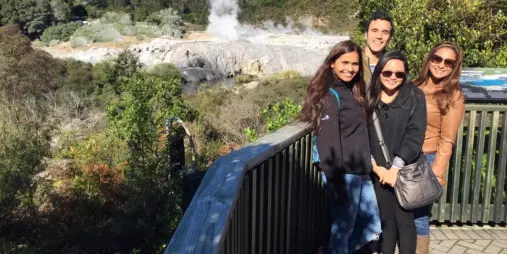
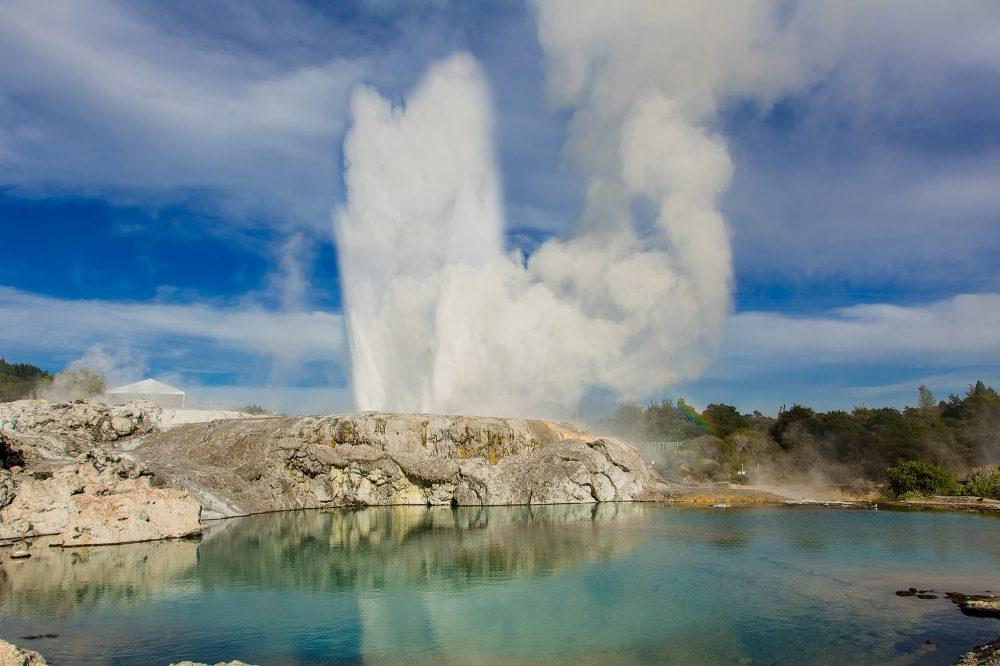
One of the best-known attractions here is the Te Puia Geothermal Valley Experience, home to Pōhutu Geyser, bubbling mud pools, and the New Zealand Māori Arts and Crafts Institute. Rotorua also has other major geothermal stops including the Hell’s Gate geothermal experience, Waimangu Volcanic Valley, and Whakarewarewa – The Living Māori Village, making it a stop that deserves at least one night, and often two.
Wai-O-Tapu Thermal Wonderland
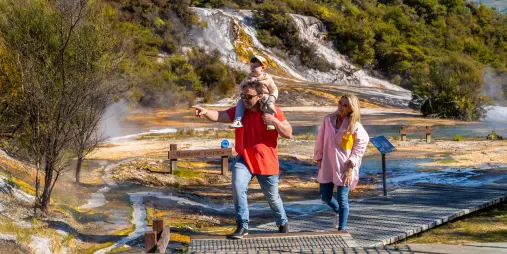
South of Rotorua, Wai-O-Tapu Thermal Wonderland is one of New Zealand’s best-known geothermal areas and one of the easiest stops to add between Rotorua and Taupō. Travellers continuing south can also consider Orakei Korako: The Hidden Valley, another geothermal stop known for its silica terraces and rare geothermal cave.
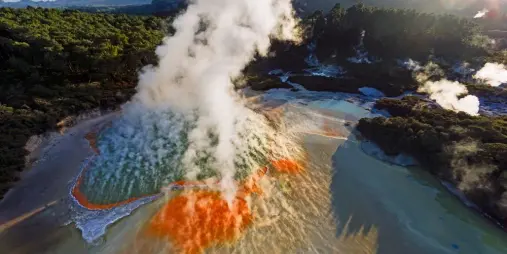
This is where travellers come to see the more colourful side of geothermal activity. Minerals in the ground and water create intense shades of orange, yellow, green, and blue across the park. Walking trails lead past craters, hot pools, steaming ground, and lookout points.
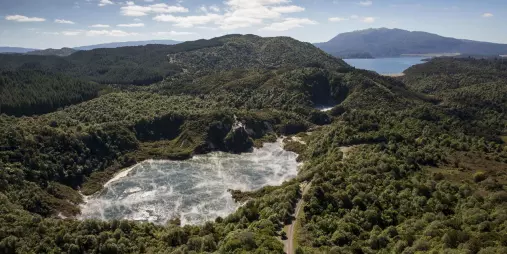
The best-known feature is the Champagne Pool, a large hot spring edged with vivid mineral deposits. Wai-O-Tapu is one of the easiest stops to work into a self-drive itinerary between Rotorua and Taupō and is worth planning time for rather than treating it as a quick roadside stop.
Lake Taupō and Huka Falls
Further south, the route reaches Lake Taupō, the largest lake in New Zealand.
Taupō is not just a lake town. It sits beside a vast volcanic caldera formed by ancient eruptions, and that geological history is part of what makes this whole route so compelling. Today, the lake is known for its open water views, walking tracks, boat cruises, trout fishing, and relaxed pace.
Just north of Taupō, Huka Falls is one of the easiest and most popular natural stops on the route. A huge volume of water is forced through a narrow channel before dropping into a bright blue gorge. It is a short stop, but one that fits very easily into a Thermal Explorer Highway itinerary.
For travellers wanting to keep the geothermal theme going near Taupō, Craters of the Moon is an easy addition, and the district also offers hot springs and spas for a more relaxed stop after the drive.
Napier and Hawke’s Bay
For many travellers, Napier works best as a slower final stop after the geothermal and volcanic landscapes further inland.
After the geothermal landscapes of Rotorua and the volcanic terrain around Taupō, the road trip ends in a coastal city known for Art Deco architecture, wineries, and a drier, sunnier climate. Napier was rebuilt after the 1931 Hawke’s Bay earthquake, and much of the city centre still reflects the style of that era.
For many travellers, this is a good place to slow the pace down. Hawke’s Bay suits travellers who want cellar door visits, long lunches, coastal drives, and an extra night or two before returning inland or continuing elsewhere in the North Island.


Planning your geothermal stops?
Building this route into a wider North Island holiday? Explore geothermal experiences in Rotorua, Wai-O-Tapu, and Taupō to help map out your Thermal Explorer Highway road trip.
How long do you need for the Thermal Explorer Highway?
You can technically drive the route in one day, but that misses the point. The value of this road trip comes from stopping properly.
- 2 days: Best for travellers on a tighter schedule who want a quick overview of the route.
- 3 days: A good minimum for most first-time visitors. This gives you time for Rotorua, Wai-O-Tapu, Taupō, and the drive into Napier without feeling too rushed.
- 4 to 5 days: Better if you want to spend more time in Rotorua, add Māori cultural experiences, enjoy lake activities in Taupō, or finish with a more relaxed Hawke’s Bay stay.
Approximate drive times between key stops
Drive times vary with traffic, weather, and how often you stop, but these estimates are useful for planning:
- Auckland to Hamilton: around 1 hour 30 minutes
- Hamilton to Rotorua: around 1 hour 30 minutes
- Rotorua to Wai-O-Tapu: around 30 minutes
- Wai-O-Tapu to Taupō: around 50 minutes
- Taupō to Napier: around 2 hours
These short-to-moderate legs are part of what makes the route work so well as a self-drive holiday. You do not need to commit to long days behind the wheel unless you want to.
Who is the Thermal Explorer Highway best for?
This route suits first-time North Island visitors, self-drive travellers who want manageable daily driving, and travellers interested in geothermal landscapes, Māori cultural experiences, and lake scenery. It also works well for people building a broader North Island holiday around Auckland, Rotorua, Taupō, and Hawke’s Bay.
For travellers who prefer a road trip with short-to-moderate drive legs and a clear sequence of major stops, it is one of the more straightforward self-drive routes in New Zealand.
Best time to drive the Thermal Explorer Highway in New Zealand
The Thermal Explorer Highway can be driven year-round, but the best time depends on what kind of North Island road trip you want. Some travellers prioritise lake activities and warmer temperatures, while others prefer cooler weather and more dramatic geothermal scenery.
- Summer (December to February): Summer is best for travellers who want warm weather and lake-based activities around Taupō. It is also a popular season for broader North Island road trips, so accommodation can book out earlier.
- Autumn (March to May): Autumn is one of the most balanced times to do this route. Temperatures are still comfortable, the roads are generally straightforward, and the trip can feel less busy than peak summer.
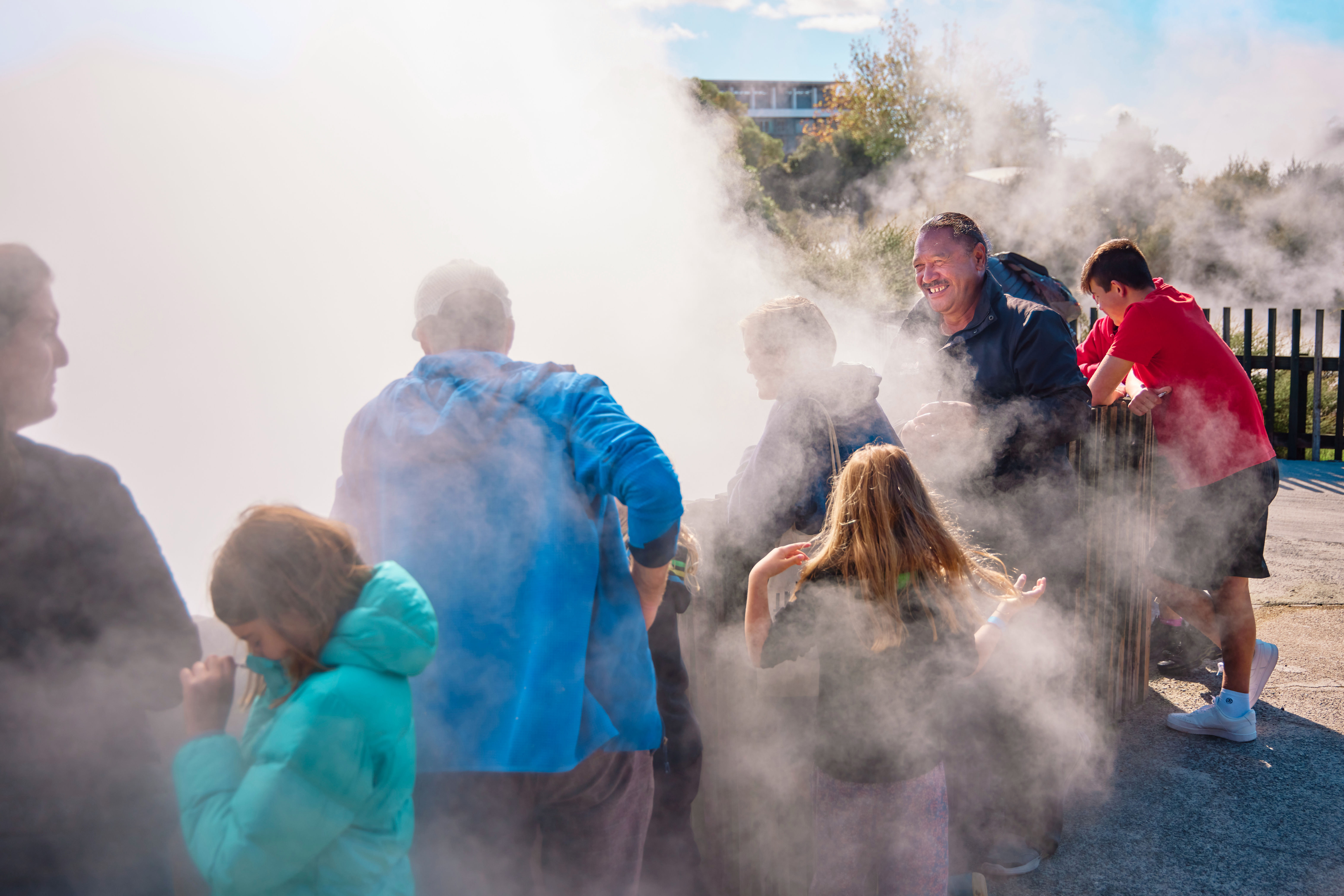
- Winter (June to August): Winter adds atmosphere to geothermal areas, especially in Rotorua, where steam stands out more clearly in the colder air. This is a strong season for geothermal sightseeing if you like moodier landscapes and cooler weather.
- Spring (September to November): Spring usually brings mild temperatures and is a good time for travellers who want a road trip before the main summer rush.
Suggested 3-day Thermal Explorer Highway itinerary
This 3-day version suits travellers who want to see the major geothermal highlights without rushing the route into a single long drive. It gives enough time for Rotorua, Wai-O-Tapu, Taupō, and a Hawke’s Bay finish while keeping daily driving manageable.
Day 1: Auckland to Rotorua
Leave Auckland and head south through Hamilton towards Rotorua. Spend the afternoon exploring Rotorua’s geothermal attractions or Māori cultural experiences, then stay overnight.
Day 2: Rotorua to Taupō via Wai-O-Tapu
Drive south to Wai-O-Tapu and explore the geothermal park before continuing to Taupō. Stop at Huka Falls and spend the night by the lake.
Day 3: Taupō to Napier
Travel east towards Hawke’s Bay, crossing volcanic and hill-country landscapes on the way to Napier. Finish the trip with time to explore the city or continue into the wider Hawke’s Bay region.
Frequently asked questions about the Thermal Explorer Highway
What are the best stops on the Thermal Explorer Highway?
The key stops are Rotorua, Wai-O-Tapu, Lake Taupō, Huka Falls, and Napier. Most travellers also add Orakei Korako between Taupō and Rotorua.
How many days do you need for the Thermal Explorer Highway?
Three days is the recommended minimum. This gives you time for Rotorua, Wai-O-Tapu, Taupō, and Napier without feeling rushed.
When is the best time to drive the Thermal Explorer Highway?
It can be driven year-round. Autumn is generally the most balanced season, while winter is ideal if you want dramatic geothermal scenery.
Is the Thermal Explorer Highway suitable for a self-drive holiday?
Yes — it's one of the most self-drive-friendly routes in New Zealand, with manageable daily driving distances and clear stopovers.
Start planning your Thermal Explorer Highway road trip
The Thermal Explorer Highway is just one part of a bigger North Island journey. Browse our self-drive holidays to see how Rotorua, Taupō, Napier, and other key stops can fit into one trip.