

Rotorua is one of New Zealand’s leading geothermal and Māori cultural destinations, known for geysers, bubbling mud pools, hot springs, lakes and forest adventures. Allow two to three days to experience its main attractions, although longer stays suit families and outdoor travellers. Rotorua is worth visiting year-round and is around a three-hour drive from Auckland, with activities ranging from walks to geothermal, cultural and adventure experiences.
Best Things to Do in Rotorua
The best things to do in Rotorua include exploring geothermal parks, experiencing Māori culture, walking or cycling through the Redwoods, relaxing in hot pools and enjoying the region’s lakes and outdoor adventures. First-time visitors should allow at least two to three days to combine Rotorua’s geothermal and cultural highlights with one or two nature or adventure experiences.
- Visit Wai-O-Tapu Thermal Wonderland for geothermal landscapes
- Explore Te Puia’s geysers, carvings and Māori cultural centre
- Experience a hāngī feast at Whakarewarewa Village
- Zip-line and mountain bike in the Redwoods Forest
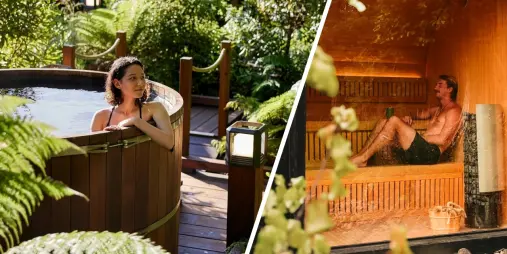
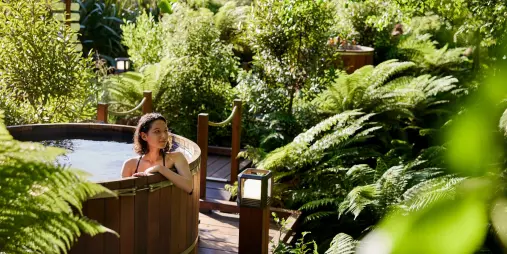
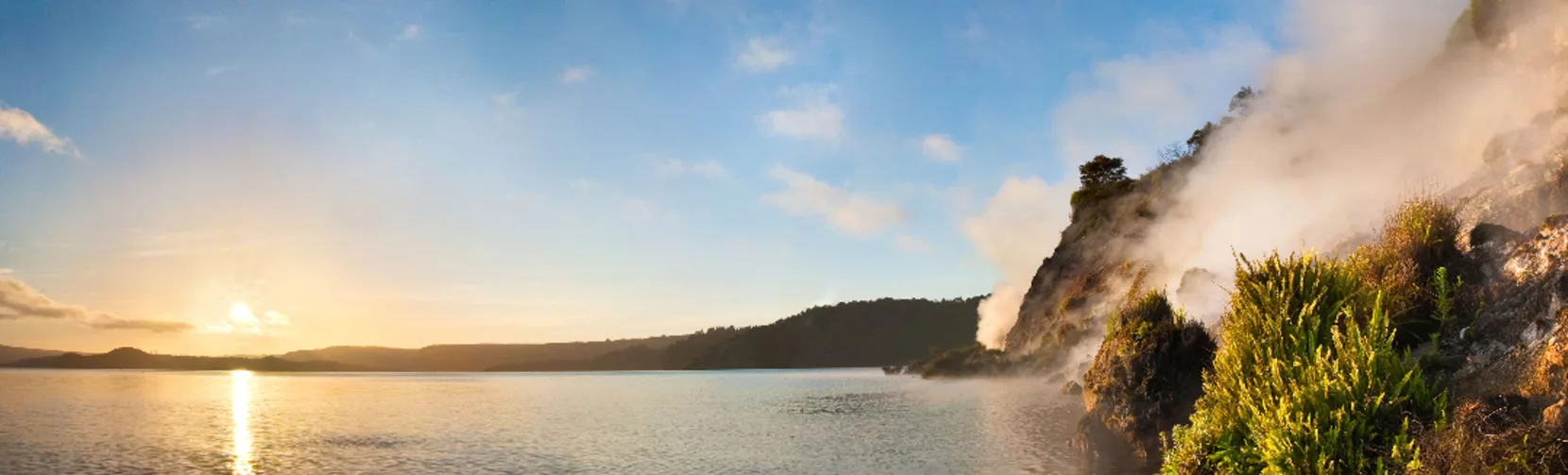
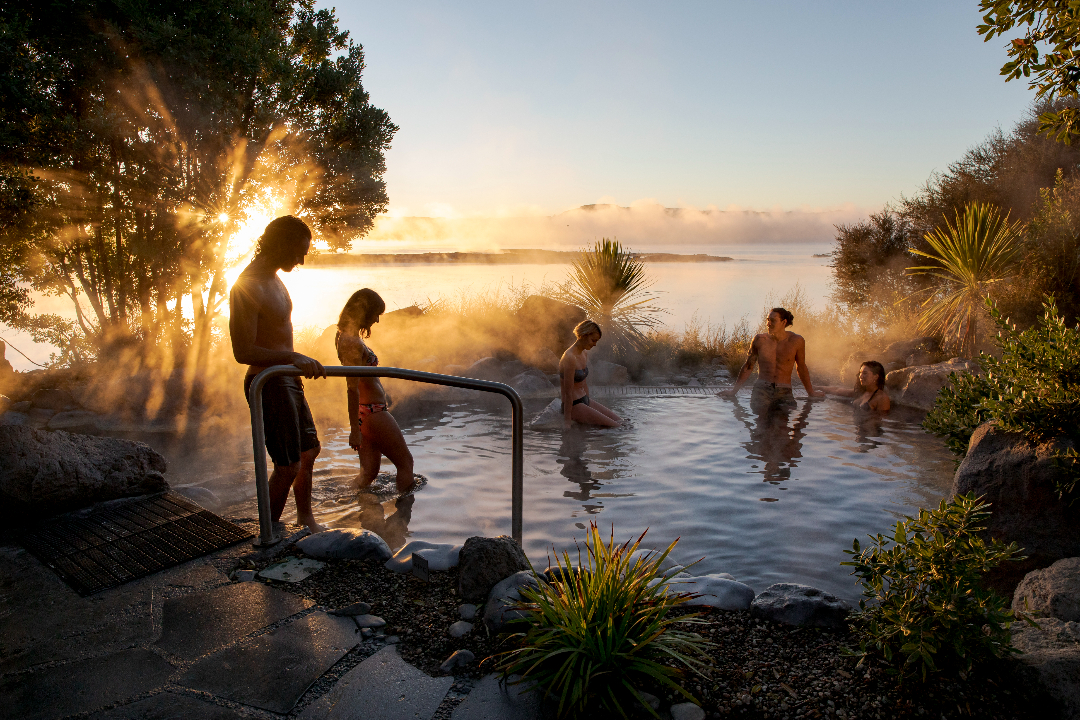
- Soak in Lake Rotoiti’s Manupirua Springs hot pools
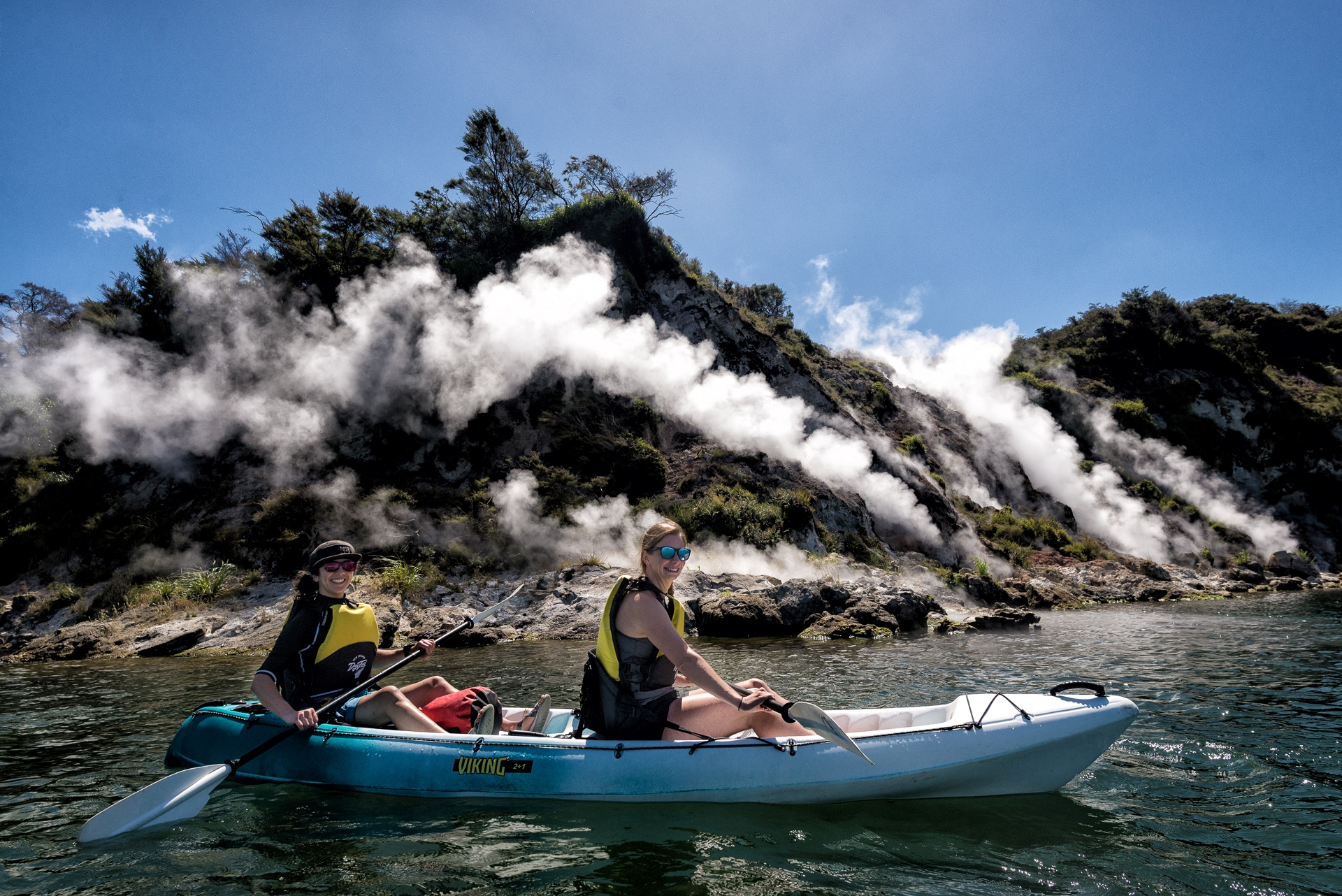
- Kayak or cruise on Lake Tarawera and Lake Rotorua
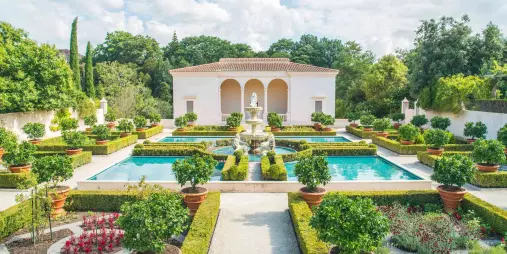
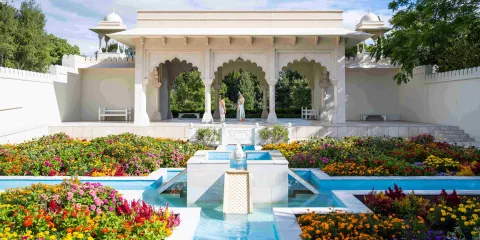
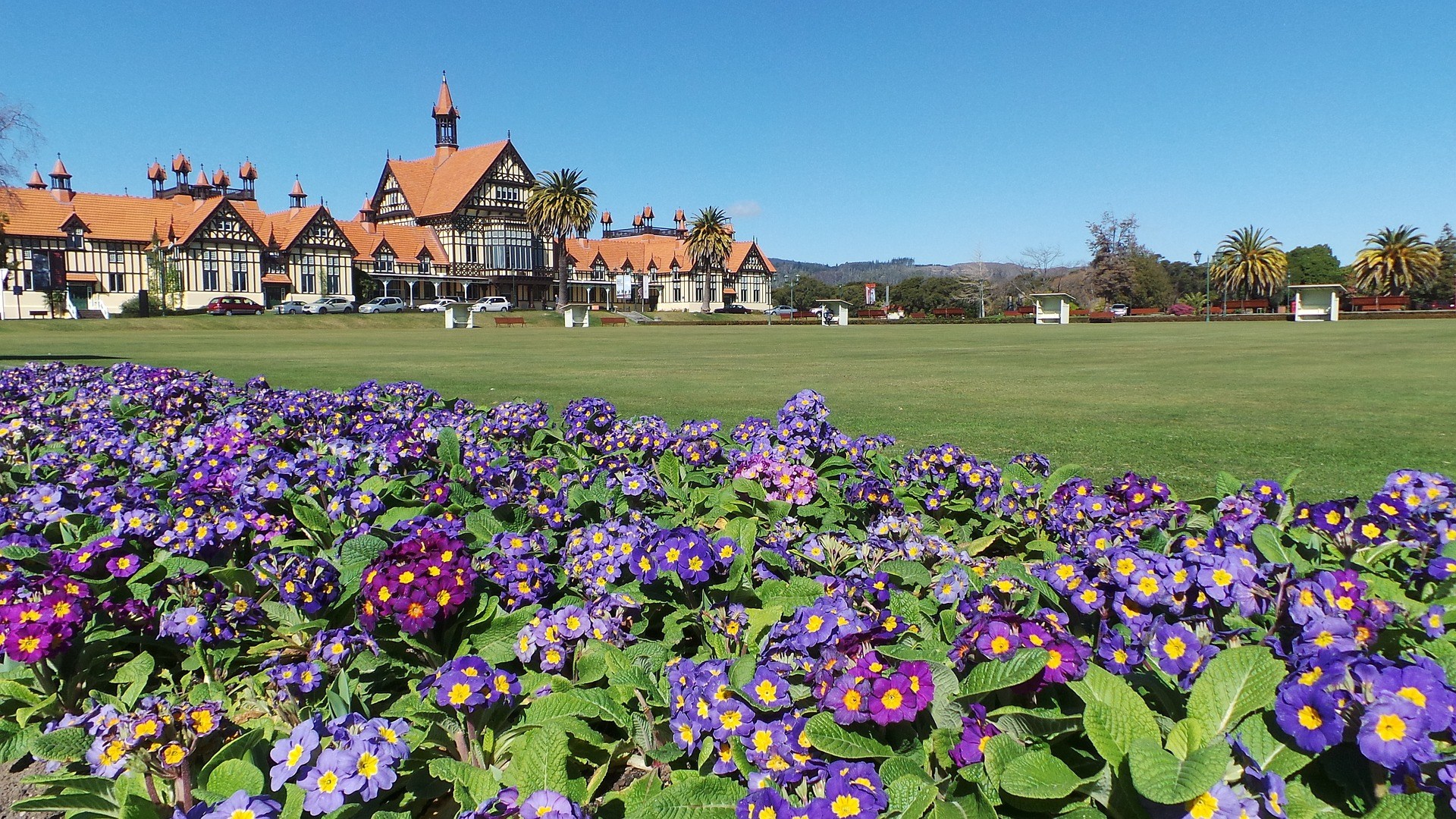
- Stroll through Government Gardens
- Dine on local cuisine, from Māori dishes to modern New Zealand fare
- Discover scenic walking tracks and picnic spots in city parks
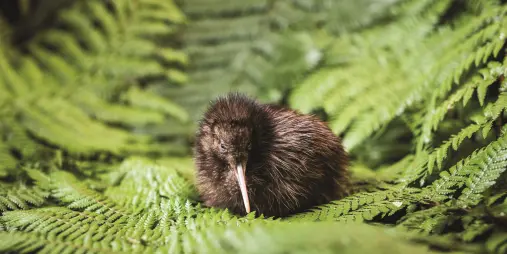
- Visit the National Kiwi Hatchery for native wildlife encounters
Rotorua Geothermal Attractions and Geysers
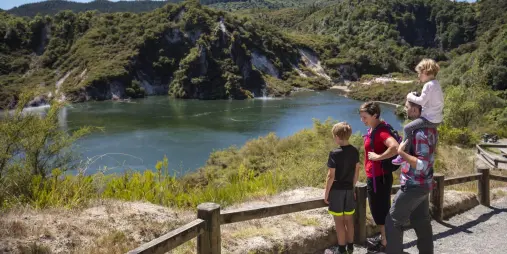
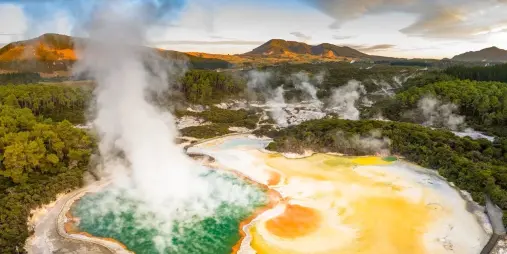
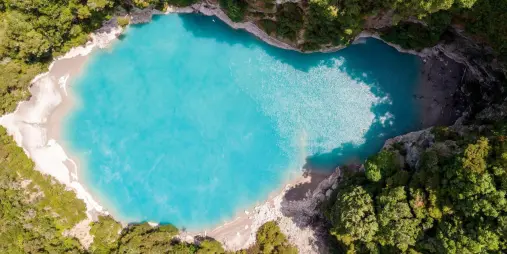
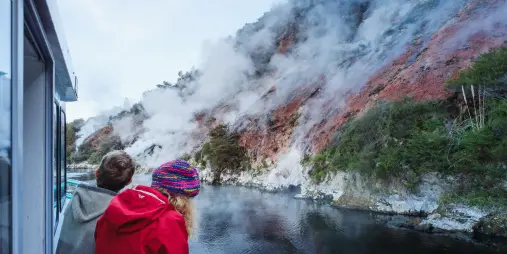
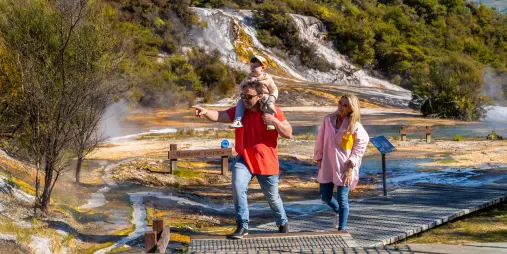
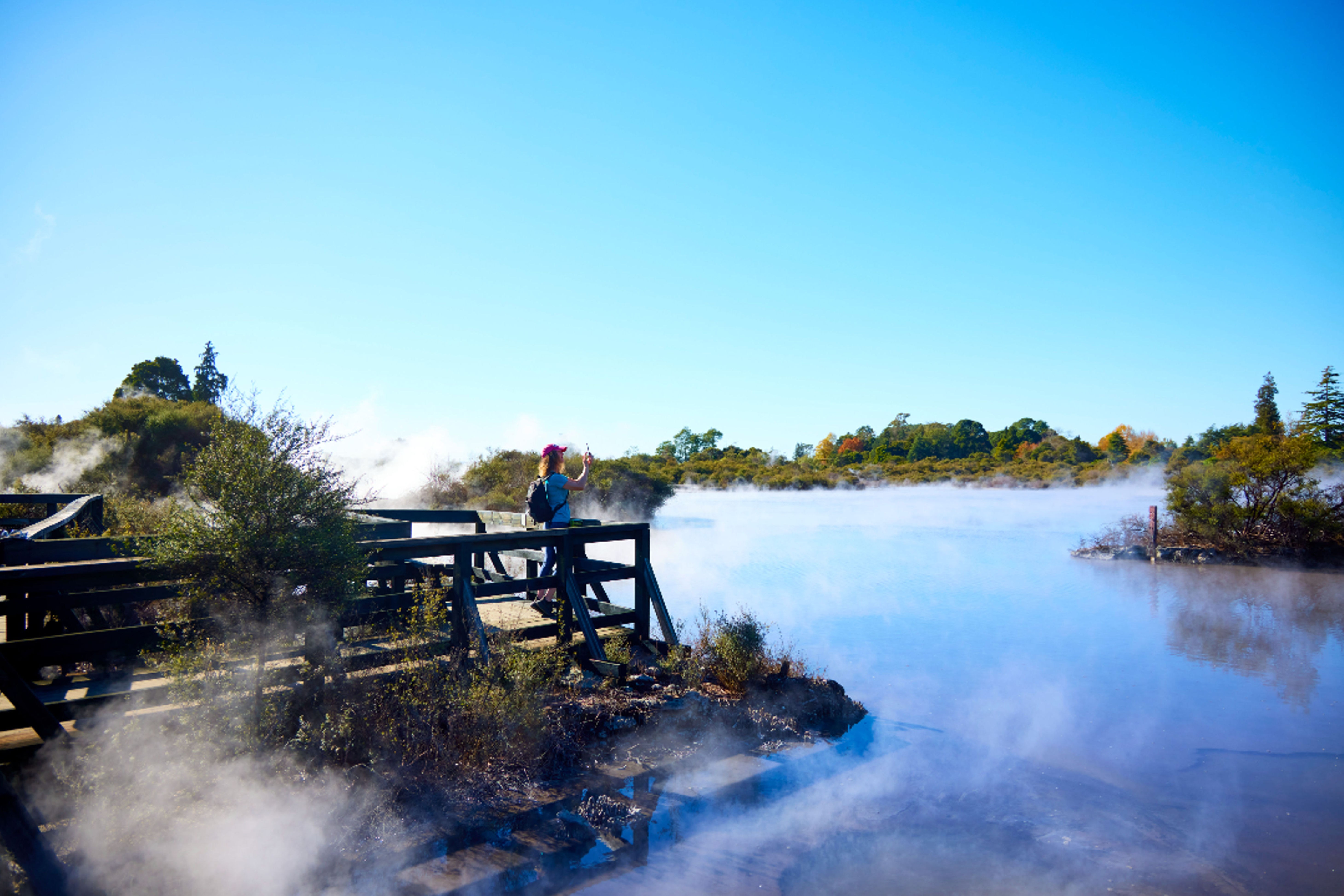
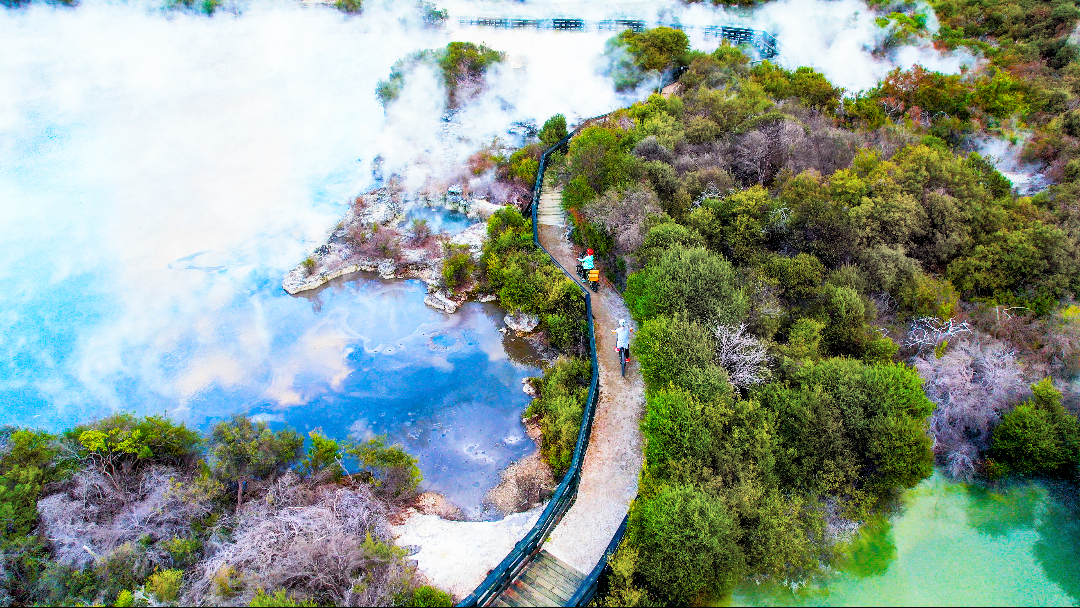
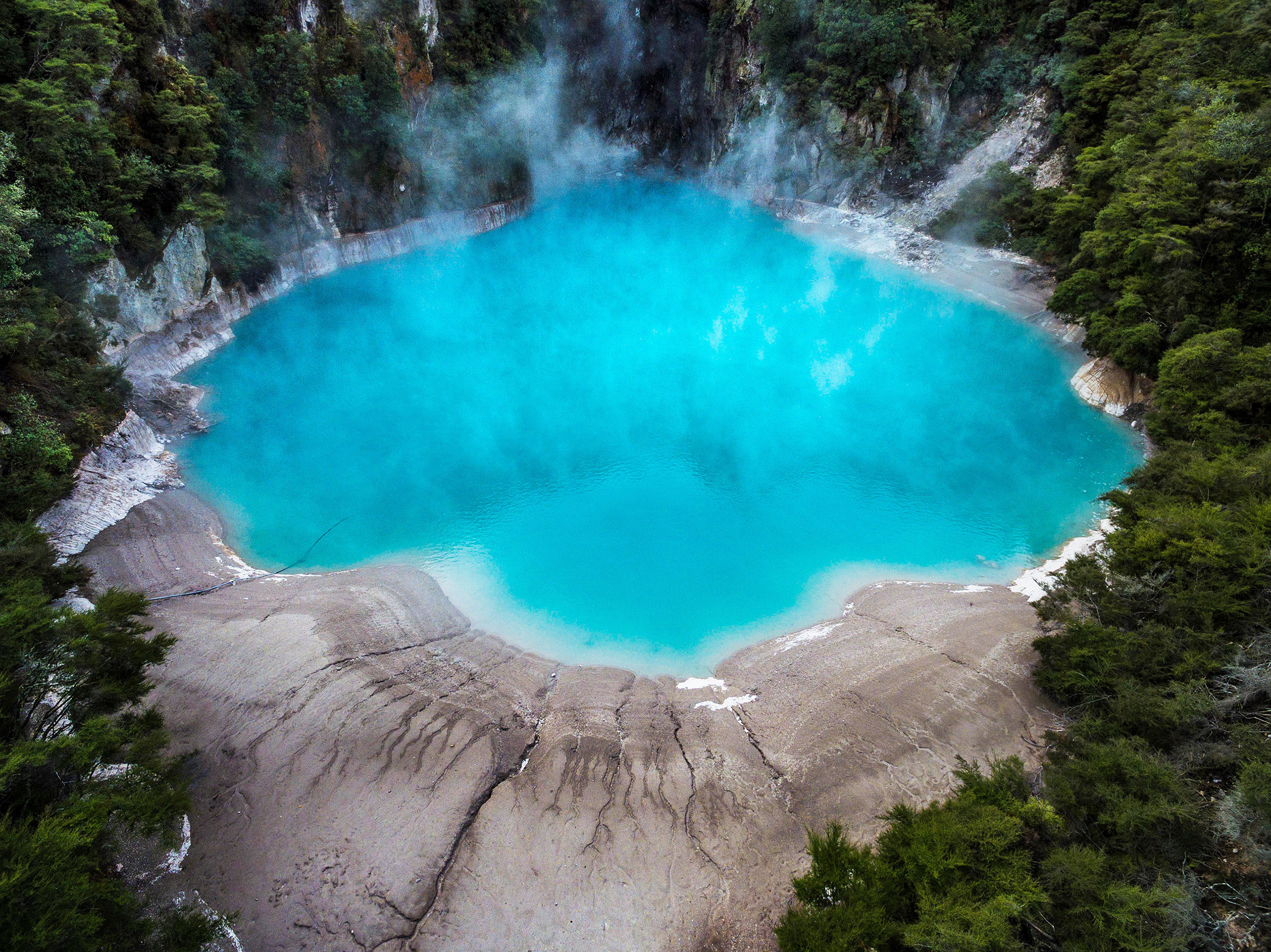
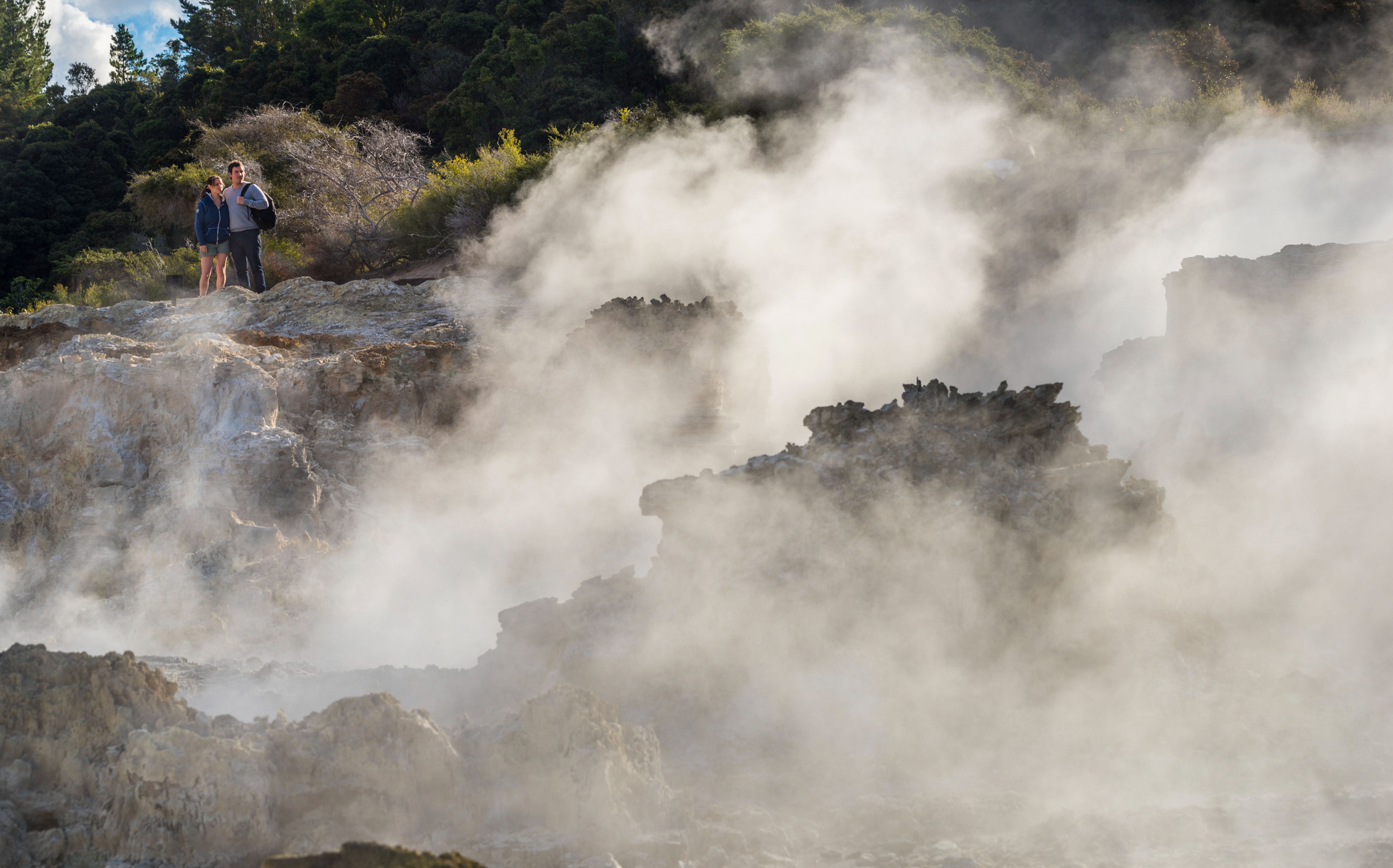
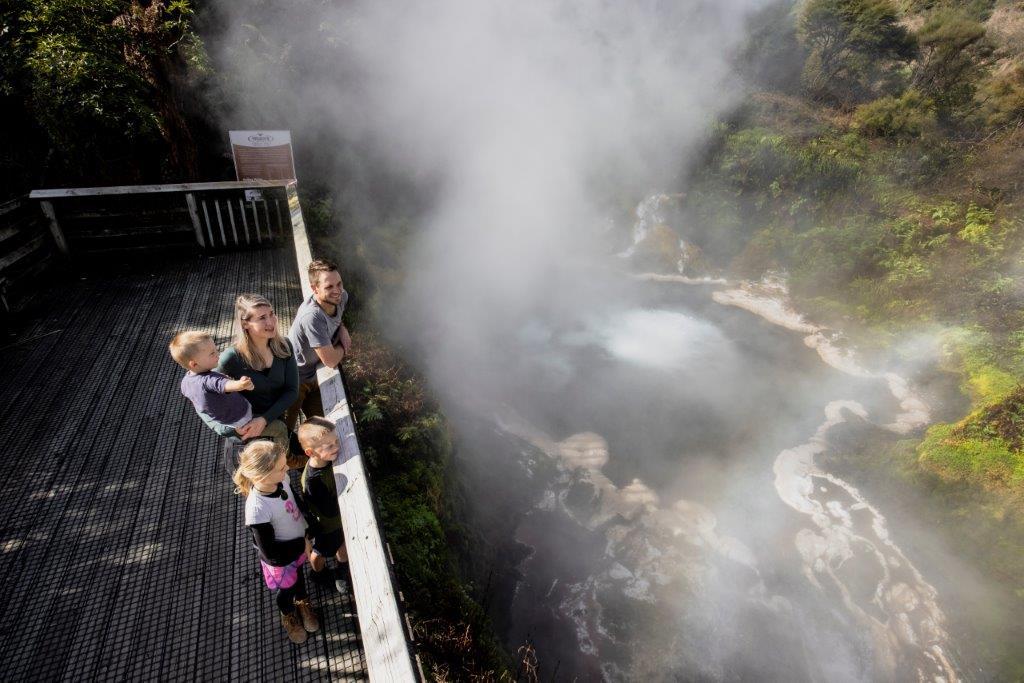
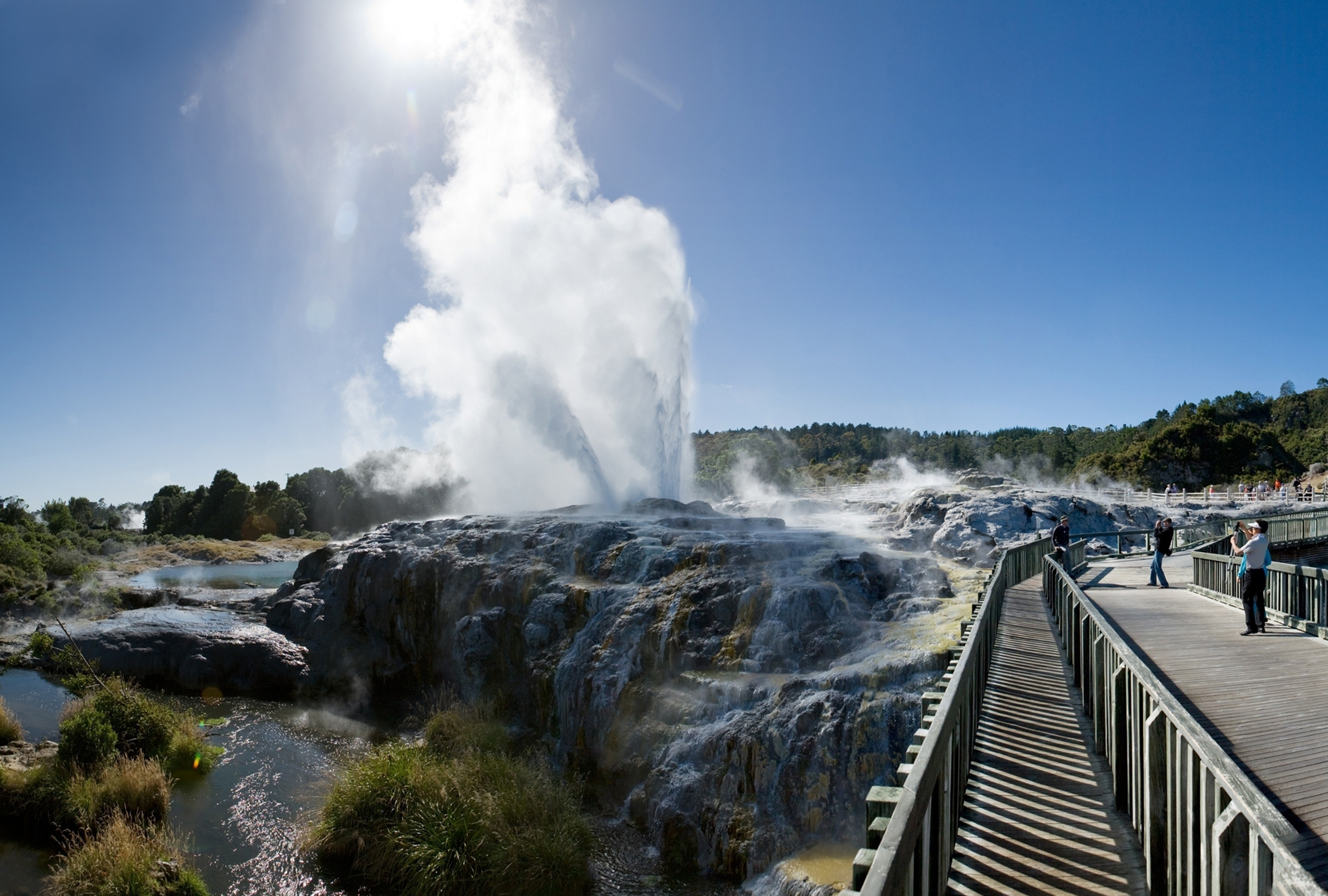
Rotorua is one of New Zealand’s best-known geothermal destinations, with steaming vents, boiling mud pools, mineral-rich water and erupting geysers found throughout the region. Wai-O-Tapu and Te Puia are two of the most popular places to experience Rotorua’s volcanic landscape, with Te Puia also combining geothermal activity with Māori culture.
Located in the centre of New Zealand’s North Island, Rotorua is known for its spectacular geothermal activity. The city’s otherworldly landscape is peppered with steaming vents, boiling mud pools, and erupting geysers, offering a visual feast unlike anywhere else in Aotearoa. Wai-O-Tapu Thermal Wonderland is a must-see, with vividly coloured pools and erupting geysers creating postcard-perfect scenes.
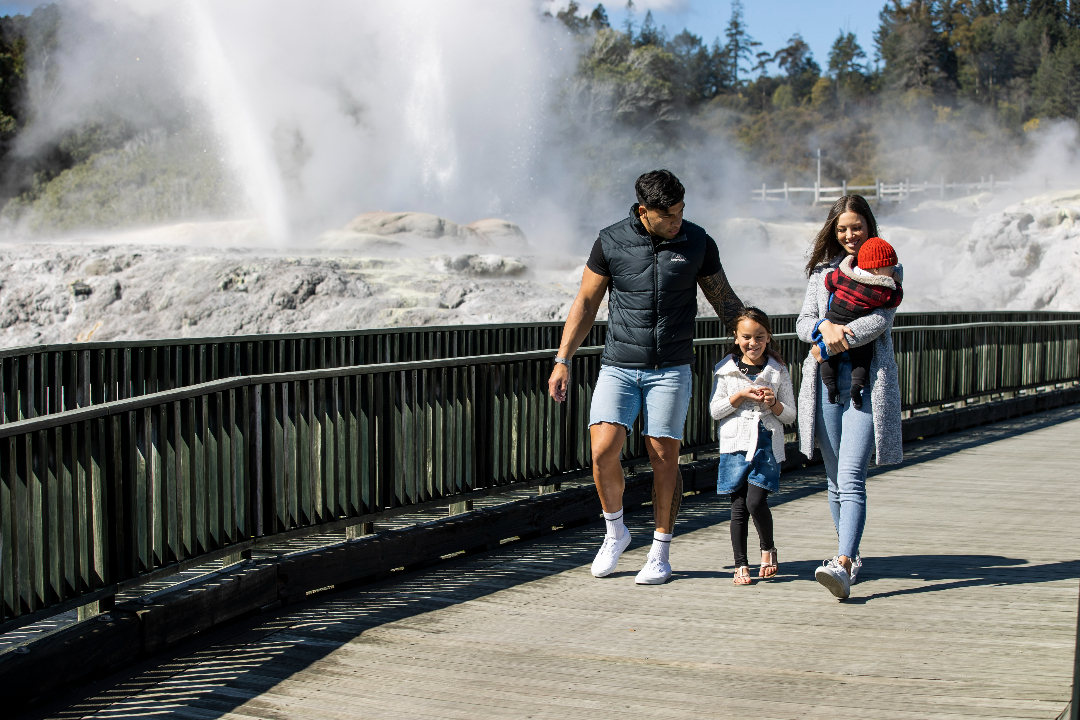
Te Puia is another essential stop – not only for its geothermal features like the powerful Pōhutu Geyser, but also for its cultural significance. Here, natural forces and Māori heritage sit side by side, creating an experience that’s equal parts science and storytelling.
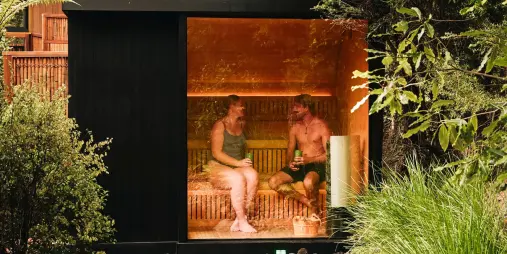
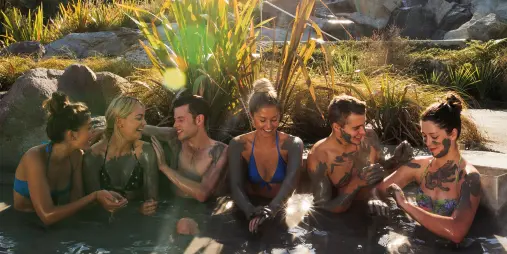
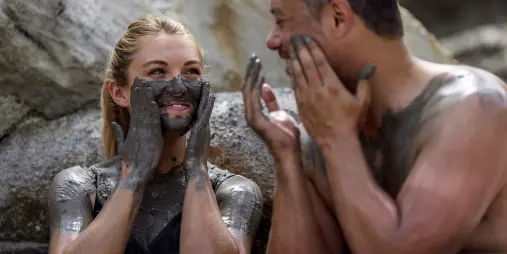
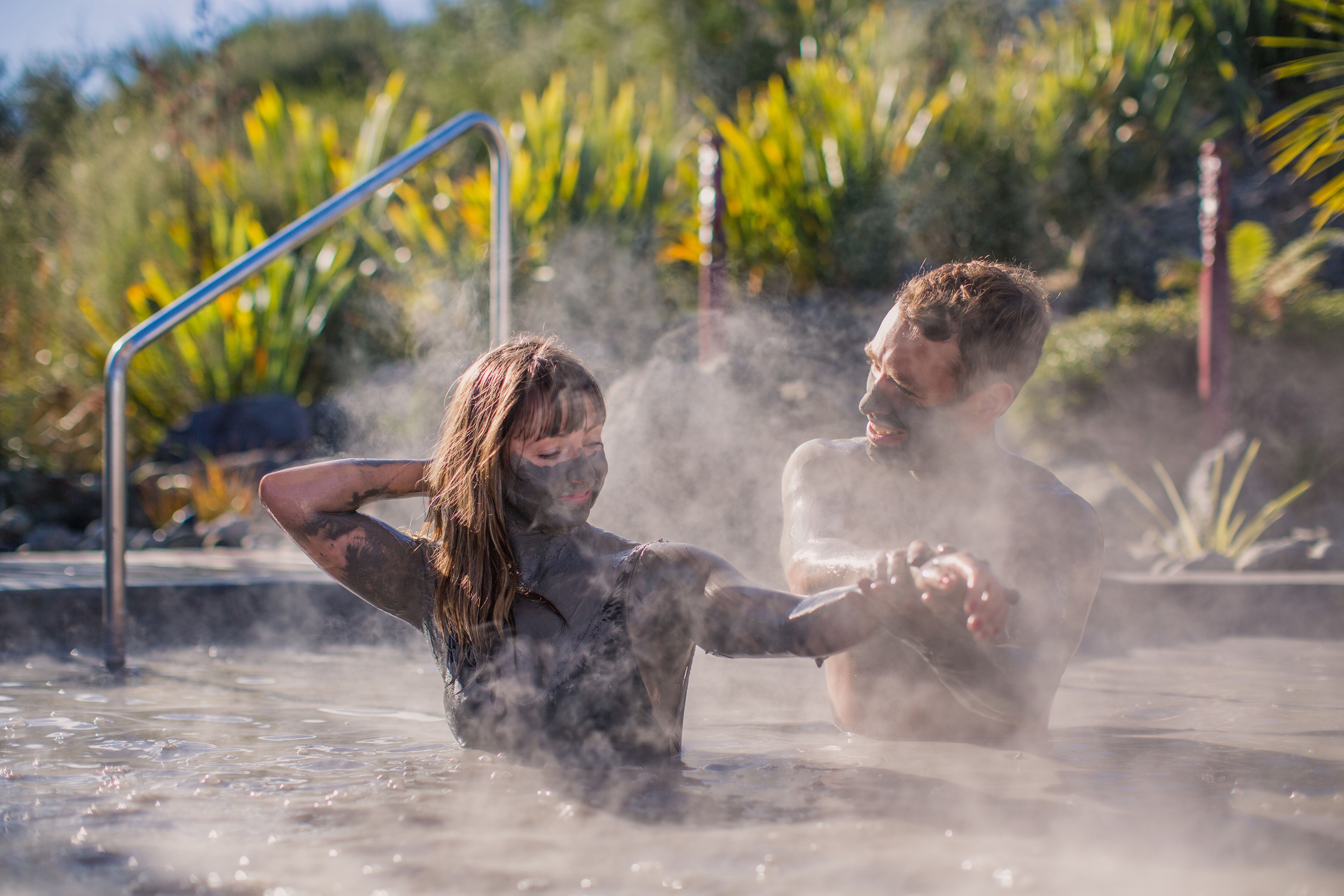
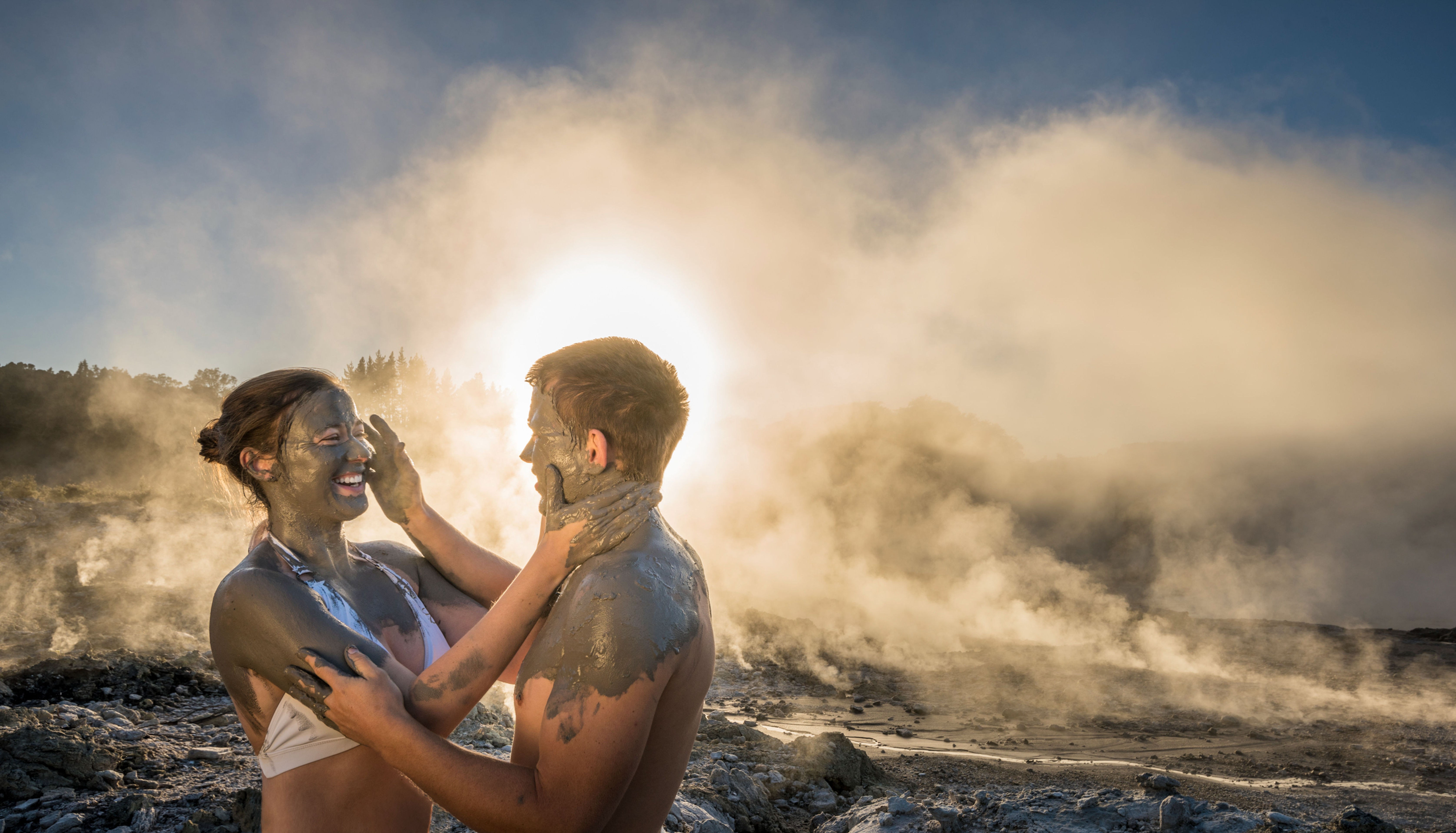
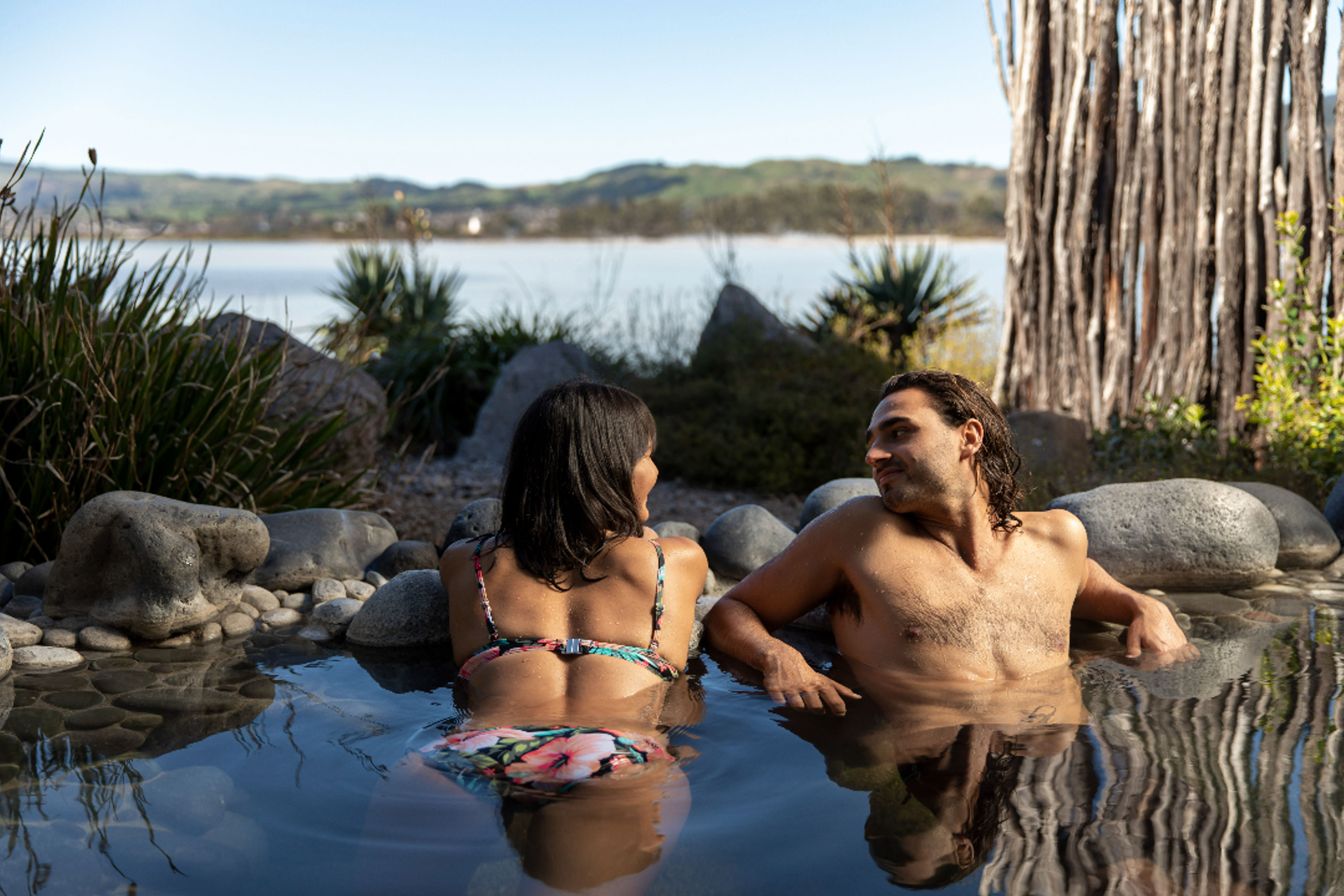
Rotorua also has geothermal hot pools and spa experiences for travellers who want to enjoy the region’s naturally heated water at a slower pace. You do not necessarily need to visit several geothermal reserves in one trip; for most visitors, choosing one major geothermal attraction and combining it with a cultural, forest or lake experience creates a more varied itinerary.
Māori Cultural Experiences in Rotorua
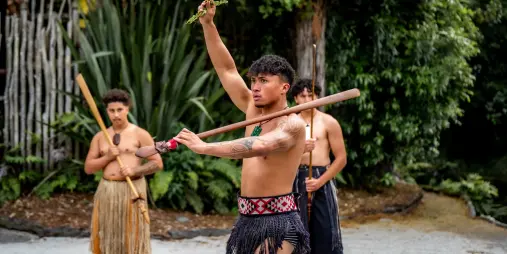
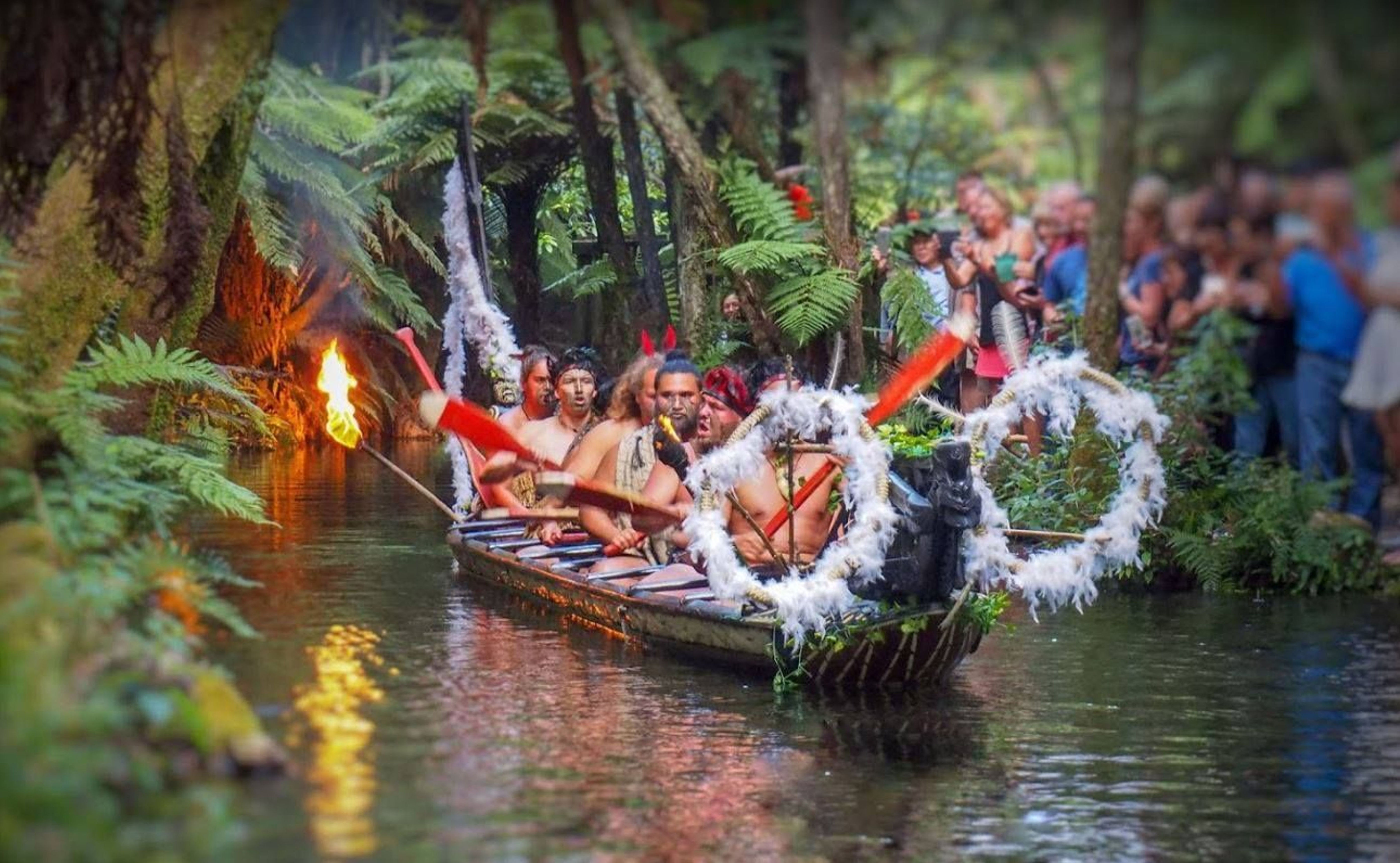
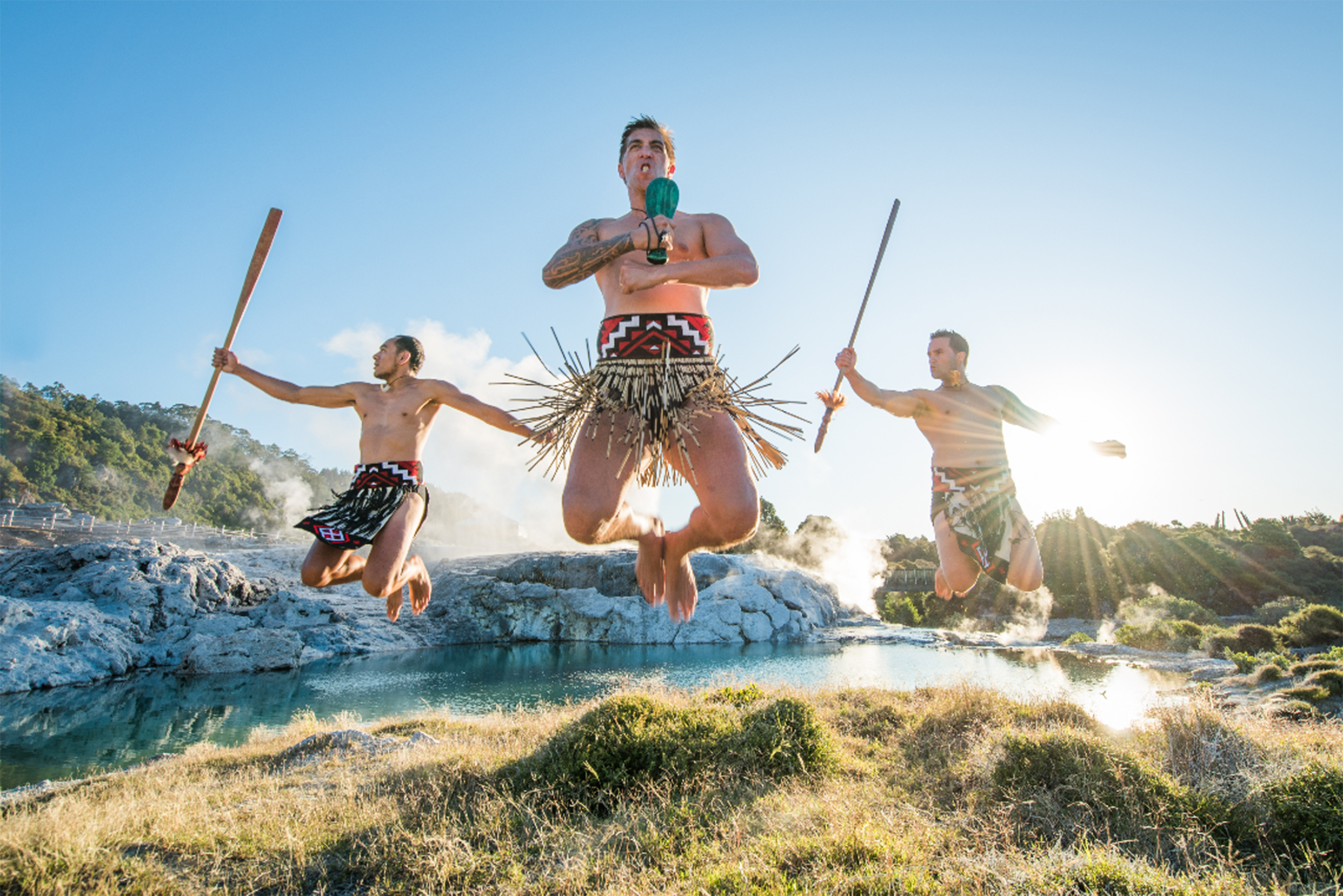
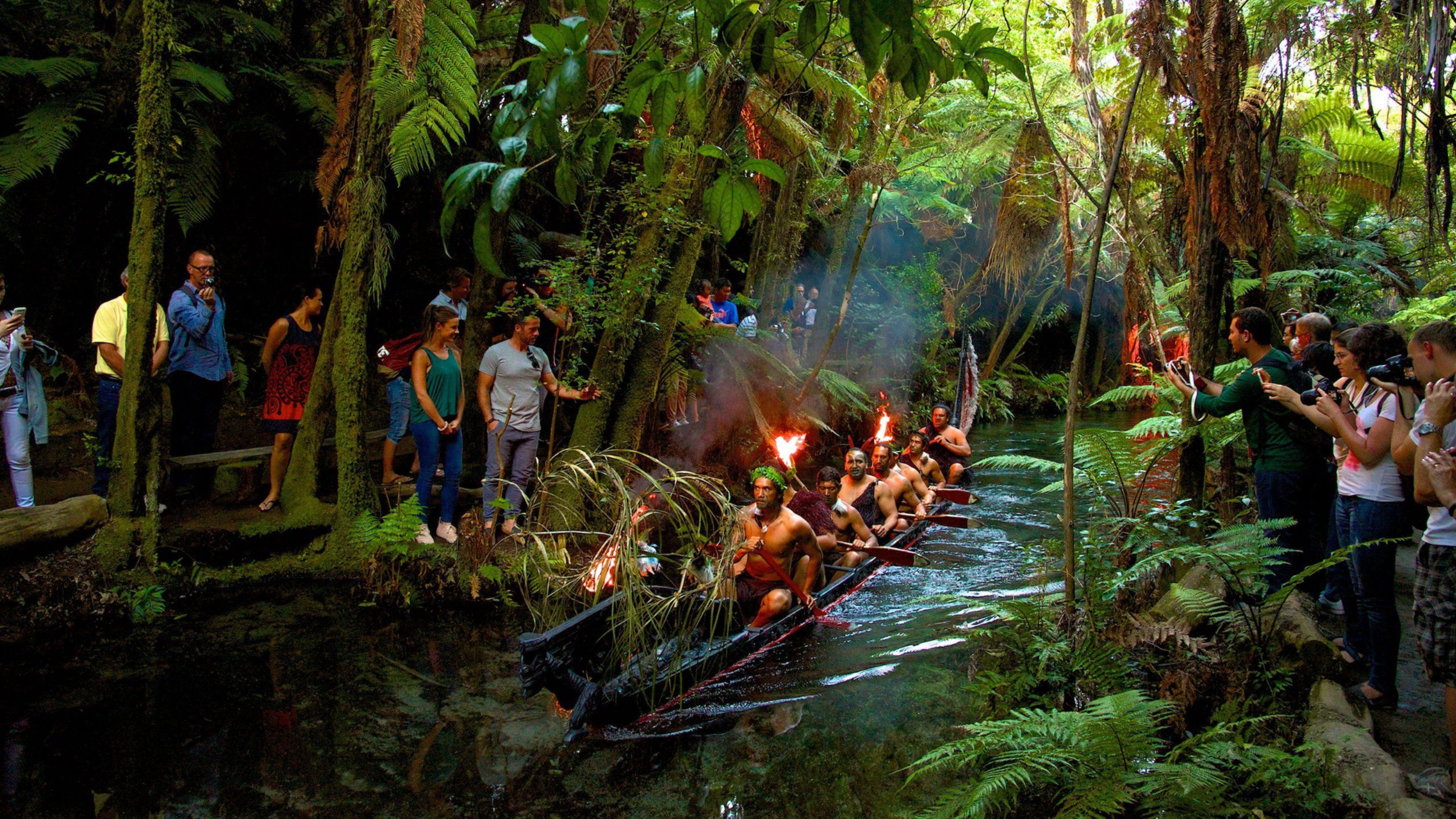
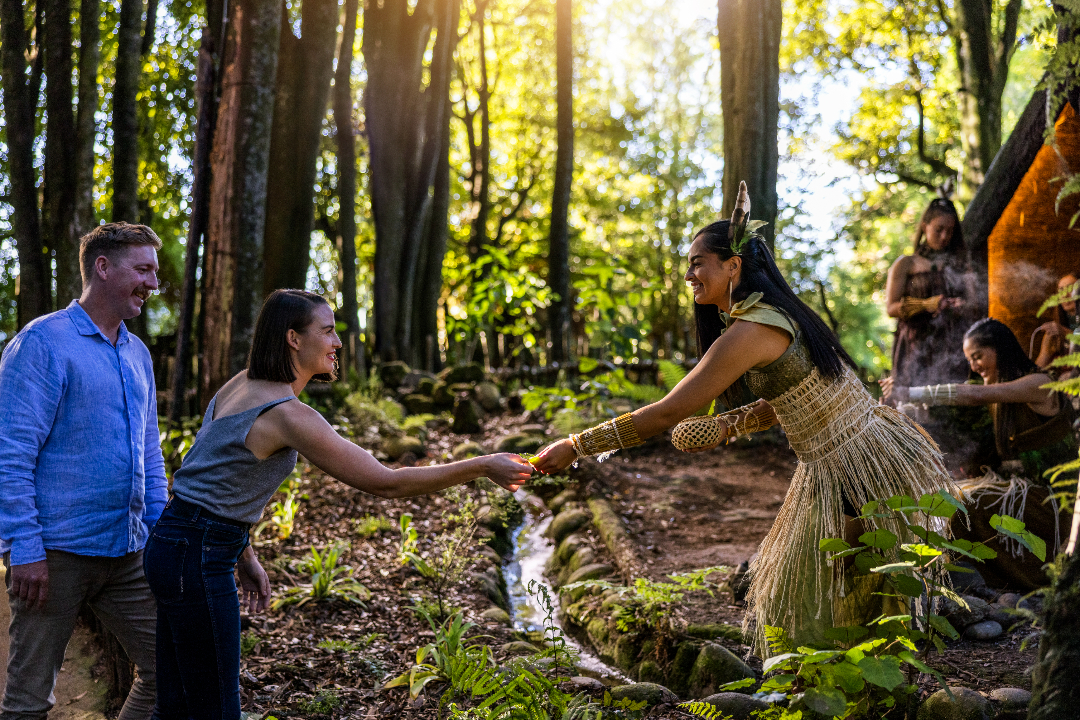
Rotorua is one of New Zealand’s leading destinations for Māori cultural experiences, particularly those connected with Te Arawa. Visitors can learn through storytelling, carving, weaving, cultural performance and traditional food, while also gaining a better understanding of how local Māori communities have lived alongside Rotorua’s geothermal landscape for generations.
Rotorua offers some of the most authentic Māori cultural experiences in New Zealand. At Whakarewarewa – The Living Māori Village, visitors can explore how locals have lived alongside geothermal forces for generations. You’ll see traditional carving, hear stories passed down through the ages, and even enjoy a hāngī meal, slow-cooked in underground steam.
Meanwhile, the New Zealand Māori Arts and Crafts Institute at Te Puia gives you an up-close look at master carvers and weavers in action. It’s more than a tourist attraction — it’s a genuine celebration of Māori knowledge, creativity, and resilience.
Evening cultural experiences are also a useful option for short stays because they leave daylight hours free for geothermal parks, the Redwoods or lake activities.
Outdoor Activities, Redwoods and Lakes in Rotorua
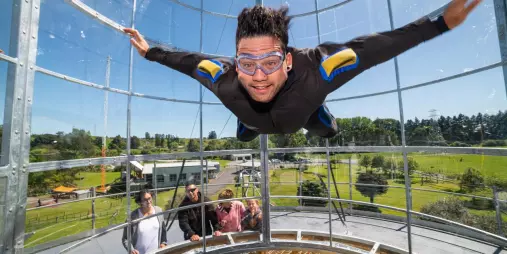
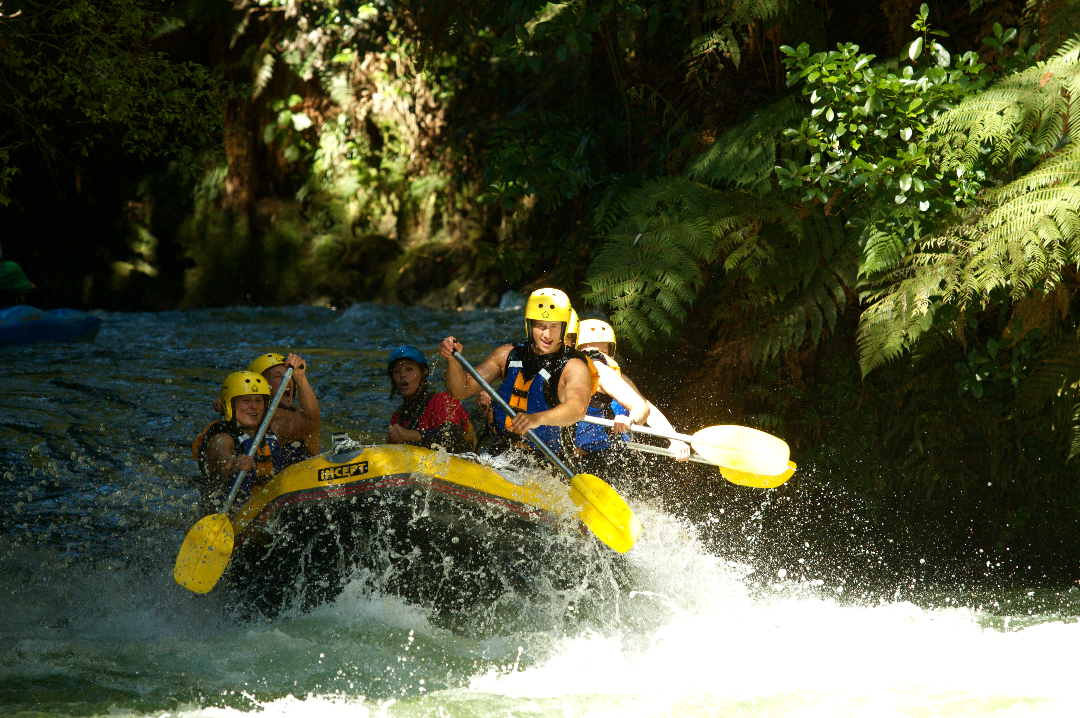
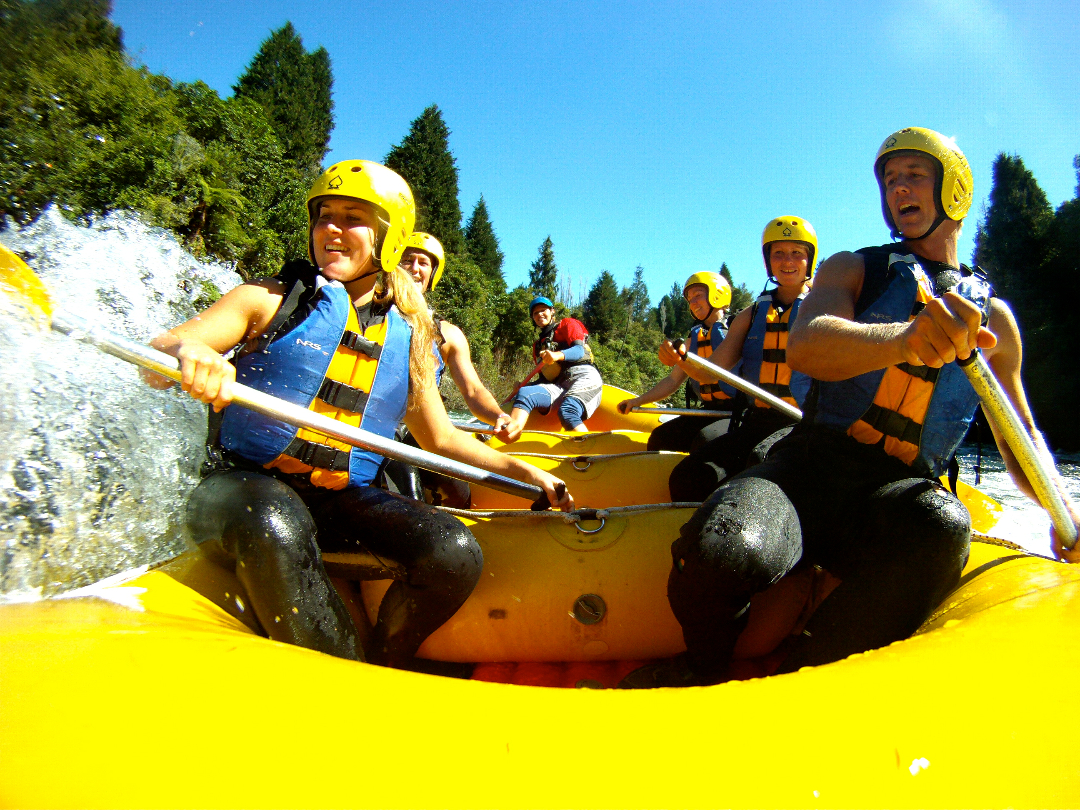
Rotorua offers outdoor activities for almost every pace, from easy forest walks and peaceful lake trips to mountain biking, kayaking, ziplining and jet boating. The Redwoods Forest is the main hub for walking, cycling and canopy adventures, while Lake Rotorua, Lake Tarawera and Lake Rotoiti provide plenty of options on and around the water.
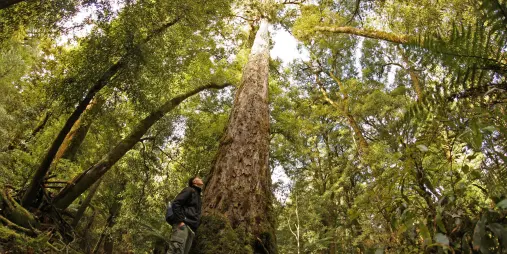
If you’re after a thrill, Rotorua delivers. The Redwoods Forest offers world-class mountain biking trails and canopy-level zip-lining adventures through towering Californian Coast Redwoods. There are options for every level, from beginners to seasoned adventurers.
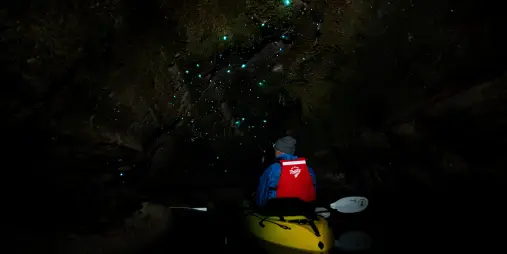
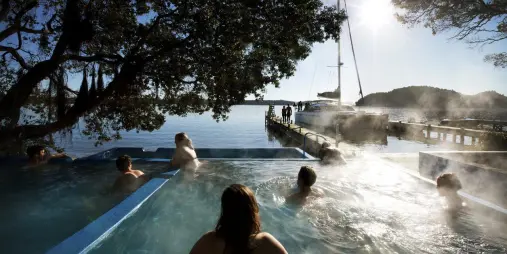
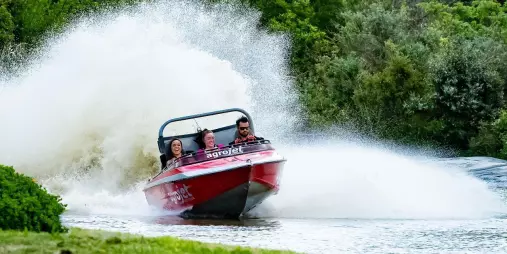
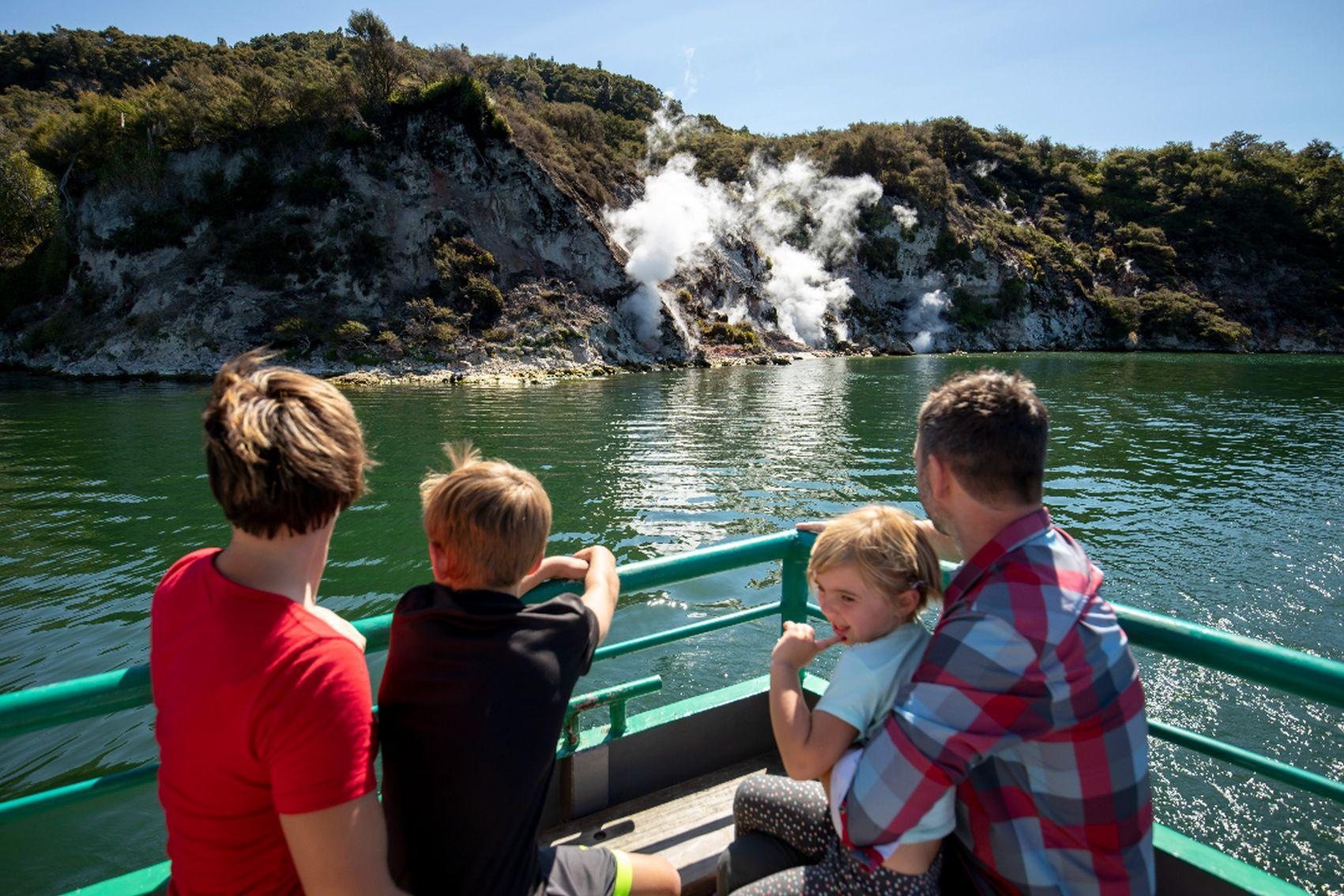
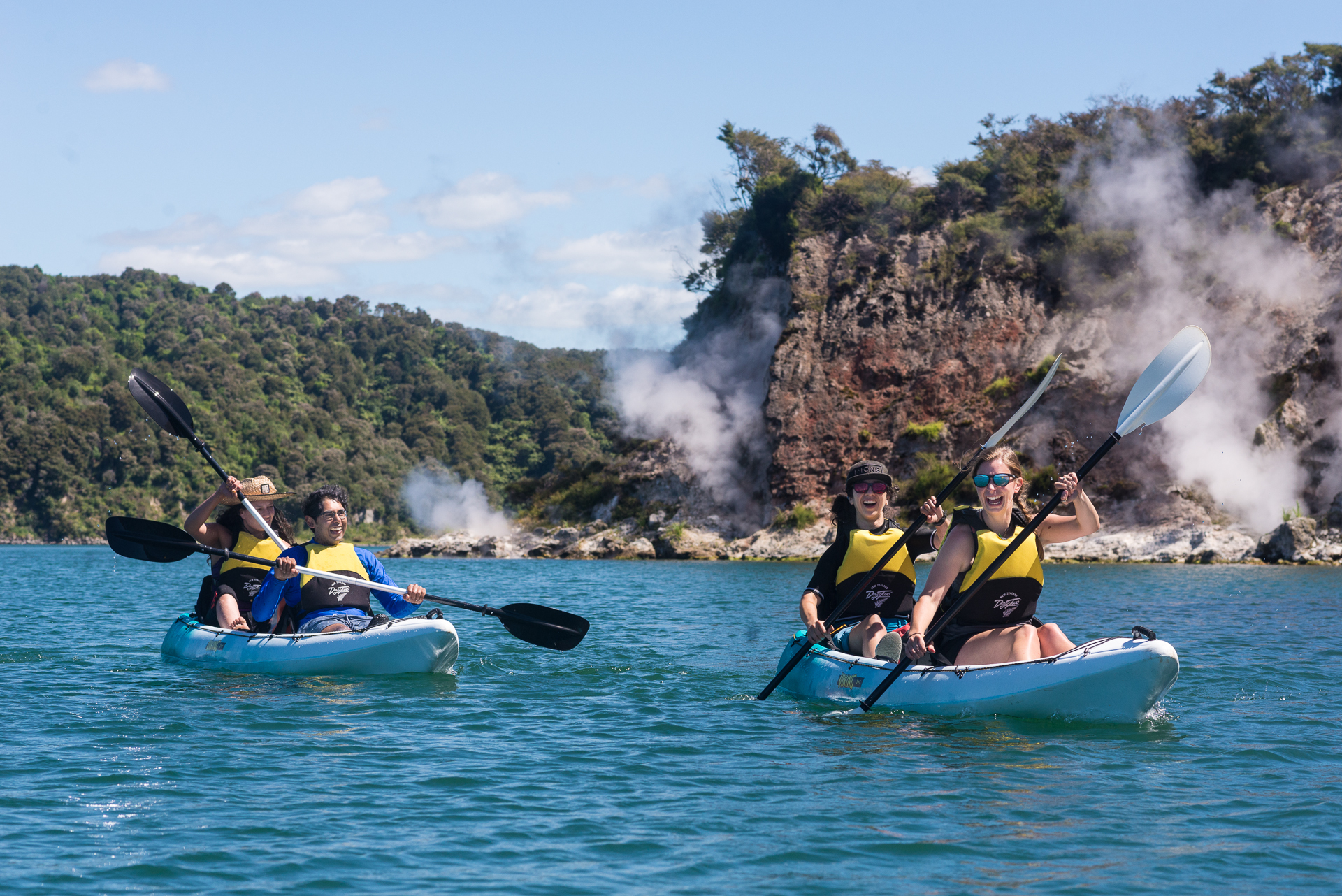
Prefer water to wheels? Rotorua’s lakes — including Lake Tarawera, Lake Rotorua, and Lake Rotoiti — provide a scenic backdrop for kayaking, fishing, or a soak in the natural hot pools at Manupirua Springs. Whether you want a peaceful paddle or a heart-pounding jet boat ride, it’s all right here.
Travellers can easily combine these activities with geothermal or cultural sightseeing. A morning in the Redwoods can be followed by an afternoon hot-pool visit, while a lake experience can work well before an evening cultural performance.
Rotorua Seasons Compared
Rotorua is a year-round destination because its geothermal attractions and Māori cultural experiences can be enjoyed in every season. Summer is best for long outdoor days and lake activities, autumn suits walking and cycling, winter is ideal for hot pools and geothermal sightseeing, and spring offers increasingly mild conditions for mixed outdoor itineraries.
| Season | What to Expect | Best for | Things to consider |
|---|---|---|---|
| Summer – December to February | Warm weather and long daylight hours | Lakes, swimming, kayaking, Redwoods and outdoor adventures | Warmest and busiest season; rain is still possible |
| Autumn – March to May | Mild days and cooler mornings | Mountain biking, walking, geothermal attractions and lake activities | Cooler nights; March and May can be wet |
| Winter – June to August | Cool days and colder mornings and evenings | Hot pools, geothermal attractions, spas and cultural experiences | Coldest and wettest season; warm layers are essential |
| Spring – September to November | Warming temperatures and longer days | Forest walks, rafting, sightseeing and outdoor activities | Conditions can change quickly; carry warm and waterproof layers |
Rotorua weather can be changeable in every season. Travellers should pack for changing conditions rather than choosing a season based on sunshine alone.






Getting to Rotorua and Where to Stay
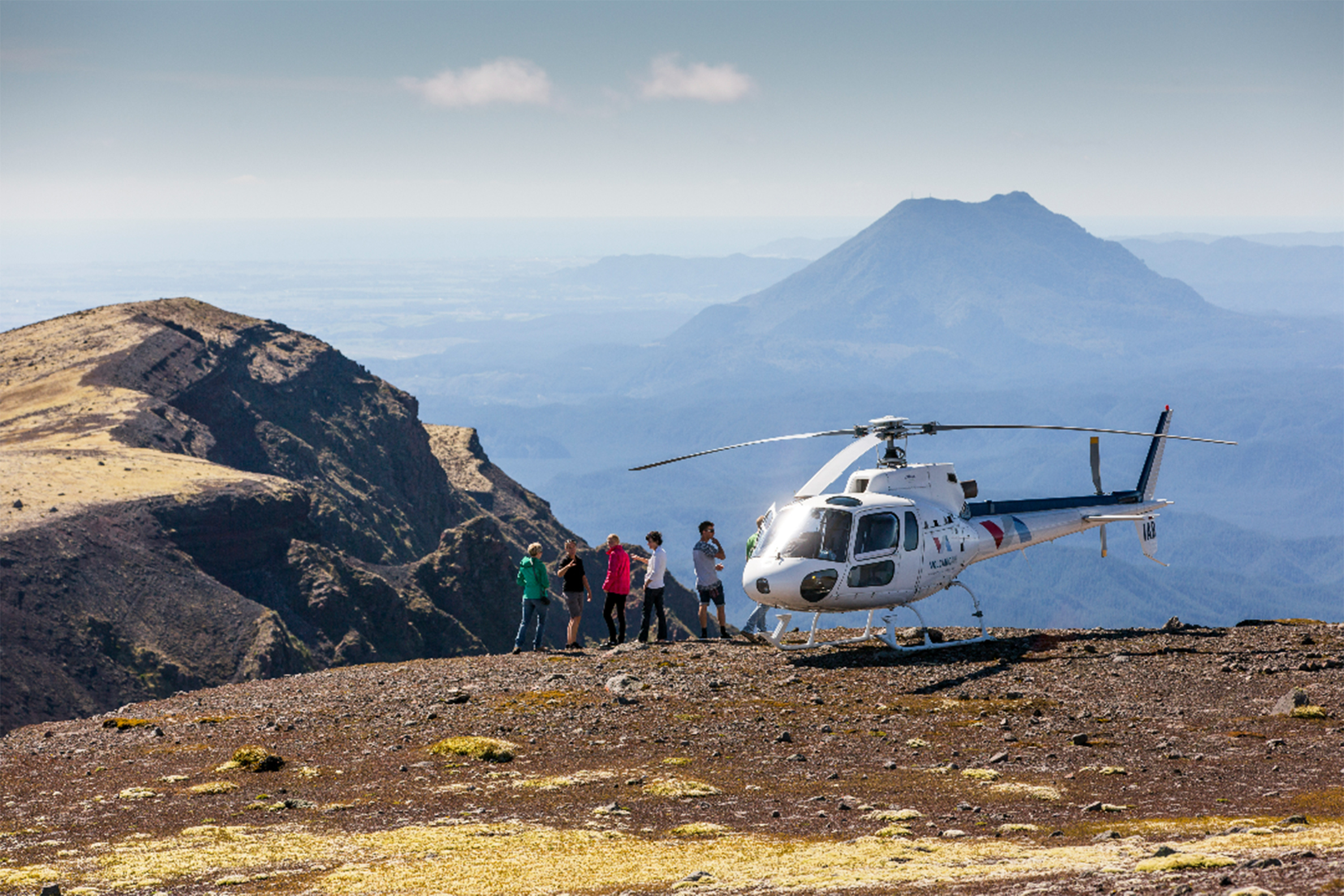
Rotorua is around a three-hour drive from Auckland and can be reached by domestic flight, coach, shuttle or organised tour. Its central North Island location also makes it easy to include in a wider itinerary, whether you are travelling independently or joining a multi-day tour.
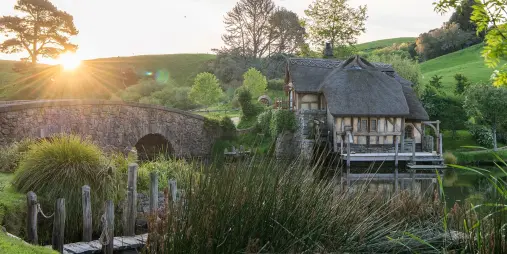
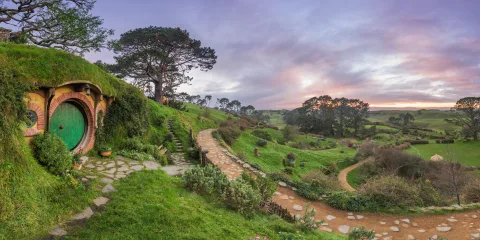
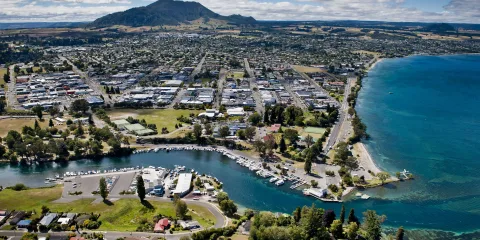
From Auckland, one popular option is a coach tour that visits Hobbiton before continuing to Rotorua, combining two major North Island attractions in one journey. Travellers wanting more flexibility can choose a self-drive package from Auckland, spend several nights in Rotorua, then continue south to Taupō in around an hour before travelling on to Tongariro National Park or Wellington. This creates an easy North Island route linking several of the region’s major highlights.
Rotorua Airport provides domestic connections, while coach services, private transfers and touring options link the city with other North Island destinations.
Accommodation in Rotorua ranges from central hotels and motels to apartments, holiday homes, boutique stays and lakeside properties. Where you stay depends on how you plan to explore:
- Central Rotorua: convenient for restaurants, the lakefront and travellers without a car
- Near Whakarewarewa: useful for geothermal attractions and the Redwoods
- Lake Rotorua: good for quieter stays and water views
- Apartments and holiday parks: practical for families and self-catering travellers
For most visitors, staying in one place for two or three nights is easier than changing accommodation during a short trip.
If you are travelling without a vehicle, check whether your chosen attractions include hotel pick-up or transfers, as some geothermal parks, lake experiences and adventure activities are located outside central Rotorua.
Rotorua History and Cultural Heritage
Rotorua’s history is closely connected with Te Arawa, geothermal activity and the growth of tourism around the region’s volcanic landscapes. Māori communities have long used the area’s geothermal resources, and Māori culture remains central to Rotorua today, while later tourism development helped establish the city as one of New Zealand’s best-known visitor destinations.
Rotorua, in New Zealand's North Island, has a history shaped by both Māori and European influences. The Te Arawa people established deep connections with the region and its lakes, forests and geothermal resources long before European settlement.
European visitors were later drawn to Rotorua by its geothermal landscapes, and the area developed into an important tourism destination during the late nineteenth century.
Today, Rotorua remains a strong centre of Māori culture, with cultural experiences, traditional arts, food and storytelling continuing to play an important role in the city’s identity.
Government Gardens and the historic Bath House also reflect Rotorua’s development as a spa and tourism destination. Rotorua Museum Te Whare Taonga o Te Arawa is housed in the Bath House, although the museum building is currently closed while restoration and earthquake-strengthening work is completed.
Rotorua’s history adds useful context to the geothermal and cultural experiences visitors see today, showing how the region’s volcanic environment has influenced both community life and tourism over generations.